Quick answer
Yes, a glass cup with a cork sleeve is safe for hot drinks, provided you use it as intended. The cork sleeve provides heat protection for your hands, but it does not make the glass itself heatproof. Always preheat the glass gradually, avoid thermal shock, and never pour boiling water directly into a cold glass cup.
What the cork sleeve actually does
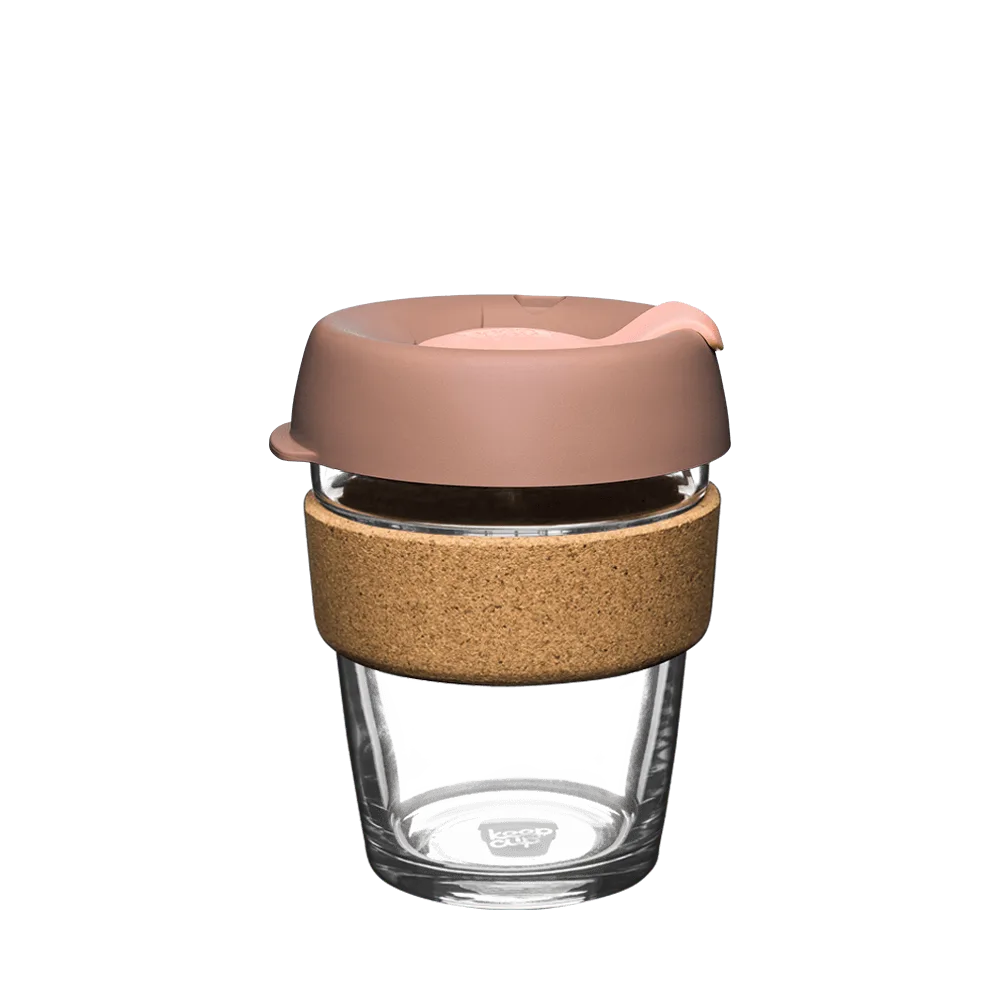
The cork sleeve is a grip and comfort feature, not a thermal barrier for the drink. It insulates your fingers from the hot glass surface, letting you hold a freshly poured coffee without a separate coaster or double cup. Cork is naturally textured, so it stays secure in your hand even when the glass is warm. However, the sleeve does not keep your drink hot for longer, and it does not protect the glass from cracking due to sudden temperature changes.
Glass temperature limits: what you need to know
Most reusable glass cups are made from borosilicate or tempered glass, which can handle typical hot beverages like coffee or tea. But no glass is immune to thermal shock, which happens when one part of the glass heats or cools much faster than another. Pouring boiling water into a cold glass cup is a common cause of cracks. To avoid this, warm the cup first with a little hot tap water, then discard it before adding your drink. Also, avoid moving a hot glass directly from a cold room to a hot liquid, or placing a hot glass on a cold stone countertop.
How to use your cork sleeve glass cup safely
Start with a room-temperature cup. Fill it halfway with hot tap water, let it sit for 30 seconds, then empty it. This gently warms the glass. Then pour your coffee or tea as usual. Keep the cup on a coaster or trivet, not directly on a cold or wet surface. When you're done, let the cup cool completely before washing. Never pour cold water into a hot glass cup, and never put a hot glass cup in the fridge or freezer. Hand washing is safest for the cork band; if the glass is dishwasher-safe, remove the cork sleeve first to preserve its fit and finish.
Common mistakes that can damage your cup
The biggest risk is rapid temperature change. Don't pour boiling water straight from a kettle into a cold glass. Don't use the cup for stovetop heating or in a microwave unless the manufacturer explicitly says it's microwave-safe. Don't leave a hot cup on a cold metal surface. And don't stack hot cups tightly, as trapped heat can stress the glass. If your cup does develop a crack or chip, stop using it for hot drinks immediately, as it can shatter.
Hot drink safety checklist for cork sleeve glass cups
Preheat the glass
Fill with hot tap water for 30 seconds before adding your drink. Reduces thermal shock risk.
Avoid boiling water directly
Let boiling water cool for a minute, or pour over a spoon to temper it. Lower temperature difference means less stress on the glass.
Use a coaster or trivet
Never place a hot glass cup directly on a cold or wet surface. Prevents sudden cooling at the base.
Hand wash the cork sleeve
Remove the cork band before washing the glass, and let it air dry. Keeps the cork fitting snug and comfortable.
KeepCup options with cork sleeves
- Brew Cork Glass Cup: https://keepcupecj.com/products/brew-cork-glass-cup-305368https://keepcupecj.com/products/brew-cork-glass-cup-305369https://keepcupecj.com/products/brew-cork-glass-cup-305404https://keepcupecj.com/products/brew-cork-glass-cup-305405Brew Cork Glass Cup features a glass body and a natural cork band for a comfortable, secure hold. The cork band gives you a safe grip on a hot cup, but you still need to follow glass safety rules.
- Ace Recycled Cork Glass Cup: Ace Recycled Cork Glass Cup is designed for reuse and easy replacement of parts. If the cork band wears out or the glass chips, you can replace parts instead of the whole cup, extending its safe life.
- Brew Cork Glass Cup: Brew Cork Glass Cup has a glass construction and cork band that provides insulation and a comfortable hold. This cup is a practical choice for daily hot drinks, but it still requires gradual temperature changes to avoid thermal shock.