Quick Answer
Toner is not strictly necessary for every skin type, but it becomes genuinely useful when your skin is dehydrated, tight after cleansing, or you want a lightweight layer of hydration before cream. Choose a hydrating, calming toner rather than an old-school astringent, and apply it to slightly damp skin with your palms or a cotton pad. If your current routine already keeps your skin comfortable and balanced, you can skip toner without guilt.
What Toner Actually Does (and What It Doesn't)
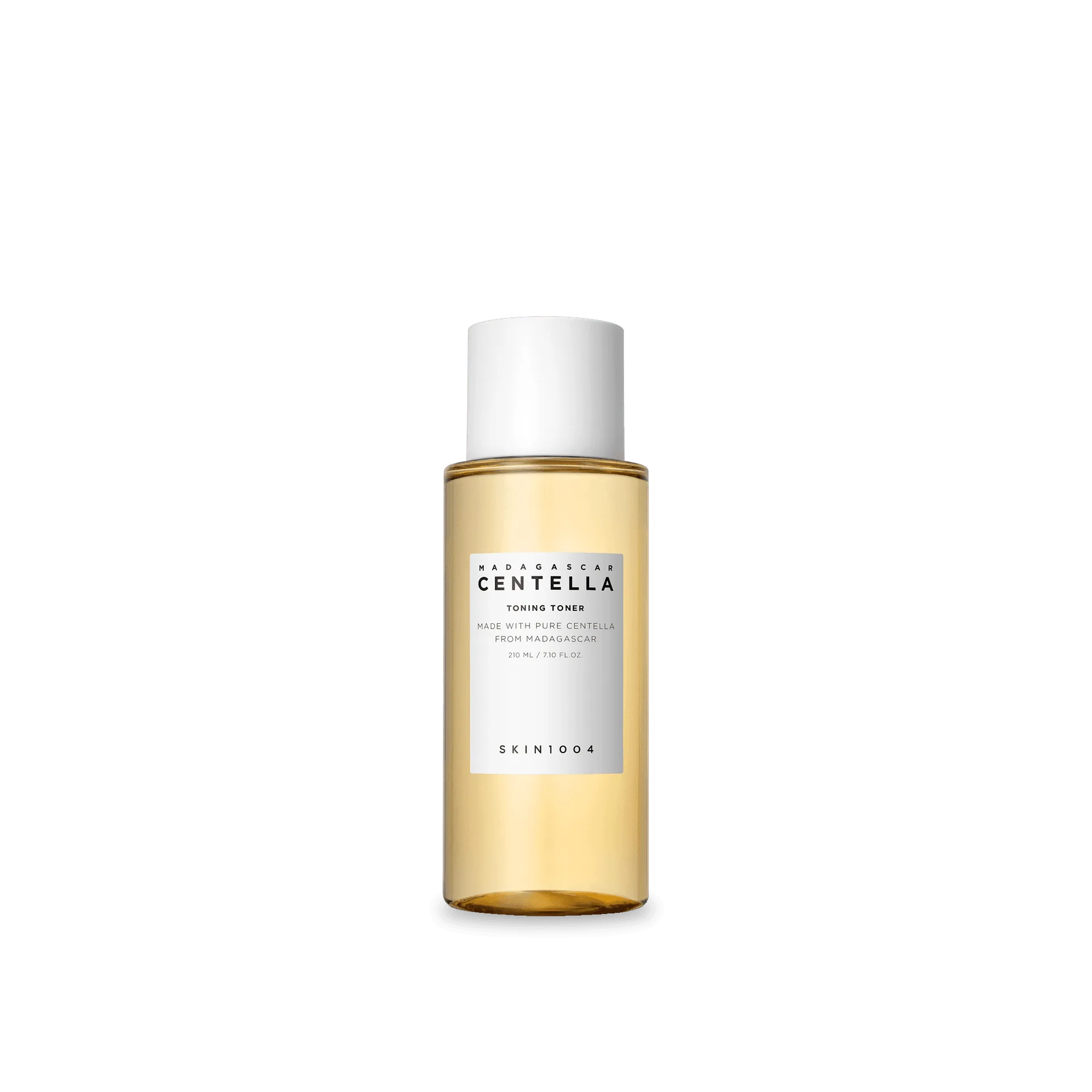
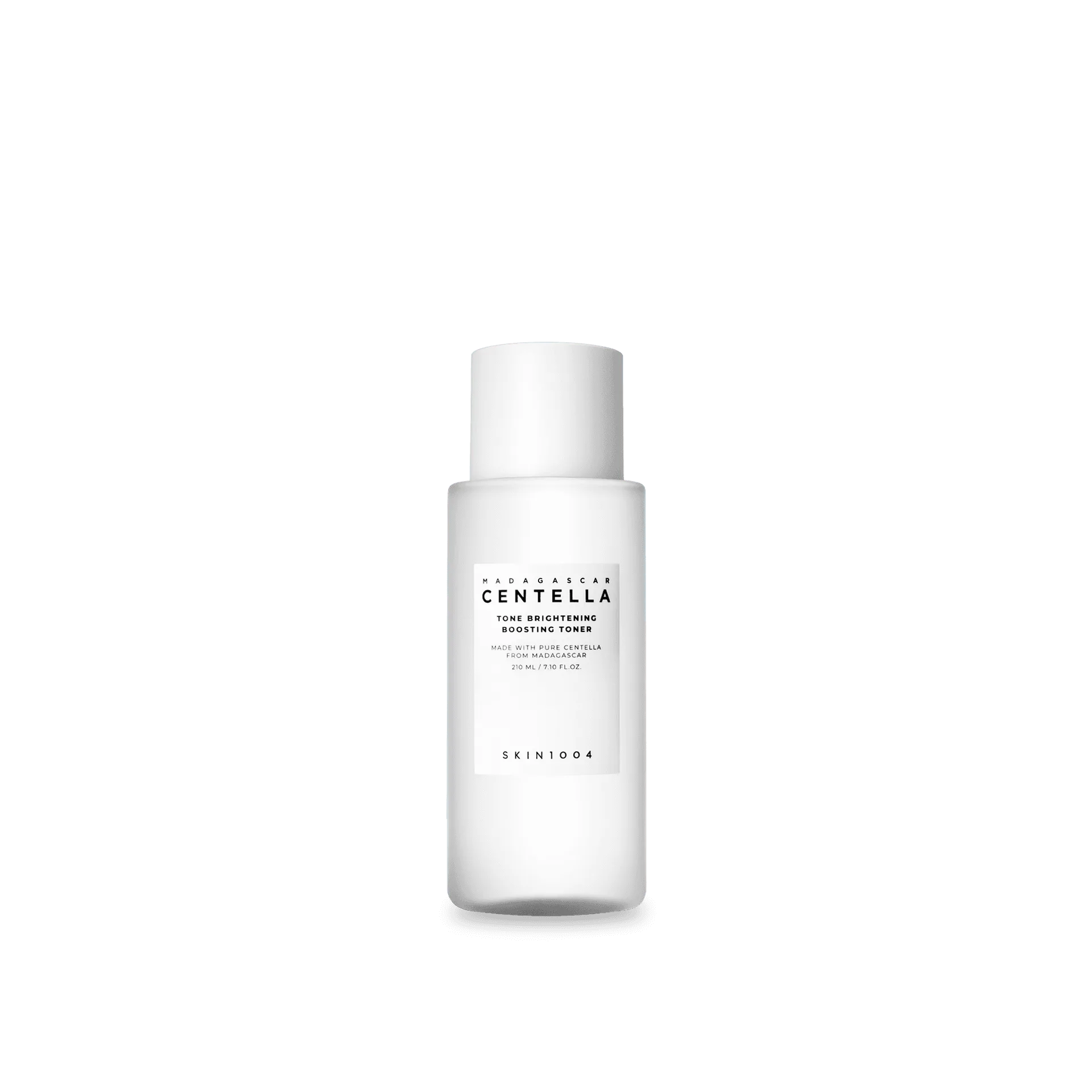
Toner's real job is to add a quick layer of hydration and prep skin to absorb the products that follow. It can also deliver soothing ingredients that calm the look of redness, which is why formulas built around centella asiatica are common in toners for sensitive or reactive skin. What toner does not do is shrink pores, 'close' them after cleansing, or replace a moisturizer. Pores don't open and close like doors, and a toner alone won't seal in moisture the way a cream does.
The old reputation of toner came from high-alcohol astringents that stripped oil and left skin feeling squeaky. That style of toner is still sold, but it's not what most people need today. If your skin feels tight, stings, or looks dull after toning, the formula is likely too harsh for your barrier.
Myths Worth Retiring
Myth: everyone needs toner. Verdict: false. Oily, resilient skin that feels comfortable after cleansing can do perfectly well with cleanser, moisturizer, and sunscreen. Myth: toner is only for oily skin. Verdict: false. Hydrating toners are often most useful for dry, dehydrated, or sensitive skin because they add water-based moisture without heaviness. Myth: toner and essence are the same thing. Verdict: not quite. Toners tend to be lighter and focused on prep and hydration; essences are usually more concentrated treatment steps. Some products blur the line, so read the ingredient list rather than the label alone.
Myth: toner removes leftover cleanser and is therefore mandatory. Verdict: mostly outdated. A well-formulated cleanser should rinse clean. If you consistently see residue, the fix is a better rinse or a gentler cleanser, not a second stripping step.
How to Use Toner Correctly
Apply toner within a minute of cleansing, while skin is still slightly damp. Pour a few drops into clean palms and press gently over your face and neck, or use a soft cotton pad if you prefer. Avoid rubbing, and don't wait for skin to dry completely before moving on to your next step. If your toner is hydrating, you can layer it two or three times for extra moisture on dry days.
Frequency matters as much as technique. Start once daily, usually in the evening, and add a morning application only if your skin still feels comfortable. If you use an exfoliating toner with acids, keep it to a few times a week and don't stack it with other strong actives on the same night.
When to Skip Toner Entirely
Skip toner if your skin feels balanced after cleansing, if you're short on time and your routine already works, or if every toner you've tried leaves you tight or irritated. You can also skip it when you're using a treatment essence or serum that already provides the hydration and soothing you need. In that case, going straight from cleanser to serum to cream is a legitimate routine, not a compromised one.
If you're building a routine from scratch and want a simple starting point, a curated set can remove the guesswork about which steps to pair. Just check what's included so you know whether a toner is part of the lineup or whether you're expected to add one.
Toner Verdicts
- Toner is mandatory for everyone: Skin that feels comfortable after cleansing can skip toner without harm. Verdict: false
- Toner shrinks pores: Pores don't open or close; toner can temporarily make them look less noticeable by hydrating the skin around them. Verdict: false
- Toner and essence are interchangeable: Toners are typically lighter and prep-focused; essences are usually more concentrated treatment steps. Verdict: false
- Hydrating toner helps dehydrated skin: A water-based, calming toner can add a light layer of moisture and soothing before cream. Verdict: true
Products That Fit a Toner-Friendly Routine
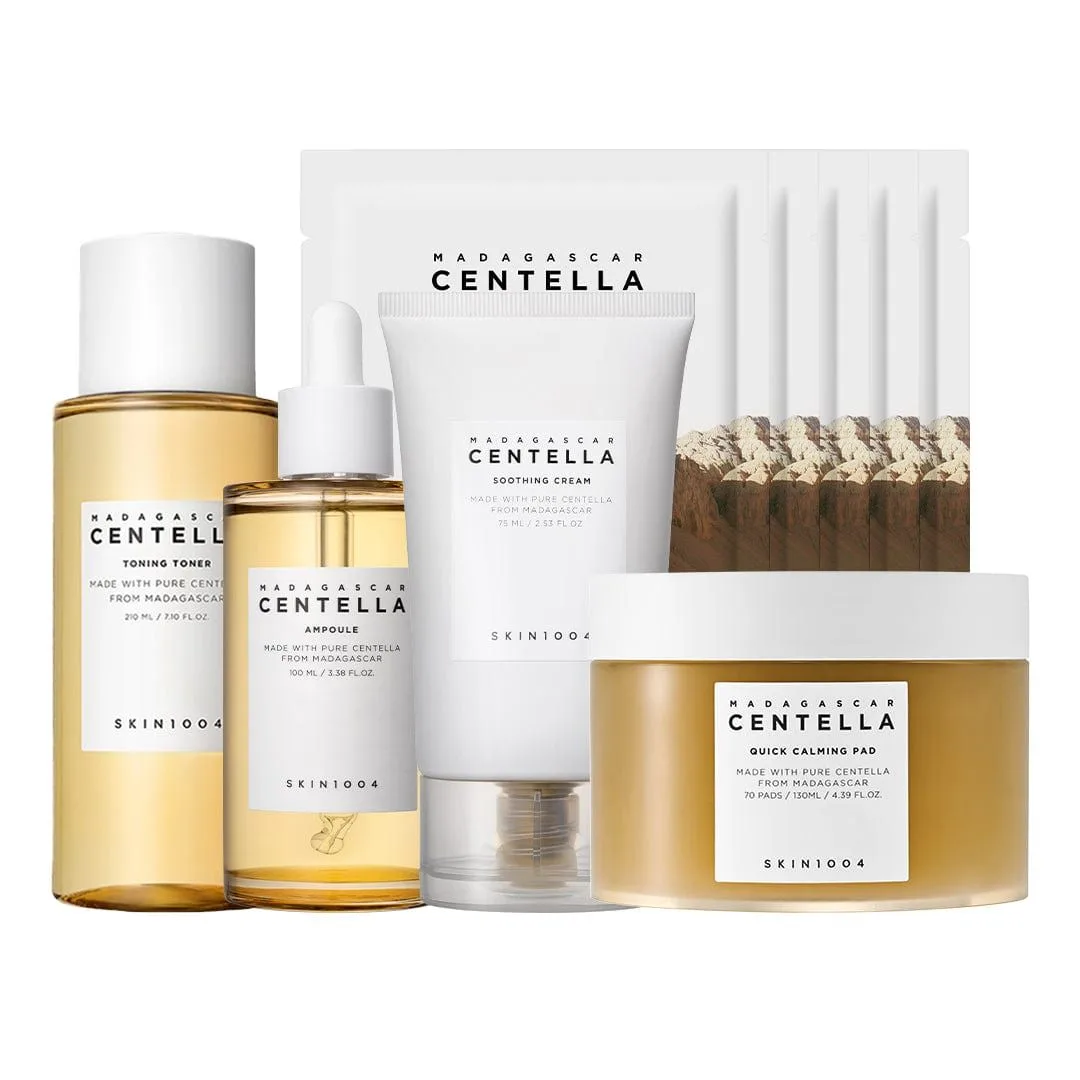
- Centella Skincare Routine Set: The Centella Skincare Routine Set is a curated collection formulated with centella asiatica and designed for dry, normal, or sensitive skin, focusing on hydration, soothing, and strengthening the skin barrier. If you want a ready-made routine that supports calming and hydration rather than stripping, this set gives you a starting point without guessing which steps to pair.
- Perfect Anti-Aging Routine Set: The Perfect Anti-Aging Routine Set includes products from the Probio-Cica line, known for barrier-restoring and anti-wrinkling benefits, and is suited to combination, dry, and sensitive skin. Useful if your priority is barrier support and anti-aging care alongside hydration, rather than oil control.
- Hyalu-Cica Moisture Cream: Hyalu-Cica Moisture Cream is a hydrating and calming cream formulated for normal, dry, combination, and sensitive skin, with hydrating benefits that help alleviate dryness and calming properties suitable for sensitive skin. A toner adds water-based hydration, but you still need a cream to lock it in; this one is a straightforward follow-up step for dry or sensitive skin.