When you're standing in the breakfast aisle, the decision between turkey sausage and pork sausage often comes down to one question: which is healthier? Turkey sausage has earned a reputation as the lighter, more virtuous choice, but is that reputation deserved? In this article, we dig into the nutrition facts, ingredients, and taste differences to help you make an informed choice for your morning meal.
Whether you're trying to cut calories, reduce saturated fat, or simply add more protein to your diet, understanding the real differences between these two breakfast staples can transform how you shop. We'll compare key nutrients, discuss processing and additives, and highlight some of the best options available from Jimmy Dean to fit your health goals.
Turkey Sausage vs Pork Sausage: Nutritional Breakdown
At first glance, turkey sausage often appears to be the winner in the calorie and fat department. A typical two-ounce serving of cooked turkey sausage patties contains around 100–120 calories, 6–8 grams of fat, and about 2–3 grams of saturated fat. In comparison, the same amount of regular pork sausage can pack 130–150 calories, 10–12 grams of fat, and 4–5 grams of saturated fat. That difference can add up quickly if you eat sausage several times a week.
However, turkey sausage isn't automatically a health food. Some brands add extra sodium, sugar, or fillers to mimic the flavor and texture of pork. For example, a turkey patty might contain 450–500 mg of sodium per serving, while pork sausage can range from 400–600 mg. Protein content is often similar — around 8–10 grams per serving — so the main trade-off is fat and calories versus taste and texture.
- Tip: Always check the nutrition label — lower fat doesn't always mean lower sodium.
The Role of Processing and Ingredients
Beyond basic macros, the ingredient list matters. Both turkey and pork sausages can be made with whole cuts of meat or with mechanically separated meats, fillers, and preservatives. The healthiest options are those with a short, recognizable ingredient list and minimal additives. For instance, Jimmy Dean's Heat 'n Serve Turkey Sausage Patties are made with turkey, water, and a simple spice blend — no artificial flavors or fillers. That makes them a clean choice for anyone focused on whole foods.
On the pork side, options like the All Natural* Regular Premium Pork Sausage also emphasize simple ingredients and no artificial preservatives. The key is to look for products labeled "all natural" or with minimal processing, regardless of the meat type. If you're watching your sodium intake, compare labels side by side — some turkey products are surprisingly high in salt to compensate for reduced fat.
Taste, Texture, and Cooking Differences
Let's be honest: taste matters. Pork sausage has a richer, juicier flavor thanks to its higher fat content. Turkey sausage is leaner and can be drier if overcooked, but many modern versions — like the Heat 'n Serve Turkey Sausage Patties — are seasoned well and hold up nicely on a breakfast sandwich or plate. The texture is slightly less dense than pork, but still satisfying.
Cooking differences are minimal. Both types can be pan-fried, baked, or microwaved. Turkey sausage tends to cook faster because it's leaner, so watch it closely to avoid drying out. If you're meal-prepping, both freeze well and reheat easily. For a quick, balanced breakfast, pair turkey patties with eggs and whole-grain toast, or use them in a breakfast wrap with veggies.
- Tip: Cook turkey sausage over medium heat and flip frequently to retain moisture.
Which One Should You Choose?
The answer depends on your personal health priorities. If you're focused on reducing saturated fat and calories, turkey sausage is the better bet. It's also a great option for those who prefer a lighter breakfast or are managing cholesterol levels. On the other hand, if you prioritize flavor and don't mind a few extra calories, high-quality pork sausage can still fit into a balanced diet — especially when paired with vegetables and whole grains.
For a protein-packed, low-carb breakfast, consider the Classic Sausage & Bacon Protein Bowl, which combines both meats with eggs and cheese for a hearty, satisfying meal. If you want the convenience of a grab-and-go option with turkey, the Heat 'n Serve Turkey Sausage Patties are a versatile staple. And if you're in the mood for something sweet and savory, the Mini Maple Pancakes and Maple Sausage Bites Morning Combos offer a fun twist that's still portion-controlled.
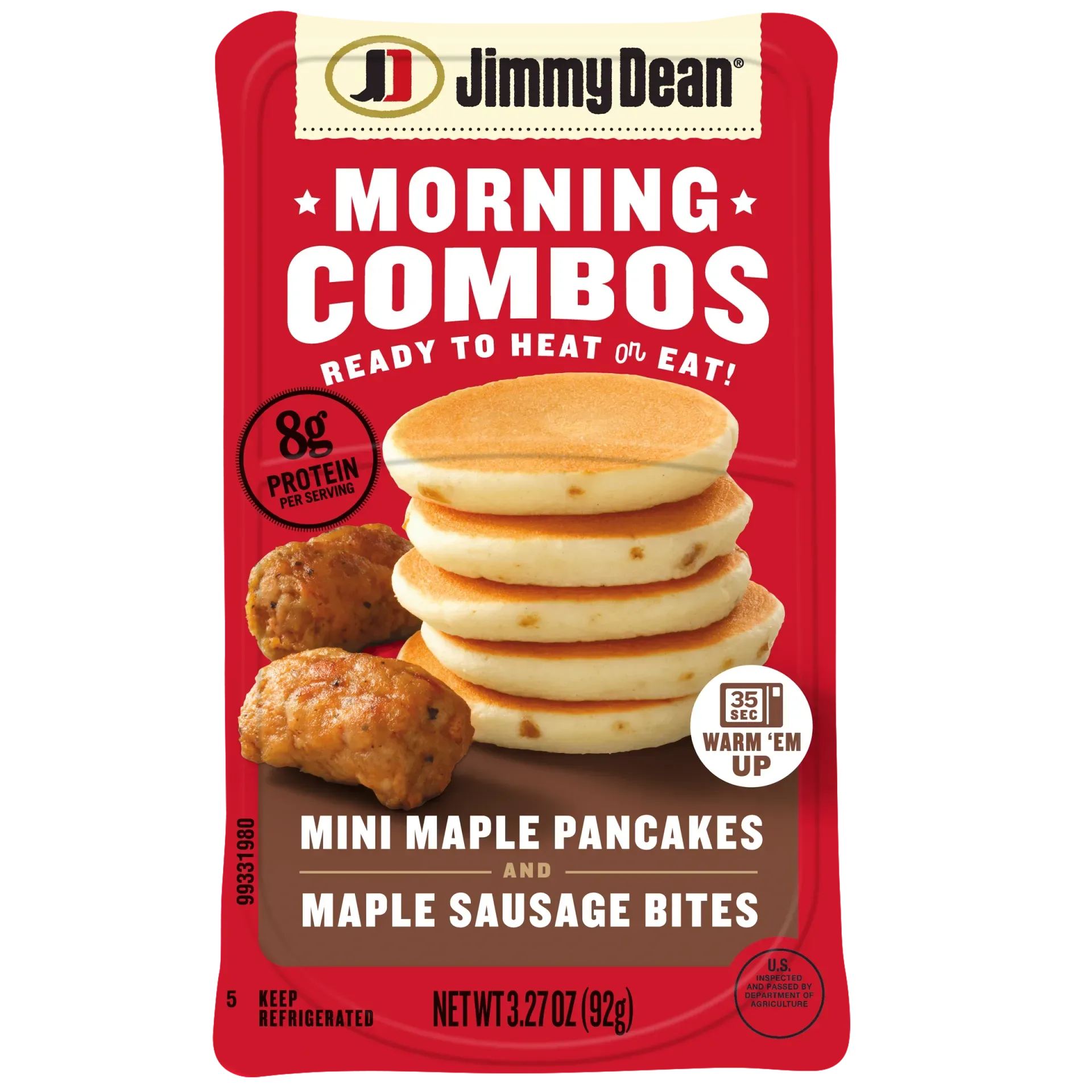
Mini Maple Pancakes and Maple Sausage Bites Morning Combos
Practical Tips for Healthier Sausage Choices
No matter which type you choose, a few simple strategies can make your breakfast healthier. First, watch your portion size — one serving is typically two patties or two ounces. Second, pair sausage with high-fiber foods like oats, fruit, or whole-grain bread to slow digestion and keep you full longer. Third, avoid sugary syrups or refined carbs alongside your sausage; instead, add vegetables like spinach or bell peppers.
Finally, don't overlook the convenience of products like Simple Scrambles Sausage, which let you control exactly what goes into your bowl. By choosing minimally processed options and balancing your plate, you can enjoy sausage as part of a nutritious breakfast routine.
- Tip: For a quick, balanced breakfast, pair turkey sausage with scrambled eggs and a side of berries.
Ultimately, both turkey and pork sausage can have a place in a healthy diet — the key is choosing quality products and mindful portions. If you're ready to try a leaner option, check out the Heat 'n Serve Turkey Sausage Patties for a simple, protein-packed start to your day.