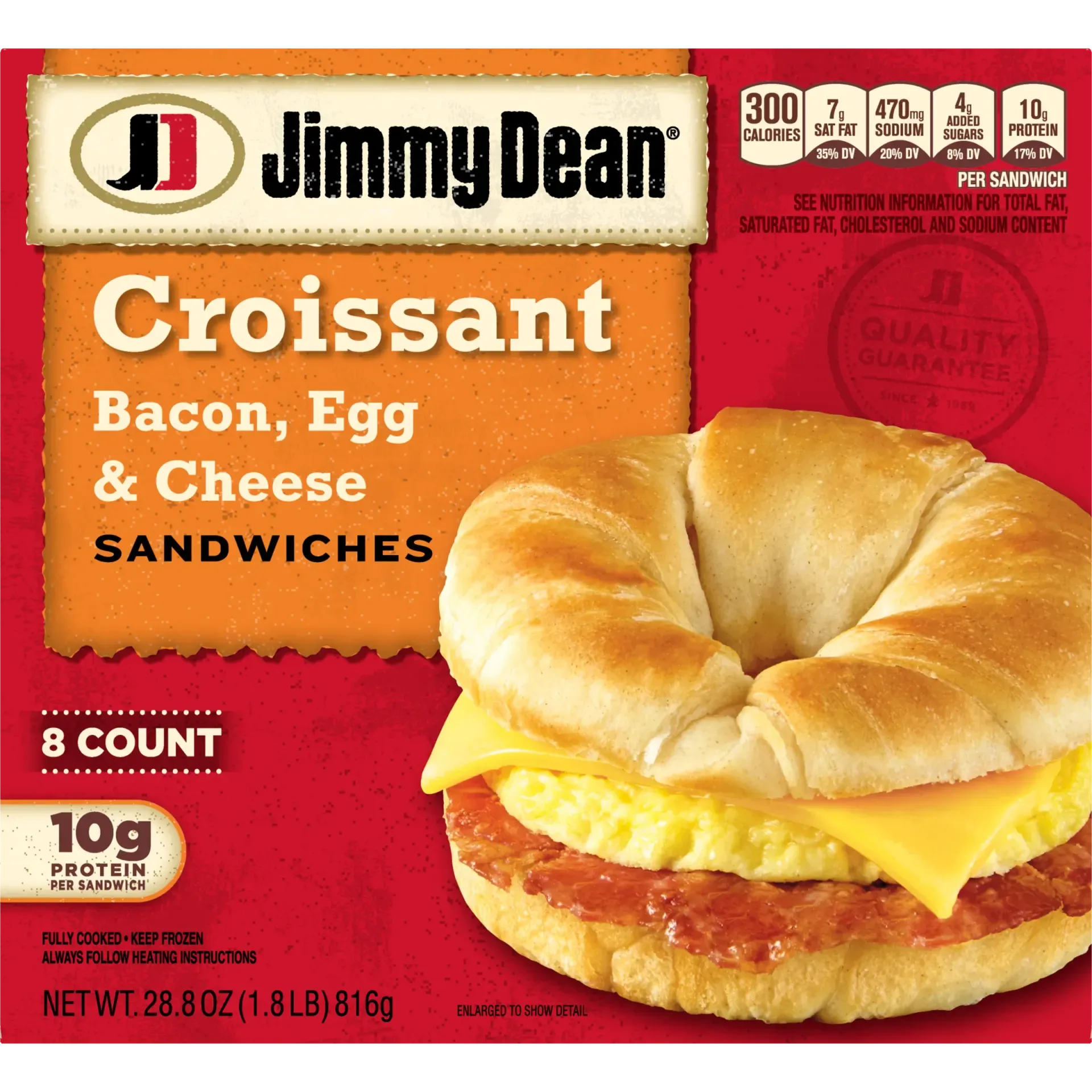
Quick answer
Start with the serving size, then compare calories, protein, and sodium per serving. Look for at least 15 grams of protein and keep sodium under 600 mg if you eat other salty foods. Check added sugars and saturated fat, and match the numbers to your daily goals.
Serving size: the number that changes everything
Every number on the label is based on one serving. A package might hold two sandwiches, but the label could list one sandwich as a serving. If you eat both, you double every figure. Always find the serving size line first, then decide if that matches what you actually eat.
Calories: daily fuel or occasional treat?
Calories tell you how much energy you get. A 300-calorie sandwich fits a typical breakfast, while 500 calories might be better on a heavy activity day. Compare similar products side by side to spot large differences. Remember that calories from protein and fiber keep you full longer than calories from added sugars.
Protein: the staying-power nutrient
Protein helps you feel satisfied until lunch. Aim for at least 15 grams per sandwich if breakfast is your main protein meal. Meat-based sandwiches often have more protein, while egg-white and turkey options can be lighter. Check the protein line and compare it to the calories to judge efficiency.
Sodium: the hidden morning load
Frozen sandwiches can be high in sodium because of processed meats, cheese, and bread. The Daily Value for sodium is 2,300 mg, so a sandwich with 800 mg uses over a third of that. If you have high blood pressure or eat other packaged foods, look for lower-sodium choices or balance with fresh fruit and unsalted nuts.
Added sugars and saturated fat: the fine print
Added sugars hide in breads, sauces, and even some meats. The goal is to keep added sugars low, ideally under 5 grams per serving. Saturated fat should also be moderate, especially if you have heart concerns. Compare the saturated fat line across products to find lighter options.
How to read a frozen breakfast sandwich label in 4 steps
- Find the serving size: Check the top of the Nutrition Facts panel. If you eat more than one serving, multiply all numbers. Common mistake: assuming the whole package is one serving. Serving size is the foundation for every other number.
- Compare calories and protein: Look at calories per serving, then find protein. A sandwich with 250–350 calories and 15–20 grams of protein is a solid breakfast. Checkpoint: if protein is under 10 grams, you may be hungry sooner. Aim for a protein-to-calorie ratio that keeps you satisfied.
- Scan sodium and saturated fat: Sodium should ideally be under 600 mg per sandwich if you eat other salty foods. Saturated fat should be a small percentage of your daily value. Mistake: ignoring these because calories look good. Lower sodium and saturated fat support heart health.
- Check added sugars and fiber: Added sugars should be minimal—under 5 grams is a good target. Fiber, if listed, should be at least 2–3 grams for staying power. Mistake: overlooking sugars hidden in bread and sauces. Low added sugar and some fiber mean steadier energy.
Label facts for three Jimmy Dean sandwiches
- Meat Lovers English Muffin: Meat Lovers English Muffin provides 17 grams of protein per serving. A high-protein choice that can keep you full through the morning.
- Delights Egg Whites, Turkey Sausage & Cheese Ciabatta Sandwiches: Delights Egg Whites, Turkey Sausage & Cheese Ciabatta Sandwiches have 16 grams of protein per serving. A lighter option with turkey sausage and egg whites, useful if you watch saturated fat.
- Breakfast Protein Burger Brioche: Breakfast Protein Burger Brioche is described as protein-packed and fully cooked for heat-and-enjoy convenience. A quick option when you need a protein-focused breakfast without extra prep.