Quick Answer
Turmeric tea can support your body's natural defenses thanks to curcumin, a potent antioxidant, but it is not a miracle cure for inflammation. The evidence suggests that curcumin may help modulate inflammation, yet the amount in a typical tea is limited. For best results, choose a high-quality organic turmeric tea and pair it with a healthy lifestyle.
Turmeric has been used for centuries in traditional medicine, and modern wellness circles often tout it as a powerful anti-inflammatory. But when you brew a cup of turmeric tea, what does the science actually say? Does the curcumin in turmeric survive the steeping process, and can it really make a difference for inflammation?
This article takes a balanced look at the evidence behind turmeric tea for inflammation. We'll separate fact from fiction, explain how curcumin works in the body, and offer practical advice for choosing an organic turmeric tea that fits your wellness routine.
What the Science Says About Curcumin and Inflammation
The primary active ingredient in turmeric is curcumin, a compound that has been studied for its antioxidant properties. Antioxidants help neutralize free radicals, which can otherwise cause oxidative stress and contribute to inflammation. By supporting your body's natural defenses, curcumin may help maintain a healthy inflammatory response.
However, it's important to note that most clinical studies use concentrated curcumin extracts, not turmeric tea. The amount of curcumin in a typical tea infusion is much lower, so the effects may be subtler. That doesn't mean turmeric tea is useless—it just means you should view it as a gentle daily support rather than a high-dose supplement.
- Look for organic turmeric tea to avoid pesticide residues.
- Pair turmeric tea with a balanced diet rich in fruits and vegetables for synergistic antioxidant benefits.
Does Turmeric Tea Really Work? What to Expect
When you drink turmeric tea, you're not just getting curcumin—you're also enjoying the combined effects of other herbs like ginger and cinnamon, which have their own antioxidant properties. This synergy might enhance the overall anti-inflammatory potential of the brew.
Realistically, you shouldn't expect turmeric tea to replace anti-inflammatory medications or treat chronic conditions. Instead, it can be a flavorful, caffeine-free addition to your daily routine that supports overall well-being. Consistency matters: drinking it regularly may offer more benefits than occasional cups.
- Steep your tea for at least 5 minutes to extract more curcumin, though it's not highly water-soluble.
Choosing an Organic Turmeric Tea That Fits Your Needs
Not all turmeric teas are created equal. When shopping, look for organic certification to ensure purity, and check the ingredient list for complementary herbs that might enhance the flavor and benefits. For example, a blend with ginger can add a soothing kick, while cinnamon offers a subtle sweetness.
If you're specifically targeting inflammation, you might also consider teas that include other anti-inflammatory botanicals like milk thistle or dandelion, which support liver health and detoxification. This can be a strategic way to address inflammation from multiple angles.
- Read labels to confirm organic ingredients and no added sugars.
Our Verdicts on Common Turmeric Tea Claims
- Claim: Turmeric tea reduces inflammation: Curcumin, turmeric's active compound, has antioxidant properties that may support the body's natural defenses. However, the amount in tea is lower than in supplements, so effects are likely mild. Drink it as part of a balanced routine, not as a cure.
- Claim: Turmeric tea works immediately: Herbal teas typically require consistent use over time to build up benefits. You won't see instant results from a single cup. Be patient and make it a daily habit.
- Claim: All turmeric teas are the same: Quality varies. Organic certification and additional anti-inflammatory herbs can make a difference in both safety and potential benefits. Choose a high-quality organic blend, like Turmeric Cinnamon Spice Tea.
Turmeric Tea Products We've Examined
- Turmeric Cinnamon Spice Tea (Organic): A subtle spicy taste of turmeric and cinnamon, combined with the soothing taste of ginger. The primary active ingredient in Turmeric is curcumin, a potent antioxidant to help promote optimum health and well-being and support your body's natural defenses. Caffeine-Free. This blend combines turmeric's curcumin with ginger and cinnamon, offering a multi-herb approach to daily antioxidant support. It's caffeine-free, so you can enjoy it any time of day without disrupting sleep.
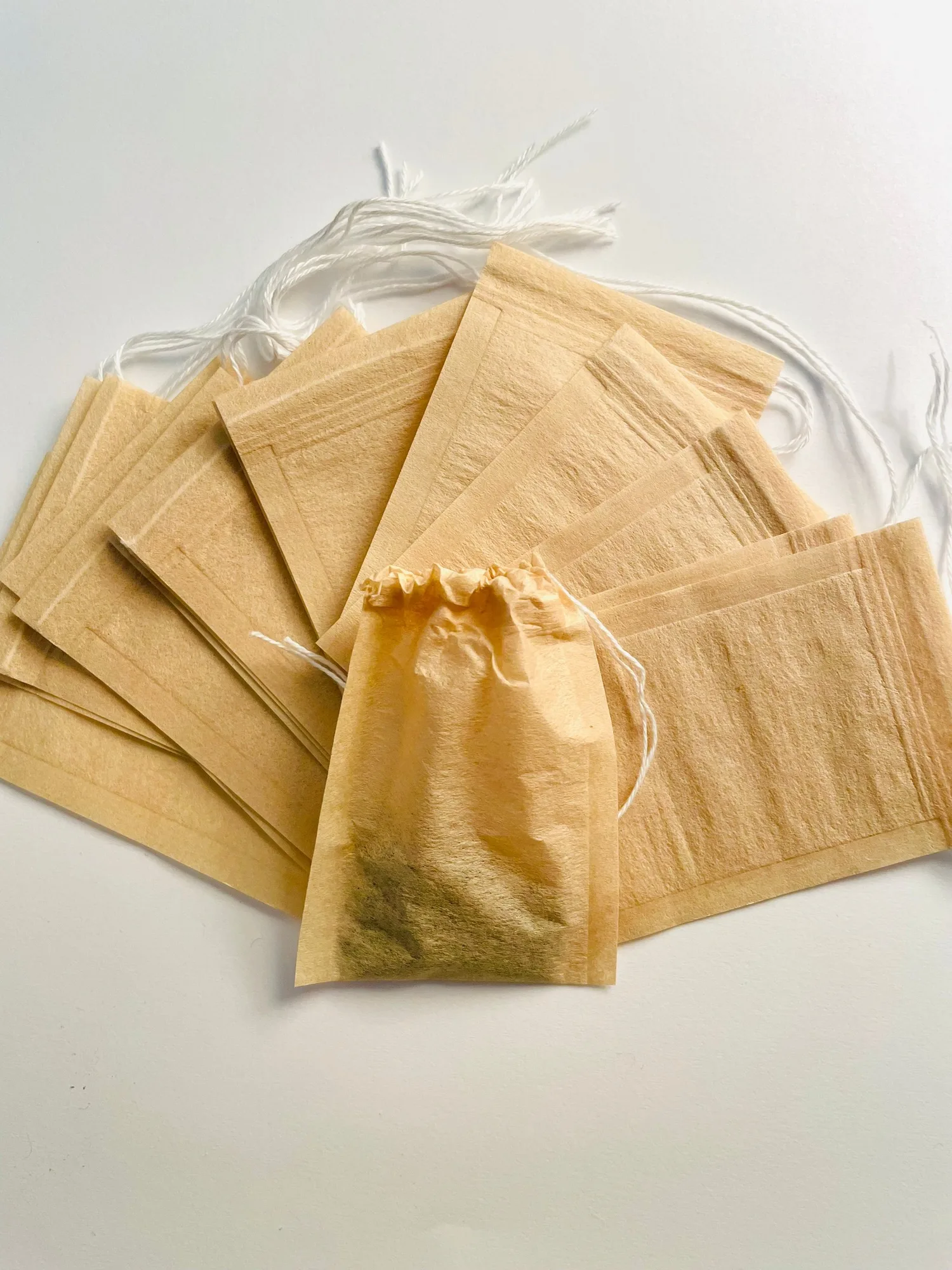
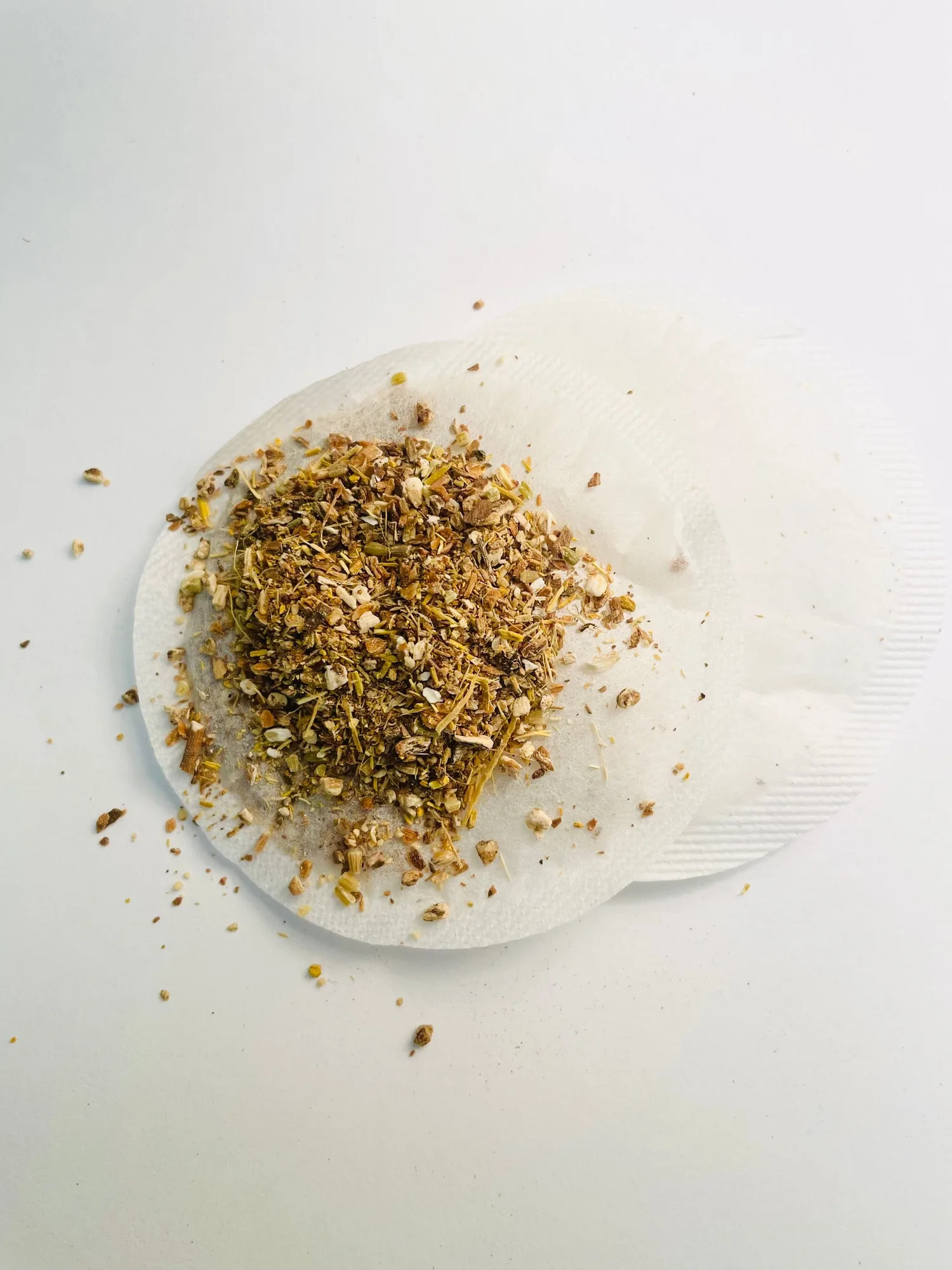
- Liver Cleanse Organic (Tea Bags): Ingredients: Organic burdock root, organic dandelion root, organic milk thistle seed, organic barberry root, organic fennel seed, organic licorice root, and organic ginger root. Includes 15 tea bags. While not a turmeric tea, this blend supports liver health, which plays a key role in the body's natural detoxification and inflammatory response. Combining it with turmeric tea could offer complementary benefits.
Turmeric tea is a delightful, caffeine-free way to incorporate curcumin's antioxidant benefits into your day. While it won't replace medical treatments, it can support your body's natural defenses when part of a healthy lifestyle. Choose an organic blend like Turmeric Cinnamon Spice Tea to enjoy the full flavor and potential wellness perks.