What Makes a Scalp Itchy?
An itchy scalp is often a sign that something is disrupting the skin's natural balance. Common triggers include dandruff, seborrheic dermatitis, psoriasis, or simply a dry environment. The yeast Malassezia plays a central role in dandruff and seborrheic dermatitis, leading to flaking, redness, and persistent itching.
While occasional itching is normal, persistent discomfort may point to an underlying scalp condition that benefits from targeted treatment.
Ketoconazole Shampoo at a Glance
-
Sons Ketoconazole Anti-Dandruff Treatment Shampoo. Treats & Prevents Dandruff, Itchy Scalp, Seborrheic Dermatitis & Psoriasis. 1 x 60ml: Sons Ketoconazole is an anti-dandruff treatment shampoo that targets Malassezia, the yeast behind dandruff and seborrhoeic dermatitis. It directly addresses a primary cause of itching, rather than just masking symptoms.
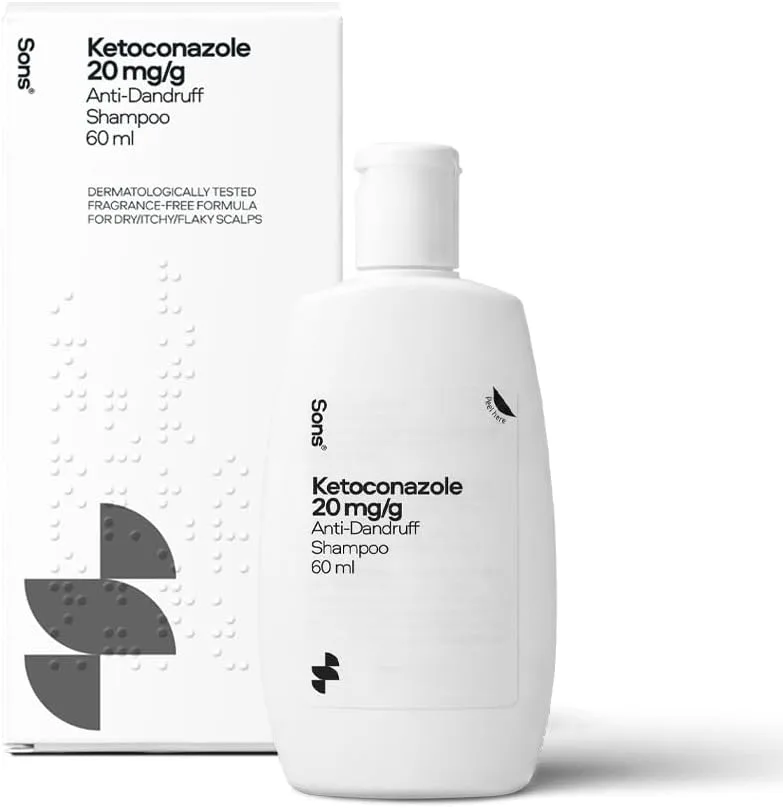
Sons Ketoconazole Anti-Dandruff Treatment Shampoo. Treats & Prevents Dandruff, Itchy Scalp, Seborrheic Dermatitis & Psoriasis. 1 x 60ml
-
Sons Ketoconazole Anti-Dandruff Treatment Shampoo. Treats & Prevents Dandruff, Itchy Scalp, Seborrheic Dermatitis & Psoriasis. 1 x 60ml: Apply to wet hair, massage into scalp, leave 3–5 mins, then rinse. Use twice weekly for 2–4 weeks for dandruff/seborrhoeic dermatitis, then once every 1-2 weeks to stop symptoms coming back. The leave-in time and frequency are designed to let the active ingredient work effectively without overuse.
-
Sons Ketoconazole Anti-Dandruff Treatment Shampoo. Treats & Prevents Dandruff, Itchy Scalp, Seborrheic Dermatitis & Psoriasis. 1 x 60ml: Helps relieve itching, redness and scaling, with visible scalp improvement in 2–4 weeks. It sets realistic expectations: improvement takes consistent use, not a single wash.
How Ketoconazole Shampoo Helps an Itchy Scalp
Ketoconazole is an antifungal ingredient that reduces the yeast population on the scalp. By controlling Malassezia, it helps calm the inflammation that causes itching and flaking. The Sons Ketoconazole shampoo is formulated for men and is suitable for dandruff and seborrheic dermatitis.
For best results, use it as a treatment rather than a daily shampoo. The recommended schedule—twice weekly for the first month, then less often—helps maintain scalp health without stripping natural oils.
Other Factors That Can Contribute to Itching
Even with an effective shampoo, other habits or conditions can keep a scalp itchy. Consider these possibilities:
- Overwashing or underwashing: Too much washing can dry the scalp; too little can allow oil and dead skin to build up. Finding a balanced routine matters.
- Product buildup: Styling products, hard water, or leftover conditioner can irritate the scalp. A clarifying wash occasionally may help.
- Environmental factors: Dry air, cold weather, or indoor heating can strip moisture. A humidifier or scalp-friendly moisturizer might reduce irritation.
- Underlying skin conditions: Psoriasis or contact dermatitis may require different treatments. If itching persists despite ketoconazole, consult a dermatologist.
What the Catalog Does Not Settle
The supplied records do not confirm whether ketoconazole shampoo is safe for daily use or suitable for all skin types. They also do not provide specific guidance for combining it with other hair loss treatments like minoxidil or finasteride. If you have a sensitive scalp or are using multiple products, start with the twice-weekly schedule and monitor your skin's response.