When the seasons change or allergens fill the air, many of us reach for over-the-counter cough syrups and decongestants. But there's a growing interest in botanical alternatives that have been used for centuries. One such herb is English ivy (Hedera helix), and its leaf extract is gaining attention as a natural option for respiratory support.
In this review, we'll explore what ivy extract is, how it works, and what to look for when choosing an English ivy supplement. Whether you're dealing with a stubborn cough or just want to support your lungs, ivy leaf extract might be the gentle, plant-based answer you've been seeking.
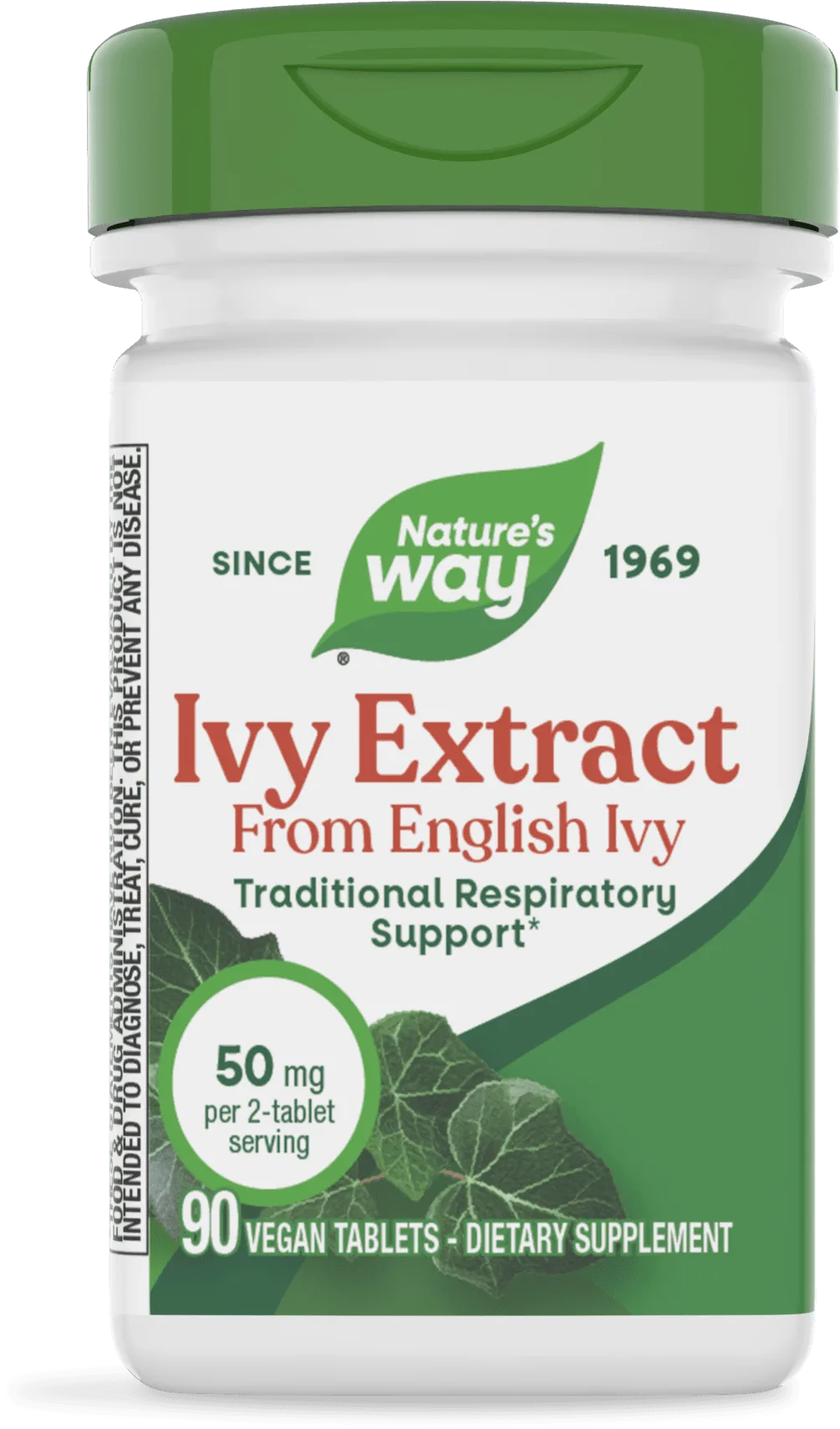
What Is https://natureswaybx.com/products/ivy-extract-from-english-ivy-384707Ivy Extract From English Ivy?
English ivy is a climbing vine native to Europe and Western Asia, often seen covering walls and trees. While it's a familiar ornamental plant, its leaves contain active compounds called saponins, particularly hederacoside C and alpha-hederin. These compounds are believed to be responsible for the herb's expectorant and mucolytic properties, helping to thin mucus and make it easier to cough up.
Ivy leaf extract has been used in traditional European medicine for respiratory conditions like coughs, bronchitis, and asthma. Modern research has explored its potential to relax bronchial muscles and reduce inflammation, which may help ease breathing. This makes it a popular ingredient in natural cough remedies and respiratory formulas.
- Active compounds: saponins like hederacoside C
- Traditional use: respiratory support for centuries
- Modern applications: cough relief, bronchial health
Ivy Leaf Extract Benefits for Lungs and Coughs
One of the most well-documented benefits of ivy leaf extract is its ability to relieve coughs. It works as an expectorant, helping to loosen and expel mucus from the airways, which can be especially helpful for productive coughs. Some studies suggest it may also reduce cough frequency and severity, making it a natural alternative to synthetic cough suppressants.
Beyond coughs, ivy extract is often used to support overall lung health. Its anti-inflammatory properties may help soothe irritated airways, while its antispasmodic effects can relax bronchial muscles, potentially easing breathing in conditions like asthma or bronchitis. For those seeking a natural approach to respiratory wellness, ivy leaf extract offers a gentle yet effective option.
- Supports natural mucus clearance
- May help soothe irritated airways
- Traditional use for bronchial health
How to Choose an English Ivy Supplement
When shopping for an English ivy supplement, quality matters. Look for products that specify the amount of ivy leaf extract and standardize it to contain a consistent level of active saponins. This ensures you're getting a potent and reliable dose. Also, check the form—liquid extracts, capsules, and syrups are common, and your choice may depend on personal preference or convenience.
It's also wise to consider the brand's reputation and third-party testing. Some supplements combine ivy extract with other respiratory-supporting herbs like thyme or marshmallow root, which can enhance its benefits. For example, a product like Umcka® Cold & Flu Relief Syrup, while not ivy-based, offers a natural cold and flu option that may complement your respiratory routine. Always read labels carefully and consult with a healthcare provider if you have underlying conditions or are taking other medications.
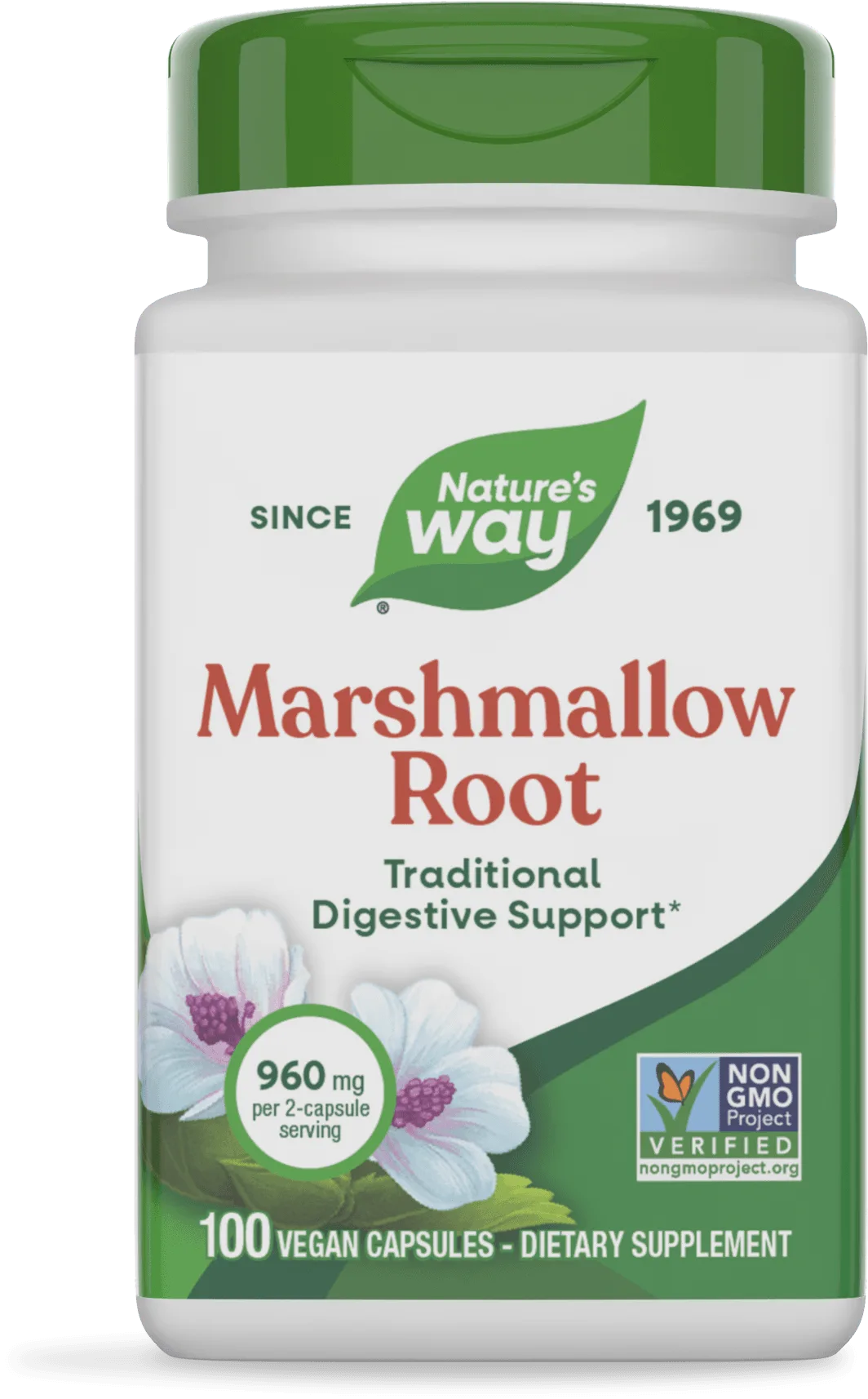
marshmallow root
- Look for standardized extracts with active saponins
- Choose a form that fits your lifestyle: capsules, liquids, or syrups
- Consider combination formulas with complementary herbs
Potential Side Effects and Precautions
Ivy leaf extract is generally well-tolerated when taken as directed, but some people may experience mild side effects like stomach upset or nausea. Allergic reactions are rare but possible, especially if you're sensitive to plants in the Araliaceae family. If you have a history of allergies, start with a low dose to see how your body responds.
Pregnant or breastfeeding women should avoid ivy supplements unless advised by a healthcare professional, as safety data is limited. Also, if you have a chronic respiratory condition like asthma, it's important to use ivy extract under medical supervision, as it may interact with other treatments. Always follow the recommended dosage on the product label and don't exceed it.
- Start with a low dose to check tolerance
- Avoid during pregnancy and breastfeeding unless medically approved
- Consult your doctor if you have chronic respiratory issues
Our Take: Is English Ivy Extract Worth Trying?
For those looking for a natural cough remedy or respiratory support, ivy leaf extract is a promising option backed by traditional use and emerging research. Its ability to ease coughs and support lung health makes it a valuable addition to your wellness toolkit, especially during cold and flu season.
While more research is needed to fully understand its mechanisms, many people find relief with ivy supplements. As with any herbal product, quality and correct usage are key. If you decide to try it, choose a reputable brand and consider combining it with other natural respiratory supports like a quality probiotic to maintain overall immune health. For a convenient and trusted option, you might explore the Umcka® Cold & Flu Relief Syrup from Nature's Way, though it's not ivy-based, it's another natural choice for cold and flu symptoms.
English ivy extract offers a natural, time-honored approach to respiratory support. Whether you're dealing with a persistent cough or simply want to maintain healthy lungs, an English ivy supplement could be a gentle and effective addition to your daily routine. Always choose high-quality products and consult your healthcare provider if you have any concerns. Explore Nature's Way's range of respiratory and wellness supplements to find the right fit for you.