Quick answer
For most printed jacquard webbing, spot clean with cool water and mild soap, then air dry away from direct sun or heat. If the color has already faded or the print is worn, cleaning will not restore it, so replace the strap rather than trying to treat it.
Printed jacquard webbing adds personality to bag straps, key fobs, and handles, but those bold patterns can lose their punch if you treat them like plain nylon. The weave and print respond differently to water, heat, and friction, so a little care keeps them looking new.
This guide covers common problems, what causes them, and what you can realistically fix. You will also find honest limits so you know when to adjust your habits and when to swap the webbing out.
Why printed jacquard webbing needs different care
Jacquard webbing is woven with a pattern built into the structure, and many styles also have a printed design on top. That combination makes it more decorative than solid webbing, but also more sensitive to abrasion and heat. The polyester fibers are durable, yet the print sits on the surface and can wear away with rough handling.
Unlike plain webbing, you cannot hide a faded section by flipping it over. The pattern is the point. That means your cleaning routine should focus on gentle spot treatment rather than scrubbing or machine washing, which can dull colors and distort the weave.
- Always test any cleaning method on a small hidden area first.
- Avoid hot water, bleach, and fabric softener, which can break down fibers or set stains.
Symptom: the print looks dull or faded
If your webbing looks washed out, the cause is usually UV exposure or repeated rubbing against rough surfaces. Sunlight fades dye over time, and friction from buckles, zippers, or bag edges can wear the print away. Once the color is gone, no cleaner will bring it back.
To prevent fading, store bags out of direct sun and avoid leaving straps pressed against hot car interiors. If the fade is mild and even, you can keep using the webbing, but if the pattern is patchy, replacement is the only real fix.
- Rotate bags so one strap does not take all the sun.
- Choose a solid webbing for high-wear areas if fading is a recurring problem.
Symptom: stains or dirt trapped in the weave
Dirt and oils can settle into the textured surface of jacquard webbing. For most stains, mix a drop of mild dish soap with cool water, dab with a soft cloth, and rinse by pressing a clean damp cloth over the area. Do not scrub aggressively, as that can fuzz the weave.
For oily marks, a tiny amount of gentle degreaser on a cloth can help, but rinse thoroughly. If the stain has been set by heat or time, it may not come out completely. In that case, consider a decorative patch or replace the strap.
- Work from the outside of the stain inward to avoid spreading it.
- Air dry flat; do not wring or twist the webbing.
Symptom: webbing feels stiff or rough after cleaning
Some webbing stiffens if it is soaked or washed with harsh detergent. The weave can also roughen if it was agitated in a machine. To soften, rinse in cool water with a tiny amount of hair conditioner, then air dry. This is a temporary fix and may need repeating.
If the webbing remains stiff, it may be due to the finish wearing off. In that case, the strap will not feel comfortable against skin or clothing. Replacing it with a new length is usually more satisfying than trying to restore the hand feel.
- Never put jacquard webbing in a dryer; heat can shrink or melt the print.
- Hang to dry in a well-ventilated area away from direct heat.
Symptom: edges fray or the print peels
Fraying at the cut edge is normal for woven webbing, but if the print itself is peeling, that points to a manufacturing defect or extreme abrasion. You can seal cut ends with a hot knife or fray check, but peeling print cannot be reattached reliably.
If the peeling is limited to the very end, you can trim it back and reseal. If it runs along the strap, the webbing is compromised and should be replaced. For bag straps that get heavy use, consider a solid webbing or a jacquard with a tighter weave.
- Seal cut ends immediately after cutting to prevent unraveling.
- Avoid using a lighter directly on printed areas; it can scorch the pattern.
Care diagnosis: when to clean, when to replace
- Light surface dirt: Spot clean with cool water and mild soap, then air dry. Safe for most printed jacquard webbing; test a hidden area first.
- Faded or worn print: UV exposure or friction has removed color; cleaning will not restore it. Replace the strap if the fade is noticeable or patchy.
- Stiff or rough texture: Try a cool water rinse with a dab of hair conditioner, then air dry. If it stays stiff, the finish is likely gone; replace for comfort.
- Peeling print: The print layer is separating from the weave; this is not repairable. Trim and reseal only if limited to the end; otherwise replace.
Products that hold up to care routines
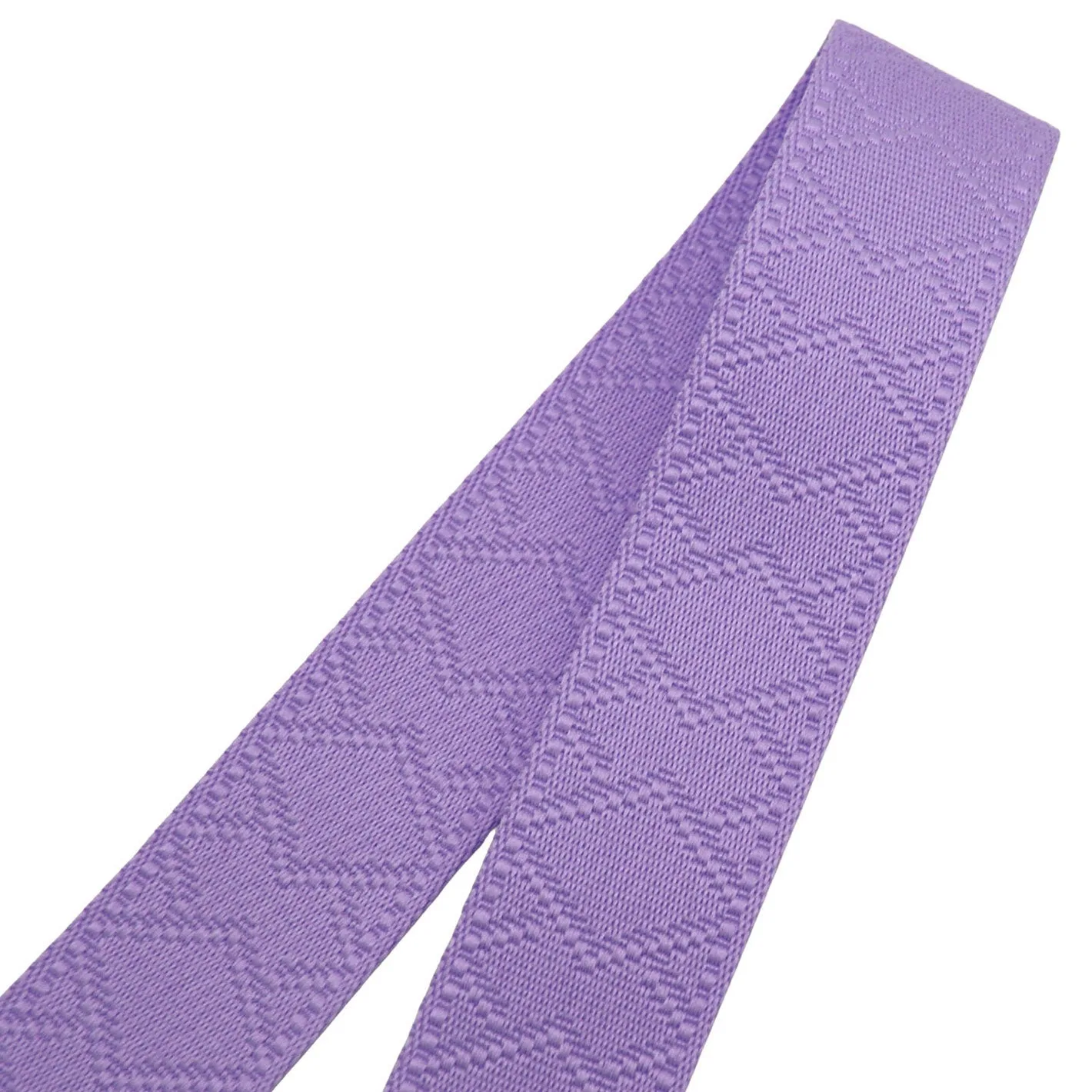
- Easter Egg - Diamond Jacquard Webbing: Made from quality polyester, it's designed to feel comfortable and withstand time. Polyester resists stretching and dries quickly, so it handles gentle spot cleaning better than natural fibers.
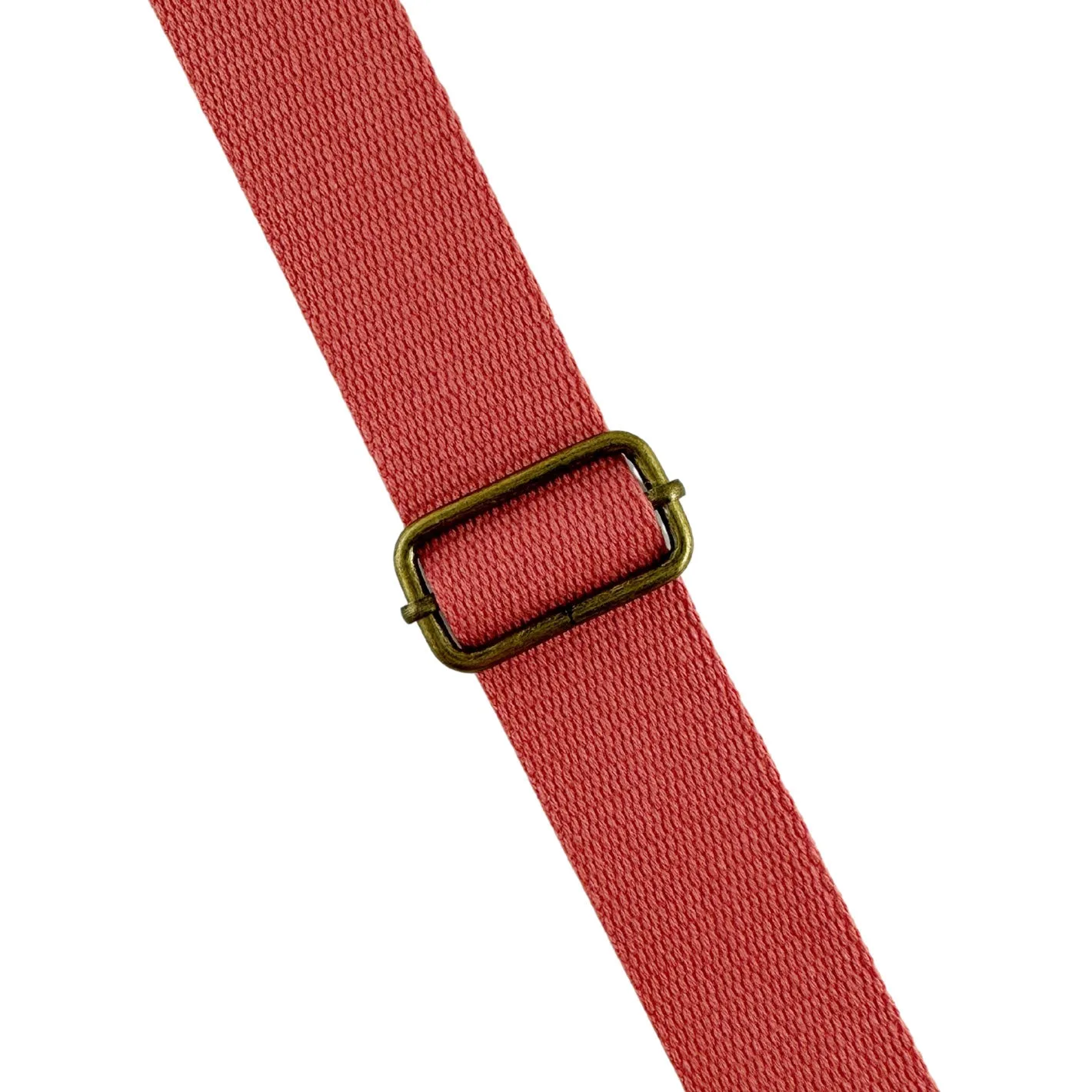
- Fire Brick - Cotton Webbing: Enjoy working with pure, 100% cotton unlike most polyester/cotton blends on the market. Cotton webbing may fade or shrink more than polyester, so it needs extra care with water temperature and drying.
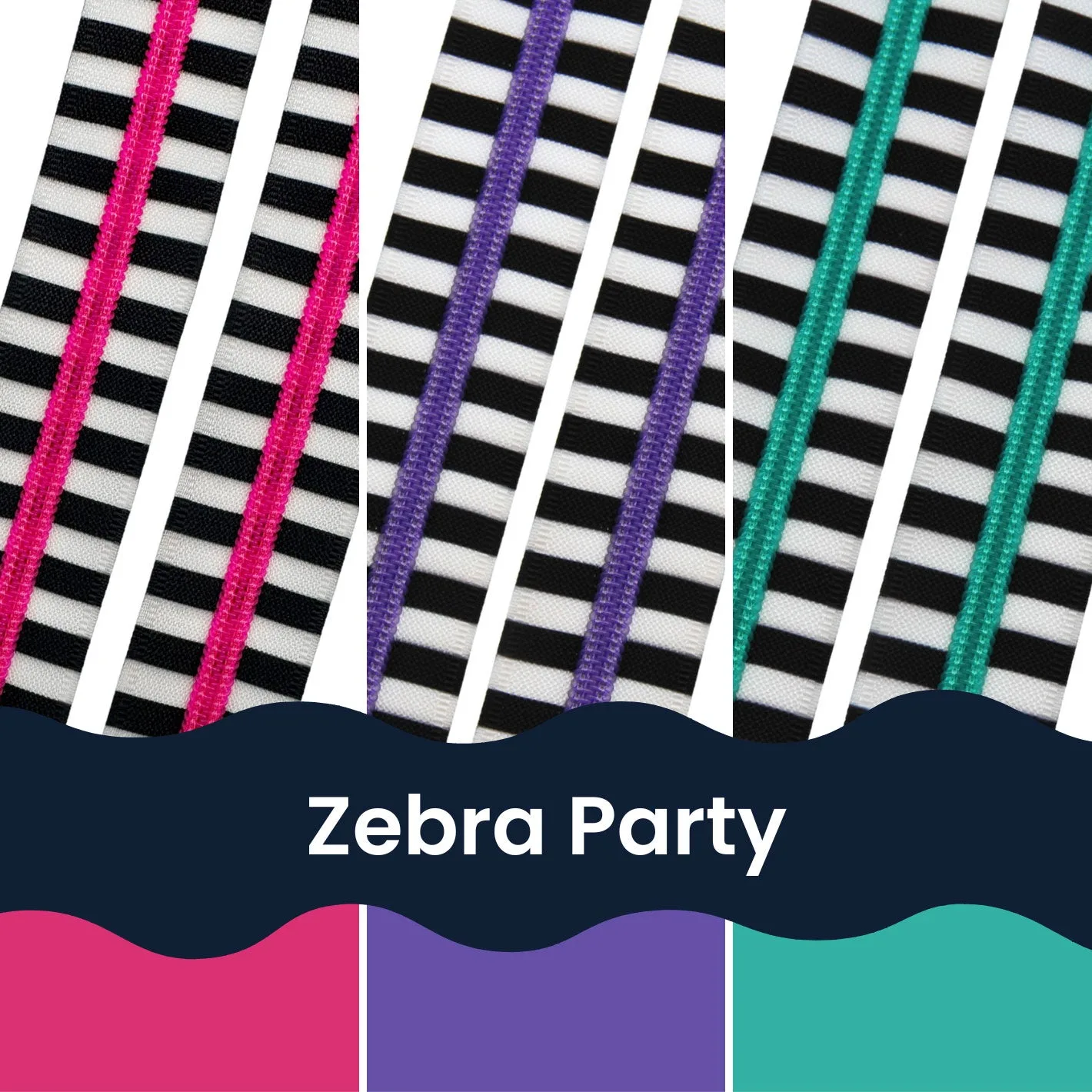
- Zebra Party - Zipper Tape Bundle: Our zipper tape is durable, smooth-gliding, and built to look as good as it performs. Matching your webbing care to your zipper tape care keeps the whole bag looking consistent after cleaning.
Jacquard webbing rewards gentle handling. Spot clean, air dry, and keep it out of harsh sun and heat, and your printed straps will stay bright for many bags to come. When the pattern fades or peels, treat it as a sign to swap in a fresh length rather than fighting a losing battle.