Quick answer
Factory shrink wrap is a useful signal, not a certificate. It shows the box was sealed at some point, but it cannot prove who sealed it or whether the packs inside are untouched. Buy sealed from a seller who states the wrap condition, check the wrap and seams yourself, and treat a low price on a perfectly wrapped box as a reason to slow down, not celebrate.
What factory shrink wrap actually proves
Shrink wrap is a packaging step, not a grading step. A sealed Japanese Pokemon booster box tells you the outer carton has not been opened since it was wrapped, which protects the packs from light, dust, and casual handling. It does not tell you the box left the printer in that exact state, because resealing equipment is widely available.
This is why 'sealed' and 'authentic' are separate questions. Sealed answers whether the box is closed. Authentic answers whether the box, packs, and wrap match the release. You need both, and wrap alone only answers the first.
How to inspect the wrap in under two minutes
Start with the seams. Factory wrap on Japanese booster boxes usually has clean, even folds at the corners and a consistent tightness across the face. Loose, cloudy, or wrinkled wrap with visible tape residue is a warning sign. Then check the print: Japanese boxes carry a printed barcode and set code, and the wrap should not obscure or distort them.
Next, look for rewrap tells. A hairline of trapped dust, a seam that runs diagonally instead of following the box edge, or a heat mark that looks melted rather than smooth all suggest the box was opened and rewrapped. Finally, compare weight by hand if you have a reference box; a box that feels noticeably light for its pack count deserves a closer look.
- Even, tight corners with no tape residue
- Barcode and set code readable through the wrap
- No diagonal seams, melted heat marks, or trapped dust
- Weight feels consistent with the stated pack count
Sealed vs opened: when each makes sense
A sealed box is the right choice when you plan to hold it, display it, or resell it later, because the wrap preserves the condition story. An opened box is the right choice when you actually want to open packs, because you are not paying a premium for packaging you will destroy. The gap between the two prices is the real decision, not the wrap itself.
For older sets, opened boxes are often the only practical way to get packs at a reasonable price. For new releases, the sealed premium is usually small enough that buying sealed and opening it yourself is the safer path.
Reading a listing before you buy
Listings that mention wrap condition, storage, and any carton damage are giving you information you can act on. Listings that only say 'sealed' are asking you to trust a word. Ask the seller directly whether the wrap is factory or replaced, whether the box has been stored upright, and whether the outer carton has dents.
One practical detail: a factory-sealed case protects its inner boxes better than a single loose box, because the case carton absorbs handling. If you are buying to hold, a case removes some of the wrap-inspection guesswork. If you are buying to open, a single box is the lower-risk commitment.
Decision rules for buying sealed Japanese boxes
- If the wrap looks uneven or cloudy: Treat it as an opened box unless the seller explains the wrap condition and the price reflects it. Walk away or negotiate down to opened-box pricing.
- If you are holding for years: Buy factory sealed and prefer a case over a single loose box, because the case carton absorbs handling and keeps the wrap intact. Pay the sealed premium only when you are not opening it.
- If you are opening packs this week: An opened or unwrapped box is usually the better value, since you are not paying for packaging you will cut through. Skip the sealed premium and spend it on more packs.
- If the price is far below market for a sealed box: Slow down and inspect the seams, barcode, and weight before paying. A bargain on perfect wrap is the most common reseal pattern. Ask for extra photos of the corners and seams.
Product facts
- 【Yu-Gi-Oh】LIMIT OVER COLLECTION -THE RIVALS- (LOCR) Japanese Booster Box - With Shrink: Yu-Gi-Oh LIMIT OVER COLLECTION -THE RIVALS- (LOCR) Japanese booster box, 1 box = 15 packs, 1 pack = 4 cards, release date 2026/03/23, listed with shrink. A recent Japanese release with a stated shrink condition, so you can compare the sealed premium against a box you intend to open.
- 【Pokemon Card】Mega Dream ex (M2a) Japanese Booster Box - case: Pokemon Card Mega Dream ex (M2a) Japanese booster box case, 1 case = 20 boxes, 1 box = 10 packs, 1 pack = 10 cards, release date 2025/11/28, with factory sealed and without shrink wrap options. The case format reduces per-box handling, and the two options let you choose between paying for factory wrap or accepting an unwrapped box at a lower commitment.
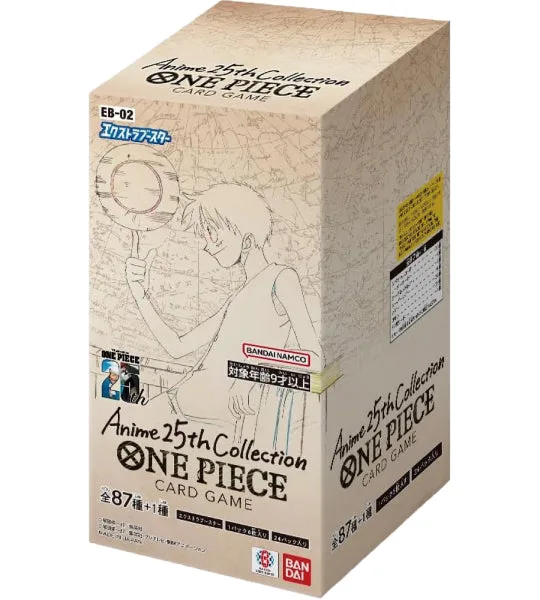
- 【ONE PIECE Card】ADVENTURE ON GOD’S ISLAND (OP-15) Japanese Booster Box: ONE PIECE Card ADVENTURE ON GOD'S ISLAND (OP-15) Japanese booster box, 1 box = 24 packs, 1 pack = 6 cards, release date 2026/02/28, case option factory sealed. A current One Piece release where the case option gives you the strongest seal story if you are holding rather than opening.
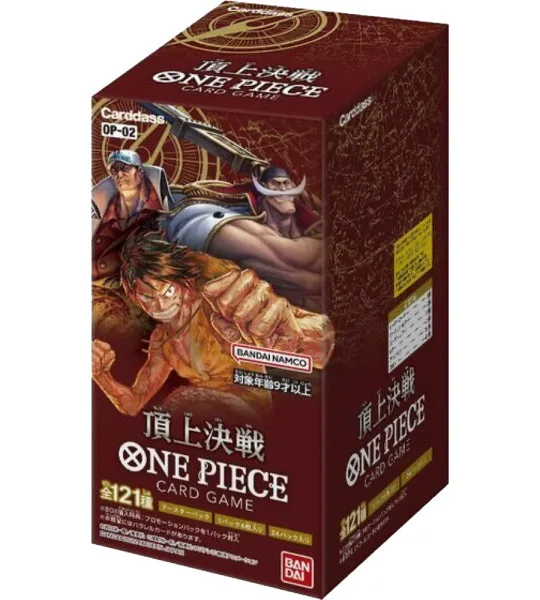
- 【ONE PIECE Card】TWO LEGENDS (OP-08) Japanese Booster Box: ONE PIECE Card TWO LEGENDS (OP-08) Japanese booster box, 1 box = 24 packs, 1 pack = 6 cards, release date 2024/05/25, case option factory sealed. An older set where opened or unwrapped boxes are often the more sensible buy if your goal is to open packs rather than hold sealed product.
Who should buy sealed, and who should not
Best for
- Collectors holding Japanese Pokemon or One Piece boxes for future value
- Buyers who want the strongest condition story for display or resale
- Shoppers willing to inspect wrap and ask sellers direct questions
Not for
- Players who plan to open every pack immediately
- Buyers who cannot verify wrap condition before paying
- Shoppers chasing the lowest possible price per pack