Quick answer
Empty your canister completely, wipe it with a dry soft cloth, and leave it open to air for a few hours before refilling. Wash only when needed, using a barely damp cloth and mild soap, then dry every surface fully. Never soak the canister or put it in the dishwasher.
What a double-seal canister does for freshness
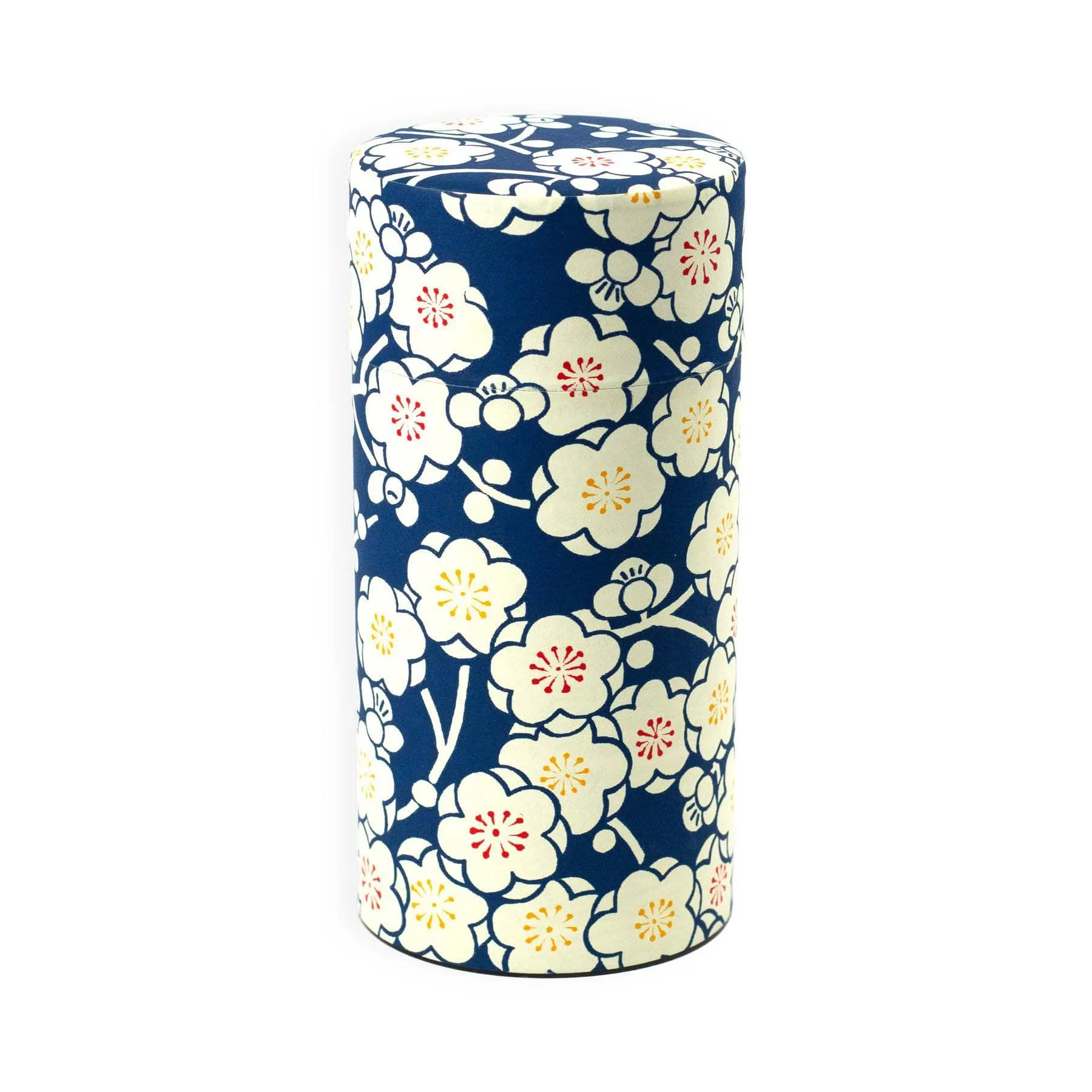
The inner plastic lid on a Japanese tea canister creates a double seal that limits the air reaching your tea. That matters because loose leaf tea loses aroma and takes on moisture every time the lid comes off. A quick wipe of the inner lid rim after each refill keeps that seal working. If you store tea near the stove or a sunny window, even a good seal will not fully protect the leaves from heat and light.
How often to clean versus just air out
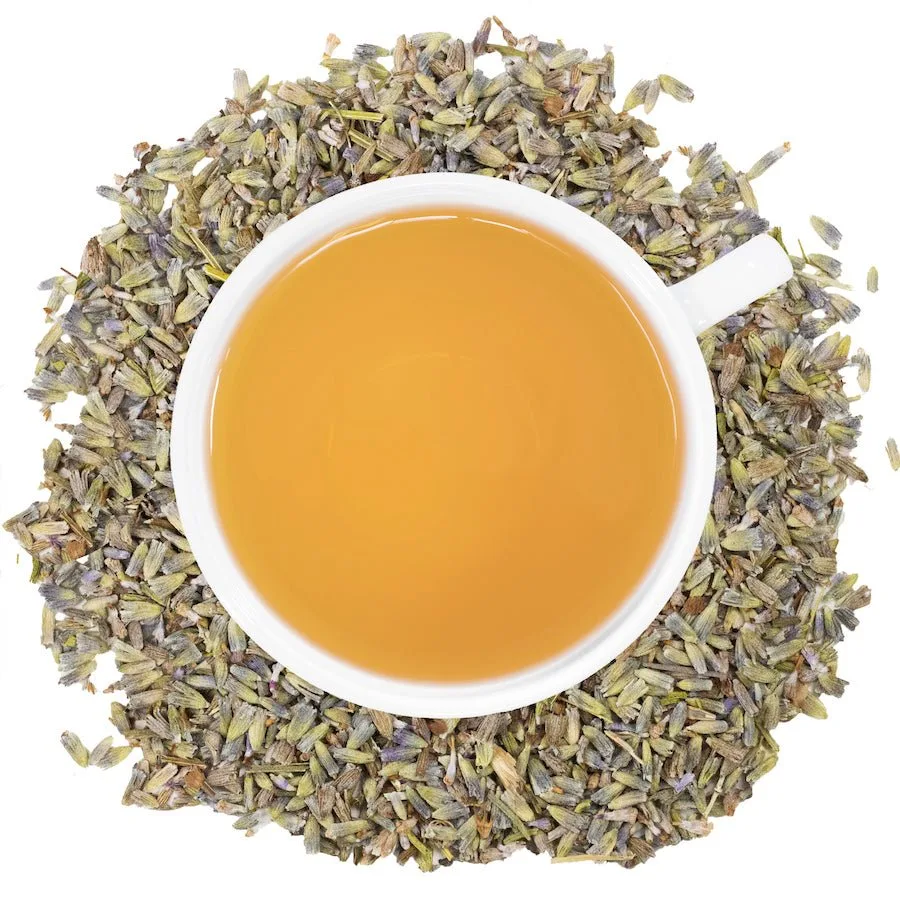
A dry wipe and a short airing is enough between most refills. Wash the canister only when you switch tea types, when you notice a stale smell, or when fine tea dust builds up in the corners. Frequent washing is not necessary and can wear down the finish. If you use the canister for a strongly scented tea like Organic Lavender, plan to wash before moving to a milder tea so the floral note does not carry over.
Organic Lavender
Drying is the step most people rush
Any trapped moisture inside a canister will make tea leaves clump and go stale faster. After washing, dry the inside with a clean cloth, then leave the canister and its inner lid open on a drying rack until no cool feeling remains when you touch the inside. Do not put the lid back on a damp canister, even for a short time.
Step-by-step canister care
- Empty and dry-wipe first: Tip out all tea leaves and shake loose dust into the bin. Wipe the inside with a dry, soft cloth. Do not rinse yet. Checkpoint: no visible tea dust or leaf fragments remain in the corners.
- Wash only when needed: For odor or a tea-type switch, use a barely damp cloth with a drop of mild dish soap. Wipe the interior and the inner lid, then wipe again with a clean damp cloth to remove soap residue. Common mistake: soaking the canister or putting it in the dishwasher, which can damage the finish and the seal.
- Air-dry fully before refilling: Leave the canister and inner lid open on a drying rack until the inside feels completely dry and room temperature. Do not speed this up with a hair dryer or a hot oven. Checkpoint: touch the inside. If it feels cool or damp, keep drying.
- Deodorize if a scent lingers: Place a small bowl of dry baking soda inside the open canister for a day, then brush it out. This helps with tea tin odor removal without adding moisture. Next step: if the scent remains after two tries, use that canister only for the same tea type.
- Refill and reseal: Add fresh loose leaf tea, press the inner plastic lid down firmly, then close the outer lid. Store the canister away from heat, light, and strong-smelling spices. Checkpoint: the inner lid should sit flat with no gap around the rim.
Product facts
- Japanese Tea Canister – Bliss: The Japanese Tea Canister – Bliss has a floral pattern in a serene blue color and an inner plastic lid that provides a double seal. The double seal protects tea from air, so cleaning the inner lid rim regularly keeps that protection working.