Quick Answer
If you crave quiet, solo focus and a tangible finished piece, jigsaw puzzles are your match. If you thrive on social interaction, strategy, and variable outcomes, board games offer more dynamic fun. Many hobbyists enjoy both—puzzles for winding down, board games for game nights.
Choosing between jigsaw puzzles and board games isn't about which is 'better'—it's about what you want from your leisure time. Both hobbies offer genuine benefits, but they engage your brain and your social life in very different ways. Understanding those differences helps you pick the right activity for your mood, space, and schedule.
This comparison breaks down the core trade-offs: solo versus social, static versus dynamic, and short-term versus long-term engagement. Whether you're looking to relax alone or host lively game nights, you'll find clear guidance to make the right choice.
Time and Commitment: One Session or Several?
Jigsaw puzzles are a marathon, not a sprint. A 100-piece floor puzzle can take a focused afternoon, while larger puzzles stretch over days or weeks. They reward patience and offer a continuous project you can return to. Board games, by contrast, typically deliver a complete experience in one sitting—many strategy games run 40 to 90 minutes, making them easier to schedule.
Consider your available time. If you have short, unpredictable blocks, a board game you can finish in one evening might suit you better. If you enjoy having a project that lingers on your table, a puzzle provides ongoing engagement without the pressure to finish quickly.
- Puzzles: ideal for slow, multi-session projects; board games: great for fixed game nights.
Social Dynamics: Solo Solitude vs. Group Interaction
Jigsaw puzzles are often a solo activity, though they can be collaborative. They give you quiet time to think, listen to music, or simply focus on one task. Board games, especially those designed for 2–4 players, create a shared experience filled with negotiation, competition, and laughter. They're a natural centerpiece for social gatherings.
Think about your social needs. If you use hobbies to recharge alone, puzzles offer a meditative escape. If you look forward to shared experiences, board games provide a structured way to connect with friends and family. Some board games even support solo play, but their core design usually shines with others.
- Puzzles: perfect for introverts and solo relaxation; board games: ideal for extroverts and group fun.
Mental Engagement: Pattern Recognition vs. Strategic Thinking
Jigsaw puzzles exercise your visual-spatial skills and attention to detail. Matching colors, shapes, and patterns is a low-stress cognitive workout that can improve concentration and memory. Board games, especially strategy titles, challenge your planning, resource management, and adaptability. They often simulate complex systems, from evolution to aviation history.
Both hobbies keep your mind sharp, but in different ways. Puzzles are more about systematic observation and patience, while board games demand dynamic decision-making and often a bit of risk assessment. Choose based on the kind of mental challenge you find most rewarding.
- Puzzles: gentle cognitive exercise; board games: strategic problem-solving and adaptability.
Space and Storage: Table Footprint vs. Shelf Collection
Jigsaw puzzles require a dedicated table or floor space for the duration of the project. A 4-foot-long floor puzzle, for instance, needs a sizable area. Once finished, you either frame it or pack it away. Board games, on the other hand, occupy a shelf but only need table space while playing. They're easier to store and pull out on demand.
Assess your living space. If you have a spare table that can stay covered for days, puzzles work well. If you need to clear your space quickly, board games are more practical. Some puzzle enthusiasts use roll-up mats to pause and store their work, but that adds cost and effort.
- Puzzles: need long-term table space; board games: compact storage between sessions.
Trade-Offs at a Glance
- Solo vs. Social: Puzzles are naturally solo or small-group; board games are designed for 2-5 players and foster interaction. Choose puzzles for personal time, board games for social gatherings.
- Fixed vs. Variable: A puzzle has one correct outcome; board games offer branching strategies and replayability. If you enjoy solving a defined problem, pick puzzles. If you like exploring different paths, pick board games.
- Space vs. Storage: Puzzles need ongoing table space; board games store compactly and only require space during play. Consider your available surface area before committing to a large puzzle.
- Time Investment: Puzzles can take hours or days; board games typically finish in one session. Match the activity to your schedule and patience level.
Real-World Examples: Genius Games Options
- Bundle - Tyrannosaurus Rex, Triceratops & Ankylosaurus Jigsaw Puzzle - 4FT Double Sided Glow in the DarkFloor Puzzle: This bundle contains three 100-piece puzzles, each double-sided with artwork on one side and glow-in-the-dark skeletons on the other. It offers variety and a science-themed twist, perfect for kids who love dinosaurs and want a project that lasts across multiple sessions.
- On the Origin of Species - An Evolutionary Research Board Game - Charles Darwin's Trip Through the Galapagos as a Strategic Science Board Game: A 2-4 player strategy board game where players follow Darwin's voyage, examining species and uncovering discoveries. Ages 10+, 40-60 minutes. It turns scientific exploration into a competitive social experience, ideal for family game nights that spark discussion about evolution.
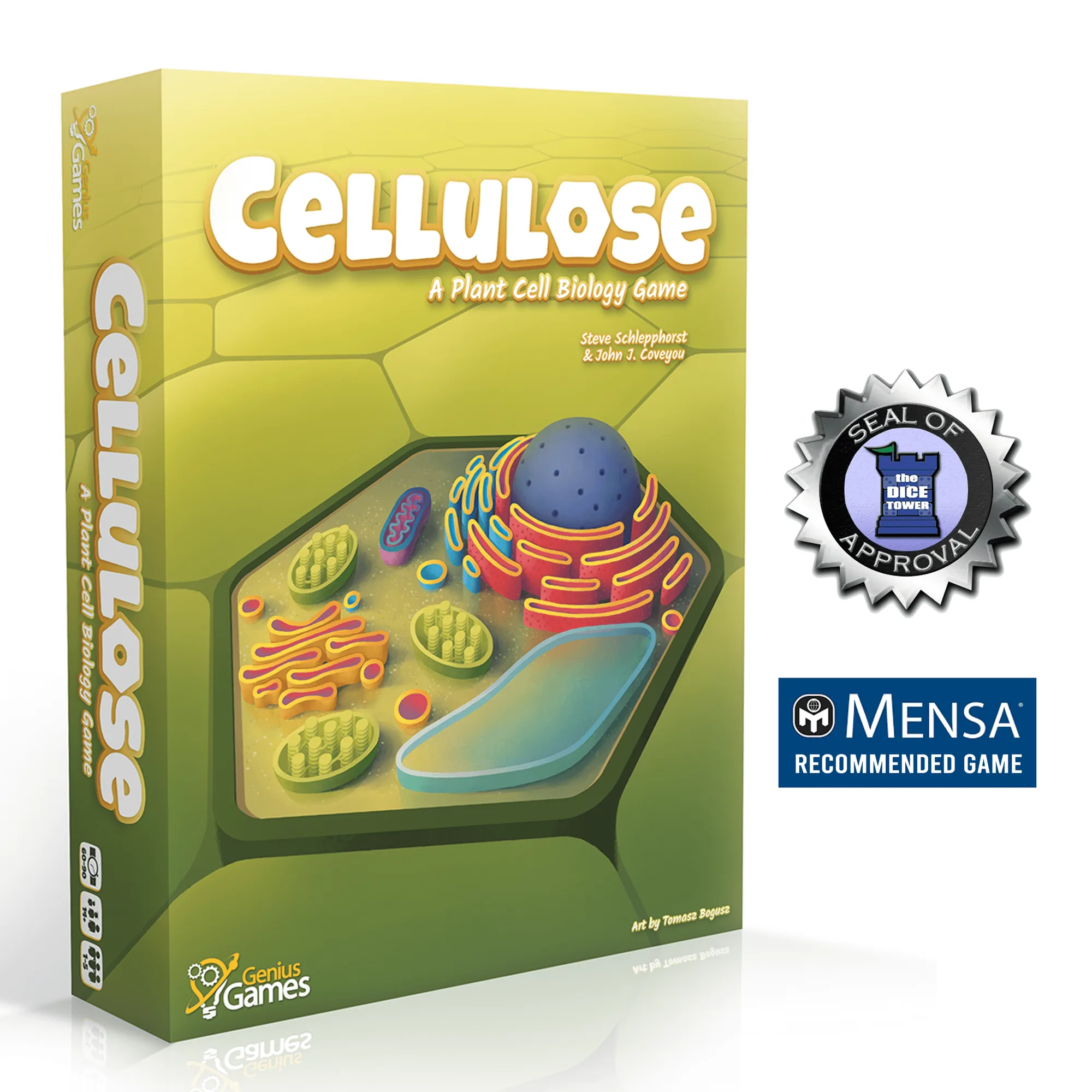
- Cellulose: A Plant Cell Biology Game | 2023 MENSA Recommended Game | Dice Tower Seal of Approval | Strategy Board Game: A 1-5 player worker placement game about photosynthesis, DNA, and biochemistry, recommended for ages 14+. Games last 60-90 minutes. It offers deep strategic play for older teens and adults, blending complex biology concepts with engaging mechanics—great for serious gamers.
Which Should You Choose?
Best For
- Quiet evenings alone or with a partner, where you want a calm, focused activity.
- People who enjoy completing a tangible project and displaying or preserving the finished piece.
Not For
- Large groups seeking lively, competitive interaction—board games serve that better.
- Those with limited table space who can't leave a puzzle out between sessions.
Ultimately, the best choice is the one that matches your personality and circumstances. Many enthusiasts find a place for both: a puzzle for solo relaxation, a board game for social nights. Start with one and see where your preference leads—you might discover a new favorite hobby.