Quick answer
For contact sports that require a hard cup, a jockstrap is the standard because it holds the cup and keeps everything locked in place. For everything else — lifting, running, cycling, hockey practices without a cup, or all-day training — a boxer brief gives you support plus coverage and holds up better under repeated wear. If you want one piece of athletic support underwear that works across most sports, start with a boxer brief; add a jockstrap only for cup-required play.
What each one actually does
A jockstrap is a waistband, two leg straps, and a front pouch. That design leaves your glutes and upper thighs exposed, which is why it feels cool and unrestricted, but it also means less fabric to manage sweat or chafing. The straps hold the pouch — and a cup, when the sport requires one — tight against the body so nothing shifts during a hit or a sprint.
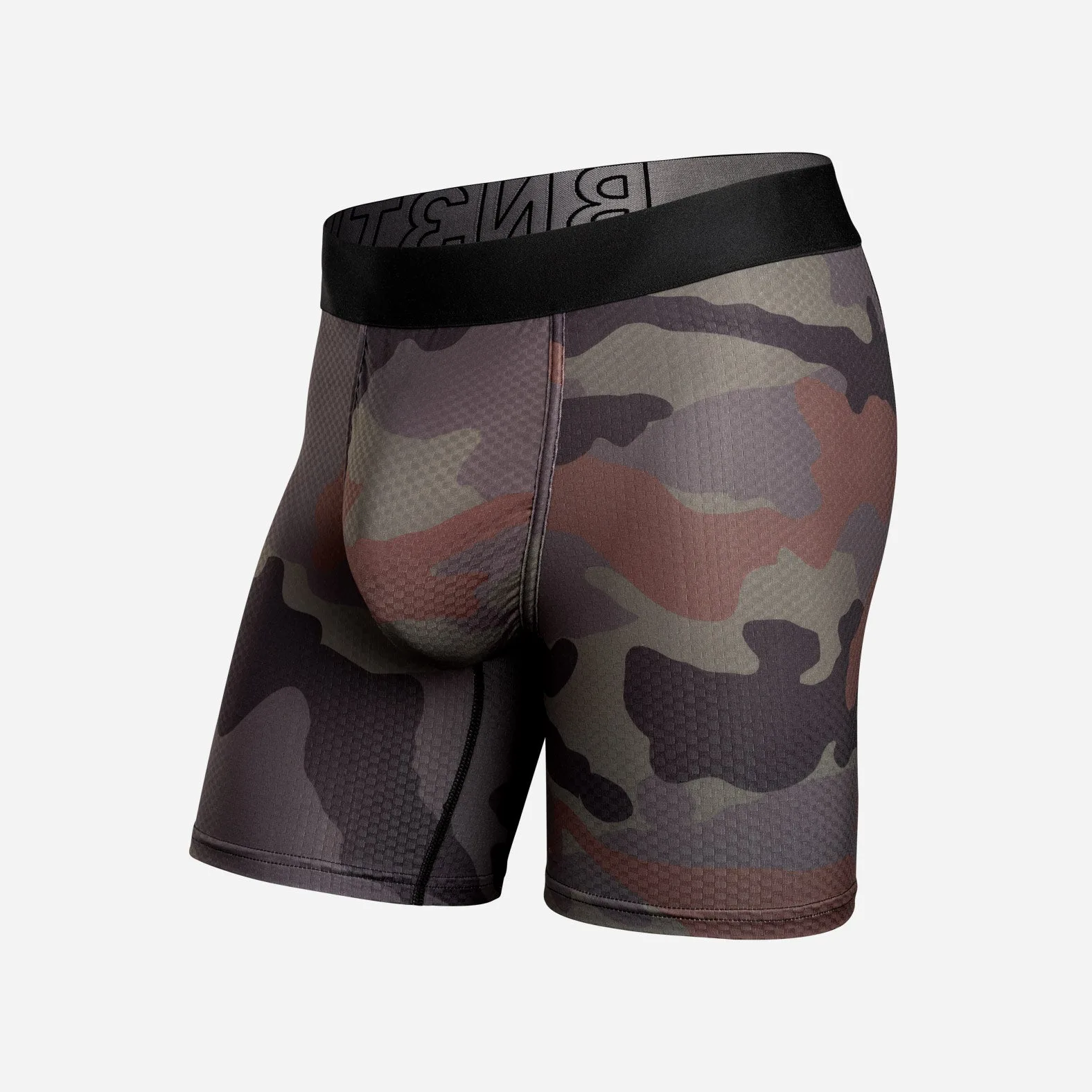
A boxer brief extends down the thigh. That extra fabric reduces friction between your legs, keeps your thighs from rubbing, and stays in place through repeated movement. For sports where you are moving constantly but not taking direct impact to the groin, the coverage is the point. A boxer brief also works as everyday underwear, so you are not buying a separate piece just for practice.
Support: locked-in vs. supported
The jockstrap's advantage is lockdown. The leg straps create tension that keeps the pouch from moving, which matters when a cup is involved — a cup that shifts is worse than no cup at all. Without a cup, that same tension can feel restrictive if you are bending, squatting, or cycling for long periods.
A boxer brief supports through fit and pouch design rather than straps. BN3TH's Original 3D Pouch, used across the Pro Flex Max, Classic Icon, Pro Ultra Liner, and Pro Agua X, separates and supports without compression. That means you get support without the strap tension, but you also do not get the cup-holding structure a jockstrap provides. If your sport mandates a cup, the boxer brief alone will not replace it.
Coverage, chafing, and sweat
Jockstraps expose the inner thighs, so if you chafe easily or play a sport with a lot of running, you may end up adding shorts or a slider to compensate. Boxer briefs cover the thigh and reduce skin-on-skin friction, which is why they are common under hockey pants, lifting shorts, and cycling bibs.
Sweat management differs too. A jockstrap dries quickly because there is less fabric, but it offers no wicking surface across the thighs. A boxer brief with a moisture-wicking fabric moves sweat away from the body, which keeps you drier during long sessions. The trade-off is simple: less fabric means more airflow, more fabric means more coverage and wicking.
Hockey jock vs boxer brief: the practical call
In hockey, the cup is non-negotiable for games and full-contact practices. Most players wear a jockstrap or a jock short with a cup pocket, then add a boxer brief or compression short underneath for coverage and chafe control. If you are skating without a cup — stickhandling, open skate, or a no-contact practice — a boxer brief alone is usually more comfortable than a jockstrap because there is nothing to hold in place.
For lifting, running, and general training, the jockstrap's lockdown is unnecessary. A boxer brief with a supportive pouch gives you the separation and support you want without strap pressure. The exception is any sport where a cup is required by rule or by contact level: there, the jockstrap is doing a job the boxer brief cannot.
Trade-offs at a glance
- Cup compatibility: A jockstrap is designed to hold a cup; a boxer brief is not. If your sport requires a cup, the jockstrap is the base layer that makes the cup work. Check your sport's rules before choosing. Cup required means jockstrap, not boxer brief.
- Coverage and chafing: A jockstrap leaves the thighs exposed, which can lead to chafing during running or skating. A boxer brief covers the thigh and reduces skin-on-skin friction. If you chafe, lean toward a boxer brief with a longer inseam.
- Everyday versatility: A boxer brief works as daily underwear and as a training base layer. A jockstrap is a sport-specific piece you change out of after the game. For one piece that covers most sports and daily wear, a boxer brief is the more flexible buy.
- Airflow vs. wicking: A jockstrap has less fabric and more airflow but no thigh wicking. A boxer brief in a moisture-wicking mesh moves sweat away but covers more skin. Hot, sweaty sessions favor a mesh boxer brief; short, high-intensity cup sports favor a jockstrap.
Boxer briefs that fit the sports role
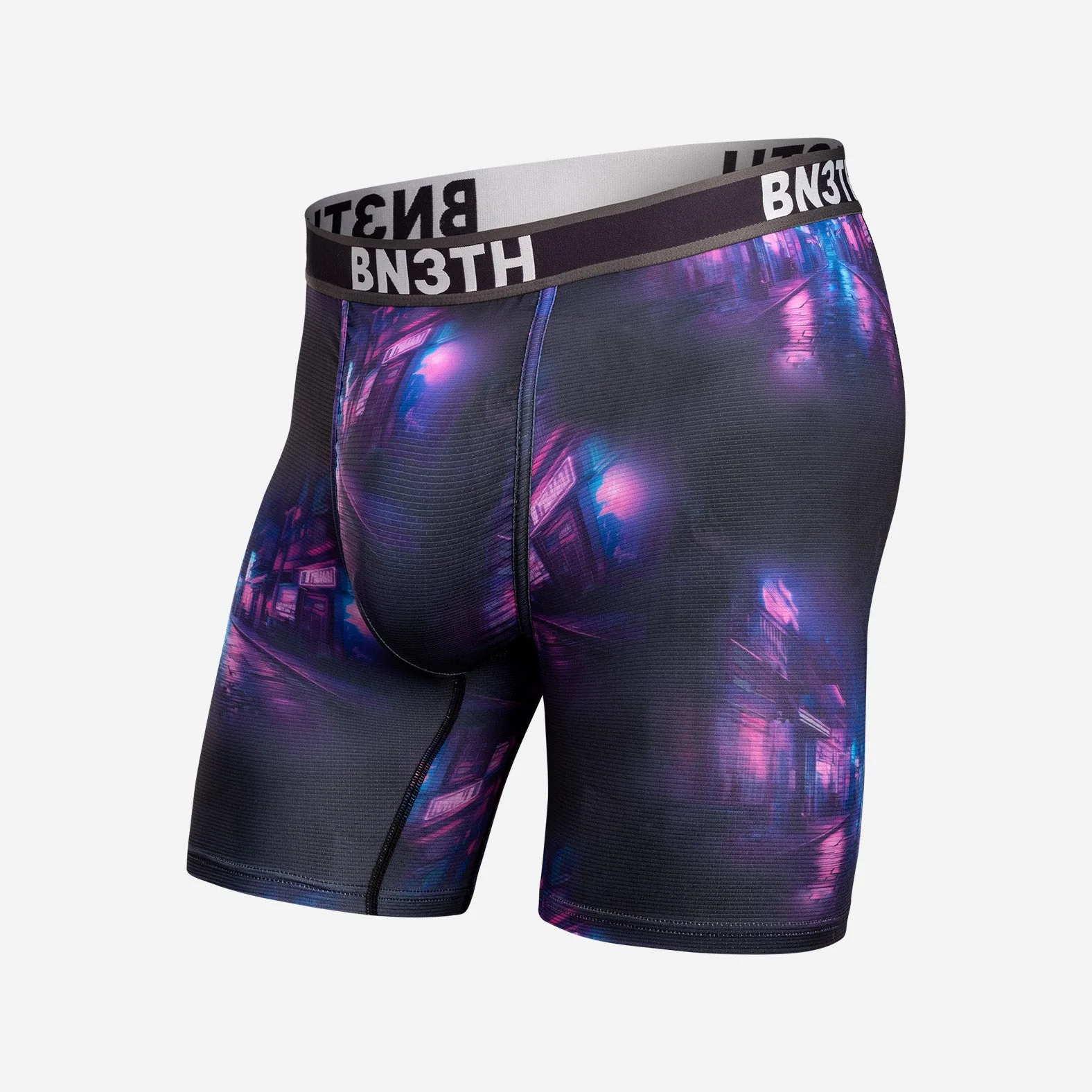
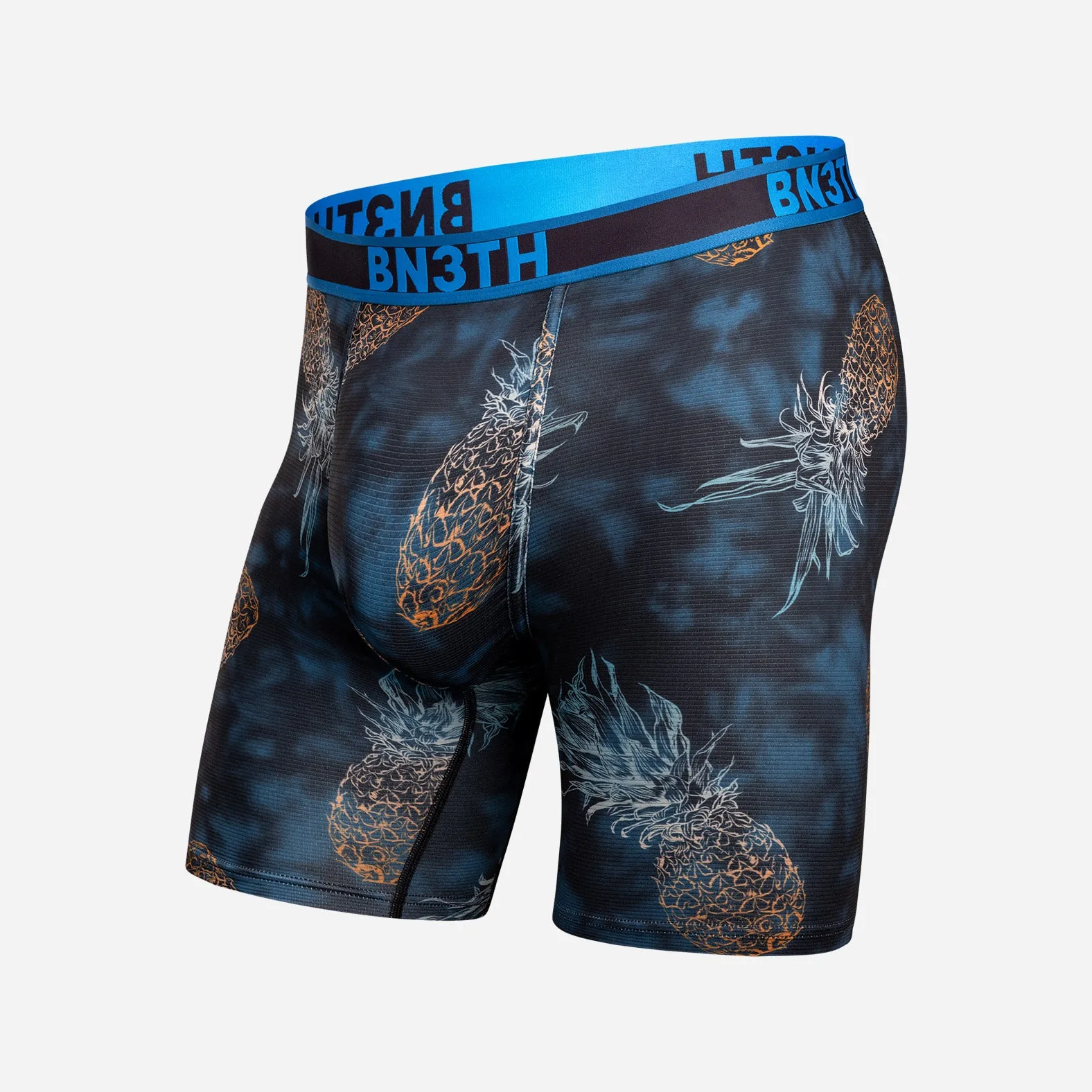
- Pro Flex Max Boxer Brief: Tie Dye Pineapple Ombre-Navy: The https://bn3thdxzy.com/products/pro-flex-max-boxer-brief-desert-racing-forever-5ec47bc81c4e097784fb1548-989272Pro Flex Max Boxer Brief is made with a breathable, moisture-wicking polyester blend mesh featuring Ionic+ anti-odor technology that does not wash out, plus The Original 3D Pouch, a 7-inch inseam, and a wide waistband. The mesh and anti-odor finish suit repeated training sessions, while the 7-inch inseam gives thigh coverage that reduces chafing under shorts.
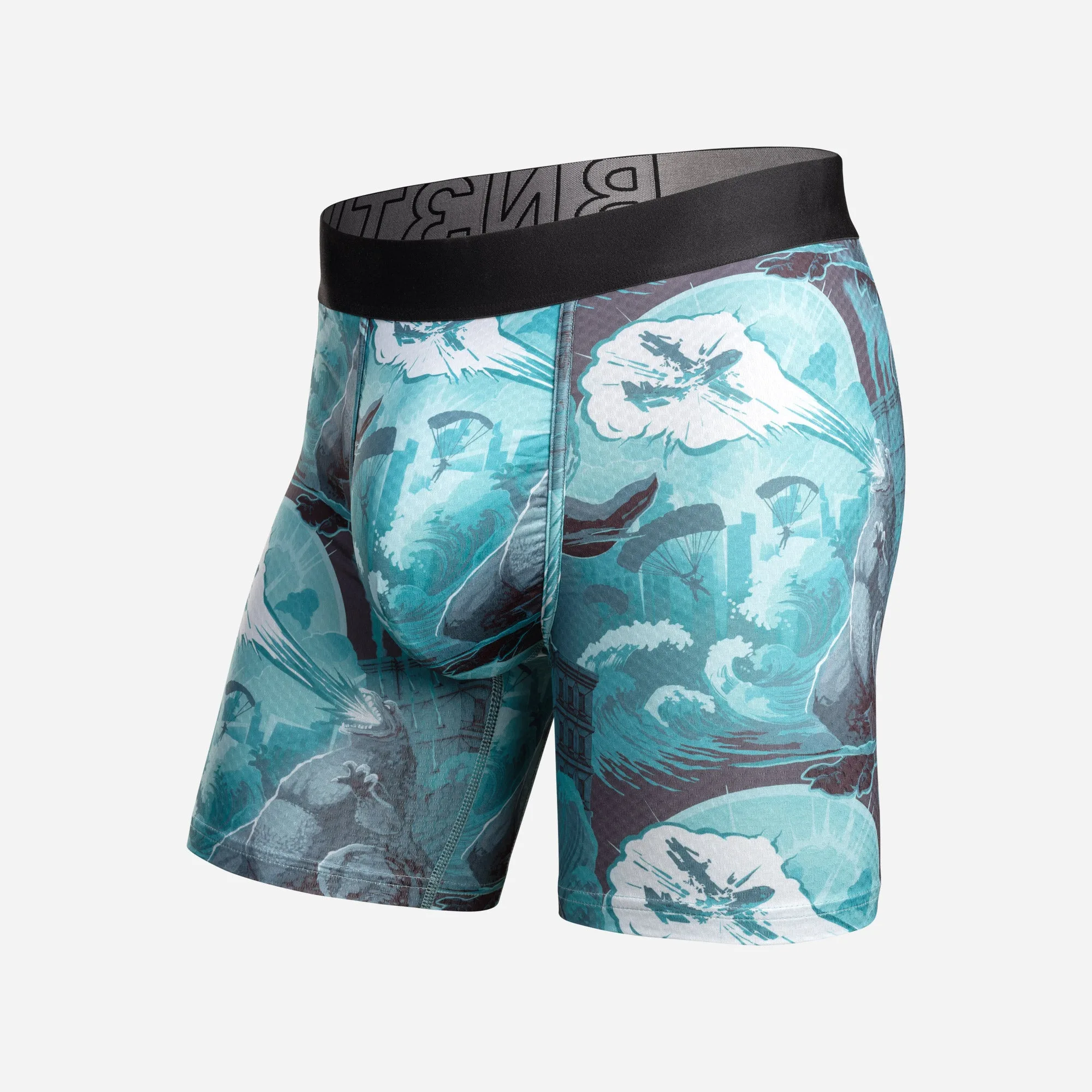
- Pro Agua X Boxer Brief: The Pro Agua X Boxer Brief has a snugger feel with a thicker waistband, breathable mesh, The Original 3D Pouch, and is made from 100% post-consumer recycled plastic bottles. The thicker waistband and snug fit stay put during watersports and high-movement activity, where a looser waistband would shift.
- Pro Ultra Liner Short With Pocket: Black: The Pro Ultra Liner Short With Pocket is built for maximum training and elite performance from a lightweight, highly breathable fabric with The Original 3D Pouch and a fold-over secure pocket. The secure pocket holds a key or card without bouncing, which matters when you are training without a bag or locker nearby.
- Classic Boxer Brief : Palm Stripe - Jadeite Green: The Classic Boxer Brief is made from ultra-soft, breathable, lightweight TENCEL Modal with The Original 3D Pouch and is designed to stay smooth and keep you comfortably supported. The modal fabric is a better pick for low-sweat training or all-day wear than for intense, high-sweat sessions where a mesh fabric performs better.
Which should you wear?
Choose a jockstrap if you
- Play a contact sport that requires a hard cup, such as hockey, lacrosse, or baseball catching
- Want maximum lockdown and airflow for short, high-intensity bursts
- Are comfortable adding a separate base layer for coverage and chafe control
Choose a boxer brief instead if you
- Train without a cup in lifting, running, cycling, or no-contact practices
- Chafe easily between the thighs and want fabric coverage
- Want one piece of athletic support underwear that also works for everyday wear