Quick answer
Buy a notepad if you write in short bursts, need to tear off pages, or want something that lies flat on a desk or counter. Buy a journal if you want to keep entries together, date them, and revisit them months later. The deciding factor is not the cover — it is whether you need pages to stay or leave.
Most people do not need both a journal and a notepad, but they often buy one when the other would fit better. A notepad is built for quick capture and removal; a journal is built for accumulation and reflection. Knowing which habit you have makes the choice obvious.
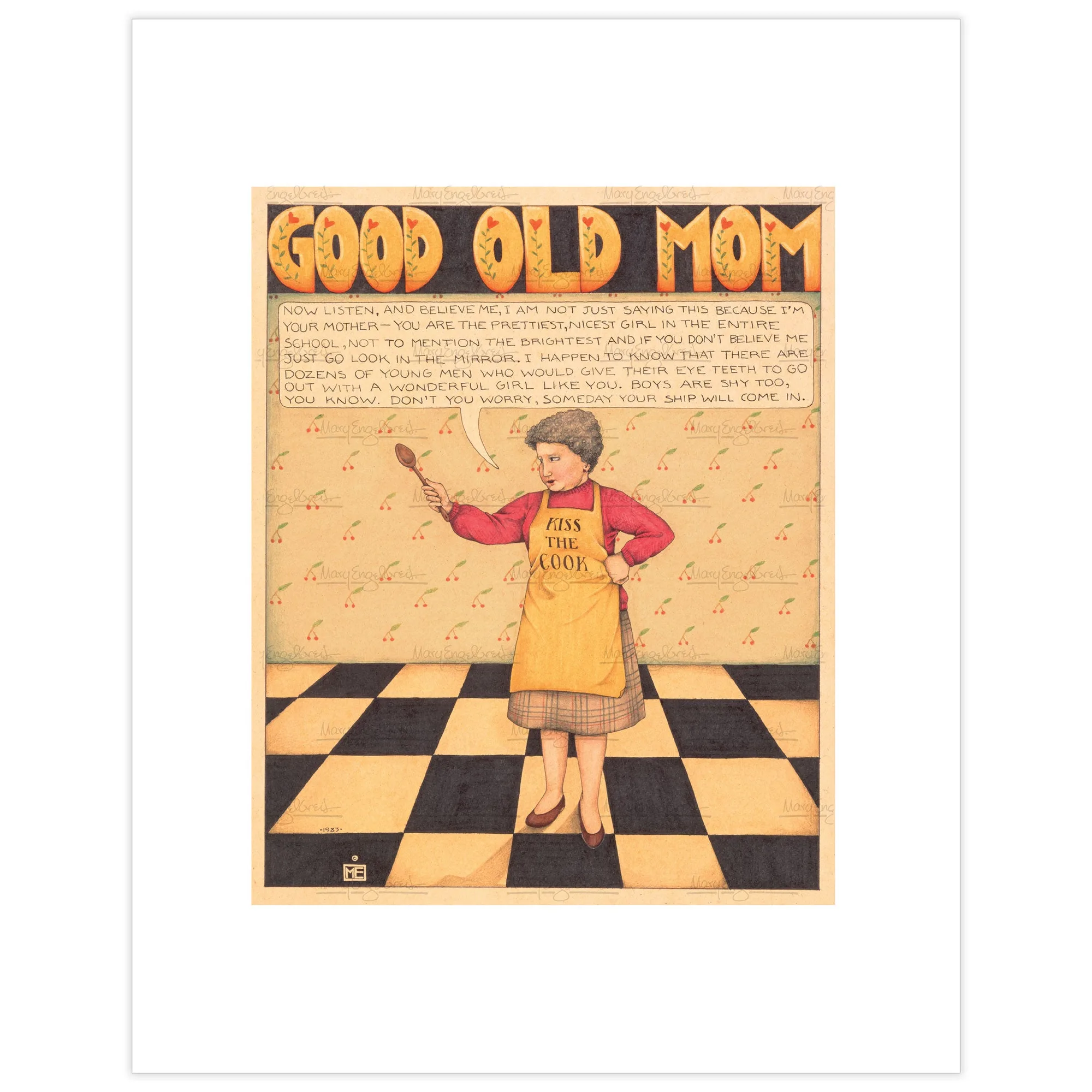
This guide walks through the practical differences — binding, ruling, size, and page count — and gives decision rules you can apply in a store aisle or on a product page. It also points to a few Mary Engelbreit pieces that illustrate how format and use connect.
Notepad vs journal: the core difference is what happens to the page
A notepad is a stack of sheets held by glue or wire, designed so a page can be removed cleanly. That makes it right for grocery lists, phone messages, meeting notes you will file elsewhere, or a recipe you want to hand to someone. A journal is a bound book — stitched, glued, or spiral — where pages are meant to stay in order. You write on page 1, then page 2, and the sequence itself becomes useful.
If you have ever torn a page out of a notebook and wished you had not, you want a journal. If you have ever flipped through a bound book looking for a single list you wrote three weeks ago, you want a notepad.
- Choose a notepad when the writing is temporary or meant to be passed on.
- Choose a journal when the writing is cumulative — dated entries, project logs, or a reading record.
Lined vs blank: match the ruling to the content
Lined pages give you a baseline for handwriting, which helps with lists, meeting notes, and daily journaling where consistency matters. Blank pages suit sketching, mind maps, hand-lettering, and any layout you want to control. Dot grid is the middle ground: faint dots guide alignment without forcing lines, so it works for both writing and simple diagrams.
If you are choosing a journal for the first time, lined is the safer default. If you already keep a sketchbook or bullet journal, blank or dot grid will feel more flexible. The wrong ruling is the most common reason a journal gets abandoned after ten pages.
- Lined: best for text-heavy entries, lists, and dated logs.
- Blank: best for drawing, pasting in ticket stubs, or freeform layout.
- Dot grid: best if you want one book for both writing and simple charts.
Journal sizes: pick by where you will carry it, not by page count
A journal you leave at home can be large — A4 or letter size gives you room for long entries and pasted-in items. A journal you carry needs to fit a bag pocket or a coat pocket, which usually means A5 or smaller. The mistake is buying a big, beautiful book for daily carry; it stays on the desk, and the habit never forms.
For a notepad, size is about the surface it sits on. A 4x6 pad fits a kitchen counter or a bedside table; a 5x8 pad gives more room for meeting notes. If you write standing up, a smaller pad with a stiff backing is easier to manage than a floppy one.
- Measure the pocket or bag you plan to use before choosing a carry journal.
- For desk use, larger is almost always more comfortable — there is no penalty for extra space.
Binding and paper: what actually affects daily use
Spiral binding lets a book lie flat or fold back on itself, which is practical for one-handed writing. Case-bound (hardcover) journals feel more permanent and protect pages better in a bag, but they may not lie flat without being broken in. Glue-bound notepads are light and cheap to replace; wire-bound notepads hold together better if you carry them around.
Paper weight matters if you use fountain pens, markers, or highlighters — thin paper lets ink show through to the back. If you write with a standard ballpoint or pencil, most paper weights are fine. Check the product description for paper weight or a bleed-through note before buying for wet media.
- Spiral: best for flat writing and folding back.
- Case-bound: best for durability and a keepsake feel.
- Glue-bound notepad: best for tear-off lists and quick replacement.
How many pages you actually need
A journal with 200 pages can take a year to fill if you write a few times a week; a 60-page journal can be finished in a season, which some people find more motivating. There is no correct page count — only the one that matches your pace. If you are unsure, start smaller. Finishing a book is a better signal than buying a large one and stopping halfway.
For notepads, page count is less important than how the pad is bound and whether you can buy refills or replacements easily. A pad you can replace in the same size and ruling keeps your system consistent.
- Estimate your weekly writing volume, then multiply by the months you want one book to cover.
- If you write sporadically, a thinner journal reduces the pressure to fill it.
Decision rules for choosing a journal or notepad
- If you tear pages out: Buy a notepad with glue or wire binding. Tearing a bound journal damages the spine and loses the sequence that makes a journal useful. Notepad wins when removal is part of the job.
- If you date your entries: Buy a journal. Dated entries only make sense when pages stay in order, and a bound book keeps the timeline intact. Journal wins when the record matters more than the page.
- If you carry it daily: Choose A5 or smaller, and check the binding. Spiral lies flat for one-handed writing; case-bound protects pages better in a bag. Size and binding decide whether the habit survives the commute.
- If you use wet media: Check for a paper weight or bleed-through note in the product description. If the specification is not listed, assume it is not intended for markers or fountain pens. When a spec is absent, treat it as a limitation, not a hidden feature.
Mary Engelbreit pieces that show format in practice
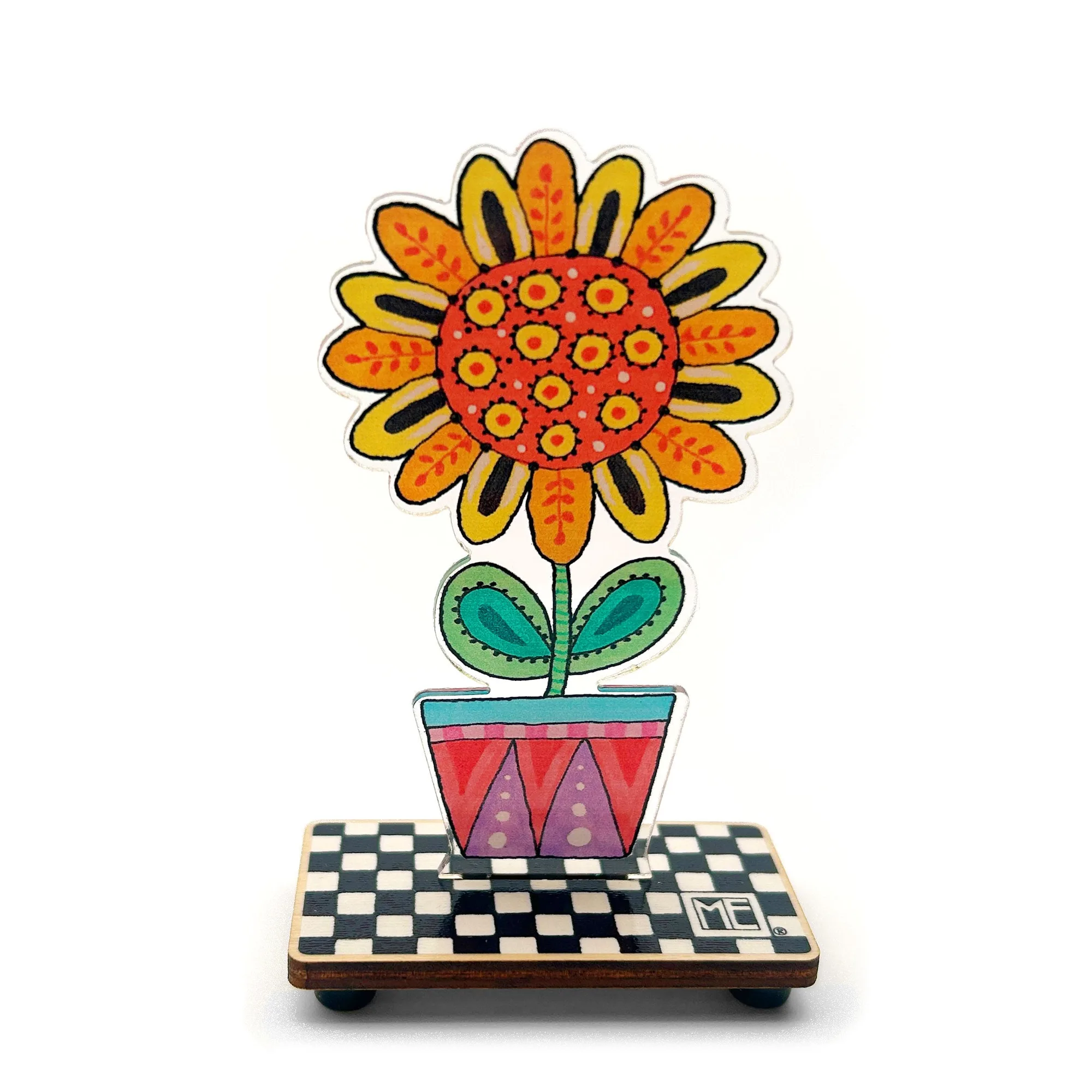
- Sunflower Mini Figure: Brighten any space with the cheerful charm of the Sunflower Mini Figurine. Featuring a whimsical sunflower in a colorful patterned flowerpot, this delightful decorative piece showcases Mary's playful folk-art style and vibrant color palette. Expertly crafted from eco-friendly materials and proudly Made in the USA, this mini laser sculpture is perfect for adding a touch of happiness to desks, shelves, windowsills, or... A small desk figure like this can mark a writing spot, which helps a journal or notepad habit stick because the tools stay in one place.
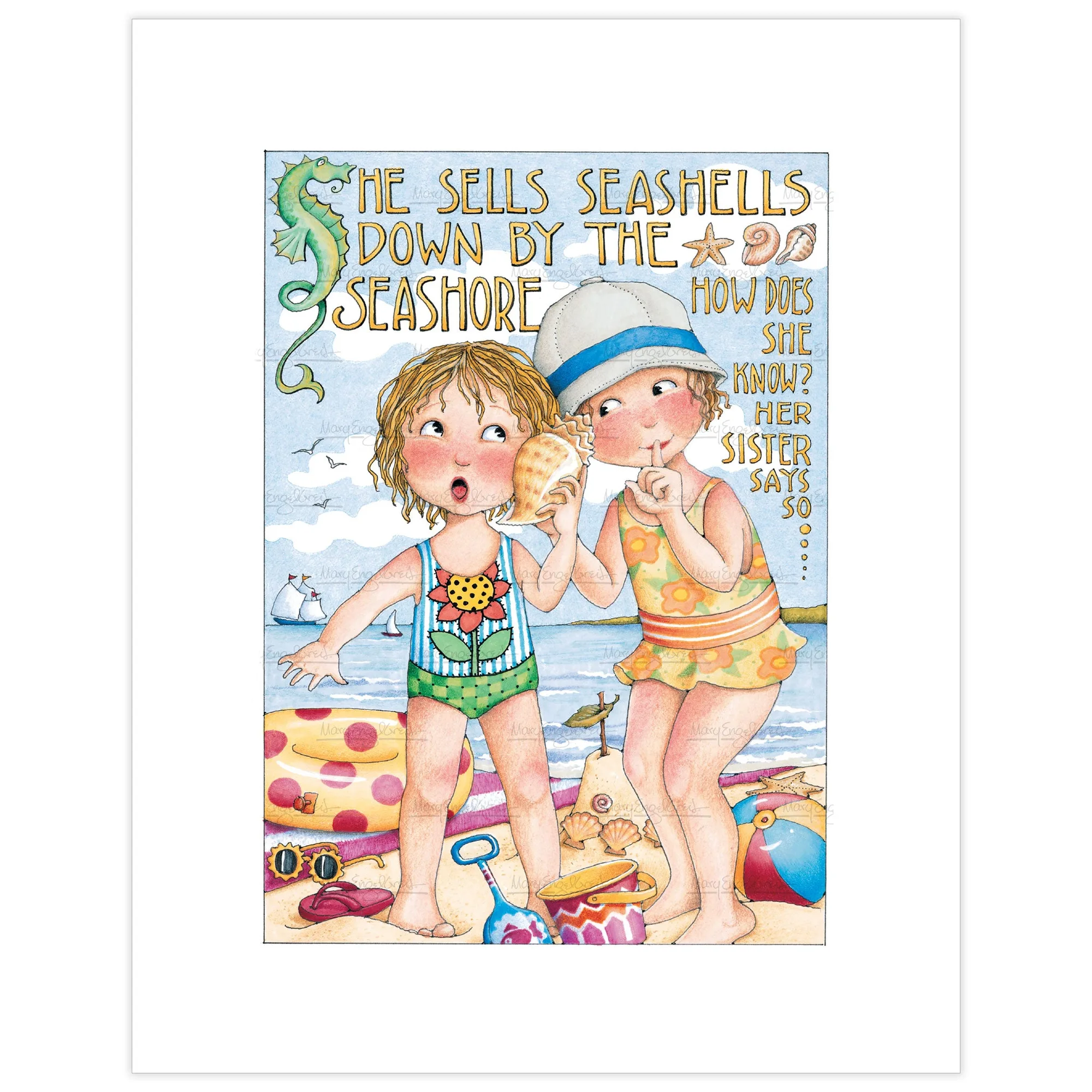
- She Sells Seashells Fine Art Print: Brighten up any home, office, studio or classroom with Mary’s wonderful artwork and whimsical sense of humor! Reads: She sells seashells down by the seashore. How does she know? Her sister says so... Printed on high-quality, textured paper. Standard frame sizes. Available with Mary's signature. All fine prints are created to order—please allow up to one week for all print orders to be... A framed print above a desk gives a journal or notepad a dedicated home, and the standard frame sizes make it easy to fit a small writing nook.
Who should buy which format
Best for
- Someone who writes daily entries, project logs, or reading notes and wants them kept in order.
- A gift for a writer, student, or planner who values a bound book they can revisit.
- Anyone building a morning pages or gratitude practice where sequence matters.
Not for
- Someone who mainly writes grocery lists, phone messages, or notes to hand to other people — a notepad is cheaper and easier.
- A user who needs to remove pages regularly; tearing a bound journal ruins it.
- Anyone who wants a single book for heavy marker or watercolor work without checking paper weight first.
Pick the format that matches what happens to the page after you write on it. If pages leave, buy a notepad; if pages stay, buy a journal. Then choose size by where you will use it, and ruling by what you will write. That order of decisions prevents the most common buying mistake.