Quick answer
Choose juniper berries for a warming, aromatic herb that supports digestion and respiratory comfort, or St. John's Wort for a well-documented mood and emotional wellness herb. Your choice depends on whether you want a culinary spice or a targeted emotional support supplement.
Traditional uses and cultural roots
Juniper berries have been used for centuries in cooking and folk medicine, often for their digestive and respiratory benefits. St. John's Wort, on the other hand, has a 2,000-year history in European and Mediterranean traditions, primarily as a remedy for emotional wellness.
While juniper berries are commonly found in spice blends and teas, St. John's Wort is typically taken as a supplement in capsule or tincture form. This difference in usage reflects their distinct roles in herbal practices.
Key differences in form and application
Juniper berries are usually sold dried or as whole berries, ideal for infusions, teas, or cooking. St. John's Wort is most often available as dried herb for tea or in standardized extracts for consistent dosing.
If you enjoy hands-on herbal preparation, juniper berries offer a sensory experience. If you prefer a measured, convenient option, St. John's Wort in capsules may be more practical.
Trade-offs at a glance
- Juniper berries: Best for culinary use, teas, and respiratory or digestive support. They add a piney, aromatic flavor and are easy to incorporate into daily cooking or brewing. Choose juniper berries if you enjoy hands-on herbal preparation and want a versatile spice.
- St. John's Wort: Best for targeted emotional wellness support. Its 2,000-year history and widespread study make it a go-to for mood balance, though it requires consistent dosing and may interact with other medications. Opt for St. John's Wort if your primary goal is emotional wellness and you can commit to a daily supplement routine.
- Sea Moss, Bladderwrack & Burdock Root Capsules: Provides a mineral-rich, seaweed-based option for general wellness. It is not a direct replacement for either herb but can be used alongside them for broader nutritional support. Consider this if you want to add trace minerals to your regimen without affecting your herb choice.
Product facts
-
St. John: St. John's Wort (Hypericum perforatum) has a documented history of use spanning over 2,000 years in ancient Greek, Roman, and European folk medicine traditions. Its long-standing reputation makes it a reliable choice for those seeking a herb with a strong traditional background in emotional wellness support.
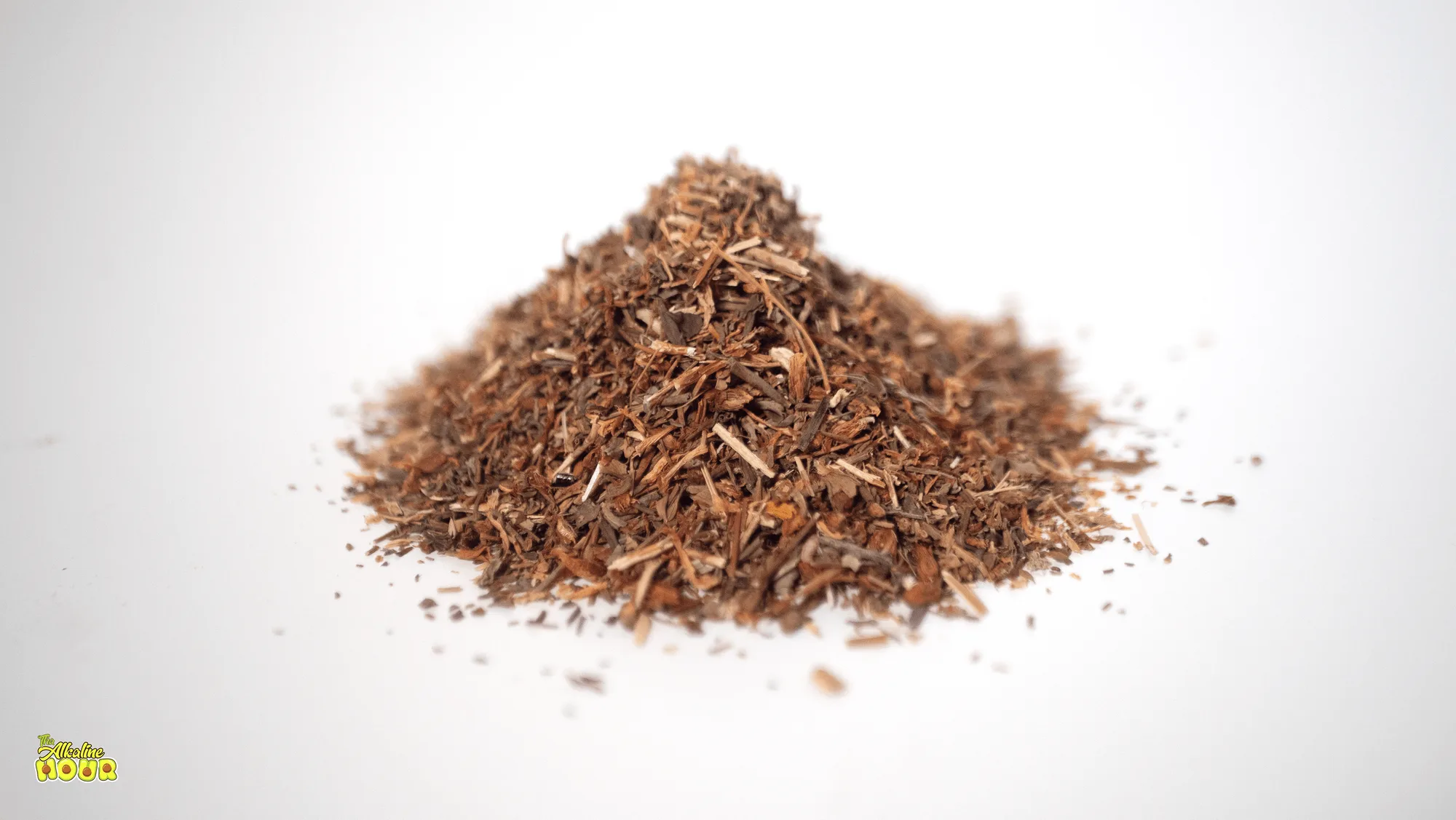
St. John
-
Sea Moss, Bladderwrack & Burdock Root Capsules: Bladderwrack, a brown seaweed in the Sea Moss, Bladderwrack & Burdock Root Capsules, has been used as food and medicine by coastal communities for centuries, rich in naturally occurring iodine and minerals. This combination offers a broad mineral profile that complements herbal remedies, but it is not a direct substitute for either juniper berries or St. John's Wort.
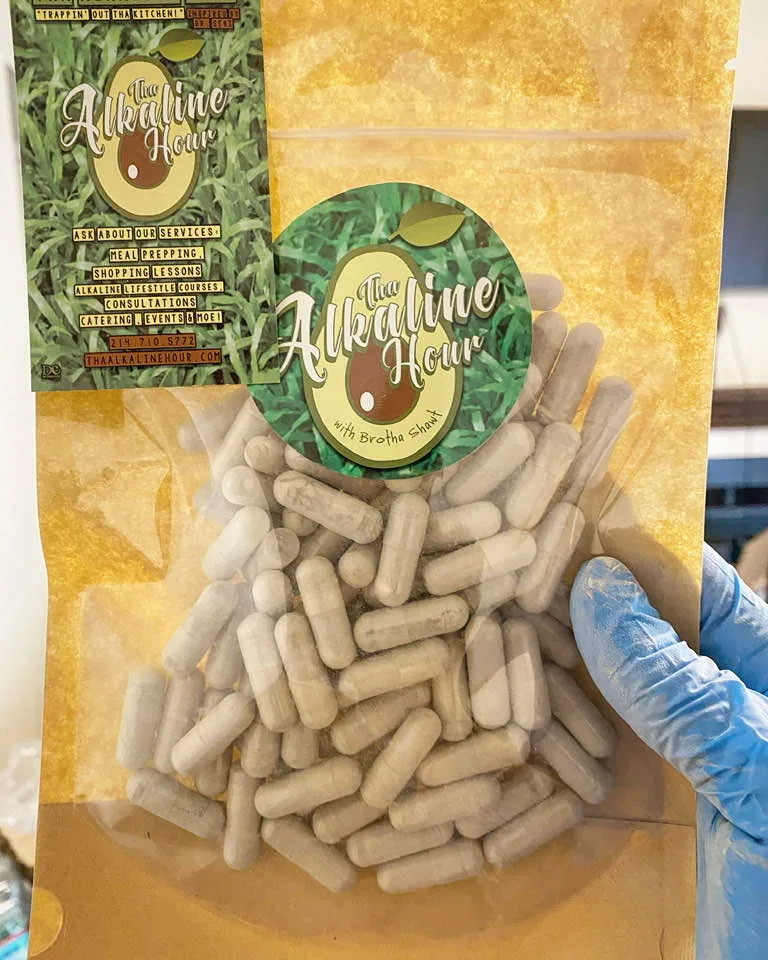
Sea Moss, Bladderwrack & Burdock Root Capsules
Which one fits you?
Best for
- Juniper berries: Culinary enthusiasts and those seeking a warming, aromatic herb for teas and cooking.
- St. John's Wort: Individuals focused on emotional wellness who prefer a well-studied, traditional herbal supplement.
Not for
- Juniper berries: Those seeking a targeted mood-support supplement or who need a standardized dosage.
- St. John's Wort: People who want a culinary spice or are sensitive to potential medication interactions.