Quick Answer
If you want a balanced, all-in-one nutrition shake with minimal prep, Ka'Chava is the more reliable choice. Homemade smoothies can be nutritious, but their quality depends entirely on your ingredients and portions—so they often miss key nutrients. For most people, Ka'Chava offers a more consistent nutritional profile with less effort.
Smoothies are a popular way to pack fruits, veggies, and protein into your day. But when you compare a homemade blend to a premium all-in-one shake like Ka'Chava, the nutrition gap can be significant. The question isn't just about taste—it's about what you're actually getting in every glass.
This comparison breaks down the real differences between Ka'Chava shakes and DIY smoothies, so you can decide which fits your goals, schedule, and budget. We'll look at nutritional consistency, convenience, cost, and practical trade-offs—without the marketing fluff.
Nutritional Consistency: Ka'Chava vs. DIY
Ka'Chava is designed as an all-in-one nutrition shake, meaning each serving delivers a balanced blend of protein, fiber, healthy fats, and micronutrients. The formula is consistent every time—you don't have to measure or guess. This is a major advantage if you rely on a shake for meal replacement or daily nutrition.
A homemade smoothie, on the other hand, varies with every batch. A handful of spinach, a scoop of protein powder, and some fruit can be nutritious, but it's easy to miss key nutrients like vitamin B12, iron, or omega-3s. Unless you carefully track your ingredients, your DIY shake may be more of a snack than a complete meal.
- Ka'Chava provides a predictable nutrient profile, while homemade smoothies depend on your ingredient choices and amounts.
Convenience and Time: The Real Trade-off
One of the biggest differences is prep time. With Ka'Chava, you just add water or milk, shake, and drink. There's no washing produce, measuring powders, or cleaning a blender. For busy mornings or post-workout recovery, that convenience is hard to beat.
Homemade smoothies require more planning and cleanup, but they offer flexibility. You can tailor ingredients to your taste, dietary needs, or what's in your fridge. If you enjoy the ritual of making smoothies and have time, DIY gives you control—but it also demands more effort every single day.
- If you're always on the go, Ka'Chava wins on speed. If you enjoy customizing, a DIY smoothie might be worth the extra time.
Cost Comparison: What Are You Really Paying For?
At first glance, Ka'Chava seems pricier than a homemade smoothie. A single serving costs more than a banana and some spinach. But when you factor in the cost of quality protein powder, superfoods, and supplements, a truly comparable DIY shake can add up quickly.
Ka'Chava's pricing (for example, Chocolate Shakes at USD 34.98) includes a complete nutrient blend. To match that in a homemade smoothie, you'd need multiple ingredients—protein powder, greens, berries, nut butter, and possibly a multivitamin. The real cost comparison depends on how much you value convenience and nutritional completeness.
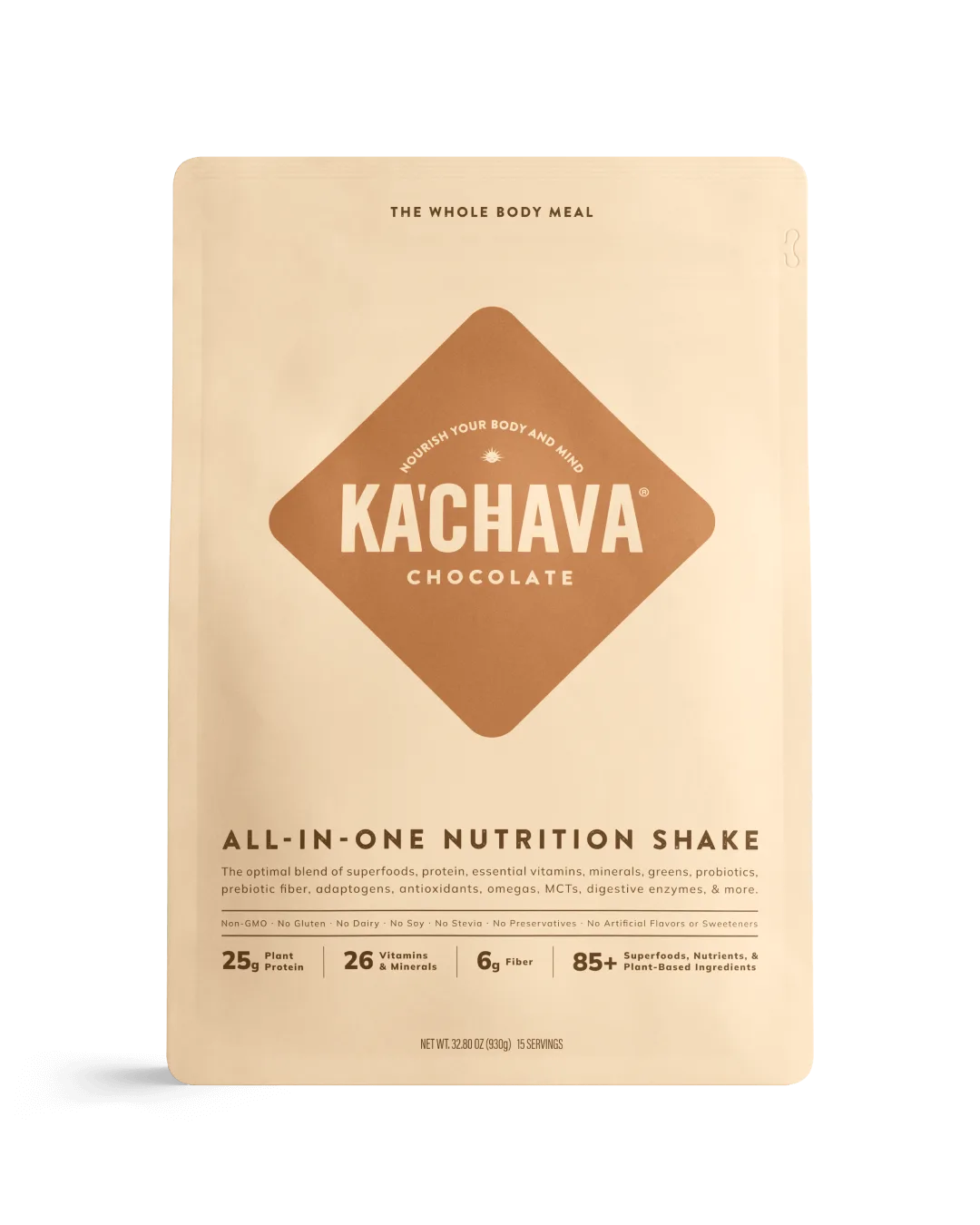
Chocolate Shakes
- Evaluate your budget: Ka'Chava is a premium product, but DIY smoothies can also be expensive if you buy high-quality ingredients.
The Trade-offs at a Glance
- Nutritional completeness: Ka'Chava delivers a balanced all-in-one formula every time. Homemade smoothies can be nutritious but often miss key nutrients unless carefully planned. Choose Ka'Chava for consistent nutrition; DIY if you're willing to track every ingredient.
- Convenience: Ka'Chava takes minutes to prepare and requires no cleanup. DIY smoothies need prep, blending, and washing. Pick Ka'Chava for busy days; DIY if you enjoy the process.
- Customization: Homemade smoothies let you control every ingredient. Ka'Chava offers flavor options but not full ingredient control. DIY wins if you have specific dietary needs; Ka'Chava is simpler if you just want a balanced shake.
Ka'Chava Products at a Glance
- Chocolate Shakes: Deliciously rich, earthy, and creamy with just the right amount of sweetness. If you crave a dessert-like shake that still delivers balanced nutrition, this flavor makes it easier to stick with a daily routine.
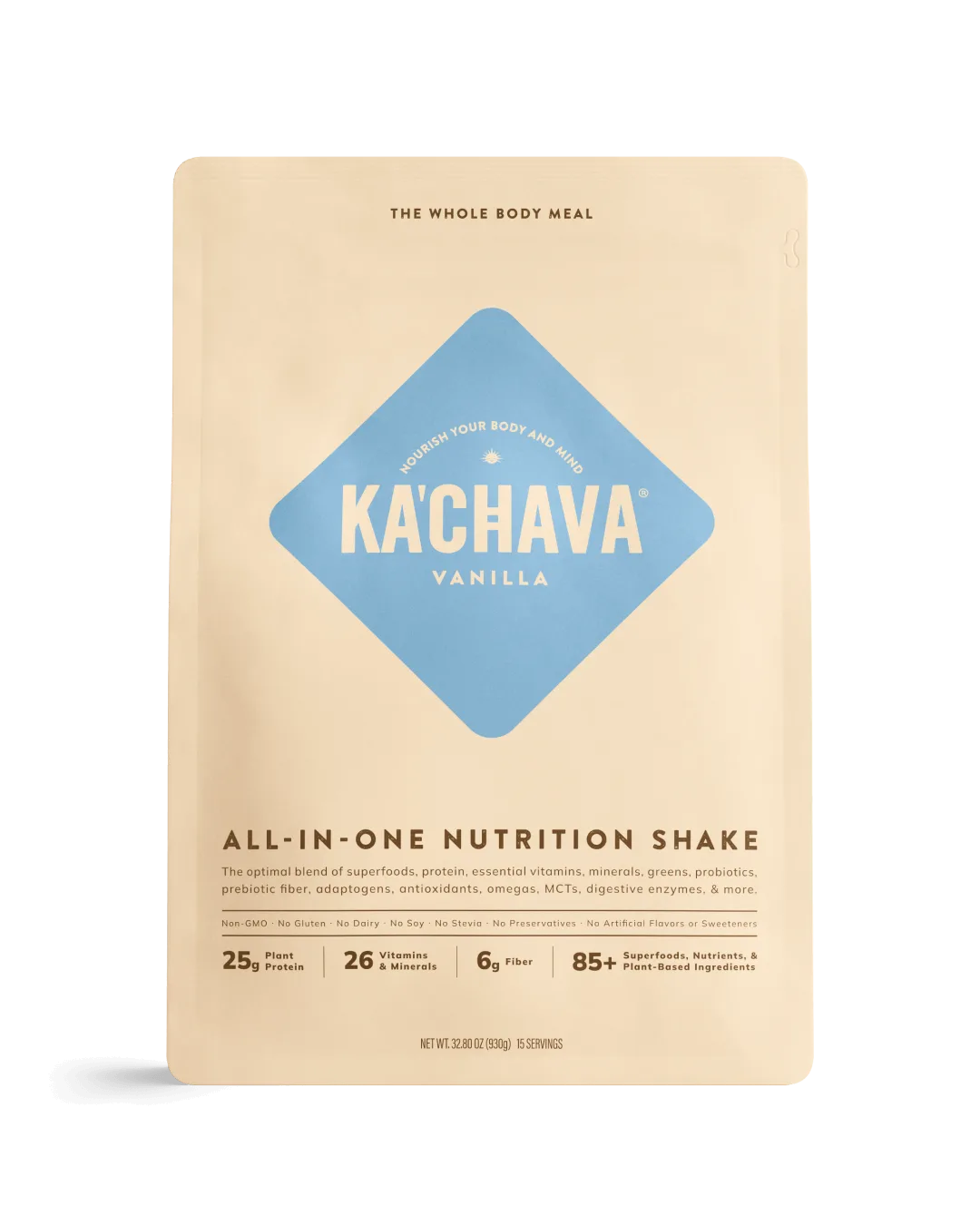
- Vanilla Shakes: The perfect foundation for making your own recipes, with a smooth texture and clean taste. For those who want to add fruit, nut butter, or other mix-ins without fighting a strong flavor, vanilla is the most flexible base.
Which Should You Choose?
Best for
- Busy professionals who need a quick, reliable meal replacement.
- Anyone who wants a balanced nutrient profile without measuring or planning.
- Travelers or those without access to a blender or fresh ingredients.
Not for
- People who prefer whole-food ingredients and enjoy making smoothies from scratch.
- Those on a tight budget who can't justify the premium cost of an all-in-one shake.
Both Ka'Chava and homemade smoothies can be part of a healthy diet. The right choice depends on your priorities: if you value consistency and convenience, Ka'Chava is a solid investment. If you love customizing and have time, a DIY smoothie can work—just be mindful of the nutritional gaps. Whichever you pick, the key is making it a habit you can sustain.