Quick answer
For most balance bike and first-pedal riders, the Chakra Child Helmet is the simpler, lighter choice. Choose the Kali Maya Full Face Helmet only if your child is already riding faster, hitting rougher terrain, or needs the added chin and face coverage of a convertible full face. The trade-off is weight, coverage, and price versus everyday comfort and ease.
What each helmet is designed to do
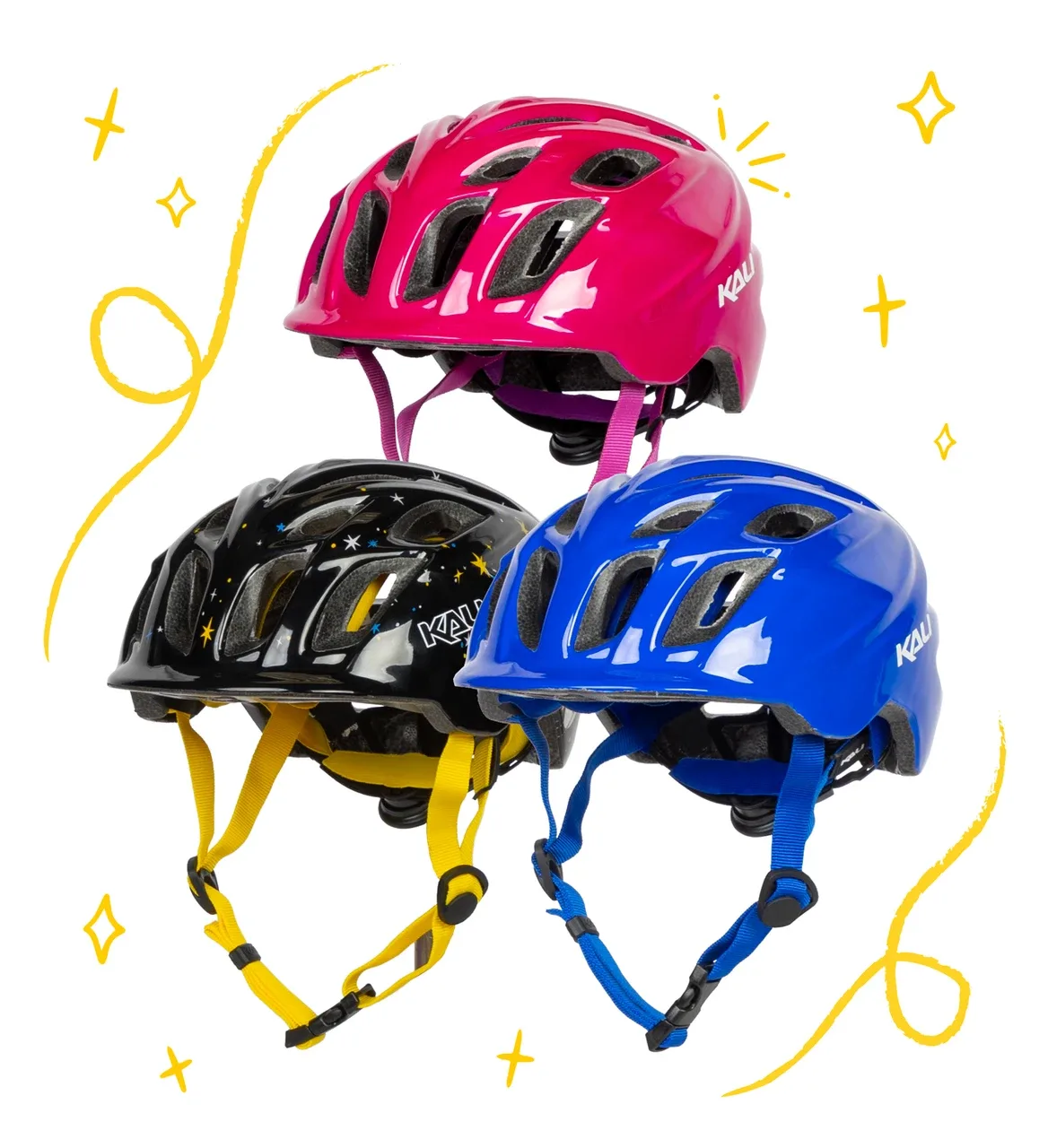
The Chakra Child Helmet is built for young riders starting around age one. It uses Composite Fusion in-mold construction, adds extended rear coverage, and closes with a Dial-Fit system. A visor is molded directly into the shell. That combination targets low-speed balance bike and early pedal riding, where the main risks are tipping over and tipping backward.
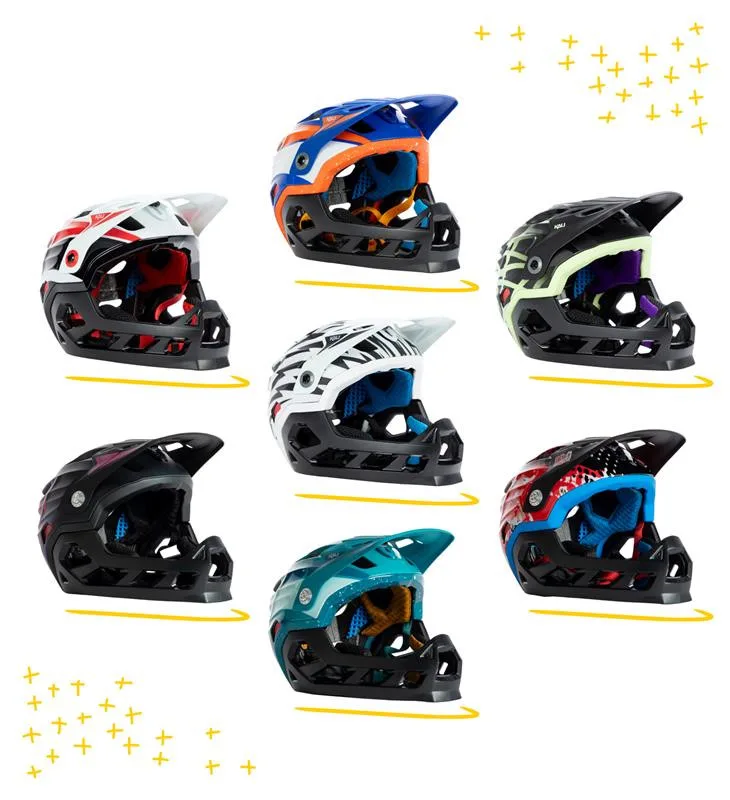
The Kali Maya Full Face Helmet converts from a full face to an enduro-style open lid by pressing two buttons. It carries Composite Fusion technology and a Quad-Core LDL layer aimed at low-g impacts. That design targets riders who want face and chin protection without buying two separate helmets.
Coverage, weight, and daily use
The Maya's full-face mode protects the chin and face, which matters on descents, jumps, and any riding where a forward fall is likely. The trade-off is more material around the head and jaw, which can feel warm and heavier for a small child. The Chakra Child keeps the face open, so it is cooler and easier to put on, but it will not protect the chin or face in a forward fall.
For a balance bike rider still learning to walk the bike and sit down, the open Chakra Child is usually the helmet that actually gets worn every day. The Maya makes more sense once your child is already comfortable on two wheels and riding faster than walking pace.
Fit and sizing guidance
Fit matters more than the model name. Measure your child's head circumference just above the eyebrows, then match it to the helmet's size range. The Chakra Child uses a Dial-Fit closure, which lets you tighten or loosen the fit as your child grows or wears a thinner hat underneath.
Check three things before every ride: the helmet sits level, not tilted back; the dial or straps hold it snug enough that it does not shift when your child shakes their head; and the chin strap leaves no more than two fingers of space under the chin. If the Maya in full-face mode presses on the cheeks or blocks vision, size up or switch to open mode.
Helmet and bike pairing
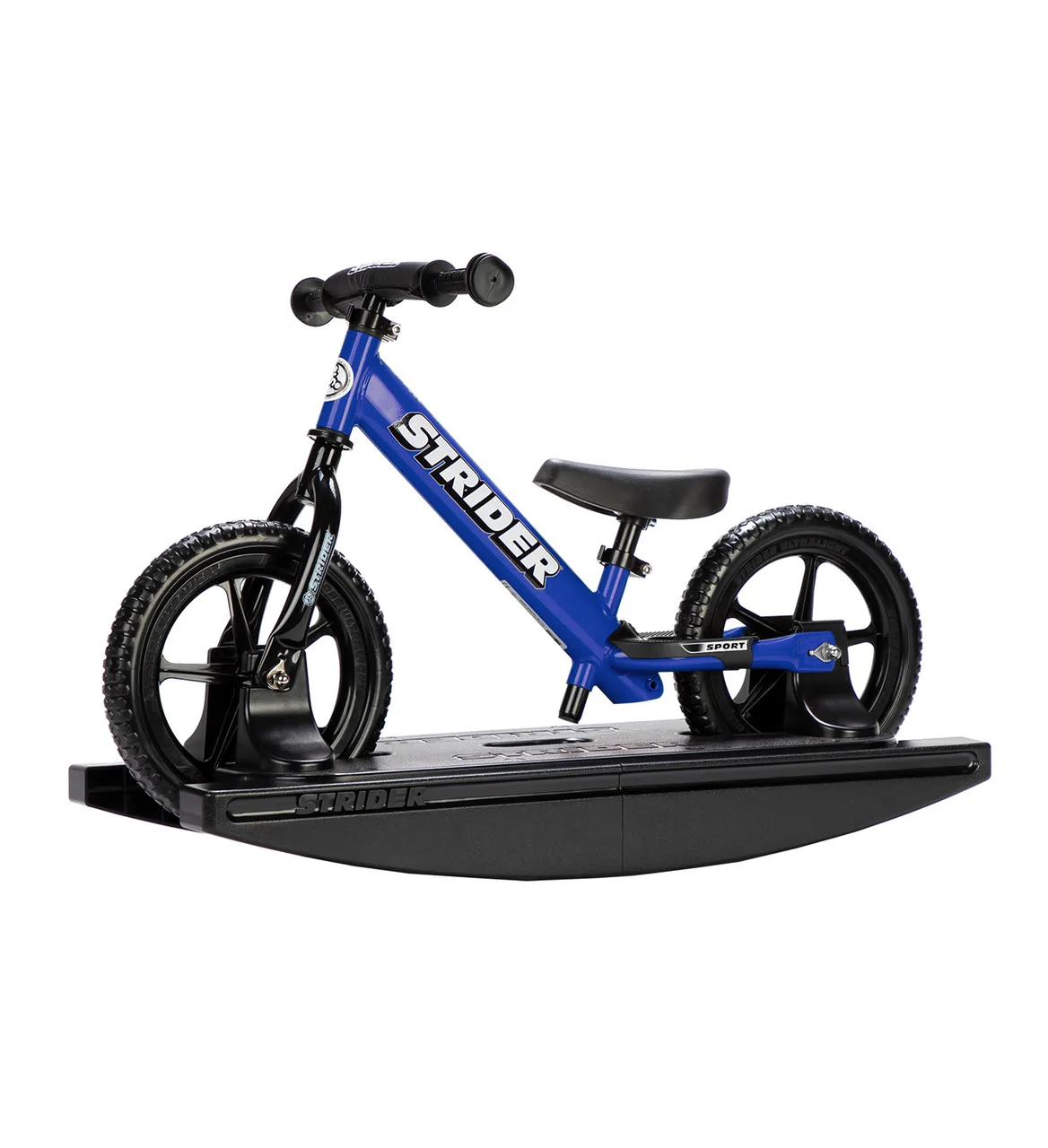
The helmet you pick should match the bike stage. The Strider Sport 2-in-1 Rocking Bike is a first-bike toy for babies who are crawling and just starting to explore. At that stage, the Chakra Child is the practical match because it is light and easy to wear during short play sessions.
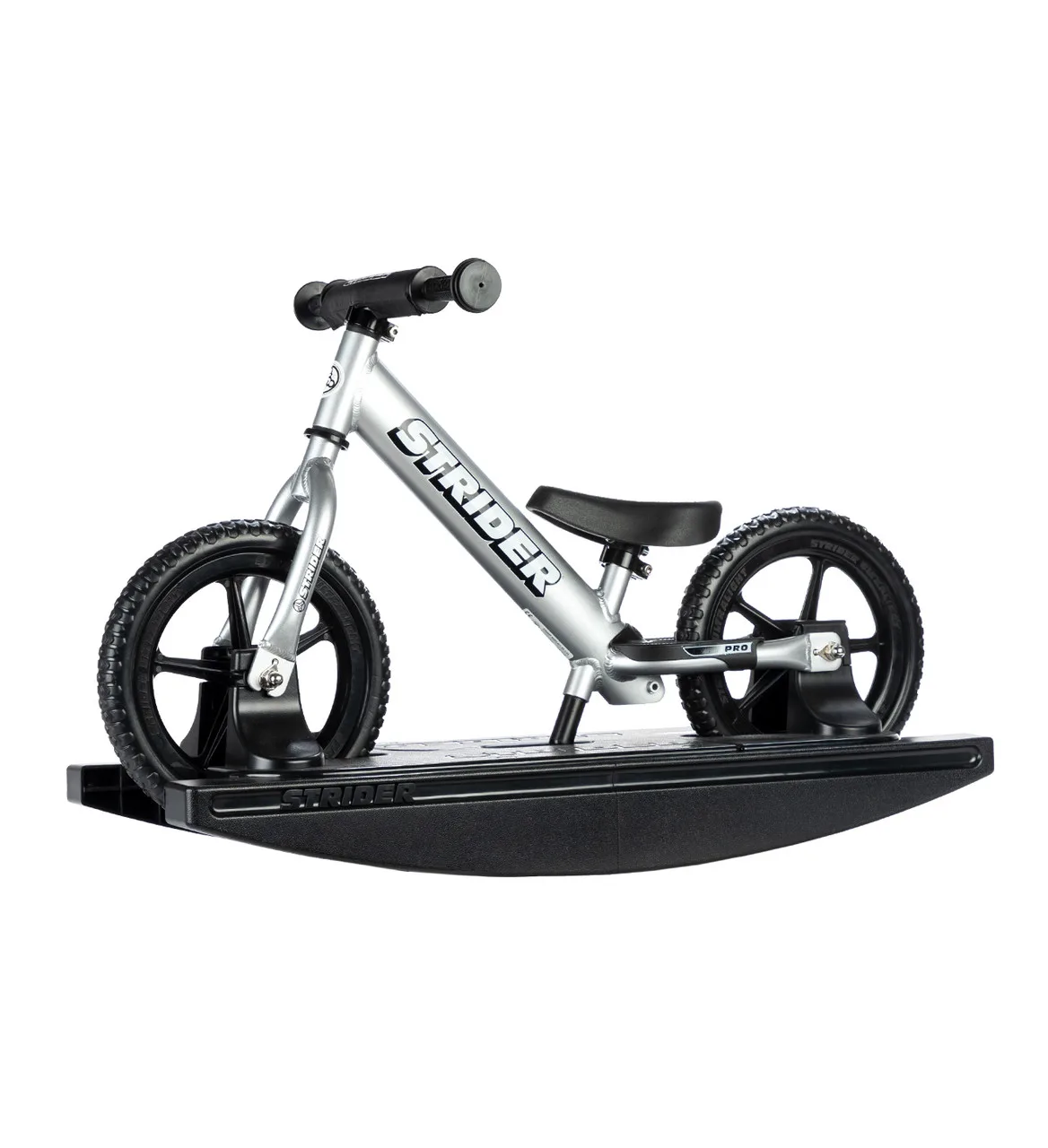
The Strider Pro 2-in-1 Rocking Bike is a step up in design and price, still aimed at sparking a love of riding before a child pedals. Once your child moves from rocking to rolling and starts going faster, that is the point to consider the Maya Full Face for the added coverage. Neither helmet replaces adult supervision or a properly fitted bike.
Trade-offs to weigh
- Chin and face coverage: The Maya Full Face covers the chin and face in full-face mode; the Chakra Child leaves the face open. Pick the Maya if forward falls are a real risk; pick the Chakra Child if they are not.
- Everyday comfort: The Chakra Child is open and uses a Dial-Fit closure, so it is cooler and quicker to put on. The Maya adds material around the jaw. A helmet that is comfortable is a helmet that gets worn, especially for short play sessions.
- Versatility: The Maya converts between full face and open with two buttons, covering two riding styles in one helmet. The Chakra Child is a single open design. If your child rides both easy paths and rougher terrain, the convertible design can replace two purchases.
- Budget: The Chakra Child is the lower-cost option; the Maya Full Face costs more because of its convertible build and added coverage. Spend up only when your child's riding actually calls for the extra coverage.
Product facts
- Kali Maya Full Face Helmet: Converts from a full face to an enduro-style open lid by pressing two buttons, and uses Composite Fusion with a Quad-Core LDL layer for low-g impact protection. One helmet covers two riding styles, so you get chin and face coverage for faster days and a cooler open setup for easy rides.
- Chakra Child Helmet: Composite Fusion in-mold construction with extended rear coverage, a molded-in visor, and a Dial-Fit closure, designed for riders age one and up. The rear coverage and dial fit target the tipping and backward falls common on balance bikes, and the dial adjusts as your child grows.
- Strider Sport 2-in-1 Rocking Bike: A 2-in-1 rocking bike for babies who are crawling and ready to explore, designed as a first bike to bond with before riding. This is a pre-riding stage, so a light open helmet that is easy to put on is usually the better daily match.
- Strider Pro 2-in-1 Rocking Bike: A 2-in-1 rocking bike with a modern design meant as an alternative to a traditional rocking horse, sparking a love of riding before the learn-to-ride process. As your child transitions from rocking to rolling, it is a good time to reassess whether you need the added coverage of a full face.
Which helmet should you pick?
Best for
- Babies and toddlers on a Strider Sport 2-in-1 Rocking Bike or similar first-bike stage
- Riders age one and up who need an easy, cool, everyday open helmet
- Parents who want a dial-fit helmet that adjusts as their child grows
Not for
- Riders already going fast on rougher terrain who need chin and face coverage
- Families who want one helmet that converts between two riding styles
- Children who will not tolerate a heavier, warmer full-face fit