In the diverse world of collectible toys, two aesthetics stand out for their distinct visual languages: kawaii and sofubi. Kawaii, which translates to 'cute' in Japanese, embraces everything adorable, pastel, and heartwarming. Sofubi, short for soft vinyl, refers to a material and a style that often features bold, retro, and sometimes grotesque designs. Understanding the differences between these two can help you curate a collection that truly reflects your personality.
Whether you're drawn to the fluffy charm of a Sanrio plush or the intricate sculpt of a designer vinyl figure, knowing what each aesthetic offers is key. In this comparison, we'll explore the origins, characteristics, and appeal of both kawaii and sofubi, and how they coexist in the toy world.
What Defines Kawaii Toys?
Kawaii culture has deep roots in Japan, stemming from the 1970s with the rise of cute handwriting and the popularity of characters like Hello Kitty. Kawaii toys are characterized by their adorable expressions, soft colors, and childlike innocence. They often feature animals, food items, or fantasy creatures with oversized heads and tiny bodies, evoking a sense of comfort and joy.
Plush toys are a staple of kawaii, offering huggable softness that appeals to both kids and adults. The Sanrio Characters Fuwakororin Plush Series 6 is a perfect example, featuring beloved characters in a squishy, round form. Kawaii also extends to stickers, stationery, and accessories, making it a lifestyle aesthetic beyond just toys.
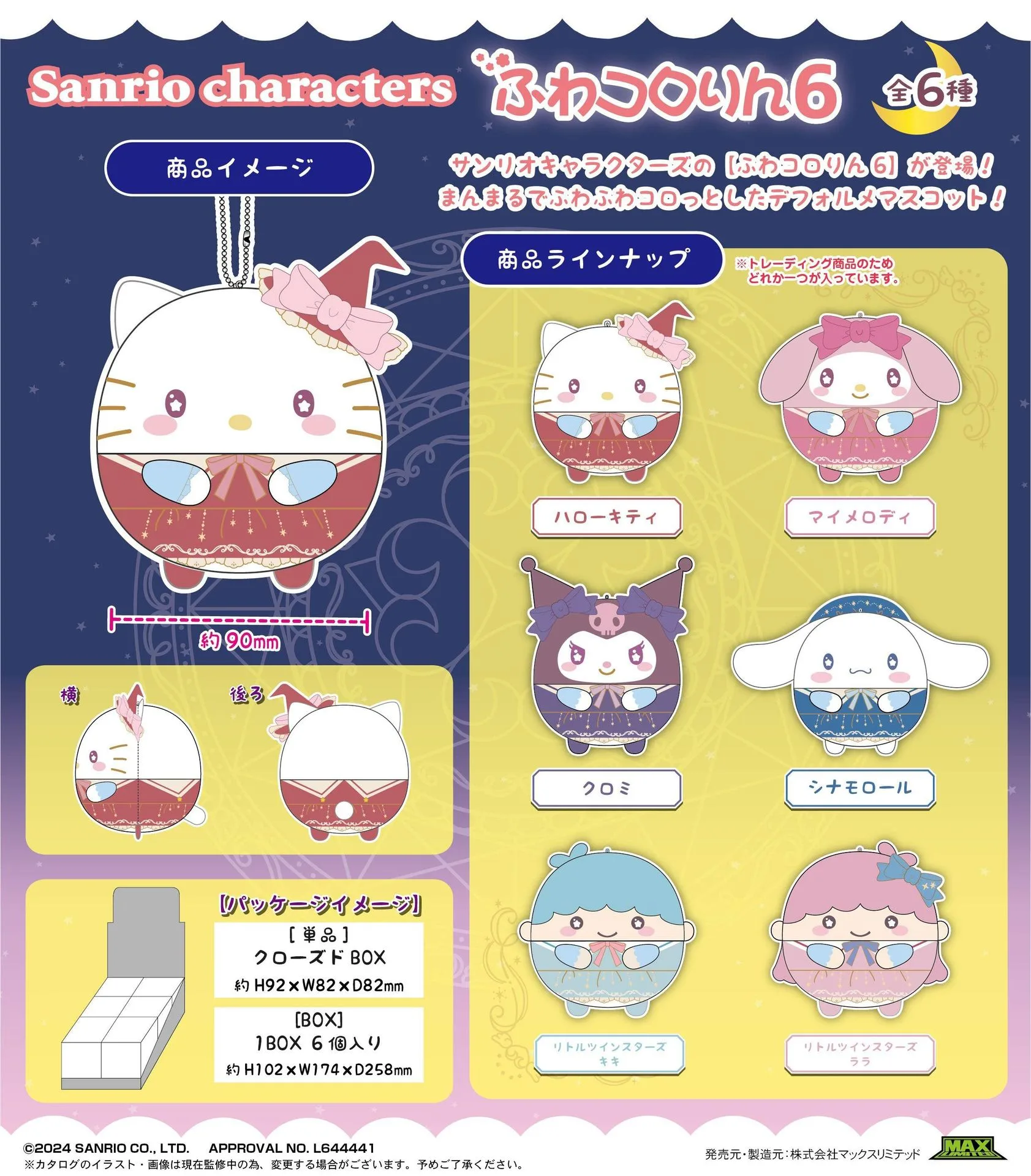
Sanrio Characters Fuwakororin Plush Series 6
- Look for pastel colors, rounded shapes, and smiling faces.
- Kawaii toys often feature characters from popular franchises like Sanrio.
- The appeal is emotional comfort and cuteness overload.
The World of Sofubi Style
Sofubi, or soft vinyl, originated in Japan in the 1960s as a material for making toys, but it has evolved into a distinct art form. Sofubi toys are typically hand-painted, limited-edition figures that celebrate retro kaiju (monsters), superheroes, and original characters. The material allows for intricate detailing and a unique texture that collectors love.
Unlike kawaii's gentle charm, sofubi often features bold colors, exaggerated features, and sometimes dark or quirky themes. Artists like Konatsu create whimsical yet slightly surreal figures, such as the Fish Boat Banana Boat by Konatsu, which showcases the playful side of sofubi. Sofubi style is about artistic expression and the joy of owning a piece of vinyl art.
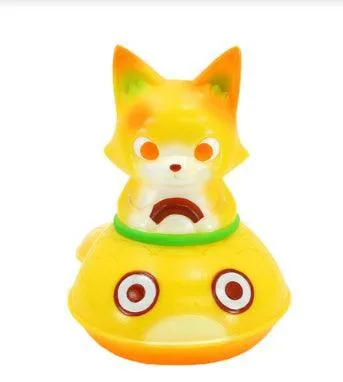
Fish Boat Banana Boat by Konatsu
- Sofubi figures are usually made of soft vinyl, giving them a bendy, durable feel.
- They often have a retro or vintage aesthetic, inspired by 60s and 70s Japanese toys.
- Each piece is often hand-finished, making it unique.
Comparing the Aesthetics: Kawaii vs. Sofubi
The primary difference lies in their visual appeal and emotional impact. Kawaii toys aim to make you smile with their innocence and charm, while sofubi toys intrigue you with their artistic boldness and nostalgia. Kawaii often uses pastel palettes and soft textures, whereas sofubi favors vibrant, sometimes clashing colors and a more rigid sculpt.
In terms of collectibility, both have passionate fan bases. Kawaii collectors often seek complete sets of characters, while sofubi enthusiasts hunt for rare colorways and artist collaborations. The toy aesthetic comparison isn't about which is better, but which resonates more with your personal taste.
- Kawaii: cute, soft, pastel, emotional comfort.
- Sofubi: bold, retro, artistic, nostalgic.
- Both can coexist in a balanced collection.
How to Choose Between Kawaii and Sofubi
When deciding which aesthetic to focus on, consider what you want from your collection. If you're drawn to feelings of joy and nostalgia for childhood, kawaii toys are a natural fit. They also make great gifts for loved ones. On the other hand, if you appreciate artistic craftsmanship and unique designs, sofubi offers a deeper dive into the world of designer toys.
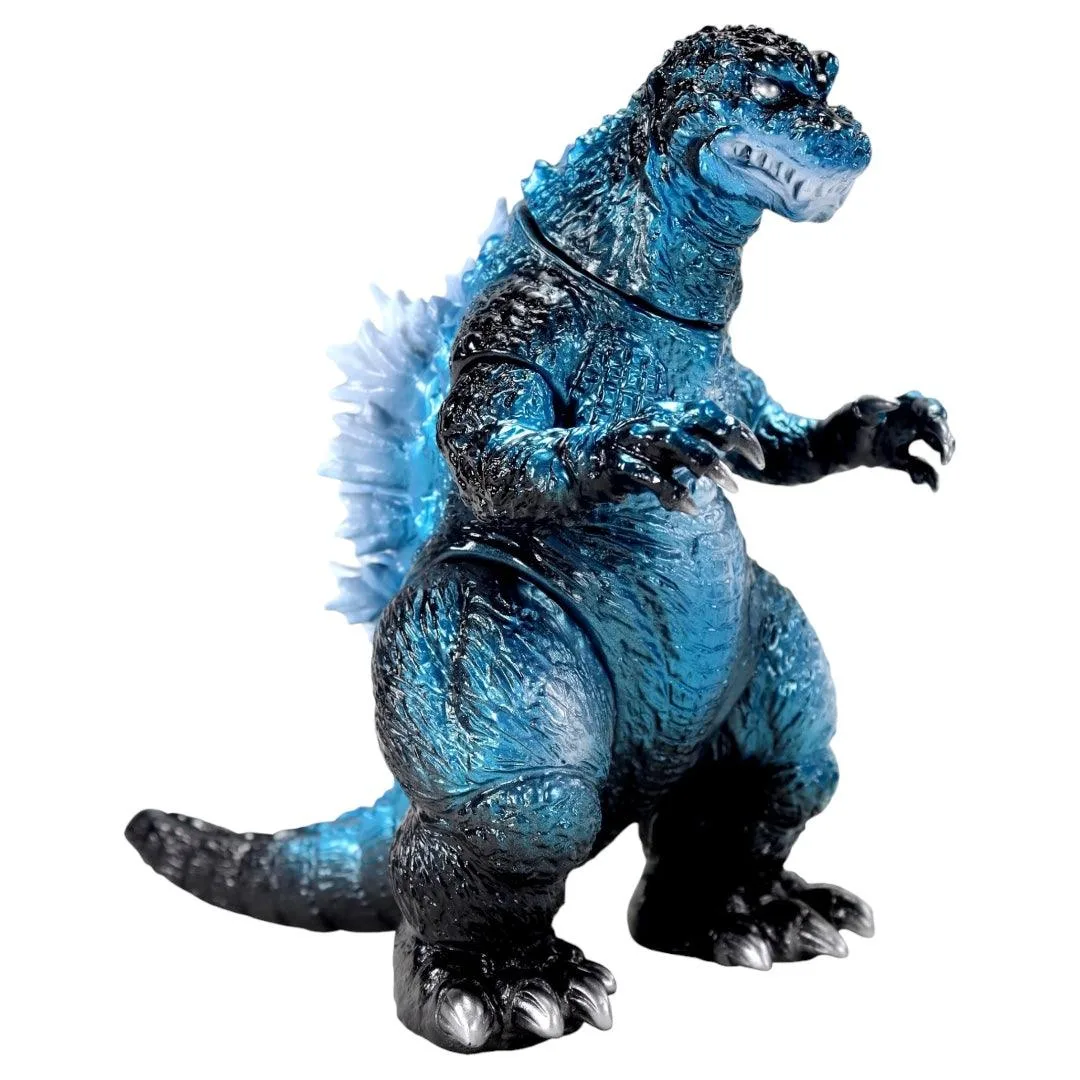
You can also mix both styles. Many collectors display a kawaii plush next to a sofubi figure, creating a dynamic contrast that showcases their diverse tastes. For example, pairing a Sanrio Characters Fuwakororin Plush Series 6 with a CCP Middle Size Series Godzilla EX Vol. 4 Godzilla Atomic Breath Ver. can create an eye-catching display that celebrates both aesthetics.
- Assess your budget: sofubi can be pricier due to limited runs.
- Think about display space: plush takes more room, while sofubi can be compact.
- Consider the theme of your collection: do you prefer cute or cool?
Whether you lean toward the heartwarming charm of kawaii or the artistic edge of sofubi, both aesthetics offer unique joys. Explore our curated selection to find pieces that speak to your style. For a cute addition, check out the Sanrio Characters Fuwakororin Plush Series 6, or dive into the world of soft vinyl with a unique figure like the Fish Boat Banana Boat by Konatsu. Happy collecting!