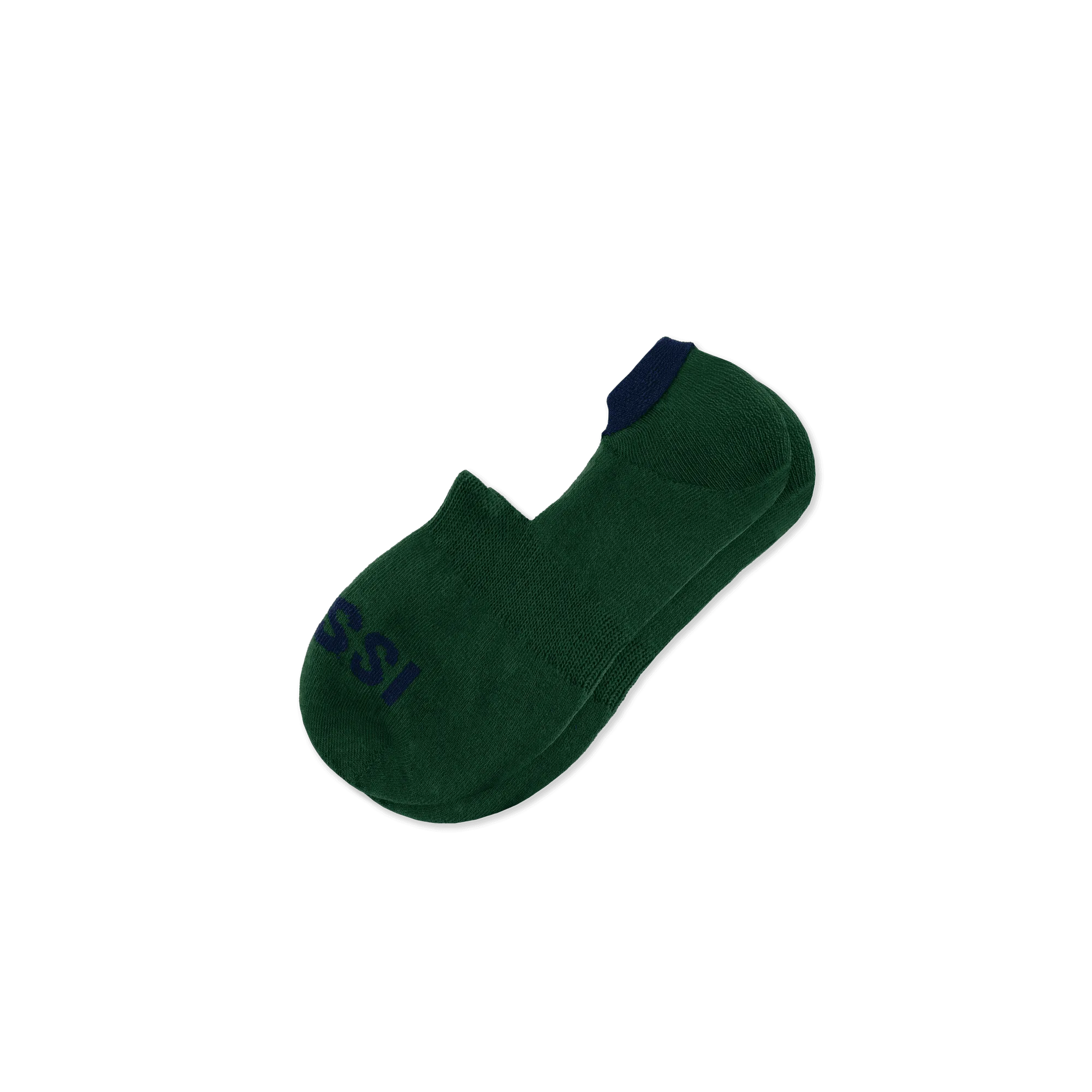
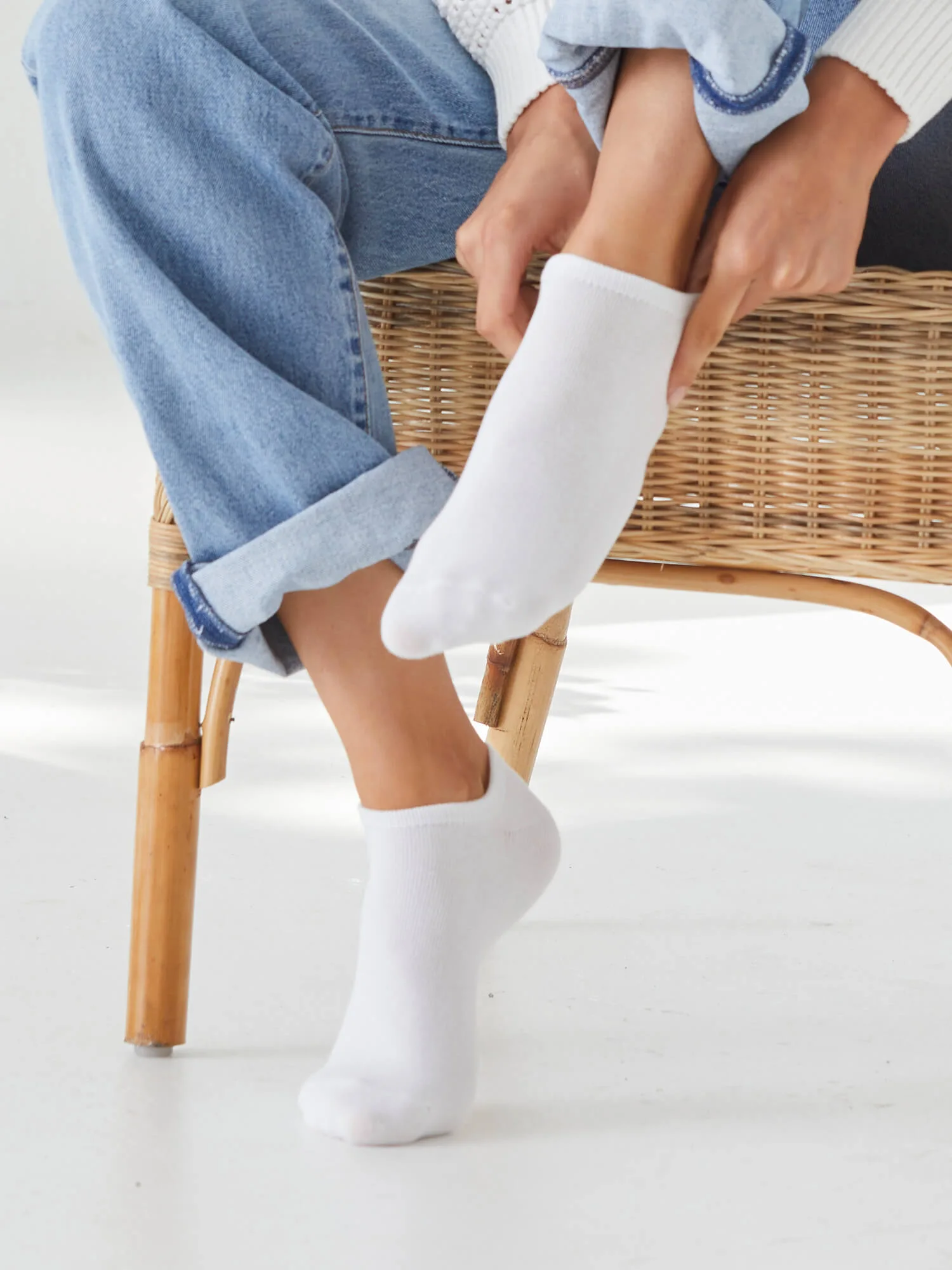
Why no show socks slip inside slip-ons
No show socks rely on a low-cut shape and often a silicone heel grip to stay hidden and secure. Inside a slip-on shoe, the lack of laces means your foot can move more freely, and that movement can pull a thin sock off your heel. The fix is not one trick but a combination of the right sock size, a heel grip that actually contacts your skin, and a shoe fit that leaves room without being loose.
Before you blame the socks, check how they sit in your slip-ons. A sock that is too small will stretch tight across the foot and roll at the heel. A sock that is too large will bunch and slide. And if your slip-on is a bit roomy, your foot will lift slightly with each step, which encourages any low-cut sock to follow.
A simple routine to keep no show socks in place
Work through these steps in order. Most slipping problems are solved by one of the first three checks.
- Match sock size to your foot, not your shoe: Use the sock manufacturer’s size chart and measure your foot if you are between sizes. A sock that fits your foot snugly at the heel has less room to slide.
- Seat the heel grip against bare skin: Pull the sock up so the silicone or grip strip sits directly on your heel, not on the shoe lining or another sock. If the grip is folded under, it cannot work.
- Check for extra room in the slip-on: Walk a few steps. If your heel lifts noticeably, the shoe may be too long or too wide. Try a thicker sock or a half insole to take up volume, or consider a smaller size if the shoe is new and returnable.
- Dry the heel area before wearing: Moisture reduces friction between sock and skin. Make sure your feet and the sock’s heel grip are dry before you put them on.
- Rotate socks and let them recover: Elastic and grip strips lose some snap if worn day after day. Alternate pairs so each sock has time to dry and return to shape.
What to look for in socks for Boardwalk Slip-On
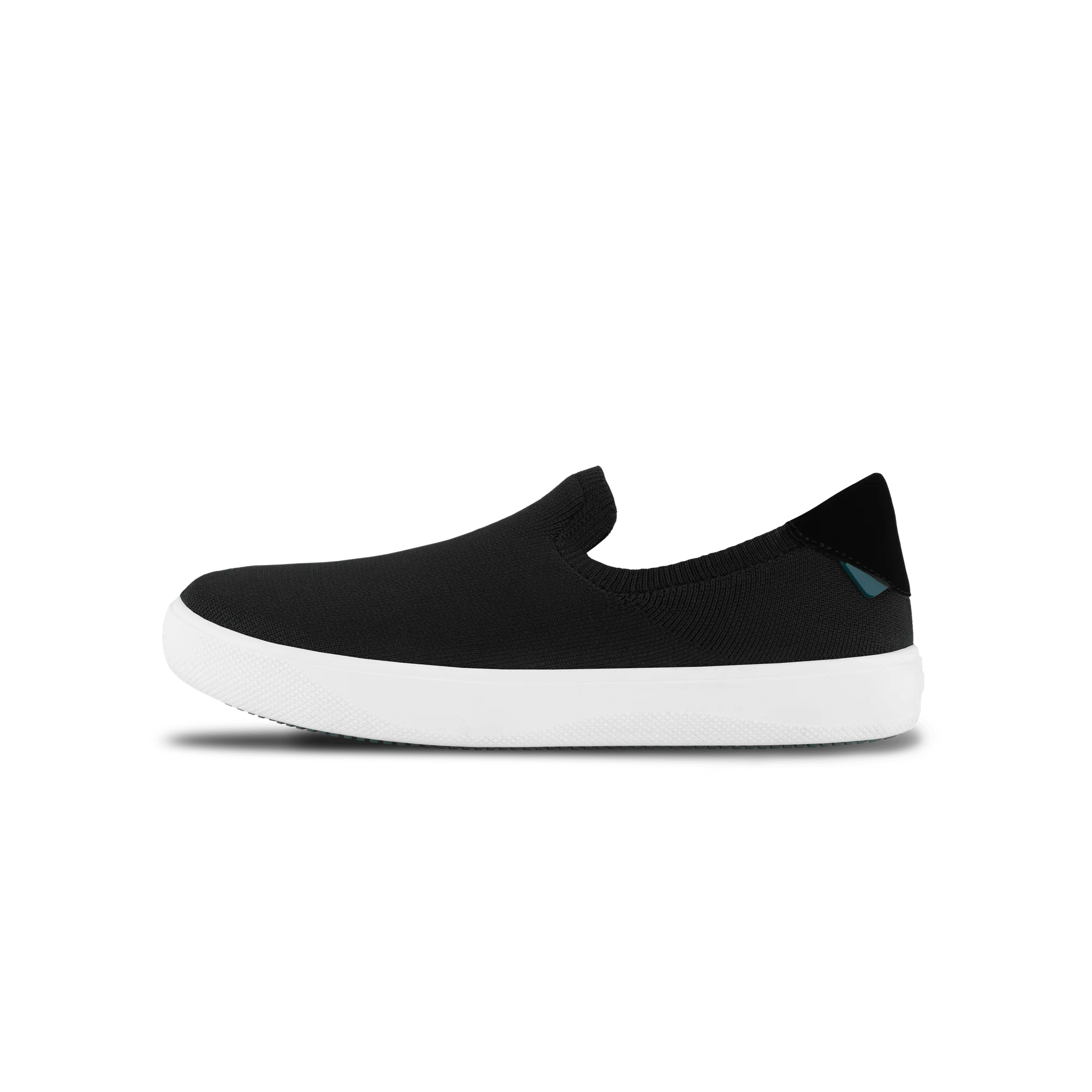
The Men’s Boardwalk Slip-On is a low-profile shoe with a knit upper and a grippy, non-marking outsole. That combination rewards a sock that stays hidden and does not add bulk. When choosing no show socks for this shoe, focus on these features.
- A defined heel grip: Look for a visible silicone or textured strip inside the heel. This is the main feature that keeps low-cut socks from sliding down.
- A low-cut shape that clears the shoe collar: The sock should sit below the edge of the slip-on so it stays hidden when you walk. If the sock peeks out, it may also rub against the shoe and roll down.
- Thin, breathable fabric: A lightweight knit sock reduces bulk inside an already snug slip-on and helps manage moisture, which can affect grip.
- A snug but not tight fit: The sock should hug your arch and heel without leaving deep marks. Too much tension can cause the heel to roll; too little lets it slide.
Boardwalk Slip-On details that affect sock choice
-
Men's Boardwalk Slip-On: Lightweight, waterproof knit upper A waterproof knit can feel smooth inside, so a sock with a reliable heel grip is more important than with a textured lining.
Men's Boardwalk Slip-On
-
Men's Boardwalk Slip-On: Grippy, non-marking outsole The outsole keeps you steady on wet surfaces, but it does not affect sock slippage inside the shoe. Focus your sock choice on fit and heel grip.
-
Men's Boardwalk Slip-On: Available in sizes 6–14 in Boulder Black and Coastal Blue A precise shoe size reduces excess room that lets your foot lift and pull the sock off. Check the size chart before ordering.
When the sock is not the problem
If you have tried correctly sized socks with a heel grip and they still slip, the slip-on itself may be too loose. The Boardwalk Slip-On has a knit upper that can relax slightly with wear, and a shoe that starts roomy will only get roomier. In that case, a thin insole or a heel liner can take up volume without changing the sock.
Also consider your activity. If you are walking long distances or on uneven ground, your foot moves more inside any slip-on. A sock with a slightly taller heel tab or a more secure arch band may stay put better than a minimal low-cut pair. There is no universal fix, so test one change at a time.
Daily wear habits that help low-cut socks stay put
Small habits make a difference over a full day of wear.
- Put socks on before shoes, and reseat the heel: After sliding into your slip-ons, reach down and press the sock’s heel grip against your skin. This takes a second and prevents the slow roll that starts at the back.
- Keep toenails trimmed and smooth: Rough edges can catch the sock fabric and pull it forward, which in turn tugs the heel loose.
- Avoid pulling socks off by the toe: Removing a no show sock by tugging the toe stretches the heel elastic over time. Slide them off from the heel instead.
- Wash according to the sock label: High heat can degrade elastic and silicone grips. Follow the care instructions that come with your socks to keep the heel grip effective.