If you live in a humid climate, you've probably noticed your playing cards starting to bend, curl, or feel sticky after a few months. This isn't just an aesthetic problem—warped cards can ruin a game by making them difficult to shuffle and deal. The culprit is moisture in the air, which gets absorbed by the paper or cardboard layers in traditional cards, causing them to swell and deform.
In this guide, we'll explain why humidity wreaks havoc on playing cards, how to store them properly to minimize moisture damage, and why switching to plastic cards can be a game-changer. Whether you're a casual card player or a serious bridge enthusiast, these tips will help you keep your cards flat and playable no matter the weather.
Why Do Playing Cards Warp in Humidity?
Most playing cards are made from layers of paper or cardstock glued together. These materials are hygroscopic, meaning they absorb and release moisture from the air. When humidity is high, the paper fibers swell unevenly, causing the card to bow or curl. The coating on the cards can also absorb moisture, leading to a sticky or tacky feel that makes shuffling a chore.
Temperature changes can make matters worse. If you leave your cards in a hot car or near a window, the heat can cause the moisture in the cards to evaporate quickly, leading to cracking or peeling. In contrast, a cool, damp basement can cause cards to become limp and pliable. Understanding these dynamics is the first step in preventing damage.
- Avoid storing cards in areas with high humidity, such as basements, garages, or near bathrooms.
- Keep cards away from direct sunlight and heat sources, which can cause rapid moisture loss and warping.
How to Store Cards in Humid Weather
Proper storage is your first line of defense against humidity. Always keep your cards in a sealed container when not in use. A simple plastic card box or a metal aluminum card box can provide a barrier against moisture. For extra protection, consider adding a silica gel packet to the box to absorb any residual humidity.
If you're storing cards for a long period, place them in a zip-lock bag with the air squeezed out before putting them in a box. This minimizes the amount of humid air that can reach the cards. For bridge players who use multiple decks, a dedicated card tray with a lid can keep your cards organized and protected.
- Use an Light Mahogany Card Box - No Cards for a stylish and protective storage solution.
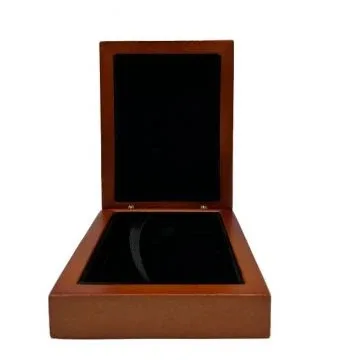
Light Mahogany Card Box - No Cards
- Consider the Aluminum Card Box Single Deck for a durable, airtight option.
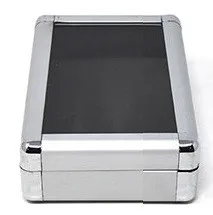
Aluminum Card Box Single Deck
The Role of Plastic Cards in Humid Climates
If you live in a region with consistently high humidity, switching to plastic playing cards is the most effective long-term solution. Plastic cards are made from PVC or acetate, which are non-porous and do not absorb moisture. This means they won't warp, curl, or become sticky, even in the most humid conditions. They are also more durable and can last for years with proper care.
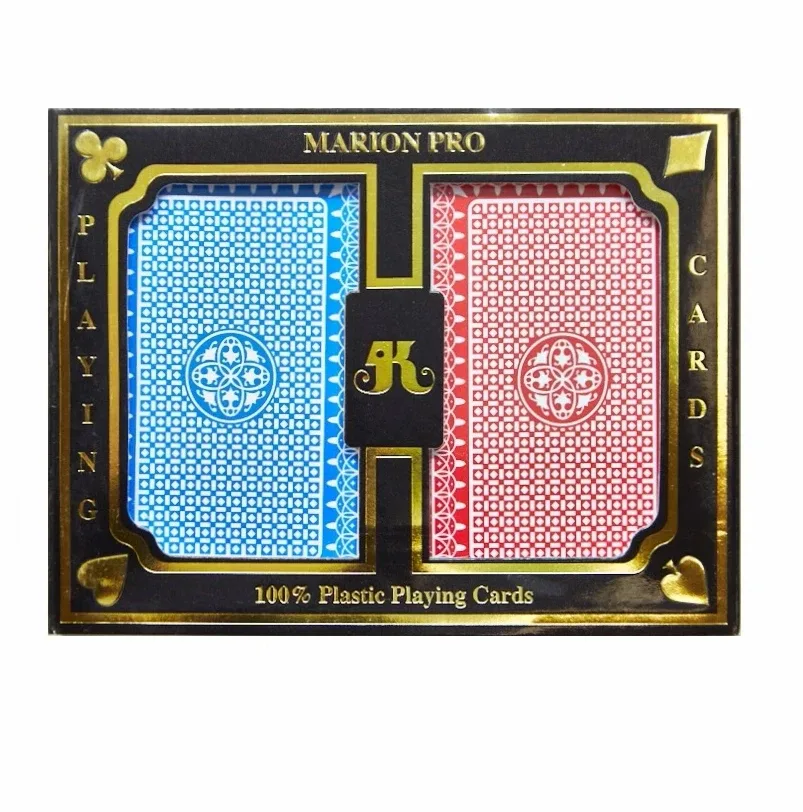
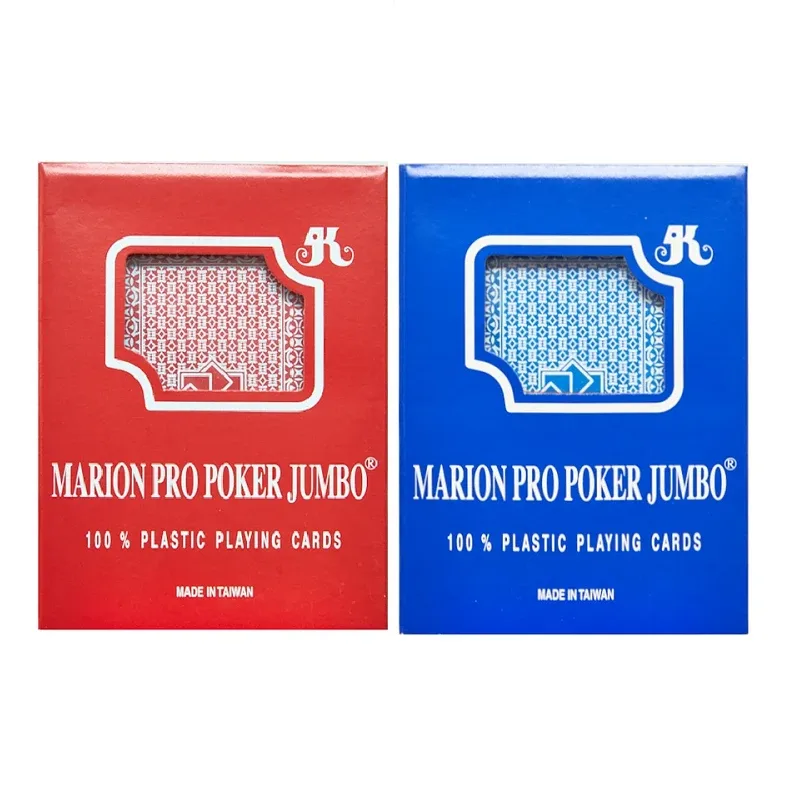
KEM is a trusted brand for plastic cards, and their bridge and poker decks are popular among serious players. For instance, the Marion Red Blue Bridge Jumbo Index offers excellent readability and a smooth feel that resists humidity. Similarly, the Marion Red Blue Poker Jumbo Index is a great choice for poker games in humid environments.
- Plastic cards are washable—just wipe them with a damp cloth and dry immediately.
- They are more expensive upfront but last much longer than paper cards.
Daily Care Tips for Humid Climates
Even with plastic cards, you should adopt a few daily habits to keep them in top shape. Always wash and dry your hands before handling cards to avoid transferring oils and moisture. After a game, wipe the cards with a soft, dry cloth to remove any sweat or residue. Avoid eating or drinking near your cards, as spills can cause immediate damage.
If you use paper cards, consider rotating your decks to give them time to 'rest' and dry out between uses. Store them in a cool, dry place, and never leave them in a car overnight. For bridge players, using a card tray can also help keep cards flat and protected during breaks.
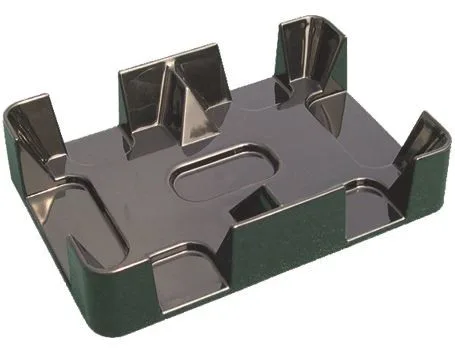
- Use a Card Tray: Plastic, Black to keep your active deck flat and off the table.
- Invest in Plastic Triangle Playing Card Holders - Set of 4 to reduce handling and minimize moisture transfer.
What to Do If Your Cards Already Warped
If your paper cards have already warped, there are a few tricks you can try to flatten them. Place the cards between heavy books for a few days, or use a low-heat iron on a cloth setting (be careful not to scorch). However, these methods are not always successful, and the cards may never be as good as new. The best remedy is prevention, which is why many players in humid climates eventually switch to plastic cards.
For plastic cards that have become slightly bent, you can often restore them by placing them under a heavy weight for a few hours. Since plastic is more resilient, this usually works well. Just avoid using heat, as it can melt the cards.
- Always dry cards thoroughly before storing them.
- If warping persists, consider replacing paper decks with plastic ones.
Humidity doesn't have to ruin your card games. By understanding why cards warp and taking proactive steps—like using proper storage, daily care, and choosing plastic cards—you can enjoy your favorite games without frustration. For a durable and humidity-resistant option, check out the Marion Red Blue Bridge Jumbo Index and experience the difference plastic cards make.