Quick answer
Store unexposed and exposed film in a cool, dry, dark place, ideally between 55°F and 68°F (13°C–20°C) with stable humidity. Keep film in its original canister or foil wrapper until you load it, and use a hard case for cards and small items. For long-term storage, use the refrigerator or freezer with airtight protection, and always let film return to room temperature before opening it.
Why film storage conditions matter more than you think
Heat and humidity accelerate the chemical changes that cause color shifts, fogging, and increased grain. A car trunk in summer can easily exceed 120°F, which is enough to visibly degrade film in a few hours. Humidity is just as damaging: it can soften gelatin emulsions, encourage mold, and make 120 film backing paper stick to the emulsion. Stable, moderate conditions are more important than any single perfect number. Sudden temperature swings cause condensation, so avoid moving film between hot and cold environments without a transition period.
Storing 35mm film: canisters, cases, and cool spots
Keep 35mm film in its original plastic canister or foil wrapper until you are ready to load it. The canister protects the felt light trap from dust and the cassette from dents. For a day bag or travel, a dedicated memory card case is not designed for film, but a small hard shell case works well for keeping rolls together and protected from crushing. At home, a dedicated drawer or box away from radiators, windows, and kitchens is usually enough for short-term storage. Label your film with the stock and expiration date so you rotate older rolls first.
Storing 120 film: backing paper and moisture control
120 film is more vulnerable than 35mm because the emulsion is exposed on a paper backing that can absorb moisture. Keep rolls in their foil wrapper until loading. Once a roll is exposed, keep it tightly rolled and secured with the backing paper's adhesive strip, then place it in a light-tight bag or container. Do not store 120 film in a damp basement or a hot car. If you use a refrigerator, put rolls inside a sealed zipper bag with a desiccant packet to prevent condensation. Never freeze 120 film that has already been exposed unless you can guarantee it stays completely dry.
How to keep film cool and dry without a dedicated fridge
You do not need a dedicated film fridge for short-term storage. A consistent indoor closet or cabinet away from exterior walls works well for a few months. The key is avoiding repeated temperature swings. If you live in a humid climate, use a sealed plastic bin with reusable desiccant packs and check them monthly. For long-term storage of unexposed film, a refrigerator set at 40°F (4°C) is a practical option. Freezing is best reserved for film you will not use for a year or more, and only if it is sealed against moisture. Always write the date you stored the film on the bag.
Handling film: loading, unloading, and travel
Handle film with clean, dry hands and avoid touching the emulsion surface. When loading or unloading, work in shade or indoors, not direct sun. For 35mm, rewind slowly and avoid pulling the leader completely into the canister unless you have a leader retriever. For 120, keep tension on the roll as you unload so it does not unspool and expose the edges. At airport security, request a hand check for film rather than sending it through X-ray, especially for high-ISO or already-exposed rolls. Carry film in your carry-on, not checked luggage, where heat and rough handling are bigger risks.
What to do if film gets hot or wet
If film has been exposed to high heat, develop it as soon as possible and expect some color shift or increased grain. If film gets wet, do not wipe the emulsion. Let it air-dry in a dust-free place, then develop it promptly. If a roll has been frozen, let it thaw in its sealed bag for several hours before opening to avoid condensation. For critical shoots, test a roll from the same batch before relying on stored film.
Step-by-step film storage and handling routine
- Check the film and note the date: Before storing, inspect each roll for dents or moisture, and write the expiration date and storage date on the canister or foil wrapper. Common mistake: storing film without dates, which leads to using old rolls first and wondering why colors look off.
- Keep film in its original wrapper: Leave 35mm film in its canister and 120 film in its foil wrapper until you are ready to load. This blocks light, dust, and moisture. Checkpoint: if the wrapper is torn, move the roll to a light-tight bag or container.
- Choose a cool, dry, stable location: Store film in a closet or cabinet away from windows, radiators, and kitchens. Aim for 55–68°F and steady humidity. Common mistake: using a garage or attic where temperatures swing widely.
- Use sealed containers for humid climates: Place film in a sealed plastic bin with reusable desiccant packs. Check the packs monthly and recharge or replace them when saturated. Checkpoint: if you see condensation inside the bin, move the film and dry the container.
- Refrigerate or freeze only when needed: For long-term storage, seal film in a zipper bag with desiccant and place it in the refrigerator. Freeze only film you will not use for a year or more. Common mistake: freezing exposed 120 film without moisture protection, which can ruin the backing paper.
- Thaw film slowly before use: When removing film from cold storage, leave it in its sealed bag for several hours until it reaches room temperature. Checkpoint: opening the bag too soon causes condensation on the film, which can leave marks.
- Handle and load film with clean, dry hands: Work in shade or indoors. Load and unload carefully, keeping 120 film tightly rolled and 35mm film away from direct sun. Common mistake: touching the emulsion surface, which can leave permanent fingerprints.
Gear that helps with film storage and handling
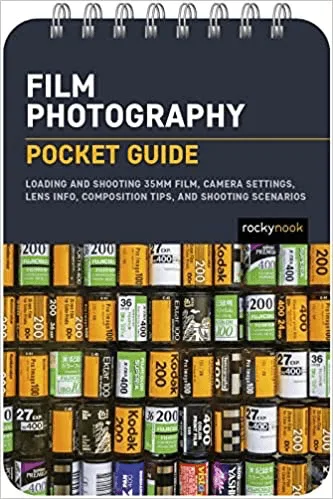
- Rocky Nook Film Photography: Pocket Guide: Loading and Shooting 35mm Film, Camera Settings, Lens Info, Composition Tips, and Shooting Scenarios (The Pocket Guide Series for Photographers): Rocky Nook Film Photography: Pocket Guide covers loading and shooting 35mm film, camera settings, lens information, composition tips, and shooting scenarios. A compact reference you can keep in your bag to check loading steps and settings when you are shooting away from home.
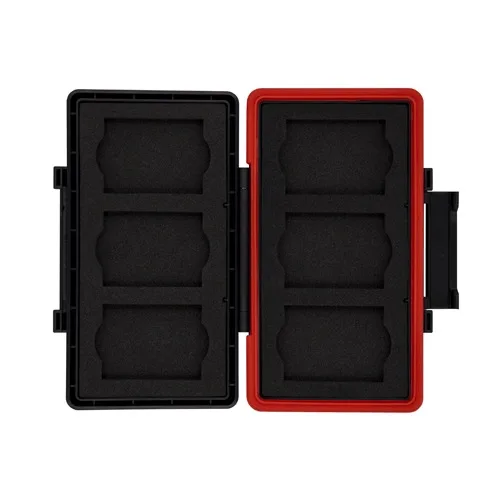
- Promaster Rugged Memory Case for XQD & CFexpress: ProMaster Rugged Memory Case holds up to 6 XQD or 6 CFexpress memory cards, with soft foam inserts and a hard plastic shell that is water resistant and floats. The same hard-shell, foam-lined protection that keeps digital cards safe also works well for carrying a few rolls of film or small accessories on a wet or rough trip.