Quick answer
For most small whelping or nursery pens, a heat mat is the simpler, lower-cost choice because it warms one specific spot and can be moved as needs change. For a permanent kennel room or a floor run that needs even, room-wide warmth, a floor heating circulator pump paired with an in-floor system is the better long-term fit. Choose based on whether you need spot warmth or whole-room heat.
Heating a dog kennel is not a one-size-fits-all decision. The right system depends on whether you are warming a single whelping box, a nursery pen, or an entire kennel building. Heat mats and floor heating solve different problems, and picking the wrong one can mean wasted energy or uneven warmth.
This comparison looks at how each option works, what it costs to run, and where each one makes sense. We will also cover how a circulator pump fits into a floor heating setup, and when a wall heater might be the smarter middle ground.
How heat mats and floor heating work
A heat mat is a small electric pad placed under a whelping box, bed, or resting area. It warms only the surface it covers, so the animal gets a warm spot to lie on while the rest of the room stays at ambient temperature. Mats are portable, plug into a standard outlet, and can be moved from pen to pen as litters grow or layouts change.
Floor heating works differently. A circulator pump moves hot water through tubing embedded in the floor, warming the entire slab or floor surface. The 110-V Grundfos Circular Pump is a three-speed circulator designed for heating and air-conditioning systems, and it also supports central and district heating. It provides reliable, maintenance-free operation. Because the heat comes from the floor itself, the whole room stays evenly warm rather than just one spot.
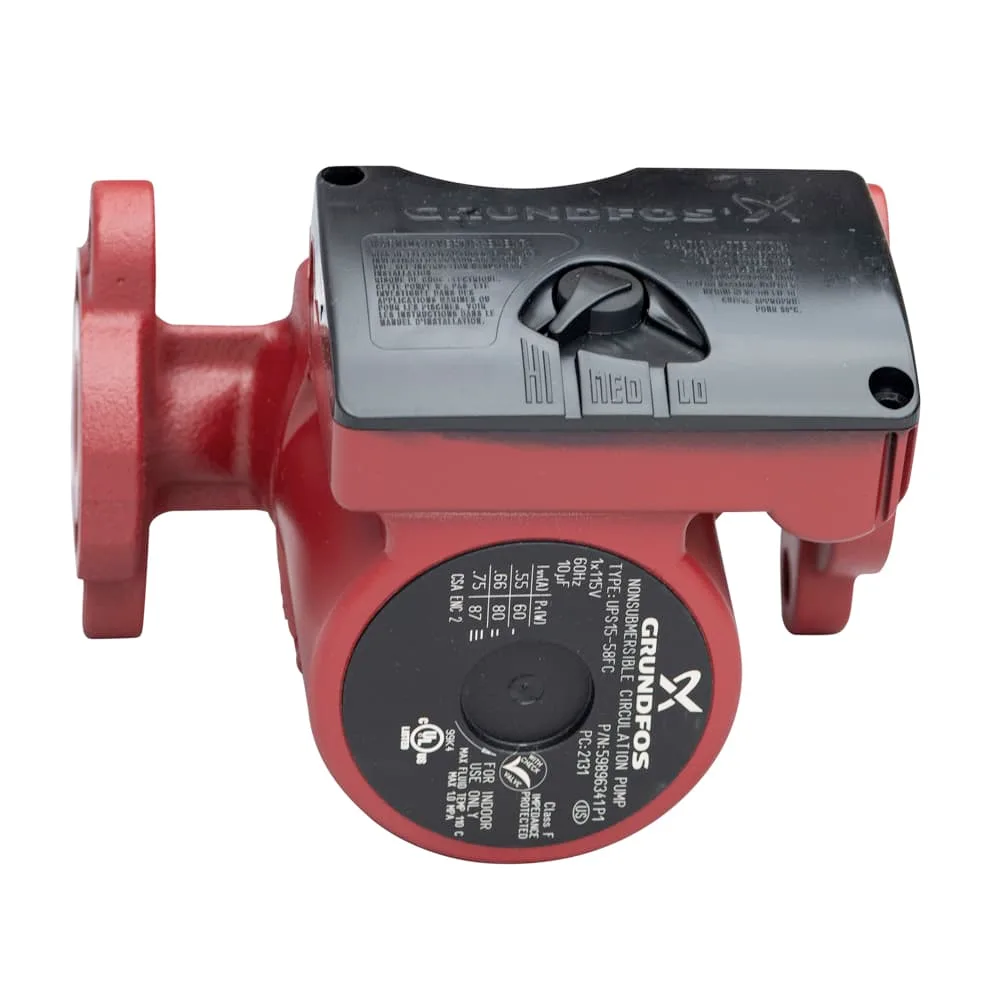
110-V Grundfos Circular Pump
- Heat mats warm a target area; floor heating warms the whole room.
- Floor heating needs a pump and tubing; heat mats only need an outlet.
- Portable mats suit changing layouts; floor heating suits permanent kennels.
Kennel heating cost comparison
Upfront cost is where heat mats usually win. A single mat is a small purchase, and you can add more only where you need them. Floor heating requires a larger investment because you are installing tubing, a pump, and possibly a dedicated heat source. The 110-V Grundfos Circular Pump is priced at USD 84.97, with a catalog comparison price of USD 132.77, but that is only one component of a full system.
Running costs depend on how you use each option. Heat mats run only when a specific pen needs warmth, so they can be cheap for one or two animals. Floor heating runs a pump and a heat source to warm an entire space, which uses more energy but replaces the need for multiple mats or space heaters. If you heat several pens at once, floor heating can be more efficient per animal. If you heat one whelping box, a mat is usually the lower-cost route.
- Count how many pens need heat before comparing total cost.
- Floor heating pays off when you warm a whole room, not one spot.
- Mats let you heat only the animals that need it.
Safety and comfort for dogs and puppies
Heat mats are designed to provide gentle, localized warmth, which is helpful for puppies that need a warm zone next to a cooler area. The main trade-off is that a mat only covers part of the floor, so a dog that moves off the mat loses the heat. Mats also need to be sized and placed so the animal can move away if it gets too warm.
Floor heating spreads warmth evenly across the entire floor, so there are no hot or cold spots. This can be safer for very young puppies that cannot easily move away from a concentrated heat source. The trade-off is that floor heating warms the whole room, which may be more than you need in a small nursery. A wall heater like the Envi Electric Wall Heater heats rooms up to 150 square feet with fan-less, virtually noiseless operation and stays cool to the touch, which can complement either system.
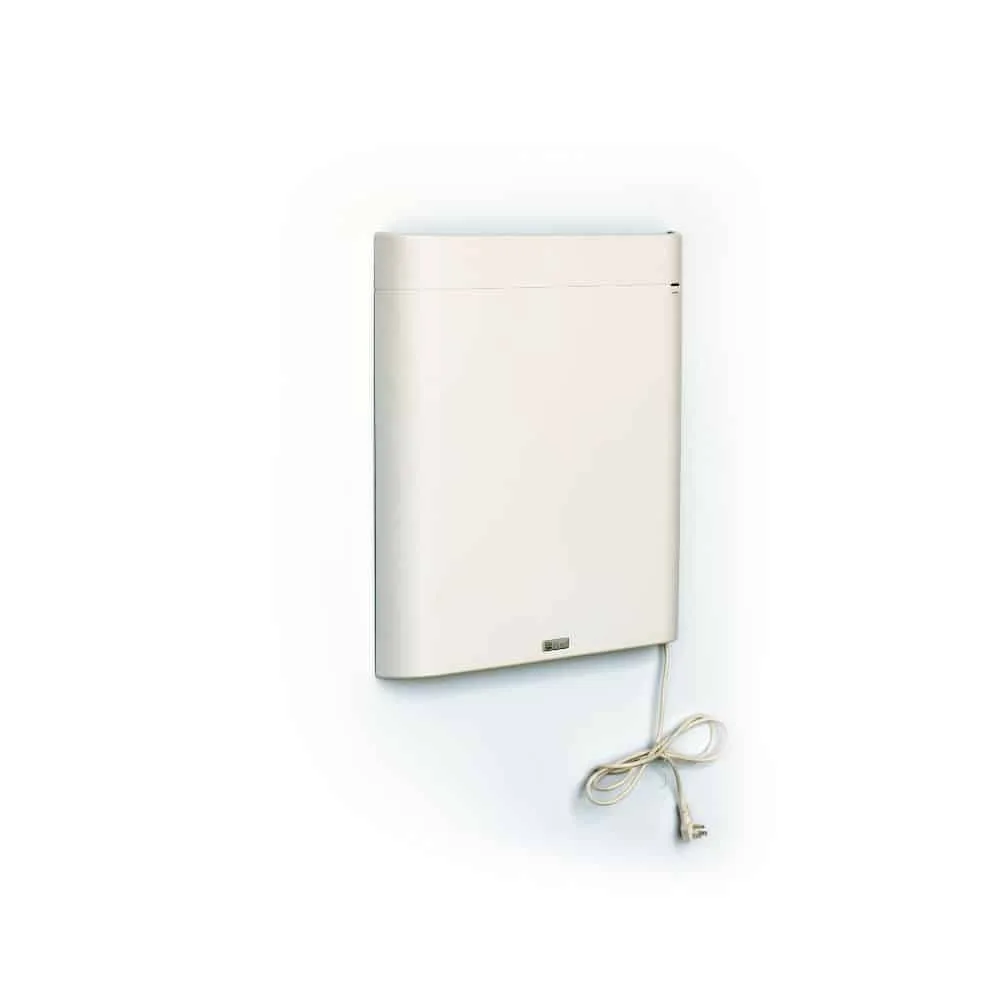
Envi Electric Wall Heater
- Mats give a warm zone plus a cooler escape area.
- Floor heating removes hot spots but warms the entire room.
- Always leave a cooler area so animals can self-regulate.
Installation and maintenance trade-offs
Heat mats are plug-and-play. You unbox, place, and plug in. Cleaning usually means wiping the surface and checking the cord for wear. There is no plumbing, no pump, and no installation cost. If a mat fails, you replace one small unit.
Floor heating is a permanent installation. You need tubing in the floor, a heat source, and a circulator pump. The Grundfos pump is designed for maintenance-free operation, which reduces long-term service worries, but the initial install is more involved. Once installed, floor heating is largely invisible and does not take up floor space or create tripping hazards. The trade-off is that you cannot easily move it or expand it without opening the floor.
- Mats: no installation, easy to replace, portable.
- Floor heating: permanent, out of the way, harder to change.
- Choose floor heating only if you plan to stay in the space long term.
Trade-offs at a glance
- Upfront cost: Heat mats cost far less to start because you buy only the pads you need. Floor heating requires a pump, tubing, and a heat source, so the entry price is much higher. If budget is tight or your needs may change, start with mats.
- Coverage: Mats warm one spot and leave the rest of the room at ambient temperature. Floor heating warms the entire floor evenly, which is better for a whole room or a floor run. Match coverage to the number of animals and pens you actually heat.
- Installation and flexibility: Mats are portable and replaceable. Floor heating is permanent, invisible, and space-saving but difficult to move or expand later. Choose floor heating only if the kennel layout is staying put.
Product facts
- 110-V Grundfos Circular Pump: UPS 15-58 FC HVAC: Heating, Plumbing: Hot water Re-circulation, Residential Heating, Floor Heating UPS is a three-speed circulator pump designed for heating and air-conditioning systems and is also used for central and district heating systems. This 110-V Grundfos circular pump provides reliable and maintenance-free operation. If you choose floor heating, this pump is the component that circulates hot water through the floor loop. Its maintenance-free design reduces long-term service needs, but it is only one part of a full system.
- Envi Electric Wall Heater: Heats rooms up to 150 square feet. Energy-efficient. Fan-less heat. Virtually noiseless. Easy to install. Cool to the touch. Simple controls. A wall heater can warm a small kennel room without floor tubing or mats. It is a middle option when you want room-wide heat but do not want a permanent floor heating install.
Which kennel heating system fits your setup?
Best for
- Small whelping or nursery pens where only one or two areas need warmth.
- Breeders who move pens, change layouts, or need a backup heat source.
- Owners who want the lowest upfront cost and plug-and-play setup.
Not for
- Whole-room kennel buildings that need even, permanent warmth.
- Floor runs where you want heat without mats taking up space.
- Spaces where you plan to install a permanent heating system and stay long term.
There is no single winner in the kennel heating showdown. Heat mats win on cost, portability, and simplicity for spot warmth. Floor heating wins on even coverage and permanent, out-of-the-way comfort for whole rooms. If you are heating a single whelping box, start with a mat. If you are heating a kennel building or floor run for the long haul, plan for floor heating with a reliable circulator pump. A wall heater can bridge the gap for small rooms up to 150 square feet.