Quick answer
Wash a kennel mat on a gentle cycle with cold water and a small amount of mild, enzyme-based detergent, then air-dry it flat or tumble on low. Spot-clean accidents right away, and plan on a full wash every one to two weeks for everyday crate use. That schedule handles most dog crate mat cleaning without wearing out the quilted fabric or the non-skid bottom.
Why kennel mats get smelly faster than you expect
A crate mat sits in the smallest, least-ventilated space your dog uses, so it collects three things at once: shed hair woven into the quilted surface, saliva and paw moisture, and skin oils. Those combine into the sour, musty smell people describe as 'dog bed odor' — and it usually comes from the filling and seams, not the top fabric you can see.
That is why surface wiping alone stops working after a week or two. Odor lives in the layers, so the fix is a real wash cycle plus thorough drying, not more air freshener.
What you need before the first wash
Gather a mild or enzyme-based pet detergent, a rubber-bristled brush or lint roller, a mesh laundry bag if your mat is small, and two towels. Skip fabric softener and bleach — softener coats the quilted plush and traps odor, while bleach weakens stitching over repeated washes.
Check the mat's care label first. If a mat has a non-skid bottom, the label and product description are your only reliable source for heat limits, because rubberized backing can crack in high heat.
How often to wash, by situation
For a healthy adult dog with no accidents, one full wash every one to two weeks keeps a crate mat fresh. Wash within 24 hours after any accident, vomit, or muddy-paw episode, and wash weekly if your dog drools heavily, has allergies, or is recovering from surgery.
If your dog chews or digs at the mat, inspect seams for tears before washing. A small rip becomes a filling spill once the drum starts spinning.
Drying is where most mats get ruined
Heat is the enemy, not water. Air-dry flat or drape the mat over a railing with good airflow, and only use a dryer on the lowest heat setting if you are in a hurry. High heat is the most common reason a non-skid bottom turns stiff and starts curling at the corners.
In humid weather, point a fan at the mat or run a dehumidifier nearby. A mat that feels dry on top but damp in the middle will smell musty again within a day.
Kennel mat washing steps
- Shake out and brush the mat: Take the mat outside, shake it firmly, then run a rubber brush or lint roller over the quilted surface to lift embedded hair and crumbs before they turn into sludge in the wash. Checkpoint: if hair is still matted into the quilting, brush once more — hair left in the drum redistributes onto the fabric.
- Pre-treat stains and odor spots: Apply a small amount of enzyme cleaner to urine, vomit, or drool marks and let it sit for 5–10 minutes. Enzymes break down the proteins that cause lingering smell; regular detergent alone often does not. Mistake to avoid: soaking the whole mat in cleaner. It pushes residue deeper into the filling.
- Wash cold on a gentle cycle: Use cold water, a gentle or delicate cycle, and about a quarter of the normal detergent dose. Add an extra rinse if your machine allows it, since leftover soap is a common source of that 'clean but still smelly' problem. Skip fabric softener and bleach entirely — both shorten the life of quilted plush and stitching.
- Squeeze, do not wring: Press water out between two towels or use the machine's low-spin setting. Twisting the mat by hand can distort the quilting and pull the non-skid backing away from the fabric. Checkpoint: the mat should feel damp, not dripping, before drying.
- Air-dry flat or tumble low: Lay the mat flat or drape it over a rail with airflow on both sides. If you use a dryer, choose the lowest heat setting and check the mat every 10 minutes. Mistake to avoid: high heat. It is the fastest way to stiffen or crack a non-skid bottom.
- Confirm it is fully dry, then reset the crate: Press the thickest part of the mat against your cheek or the back of your hand. If it feels cool or damp, keep drying. Once dry, vacuum or wipe the crate floor before putting the mat back. Next step: log your wash date so you stay on a one-to-two-week schedule instead of waiting for the smell.
Product facts that affect how you wash
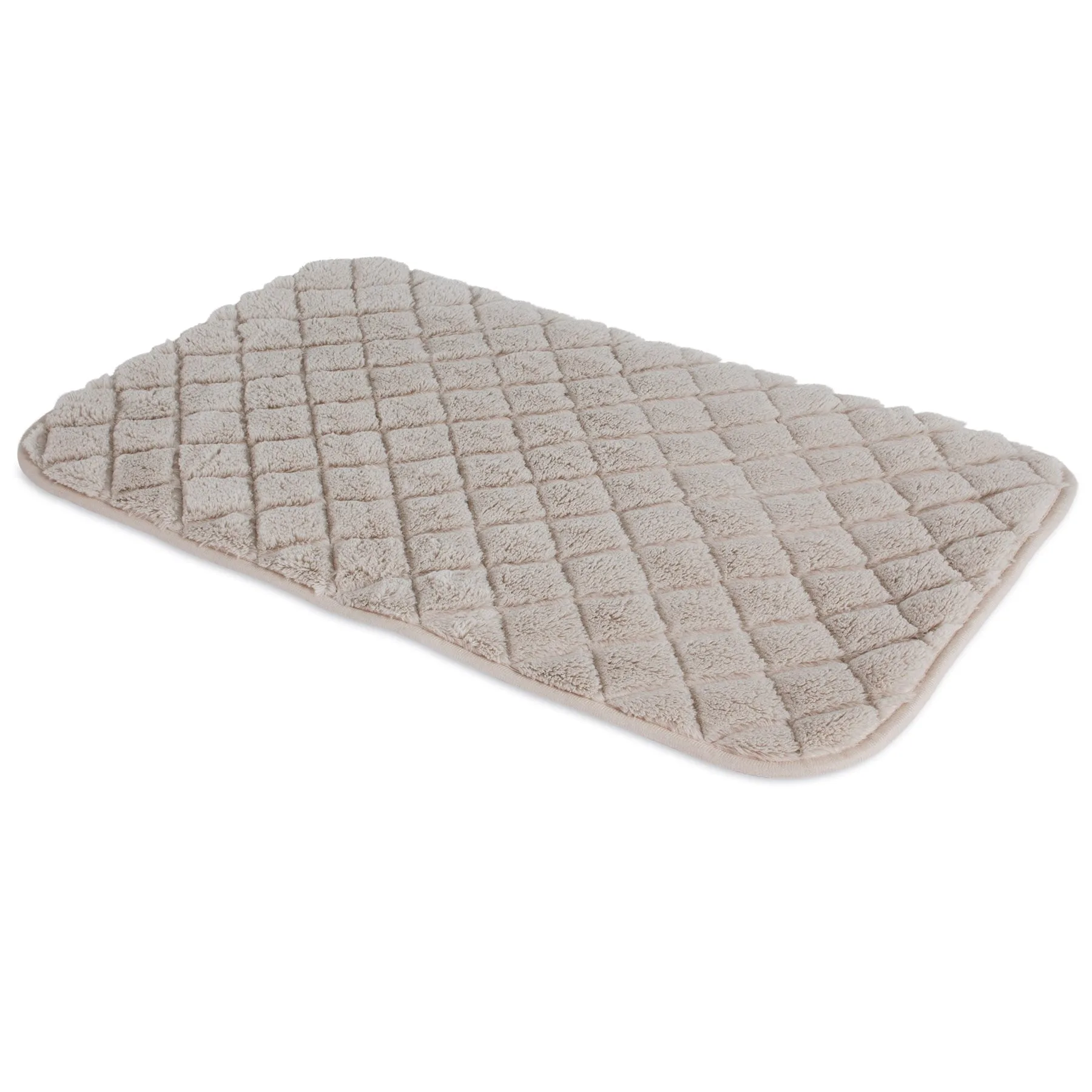
- SnooZZy Natural Quilted Kennel Mat: The SnooZZy Natural Quilted Kennel Mat has a super-soft quilted plush sleep surface and a non-skid bottom, and is designed for use in the car, at home, or inside crates. The plush quilting holds hair and oils, so brush it before washing; the non-skid bottom is the part most likely to be damaged by high dryer heat, so air-drying is the safer default.
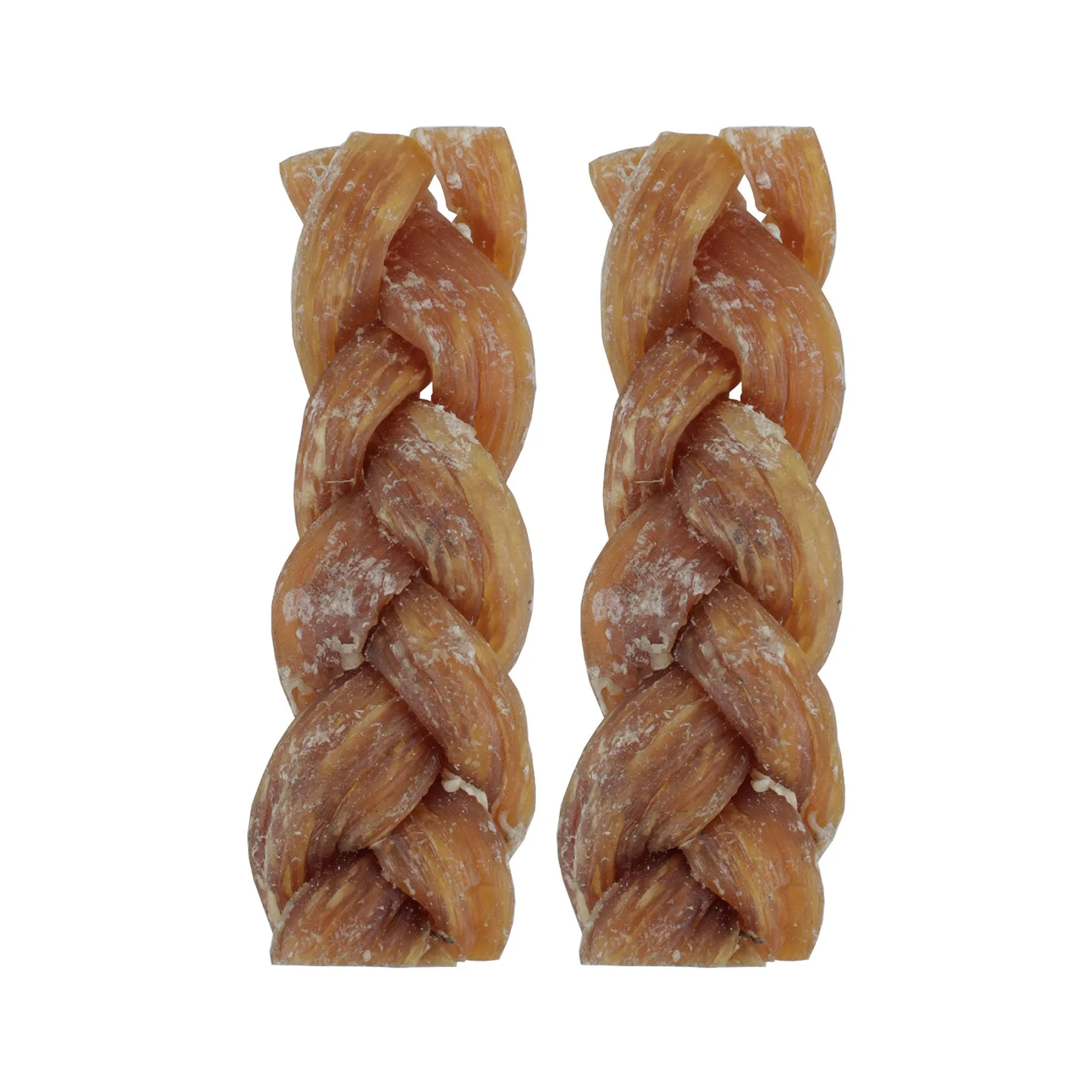
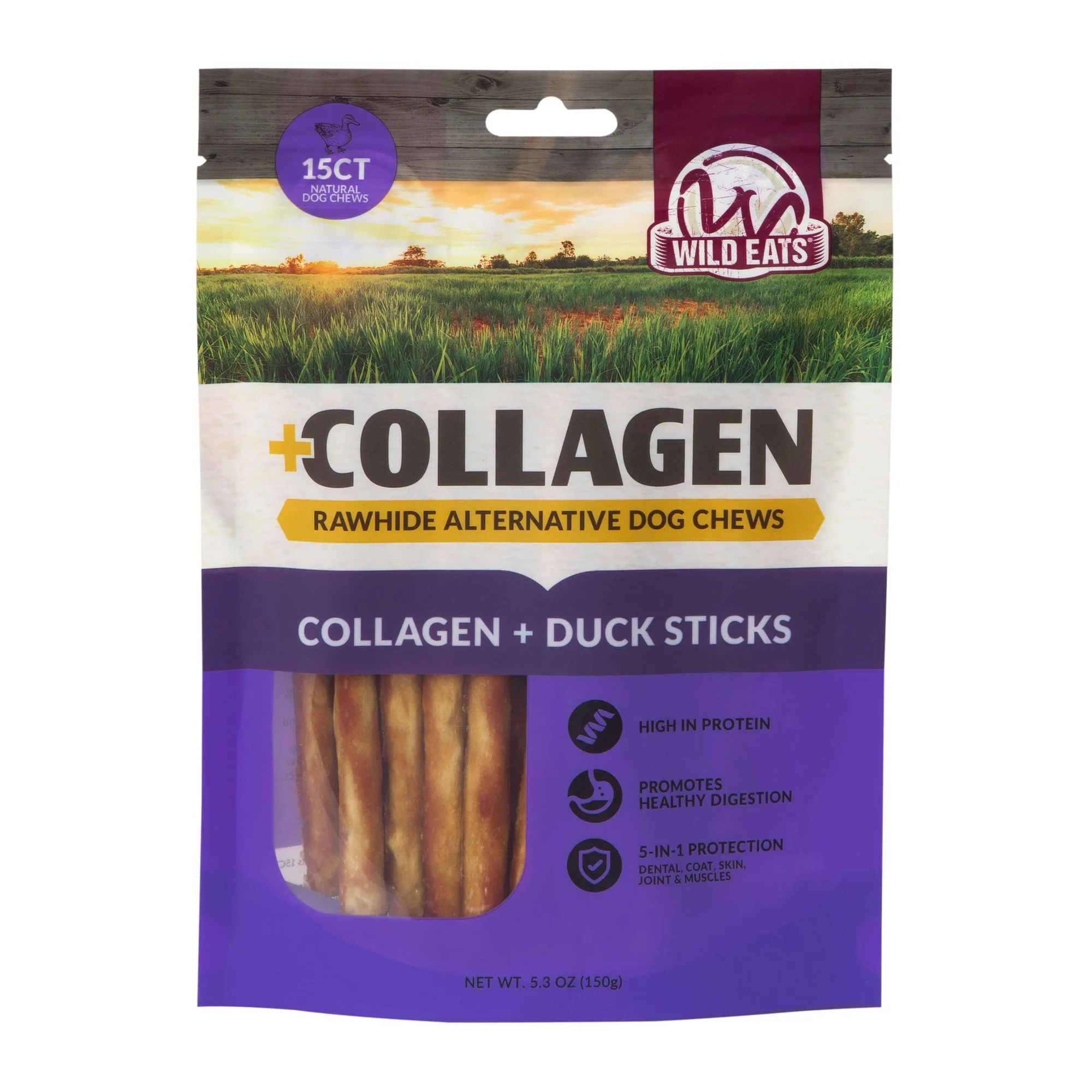
- Wild Eats Duck Flavor Collagen Long Lasting Dog Chew Sticks: Wild Eats Duck Flavor Collagen Long Lasting Dog Chew Sticks use cooked beef collagen as the number one ingredient and are positioned as a long-lasting chew. Collagen chews can leave residue on fabric, so if your dog chews in the crate, wipe the mat surface or shake it out afterward to stop sticky buildup from trapping odor.
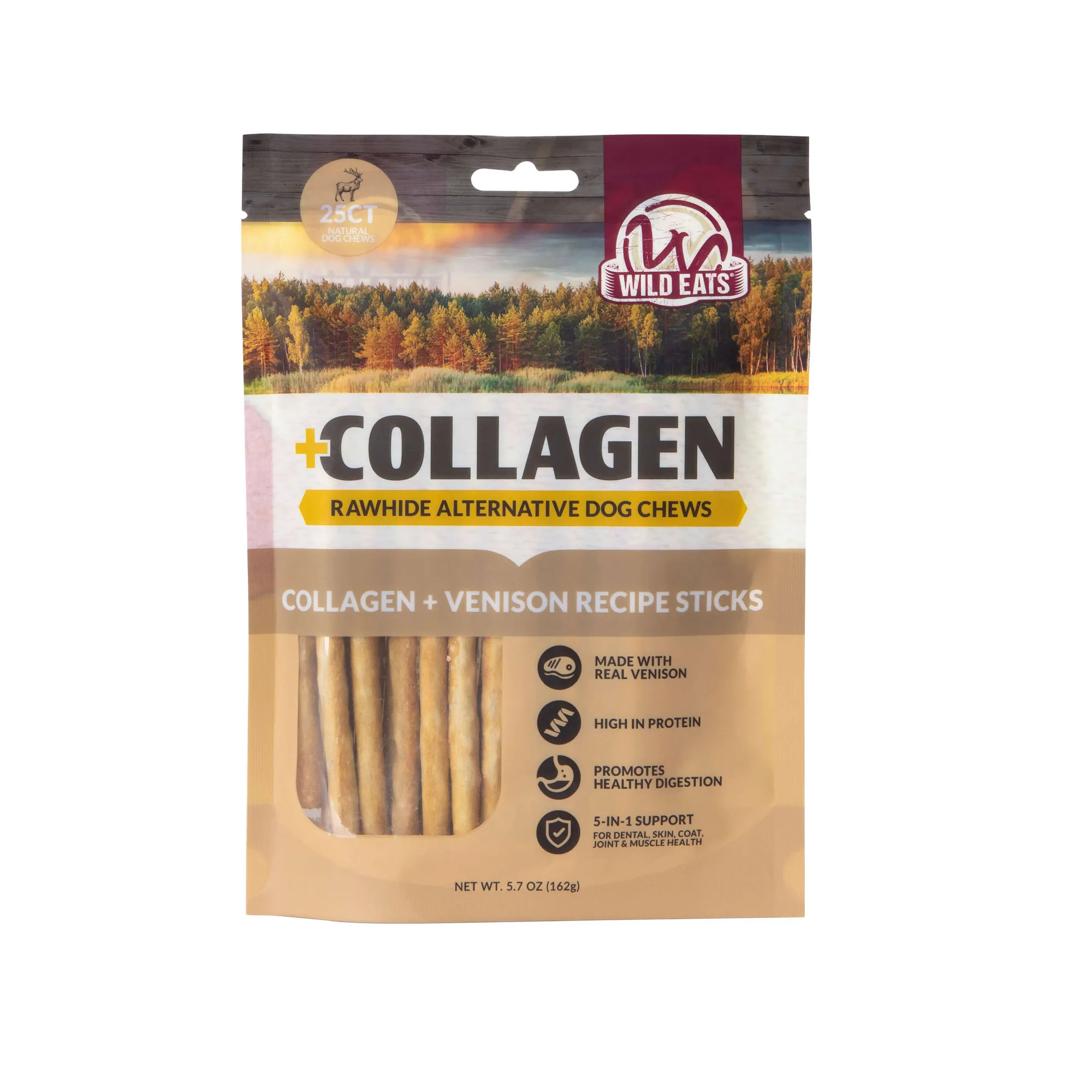
- Wild Eats Collagen Venison Recipe Sticks: Wild Eats Collagen Venison Recipe Sticks are crafted with cooked collagen as the star ingredient and come in multiple sizes and color/style options. Size options let you match the chew to your dog, which reduces crumbs and drool left on the mat between washes.