Quick answer
Keshi figures are small, often rubber-cast mini figures prized for their soft, tactile feel and compact display size. If you want a low-commitment way to start, look for a single-character piece like the MPM Keshi Figure before chasing full sets. Buy for the material and maker identity you can verify, not for a promised rarity.
What are keshi toys, and why do collectors like them?
Keshi toys are miniature figures, historically associated with Japanese capsule and candy premiums, that are valued for their small scale and their rubbery, slightly soft surface. That material difference is the point: a keshi figure sits differently in the hand than a hard plastic or vinyl piece, and it tends to feel more like a pocket-sized object than a shelf statue.
Collectors are drawn to keshi figures for three practical reasons. First, they take up almost no display space, so they suit crowded shelves and desk corners. Second, the rubber cast gives them a distinct tactile quality that hard plastic figures lack. Third, because many keshi are tied to a specific character or maker, they can be collected as small, focused groupings rather than sprawling lines.
Keshi vs gashapon: what is the actual difference?
The confusion is understandable because the terms overlap in casual use. Gashapon usually refers to the capsule vending format and the figures sold through it, while keshi describes the figure type itself, especially the small rubber-cast style. A keshi figure can be sold outside a capsule machine, and a gashapon figure is not automatically a keshi.
For buying decisions, the distinction matters less than the material and presentation. If you are shopping for the soft rubber feel, ask about the material or look for a listing that names it. If you are shopping for the capsule-opening experience, you are buying gashapon as an activity, not just an object. Neither is better; they answer different wants.
How should you start a keshi figure collection?
Start with one or two pieces that you actually like looking at, then decide whether you want to build around a character, a maker, or a color variant. A single-character keshi is a clean entry point because you can judge the scale, the material, and the paint or finish without committing to a set.
Before adding more, set a simple rule for yourself: buy only what fits your display space, and avoid paying a premium for a piece you cannot verify. Keshi collecting rewards patience more than speed, especially when the same character appears in multiple finishes or maker lines.
What should you check before buying a keshi figure?
Check the material description, the maker or brand, and whether the piece is a single figure or part of a blind-box or random assortment. If the listing does not state the material or the maker, treat that as a limitation rather than assuming the best case. A missing specification is not proof of quality either way; it just means you cannot verify it from the listing alone.
Also confirm scale and condition. Small rubber figures can show casting seams, paint variation, or slight surface marks, and those are normal for the format. If a seller describes a piece as hand-painted or one-of-a-kind, ask for clear photos of the actual item so you know what you are getting.
How do you care for small rubber mini figures?
Keep keshi figures out of direct sunlight and away from sustained heat, which can affect soft rubber over time. Dust them with a soft brush or a dry microfiber cloth rather than washing them, since moisture can trap dirt in surface texture. If you display them on an open shelf, rotate them occasionally so one side does not collect all the dust.
For storage, use a small box with a soft lining and keep pieces from pressing against each other, because rubber can deform under constant pressure. A labeled bag or compartment also helps you remember which maker or character each piece belongs to, which matters as a collection grows.
Quick keshi FAQ
Are keshi figures the same as gashapon?
Not exactly. Gashapon refers to the capsule vending format; keshi refers to the small rubber-cast figure type. A keshi can be sold outside a capsule machine. Buy the material and maker you can verify, not just the format label.
What is the MPM Keshi Figure?
It is a rubber-cast mini figure from Eddie in the City, made for fans of the My Pet Monster character and sized for compact display. A good single-character starting point if you want to try the keshi feel.
How do I avoid overpaying for keshi?
Compare the material, maker, and whether the piece is one random figure or a named one. If a listing omits those details, treat the price as unverified. Skip any listing that will not confirm material or maker.
Can I display keshi figures outside a case?
Yes, but keep them out of direct sun and heavy dust. A soft brush and a dry cloth are enough for routine cleaning. Rotate pieces on open shelves so dust and light do not hit one side only.
Product facts to know
- MPM Keshi Figure: MPM Keshi Figure is a mini figure cast in rubber, branded by Eddie in the City and presented as a compact, tactile piece for fans of the My Pet Monster character. It is a straightforward single-character keshi, so it works as a low-risk first piece if you want to test the rubber feel and small scale before buying more.
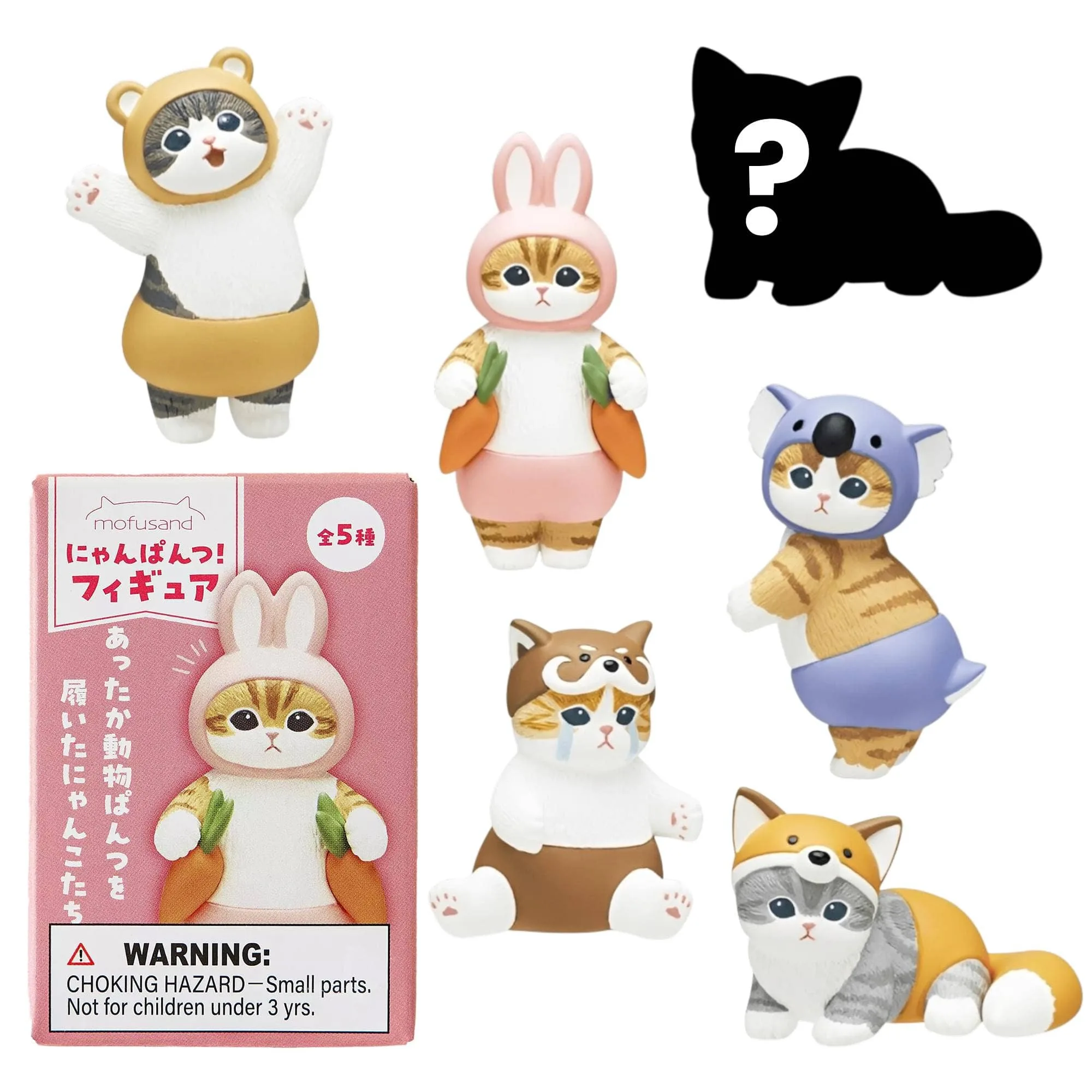
- Meow Pants Cats Blind Box Mini Figure | One Random: Meow Pants Cats Blind Box Mini Figure is a Mofusand blind box series with chubby-cheeked cats in animal-inspired pants, sold as one random figure. This is a blind-box format rather than a named keshi, so buy it for the surprise and the display charm, not for a guaranteed specific figure.
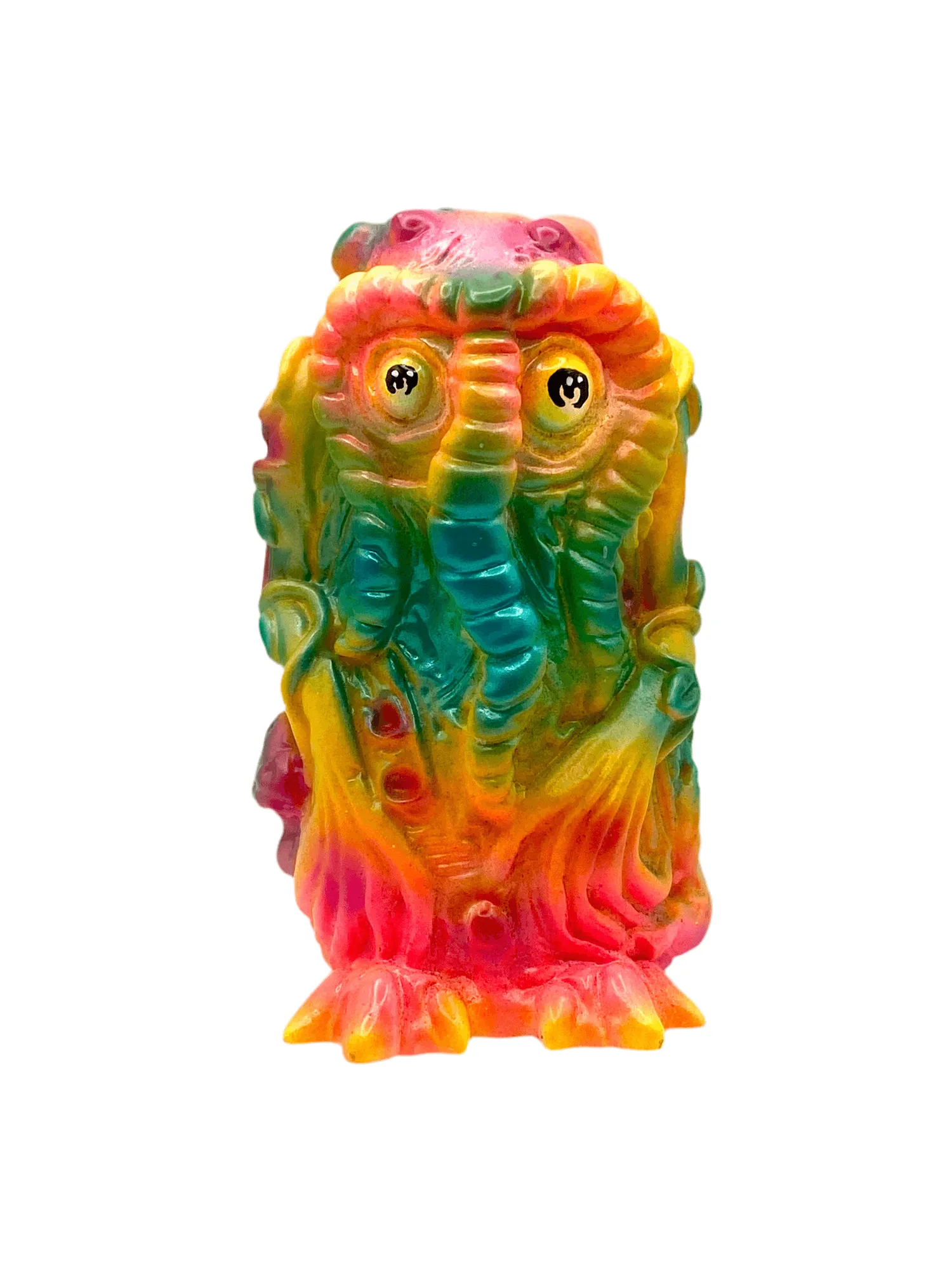
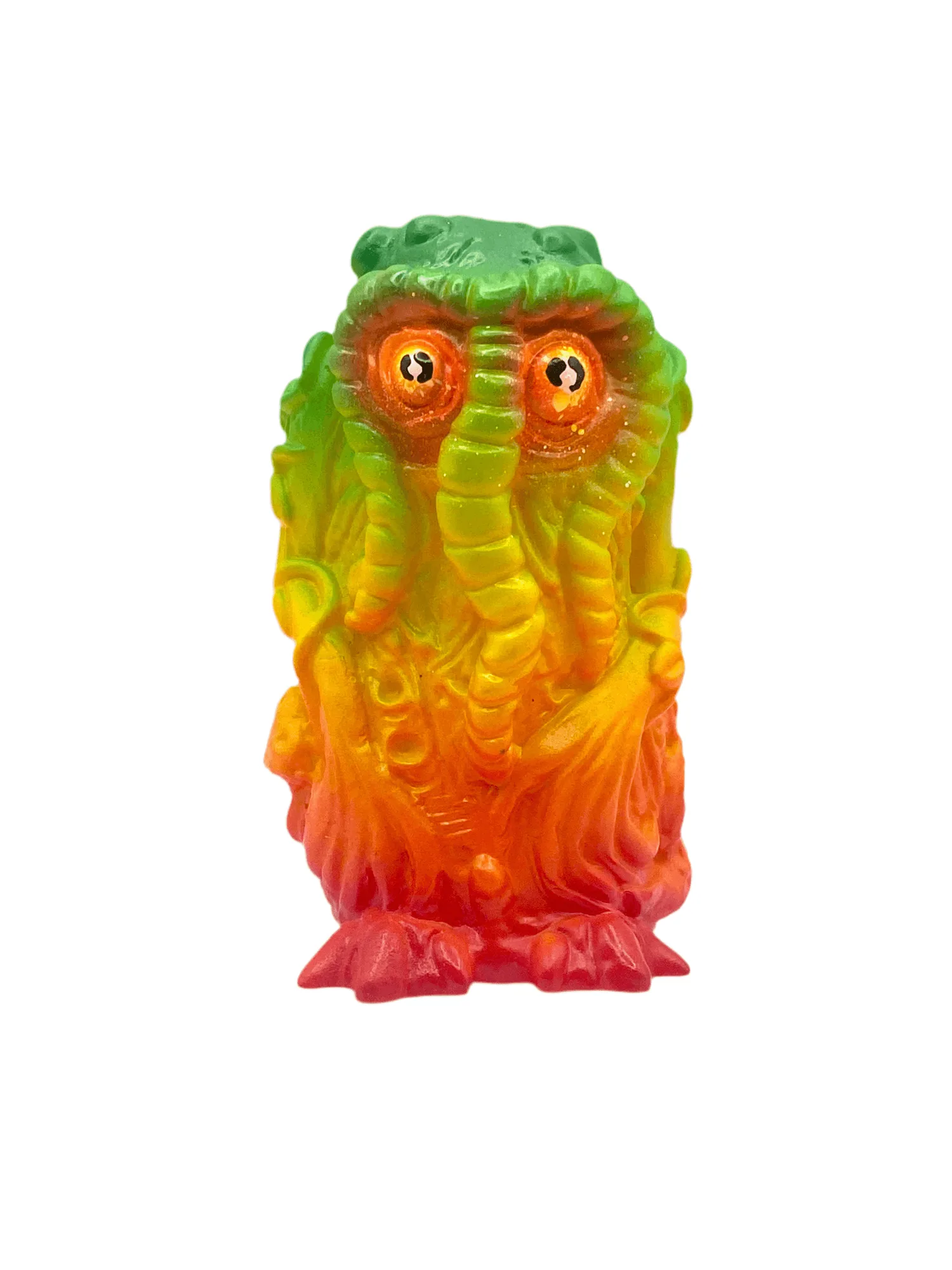
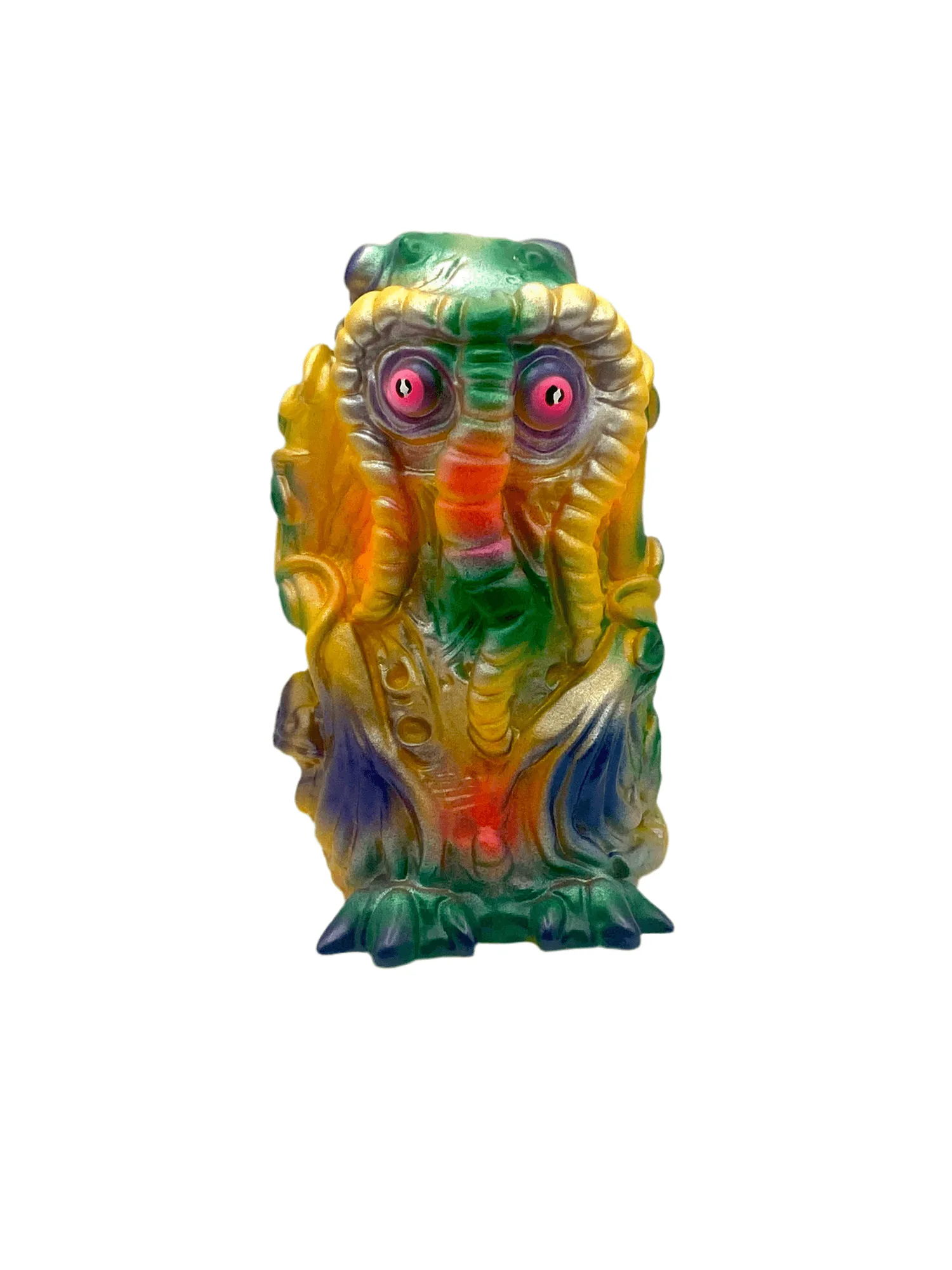
- Man-Thing Vinyl Figure 1/1 Painted by Ressinblood: https://outerlimitsstudiosdsa.com/products/copy-man-thing-vinyl-figure-1-1-painted-by-ressinblood-1-601922Man-Thing Vinyl Figure 1/1 Painted by Ressinblood is a one-of-a-kind vinyl figure hand-painted by the artist, not a rubber keshi. It shows the contrast: if you want a unique hand-finished display piece, a 1/1 vinyl is a different purchase than a small rubber keshi.