Quick answer
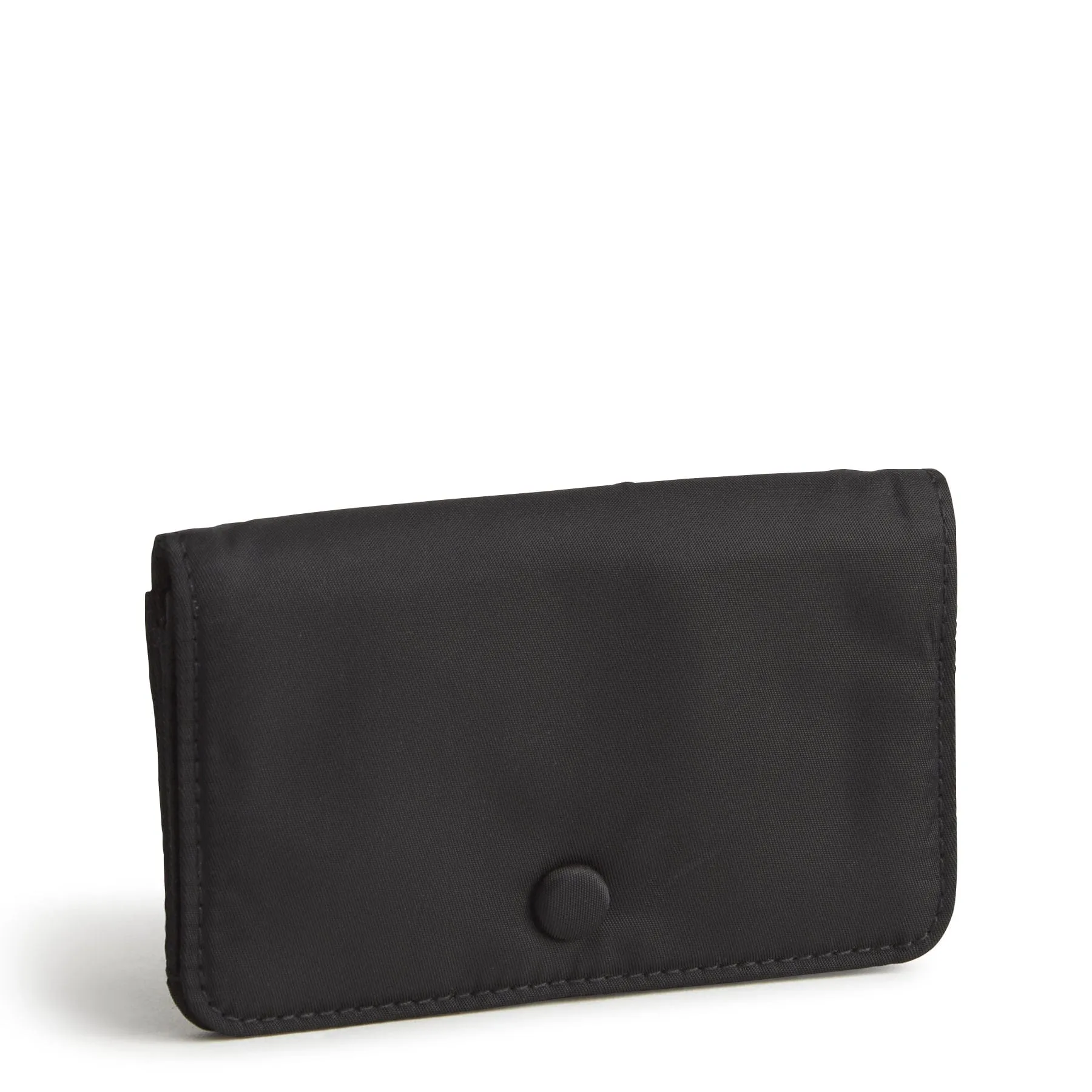
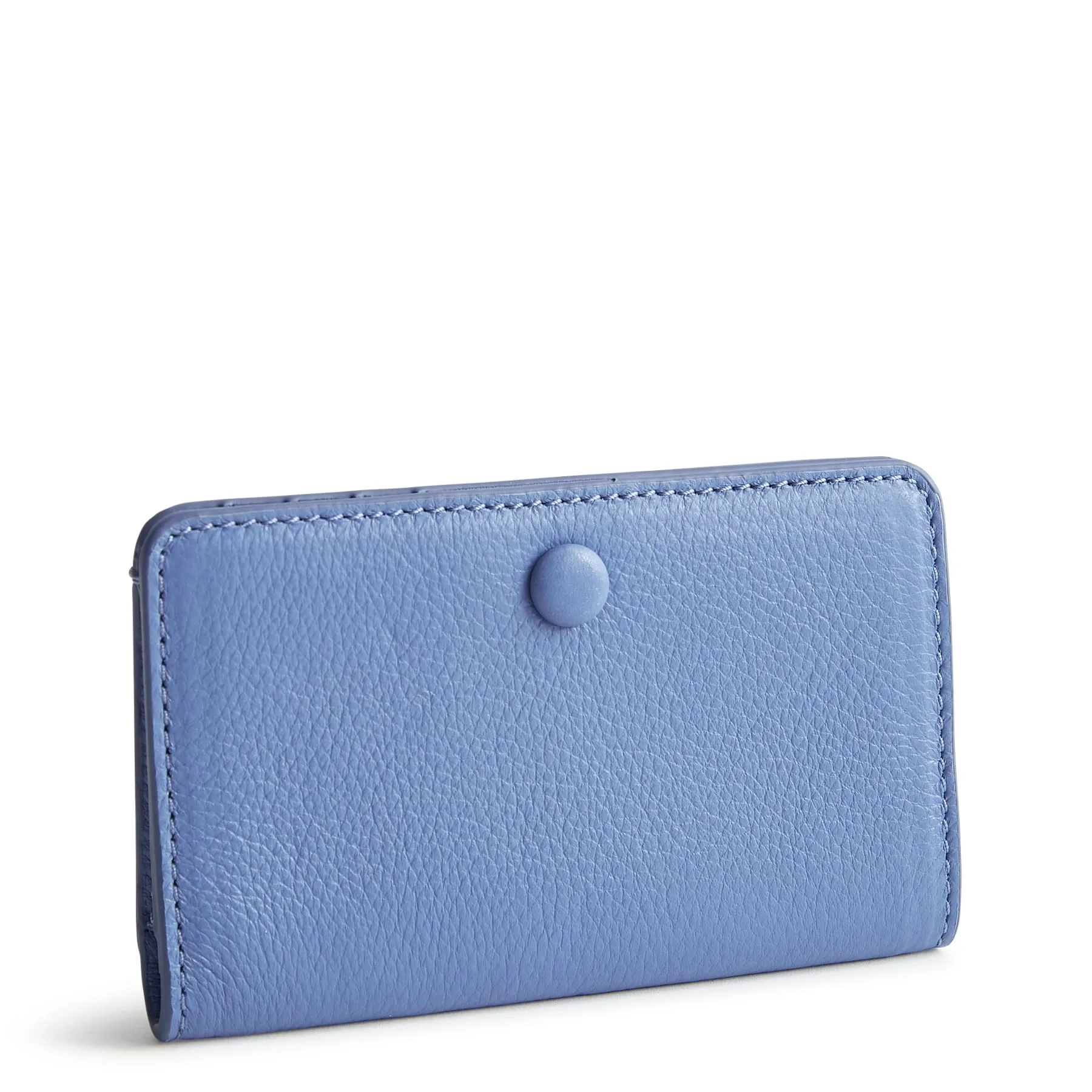
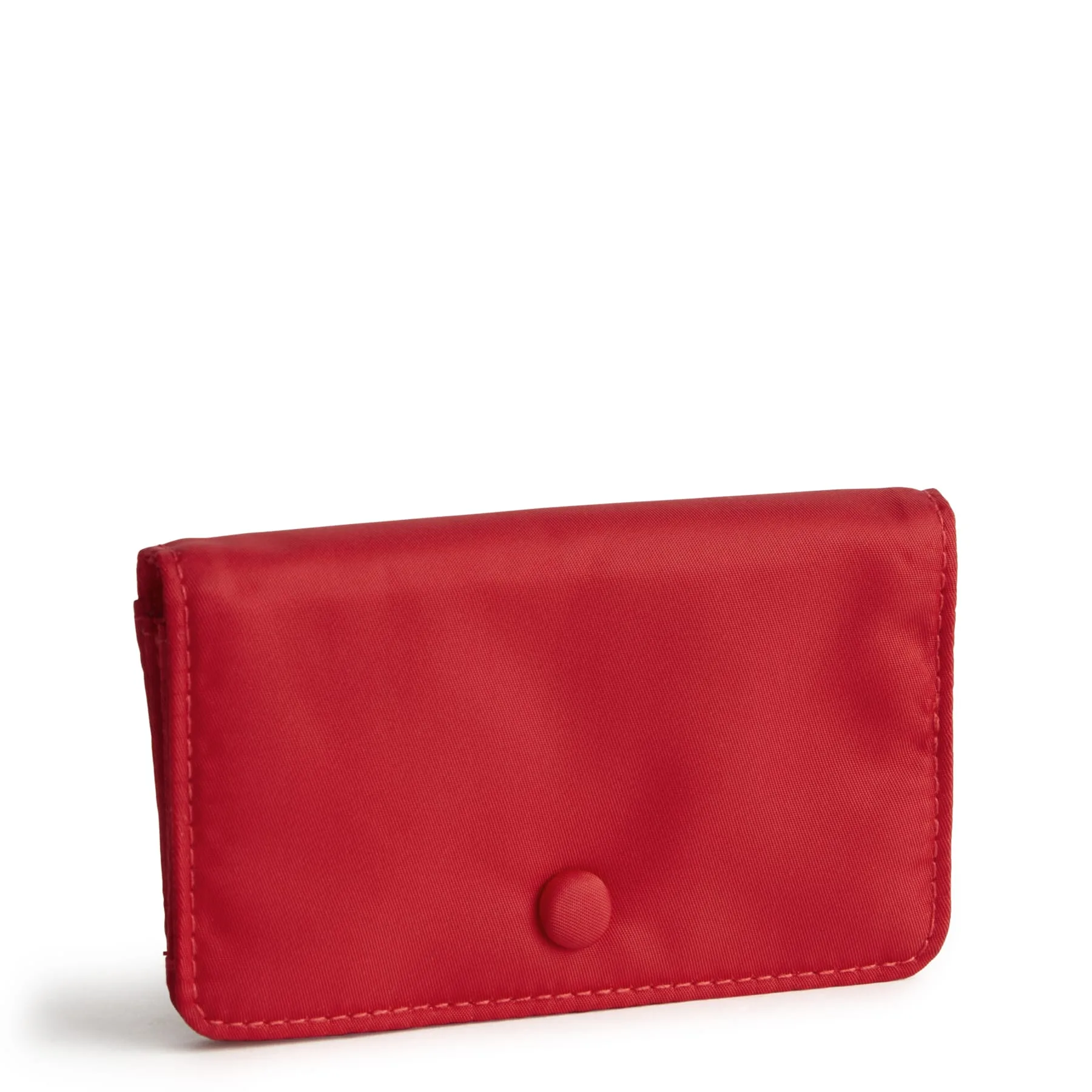
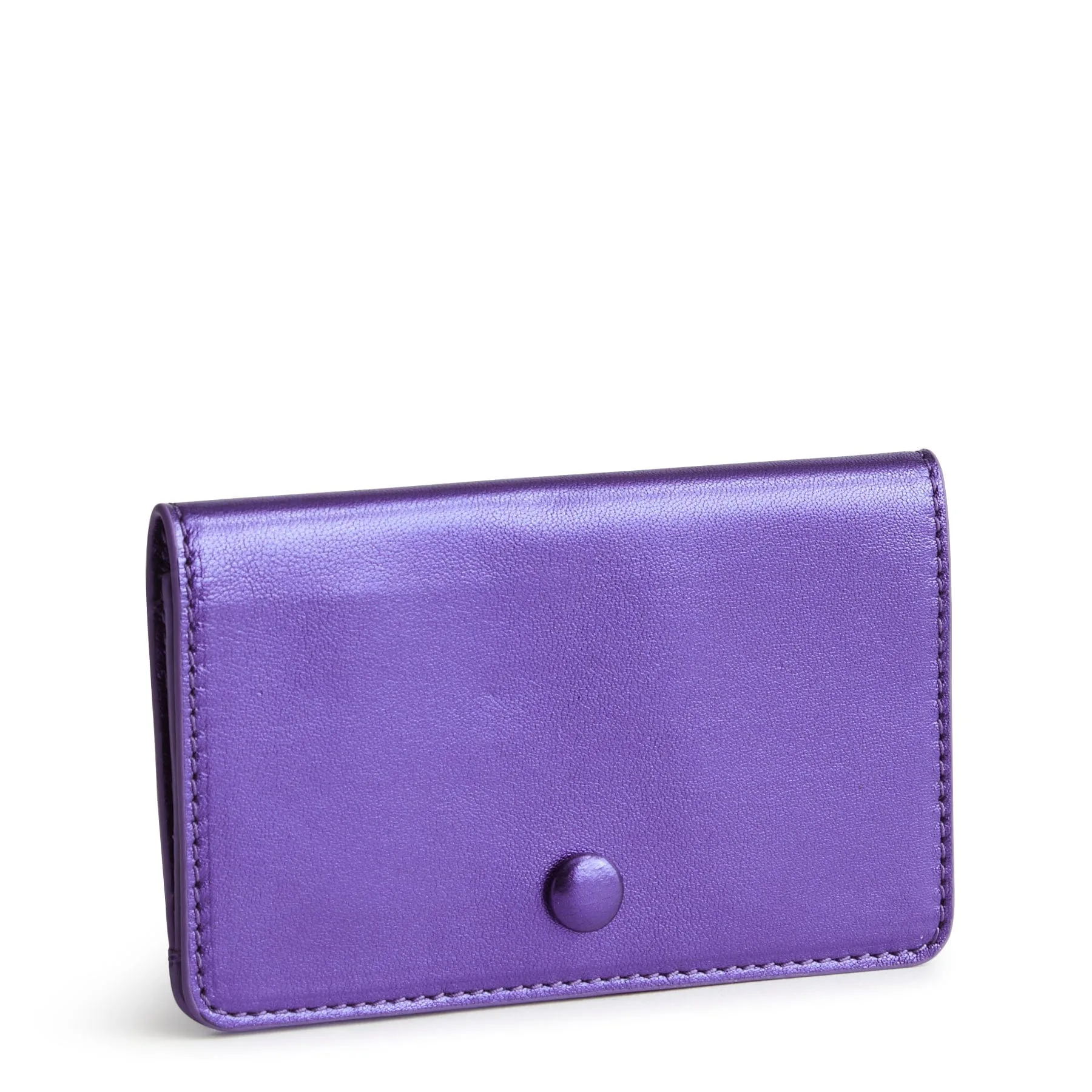
Keep keys and cards together by giving them one home: a key and ID holder or a small wallet with keyring that clips to your bag, not your pocket. Add a separate https://verabradleyoutletex.com/products/card-case-5145520181-ab1bf79c5377acf3955f6e14-1642934https://verabradleyoutletex.com/products/card-case-5145620133-129278c19a1c7e5aa2766067-1642951https://verabradleyoutletex.com/products/card-case-5145620089-0d9738cb6c9b2ed30b9ee31d-1642968https://verabradleyoutletex.com/products/card-case-5134520612-f259de20592cb695cfe796bf-1643111card case only if your badge and transit card need to stay reachable without opening the whole wallet. If your setup still loses items after two weeks, the problem is usually too many pieces, not the wrong product.
Most people do not lose their keys, badge, and bank card all at once. They lose one of them, at one specific moment, and then rebuild the same fragile system the next morning. That is why a keys cards IDs organizer only works when it matches how you actually leave the house.
This is a diagnosis, not a shopping list. Below you will find the four common failure points, what usually causes each one, the corrective action, and the moment you should stop adjusting and choose a different setup instead.
Why your current setup keeps failing
The typical failure is not a missing product. It is a missing handoff. Your keys live in a bowl by the door, your ID case for work lives in a tote pocket, and your cards live in a wallet in a jacket. Every morning you perform a small search, and every evening you undo it. That routine works until you are rushed, and rushing is when things get left behind.
A second cause is bulk. When a wallet is thick, you stop carrying it into the office and start leaving it in the car or bag. Once it leaves your body, it stops being part of your routine. The fix is usually to shrink what you carry daily and keep the rest in a larger bag or desk drawer.
- Count how many separate items you touch before leaving: keys, badge, transit card, bank card, phone. More than three is a system problem.
- Notice where you put things down when you walk in the door. That spot is your real storage, not the drawer you intended to use.
Build the one-piece core
The core of a working key and id holder system is a single object that holds your keys and your most-used card or badge, and that attaches to your bag. A small wallet with keyring does this well because the ring keeps the wallet tethered to the same clip as your keys, so you cannot grab one without the other.
Choose the core piece based on what you actually swipe. If you tap a badge at a door reader, the badge needs to face outward without opening anything. If you mostly pay with a phone, you can carry fewer cards and use a slimmer piece. If you carry cash and coins, a zip section matters more than a keyring.
Keep the core small on purpose. A piece that fits in a jacket pocket or clips inside a tote is one you will actually carry every day.
- Test the clip on your actual bag strap before committing. A ring that fits a thin strap may not fit a padded tote handle.
- Put your most-used card in the most accessible slot on day one, not after a week of fumbling.
Decide what stays separate
Not everything belongs in the core. A separate card case makes sense when your work badge must be scanned dozens of times a day and you do not want to open a wallet each time. It also helps if you carry a transit card that needs to be tapped on a reader while you are walking.
What should not stay separate is your backup payment card and your keys. Splitting those across three bags is how a keys cards IDs organizer quietly stops working. If you need a second card for emergencies, keep it in the bag you carry daily, in a dedicated pocket, not in a second wallet.
- One core piece plus one reachable card case is the practical limit for most people.
- If you carry a large tote for work, use its interior pockets for the overflow, not for your daily essentials.
Handle the RFID question honestly
An rfid id holder blocks radio signals to the cards inside it. That is useful for contactless bank cards, and it is not useful for anything outside the holder. Your phone, your transit card if you tap it constantly, and your building badge may all need to stay outside a blocking sleeve to keep working.
So the practical rule is simple: block what you rarely use, expose what you tap. If your badge is inside a blocking pocket, you will end up removing it every time, which defeats the organizer. If your backup credit card is outside, it is exposed. Match the blocking to your actual habits instead of buying the thickest option available.
- Test your badge and transit card in the holder before you rely on it for a commute.
- If a blocking layer makes your daily tap slower, move that card out and keep the blocking for backups.
Reset the system in ten minutes
Empty everything onto a table. Put back only what you used in the last week. Attach the keys to the ring, put the badge and primary card in the front, and place the whole piece in the spot where you drop your bag when you get home. That spot becomes the system.
Then run it for five workdays without changing it. If you still pat your pockets looking for something, the issue is placement, not the holder. Move the core piece to a more visible spot on your bag, or switch to a piece that clips to the outside rather than living in a pocket.
- Give the system one week before judging it. Same-day frustration is usually just an unfamiliar routine.
- If you still carry a second wallet out of habit, remove it from your bag for the test week so you are forced to use the new setup.
Diagnose your setup
- Symptom: you pat your pockets every time you leave: Likely cause: your keys, badge, and cards live in three different places, so no single motion confirms you have everything. Corrective action: attach keys and your main card to one ring or clip. If that still fails after a week, the piece is too bulky for your bag and you should choose a slimmer one.
- Symptom: your badge will not scan without removing it: Likely cause: the badge is sitting behind an RFID-blocking layer or a thick card stack. Corrective action: move the badge to an unblocked front slot. If the holder has no unblocked slot, that holder is the wrong choice for a work badge.
- Symptom: you leave the whole wallet in your bag or car: Likely cause: it is too thick to carry comfortably, so it stops being part of your routine. Corrective action: reduce to the cards and cash you use weekly and carry a smaller piece. If you genuinely need the full wallet daily, accept a bag-carried system and stop trying to make it pocket-sized.
- Symptom: you keep adding a second wallet back: Likely cause: the new system does not cover one real need, usually cash, coins, or a second transit card. Corrective action: add that one feature to the core piece rather than carrying a second wallet. If no single piece covers it, keep two pieces but assign each a fixed bag pocket.
Pieces that fit this system
- Wide Key Chain: Available in a variety of colors and finishes, from bursts of print to vibrant solid hues, and designed to keep keys organized and easily accessible. This is the anchor for a key and id holder setup. A wide, easy-to-grab key chain is simpler to find by touch inside a tote than a thin ring, and the print options make it easy to spot in a bag.
- Tab Wallet: Crafted from high-quality materials with ample room for cards, cash, and coins, keeping everything neatly organized and easily accessible. If you want one piece to hold cards and cash alongside your keys, this is the core wallet. Check whether it fits your bag's clip or strap before you commit, since a wallet this size is meant to be carried, not stuffed.
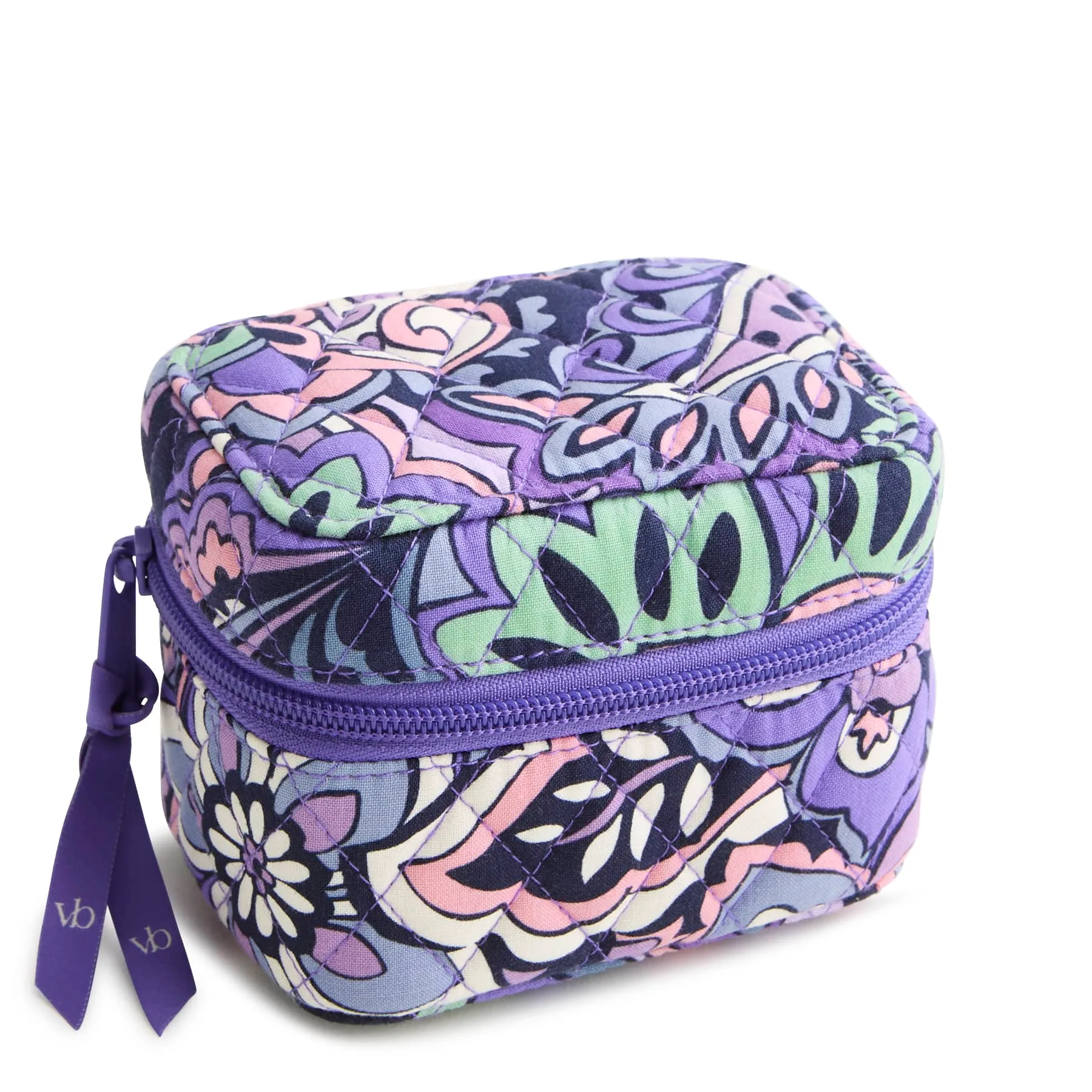
- Outlet Supplement Pill Case: Contains seven removable EVA pouches with days of the week stickers and a zip closure, measuring 4.5 inches wide by 3.5 inches high by 3.25 inches deep. Not part of the key and card core, but a good example of the same principle: one zip-closed home for small items you would otherwise scatter. Use it for anything you need to grab and go, and keep it in the same bag pocket every day.
A key and ID holder only works when it matches your daily handoff, not when it holds the most items. Pick one core piece, give it one home, and test it for a week before you change anything else.