Quick answer
If you want the game soon, with a known final product and easy returns, buy retail. If you want exclusive components, a say in stretch goals, and don't mind waiting a year or more, back the Kickstarter. For most buyers, retail is the safer default unless the campaign offers something you genuinely can't get later.
You see a game on Kickstarter with gorgeous minis and a low pledge price. Six months later, the same game shows up at your local store—sometimes cheaper, sometimes with fewer extras. That gap between crowdfunding and retail is where most buying mistakes happen.
This guide breaks down the real differences between Kickstarter and retail board games so you can decide where your money goes. We'll cover exclusives, pricing, timing, and how to judge whether a campaign is worth the risk. You'll also see how retail titles like AlderQuest and Seas of Havoc: Captain's Deluxe Edition fit into the picture.
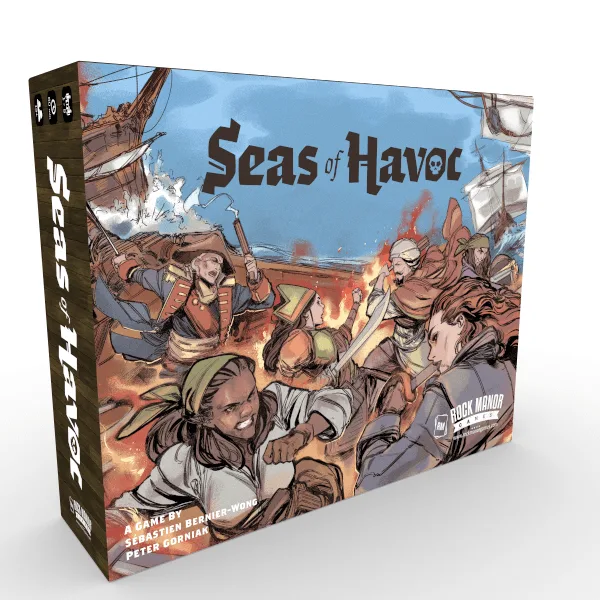
Seas of Havoc
What you actually get with each option
Kickstarter campaigns often promise stretch goals, exclusive miniatures, and upgraded components that never reach retail. That can be a great deal—if the campaign delivers. But you're paying months or years before you hold the game, and the final product can change during development. Retail, by contrast, gives you the finished game immediately, with a known box, known rules, and a return policy.
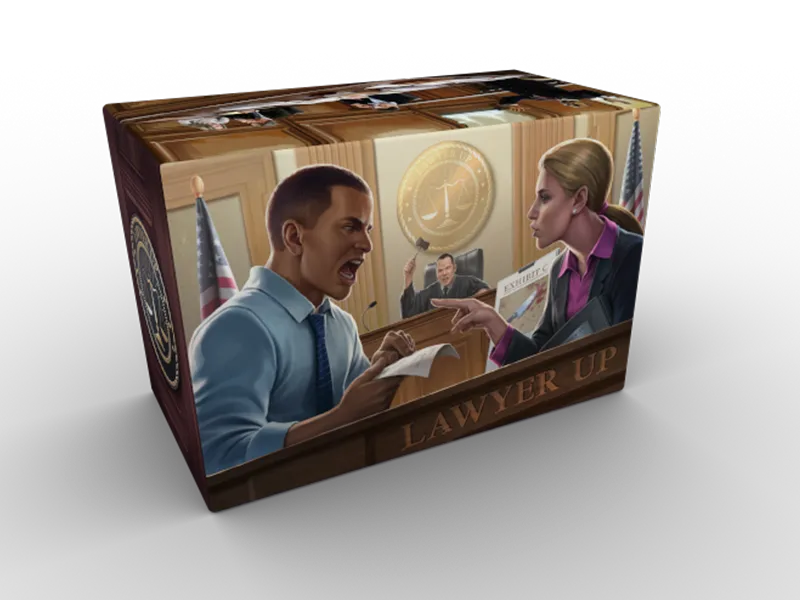
Retail board games also tend to have more stable pricing. A game like https://rockmanorgamesdz.com/products/lawyer-up-season-2-89095f2728794da0b64efbab-1730828Lawyer Up: Season 2 has a catalog price of USD 30.00, and you can read reviews, watch playthroughs, and check the rulebook before buying. With crowdfunding, you're often betting on a pitch and a prototype. That's not a flaw—it's just a different kind of purchase.
- Kickstarter: pay now, receive later, possible exclusives, higher uncertainty.
- Retail: pay now, receive now, standard components, lower uncertainty.
- Both can be good value—the question is what you're optimizing for.
Exclusives: the main reason to back a campaign
Kickstarter exclusives are components, miniatures, or even whole expansions that won't be sold in stores. If a campaign offers an exclusive faction, a deluxe edition, or a bonus solo mode, that's a concrete reason to pledge. If the only difference is a slightly lower price, retail is usually the better call because you avoid the wait and the risk.
Some publishers later release a retail edition with most of the gameplay but without the exclusive extras. That can be fine for players who care more about the game than the components. Before you back, ask: would I still want this if the exclusives were removed? If the answer is no, wait for retail.
- Check whether exclusives are gameplay content or cosmetic upgrades.
- Gameplay exclusives are harder to replace later; cosmetic ones are easier to skip.
- If a retail edition is already announced, compare what's missing before pledging.
Pricing and value: when crowdfunding wins
Crowdfunding can offer strong value when a campaign bundles the base game with expansions and stretch goals for less than the combined retail price. For example, Seas of Havoc: Captain's Deluxe Edition has a catalog price of USD 62.50 compared to a comparison price of USD 125.00—that kind of retail discount is common on older titles, but during a campaign you might get similar savings plus exclusives.
However, shipping costs can erase the savings, especially for international backers. Retail prices also drop over time. A game that launches at USD 60.00 may later sell for USD 30.00 or less. If you're patient, retail often catches up. If you want the game at its peak hype and with extras, crowdfunding is the only way.
- Add shipping and VAT to the pledge price before comparing to retail.
- Retail discounts are common after the first print run; crowdfunding prices are fixed.
- Bundled expansions are where crowdfunding value is most obvious.
Timing, risk, and delivery
Kickstarter board games frequently deliver late—sometimes by many months. If you're planning a game night next week, retail is the only reliable option. Crowdfunding also carries risk: a project can be delayed, changed, or in rare cases never delivered. That risk is part of the model, and it's why you should only pledge money you can comfortably wait on.
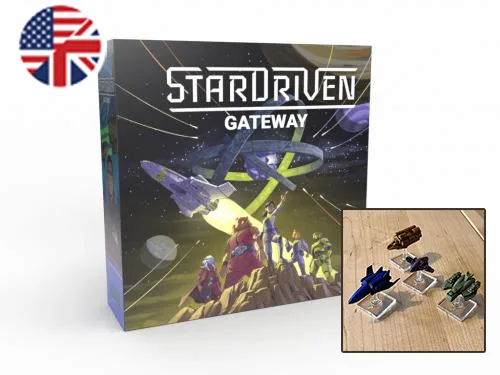
Retail purchases come with consumer protections like returns and refunds. You can also inspect the game in person or read detailed reviews. For a game like StarDriven: Gateway (INK-WASH Upgrade), you can check the component list and rulebook online before buying. That certainty is worth something, especially for gifts or for groups that meet on a fixed schedule.
- Never back a game you need by a specific date.
- Check the creator's previous delivery record if you're risk-averse.
- Retail is the safer choice for gifts and immediate play.
How to decide: a practical framework
Start by asking what you want from the purchase. If you want to play the game soon, retail wins. If you want exclusive content and enjoy being part of a campaign, Kickstarter can be worth it. If you're unsure, wait. Most crowdfunded games eventually reach retail, and you can always buy then—often for less.
Also consider your group. A group that meets weekly and burns through games will benefit from retail's immediate availability. A solo player who loves deluxe components might prefer the campaign. There's no single right answer, but there is a right answer for your situation.
- Write down your top priority: speed, exclusives, price, or certainty.
- If two priorities conflict, choose the one you'll regret losing more.
- Set a reminder to check retail availability six months after a campaign ends.
Decision rules for Kickstarter vs retail
- Rule 1: Need it soon? Buy retail.: If you want to play within a month, crowdfunding is the wrong channel. Retail games are available now, and you can check the exact contents before buying. Choose retail for immediate play, gifts, or event planning.
- Rule 2: Exclusive gameplay content? Back it.: If the campaign offers exclusive factions, scenarios, or modes that won't be sold later, and you care about those, pledging is the only way to get them. Back only if the exclusives are gameplay-relevant to you.
- Rule 3: Price gap under 20%? Wait for retail.: After adding shipping, if the campaign saves you less than about 20% versus expected retail, the wait and risk usually aren't worth it. Retail prices often drop after launch. Do the math with shipping included before pledging.
- Rule 4: Unknown creator or first project? Be cautious.: New creators can deliver great games, but they carry more risk. If you're risk-averse, wait for retail or for reviews of the finished product. Check the creator's track record and delivery history.
- Rule 5: Want to try before committing? Retail.: Retail lets you read reviews, watch playthroughs, and sometimes try the game at a store or convention. Crowdfunding asks you to commit based on a pitch. Retail is the lower-risk way to test a game you're unsure about.
Retail examples that show what you get
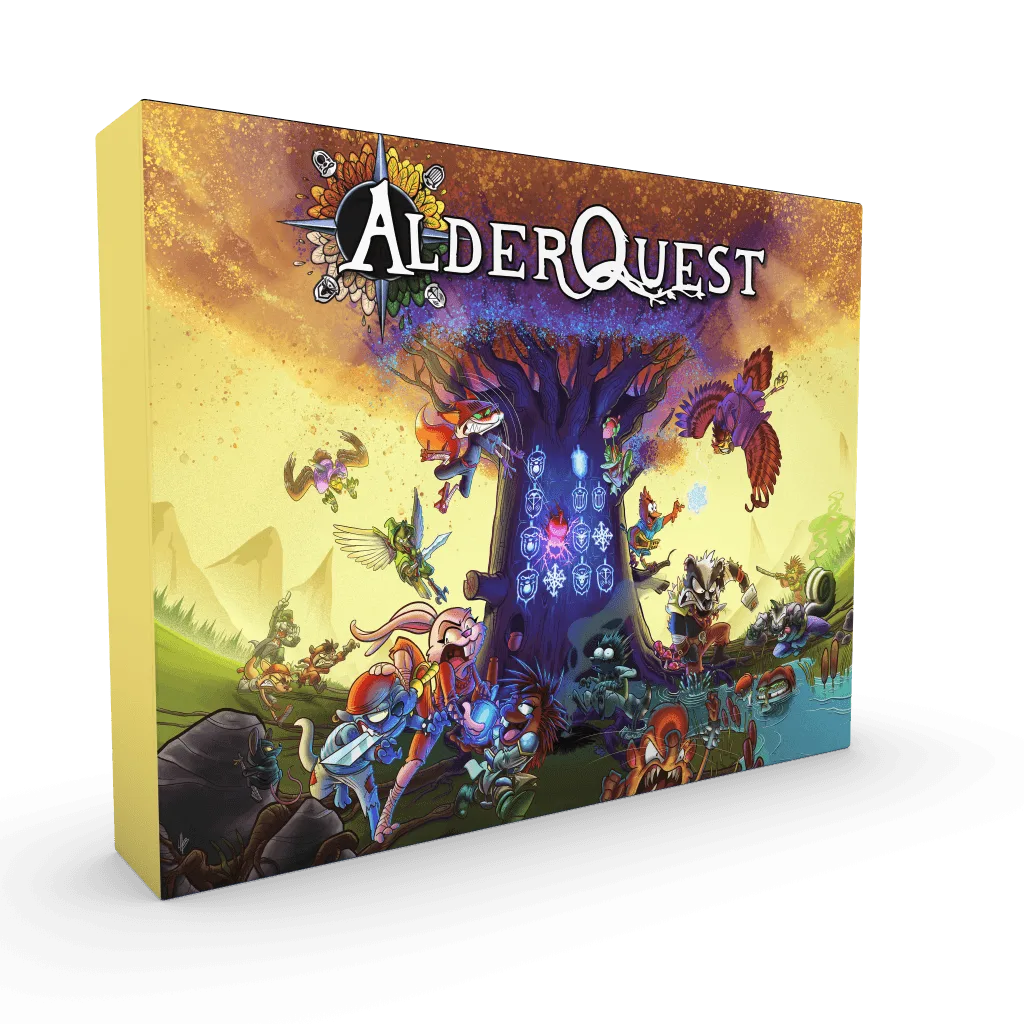
- AlderQuest: AlderQuest is a board game about animal factions collecting acorns, with tile-matching and take-that elements. Catalog price is USD 20.00 (comparison price USD 40.00). At this price, retail gives you a complete game immediately—no crowdfunding wait or risk. It's a good example of a title where retail value is strong.
- Seas of Havoc: Captain's Deluxe Edition: Seas of Havoc is a naval skirmish game for 1-5 players with deck-driven movement and cannon fire. The Captain's Deluxe Edition has a catalog price of USD 62.50 (comparison price USD 125.00). Deluxe editions often start on Kickstarter and later appear in retail at a discount. If you missed the campaign, retail can be the better buy.
- Lawyer Up: Season 2: Lawyer Up: Season 2 includes three new cases and a solo expansion, with asymmetrical two-player courtroom gameplay. Catalog price is USD 30.00 (comparison price USD 60.00). Expansions like this are frequently crowdfunded first. Buying retail means you can read reviews and confirm the case content before spending.
Who should choose which
Best for
- Players who want a game now and value certainty over exclusives.
- Buyers who prefer to read reviews and check the rulebook before purchasing.
- Gift-givers who need a reliable delivery date.
- Groups that play regularly and need new games without long waits.
Not for
- Collectors who specifically want Kickstarter-exclusive components.
- Players who enjoy being part of a campaign and following stretch goals.
- Buyers who are willing to wait a year or more for a deluxe edition.
- Shoppers who want the lowest possible price and don't mind waiting for retail discounts.
Kickstarter and retail serve different needs. Back campaigns when the exclusives or bundle value clearly justify the wait and risk. Otherwise, buy retail—you'll play sooner, know exactly what you're getting, and often pay less. Use the decision rules above to match the purchase to your priorities.