Quick answer
Choose bedding by material first, then size. For most young children, a breathable cotton or cotton-rich set in the size that matches their current bed is the safest and easiest choice. Buy one fitted sheet plus one spare in the same size, and add a light quilt or duvet only when your child sleeps in a bed rather than a crib.
Bedding is one of those purchases that feels simple until you are standing in a store comparing labels. The material affects how hot your child sleeps, how often you wash the set, and how long it survives. The size decides whether the sheet stays on through the night or pops off by 2 a.m.
This guide walks through the practical side of kids bedding buying: which materials hold up to frequent washing, how child bedding sizes differ, and how to check fit before you commit. It also covers the small extras, like doll bedding, that often come up when you are setting up a kids room.
Start with the material, not the pattern
Material decides comfort and lifespan more than any print. Plain cotton and cotton-rich blends breathe well, wash hot, and soften over time, which suits most children. Flannel is warmer and works for cold rooms, but it pills faster with heavy washing. Polyester blends dry quickly and resist shrinking, though they can feel clammy for sweaty sleepers. If your child has sensitive skin, look for a smooth weave and avoid heavy dyes or stiff finishes.
Check the care label before you buy. A bedding set that needs cold hand washing will not survive a toddler's week. Machine washable, tumble dry low is the practical standard for bedding for a kids room. Buy two fitted sheets for every duvet or quilt so a nighttime accident does not mean a midnight laundry run.
- Cotton or cotton-rich: best all-round choice for breathability and washing.
- Flannel: warmer, but expect pilling if you wash it often.
- Polyester blends: quick-drying and cheap, but less breathable.
- Always confirm machine washable and tumble dry instructions.
Match child bedding sizes to the actual bed
Sizes are not universal across brands, so measure the mattress rather than trusting the label. A crib mattress is typically smaller than a toddler bed mattress, and a toddler bed is smaller than a twin. If you buy a twin sheet for a toddler bed, it will bunch and come loose. If you buy a crib sheet for a toddler bed, it will not stretch far enough and may pull off at the corners.
Measure length, width, and depth, then compare those numbers to the product listing. Depth matters most for fitted sheets: a deep mattress needs a deep-pocket sheet. If the listing does not state pocket depth, treat that as a limitation and check the return policy before ordering. When in doubt, size up only if the sheet has elastic all the way around.
- Measure the mattress, not the bed frame.
- Check pocket depth for fitted sheets, especially on thicker mattresses.
- Buy at least two fitted sheets in the same size.
- If dimensions are missing from a listing, ask before you buy.
How to check fit before the first wash
Put the sheet on the bed and tug each corner. A good fit stays put when you pull firmly; a poor fit lifts at the corner or leaves fabric pooling in the middle. Do this before washing, because some fabrics shrink slightly on the first wash and a tight sheet can become unusable afterward. Wash one set first, then decide whether to keep the rest.
For quilts and duvets, check that the size covers the mattress without dragging on the floor. A quilt that hangs too low can be a tripping hazard next to a bed. If your child is still in a crib, skip loose quilts and pillows entirely and use a fitted sheet plus a sleep sack instead.
- Tug-test all four corners before washing.
- Wash one set first to check shrinkage.
- Keep quilts off the floor to avoid trips.
- No loose bedding in a crib.
Build the set around your laundry routine
The number of bedding pieces you need depends on how often you wash. Once a week is typical for young children. If you wash weekly, two fitted sheets and one duvet cover is enough. If you wash less often, or your child is prone to spills and accidents, three sheets is a realistic minimum. Extra pillowcases are cheap and useful, but only if your child actually uses a pillow.
Storage matters too. Fold bedding flat and keep it in the same place so anyone helping at bedtime can find it. If you are short on space, a vacuum bag cuts the bulk of quilts without damaging cotton.
- Two sheets minimum; three if you wash less than weekly.
- One duvet cover is enough if you wash weekly.
- Store folded sets together so they are easy to find.
Small extras that finish a kids room
Once the bed is sorted, many parents add a few small items that make the room feel finished and give children something to care for. A doll with its own bedding, or a stroller that can be pushed around the room, encourages role play and keeps toys near the bed rather than scattered through the house. These are optional, but they are a practical way to tie the room together without another large purchase.
If you are buying a doll or stroller as a gift alongside bedding, check the recommended age and the materials. Wooden toys tend to be heavier and more durable, while soft dolls are easier to cuddle and wash. Both have a place in a kids room, and neither needs to match the bedding exactly.
- Add one small role-play toy rather than a full set.
- Check age recommendations on any toy you pair with bedding.
- Wooden toys are durable; soft dolls are easier to wash.
Decision rules for buying kids bedding
- If your child is still in a crib: Buy fitted crib sheets only, no loose quilts or pillows. Measure the crib mattress and confirm pocket depth before ordering. Skip duvets until your child moves to a bed.
- If your child sleeps hot: Choose plain cotton or a cotton-rich weave over flannel or heavy polyester. Keep one light layer rather than a thick quilt. Breathability beats warmth for most heated bedrooms.
- If you wash bedding more than once a week: Buy three fitted sheets and two duvet covers so you are never waiting on laundry at bedtime. Extra sheets cost less than a midnight wash cycle.
- If the listing does not state dimensions: Treat missing size or pocket-depth information as a limitation and check the return policy before you order. No measurements means no confident fit.
Products that pair well with a kids bedding setup
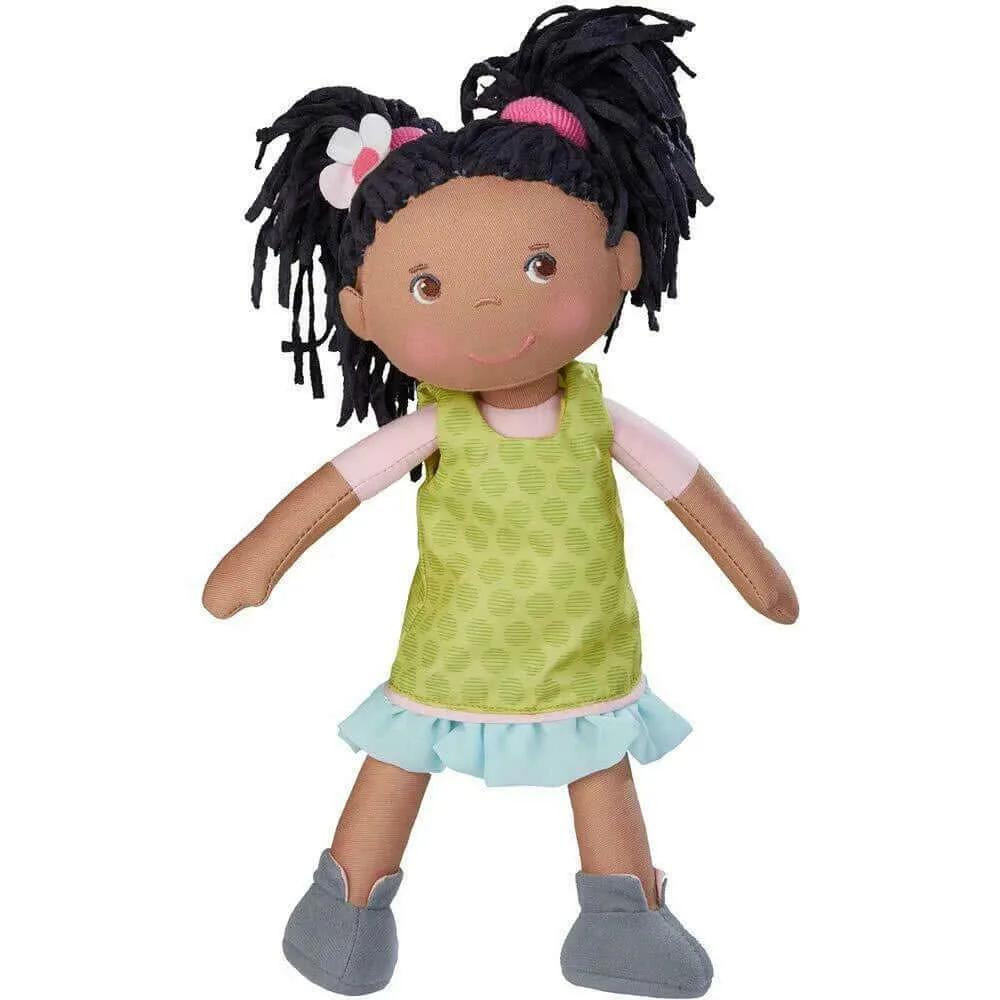
- Doll Cari: HABA Brand Cari is a 12-inch African American soft doll with an embroidered face, dark brown eyes, freckles, and black chenille hair tied back. A soft doll is easy to tuck in next to a child at bedtime and can be washed more readily than a rigid toy, which suits a bed-adjacent role-play item.
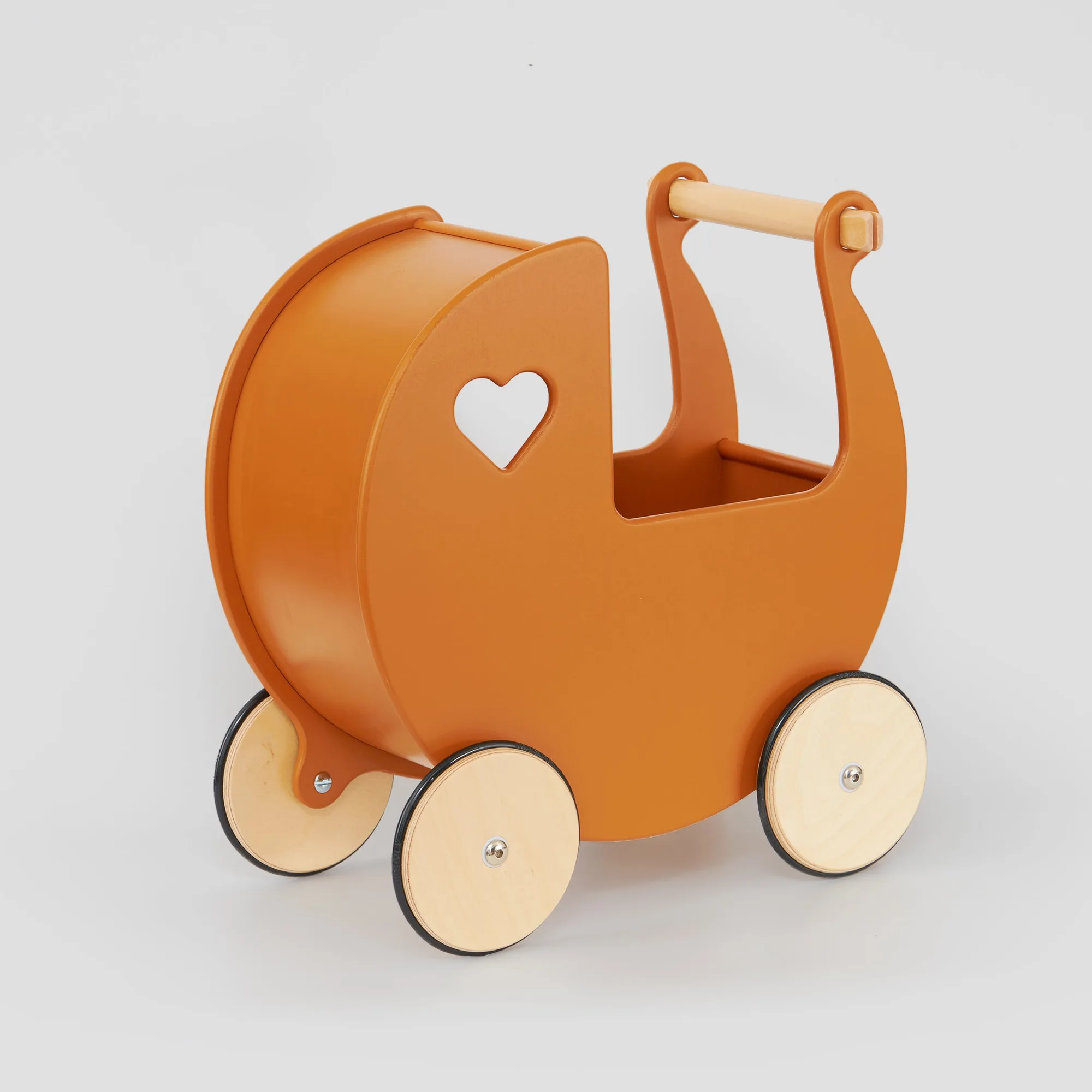
- Traditional Doll Stroller Brown: This traditional Danish-designed doll stroller is part of Moover's wooden mobility line and includes free bedding with every purchase. The included bedding means you get a matching doll-sized set without buying it separately, which is useful if you want the room to feel coordinated.
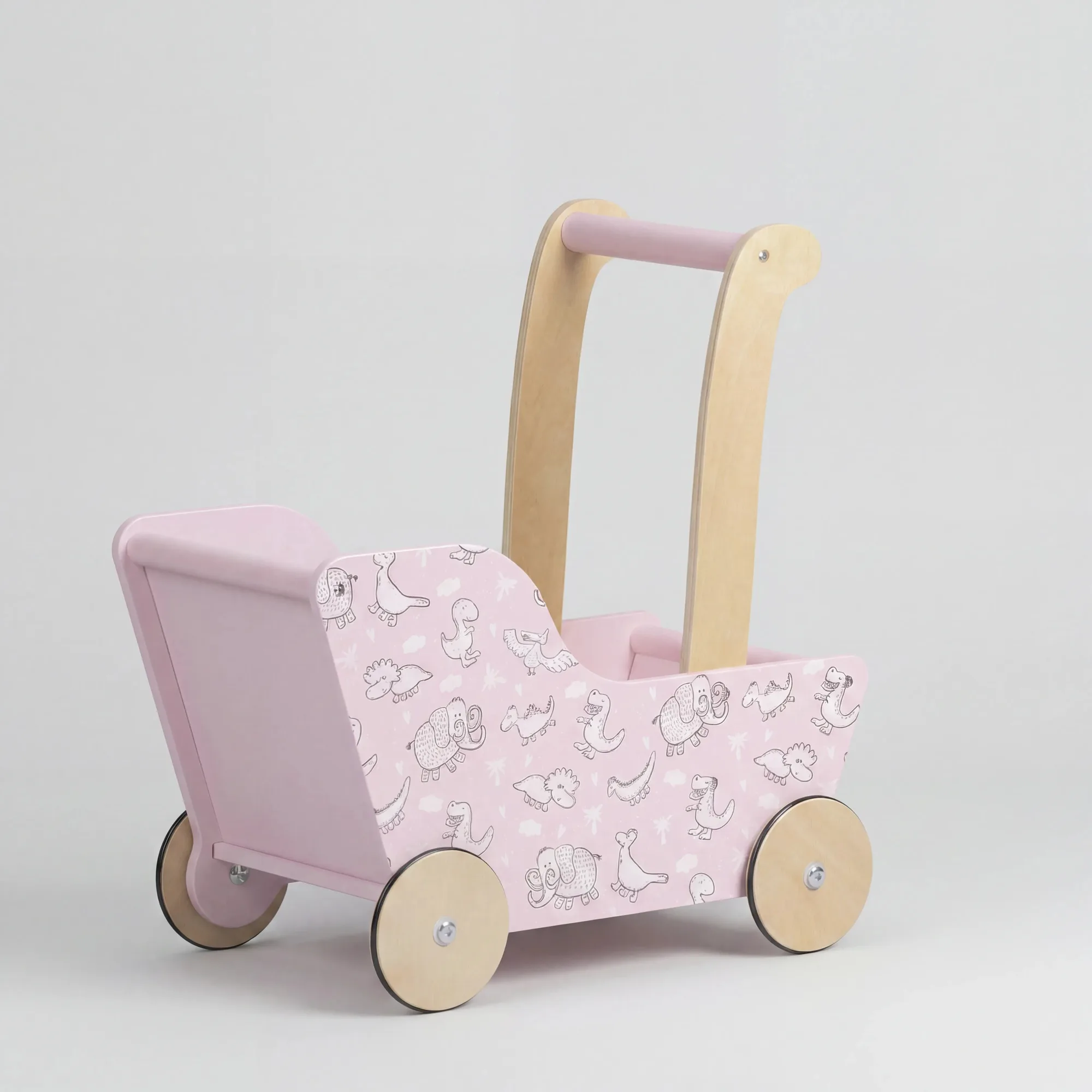
- Modern Dolls Stroller (Pram) Pink dinosaurs: Designed in Denmark, this Moover ESSENTIAL modern doll stroller is the smaller, lighter option at a lower price point and is recommended for children 18+ months. The lighter frame is easier for a young child to push around a bedroom, and the 18+ month guidance helps you match the toy to your child's stage.
Who this approach fits
Best for
- Parents setting up a first bed or moving a child from crib to toddler bed
- Families who want bedding that survives frequent washing
- Anyone building a kids room around practical, easy-care materials
Not for
- Shoppers looking for decorative, dry-clean-only bedding
- Parents who want a single set to fit every bed size in the house
- Buyers who cannot measure the mattress before ordering
Pick the material for how your child sleeps and how often you wash, then pick the size by measuring the mattress. Two well-fitting cotton sheets will serve you better than an elaborate set that slips off or needs special care.