Quick answer
For most kids, a lightweight combination chain lock in the 600-900 g range with a 4-digit code is the right first lock. It is heavy enough to stop a walk-away thief, light enough to carry in a backpack, and keyless so nothing gets lost at school. Buy a keyed U-lock only if your child regularly leaves the bike in a high-traffic urban spot for hours.
Match the lock to the bike, not to the adult you
A 20-inch kids bike weighs far less than an adult commuter, so a 1.5 kg lock can be a third of the bike's weight. That is why kids bike lock buying guide advice starts with the bike, not the lock. Weigh the bike, then aim for a lock under roughly 10 percent of that number for a child under 8, and up to 15 percent for a strong 10-year-old who rides daily.
Chain thickness is the other half of the trade-off. A 6 mm square-link chain resists bolt cutters much better than a 4 mm cable, but it also adds grams. If your child locks up for a 20-minute school pickup, a lighter chain is fine. If the bike sits outside a library for two hours, step up to a thicker chain and accept the weight.
Bike lock sizing: what the chain has to reach
Sizing is about reach, not length for its own sake. A lock must pass through the frame, a wheel, and a fixed rack. On a small kids bike, a 60-75 cm chain usually clears the seat tube, rear wheel, and a standard Sheffield rack. Longer chains are easier to thread but rattle more and weigh more.
Measure before you buy. Wrap a tape measure around the thickest rack post you expect to use, then add the distance to the frame's seat tube. If that total is under 70 cm, a compact chain is enough. If your child locks to thick wooden posts or wide railings, size up.
How to lock a kids bike so it stays put
Teach one repeatable routine: thread the chain through the rear wheel, inside the rear triangle, around the rack, then back through the frame. This captures the frame and both wheels with one loop, which is the highest-value habit a young rider can learn.
Practice at home before the first solo trip. Have your child lock and unlock the bike three times while you watch, then time it. If it takes more than about 60 seconds, the lock or the rack is wrong for them, and they will start skipping it.
Chain lock security: what actually stops a thief
Chain lock security comes down to link thickness, hardening, and how the lock is closed. Square links resist cutting better than round cable, and a hardened steel chain beats a vinyl-covered cable every time. No chain lock is theft-proof; the goal is to be the harder target on the rack.
Combination locks trade a small amount of security for convenience. A 4-digit code gives 9,999 possible combinations, which is plenty for a school rack, but it is not the same as a high-security disc-detainer key lock. Choose based on where the bike sleeps, not on the worst-case scenario.
Weight, carry, and the friction that kills good habits
The best lock is the one your child actually brings. A lightweight bike lock that coils into a backpack side pocket gets used; a heavy one left in the garage does not. Check whether the chain has a fabric sleeve, because a bare chain scratches paint and frames every time it is wrapped.
If the lock is for a very young rider, consider a combination model so there is no key to lose. Write the code in a parent's phone, not on the lock, and change it once a year.
Decision rules: pick your kids bike lock in five minutes
- Rider is under 8 or the bike is under 10 kg: Choose a lightweight combination chain lock in the 600-900 g range with a sleeve. Skip heavy U-locks; the child will not carry them. Weight beats theoretical security at this age.
- Bike is parked at school for a full day: Step up to a thicker square-link chain and always loop frame plus rear wheel around a fixed rack. A 4-digit combination is acceptable here. Thicker links, same simple routine.
- Bike is left overnight in a city: A chain lock alone is not the right tool. Use a keyed U-lock or a heavy chain, and bring the bike inside when possible. If it sleeps outside, buy for that, not for the school run.
- You are also fixing or upgrading the bike: Check drivetrain compatibility before ordering parts, including chainring offset for the rear spacing on your frame. Wrong offset means poor shifting, not a security problem.
Products that fit this decision
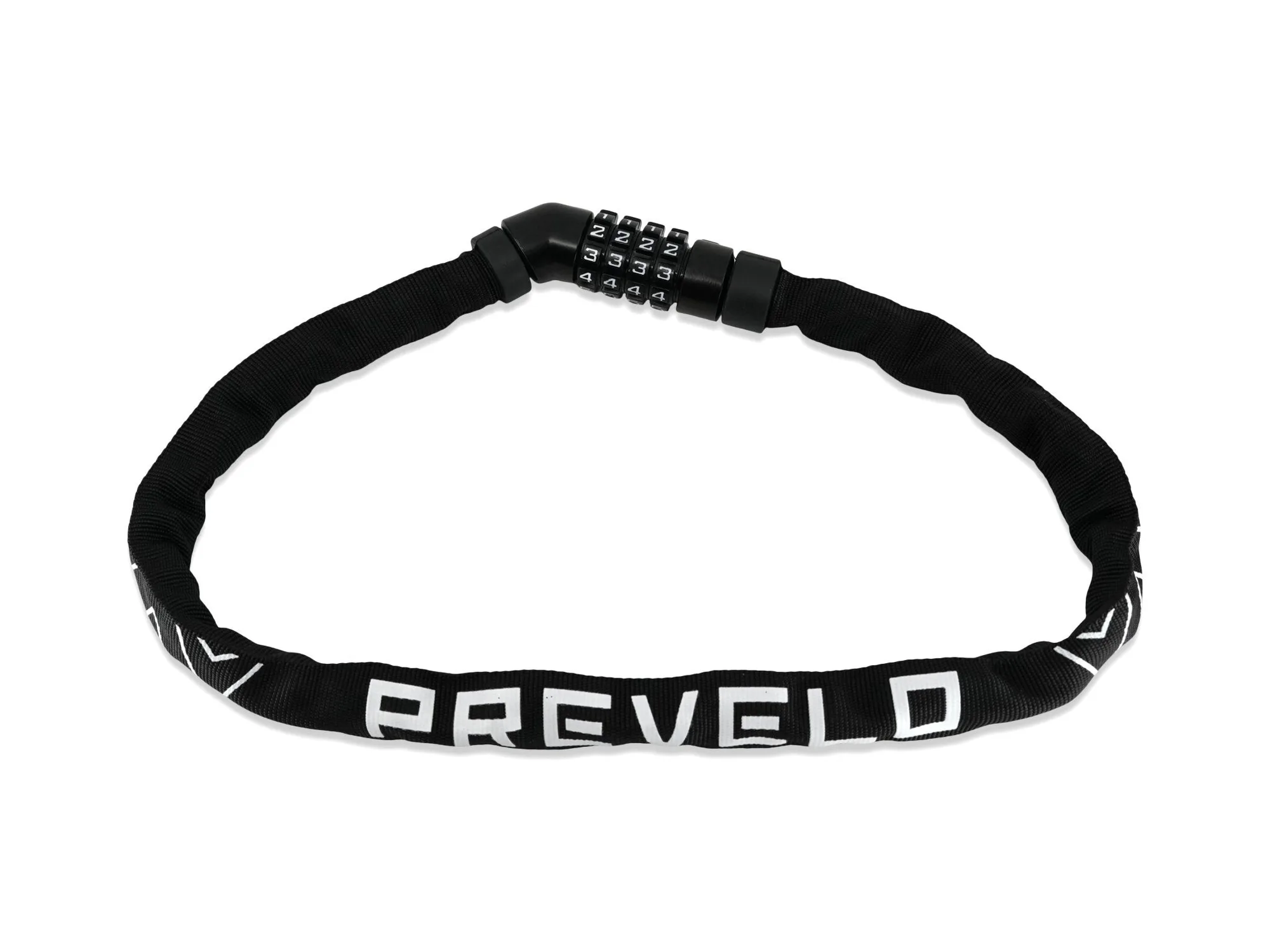
- Chainer Bike Lock: Square-link steel chain in a durable fabric sleeve, with a four-digit combination lock offering 9,999 possible combinations and no key to lose. The sleeve protects paint when the chain is wrapped around the frame, and the keyless code removes the most common failure point for kids: a lost key at school.
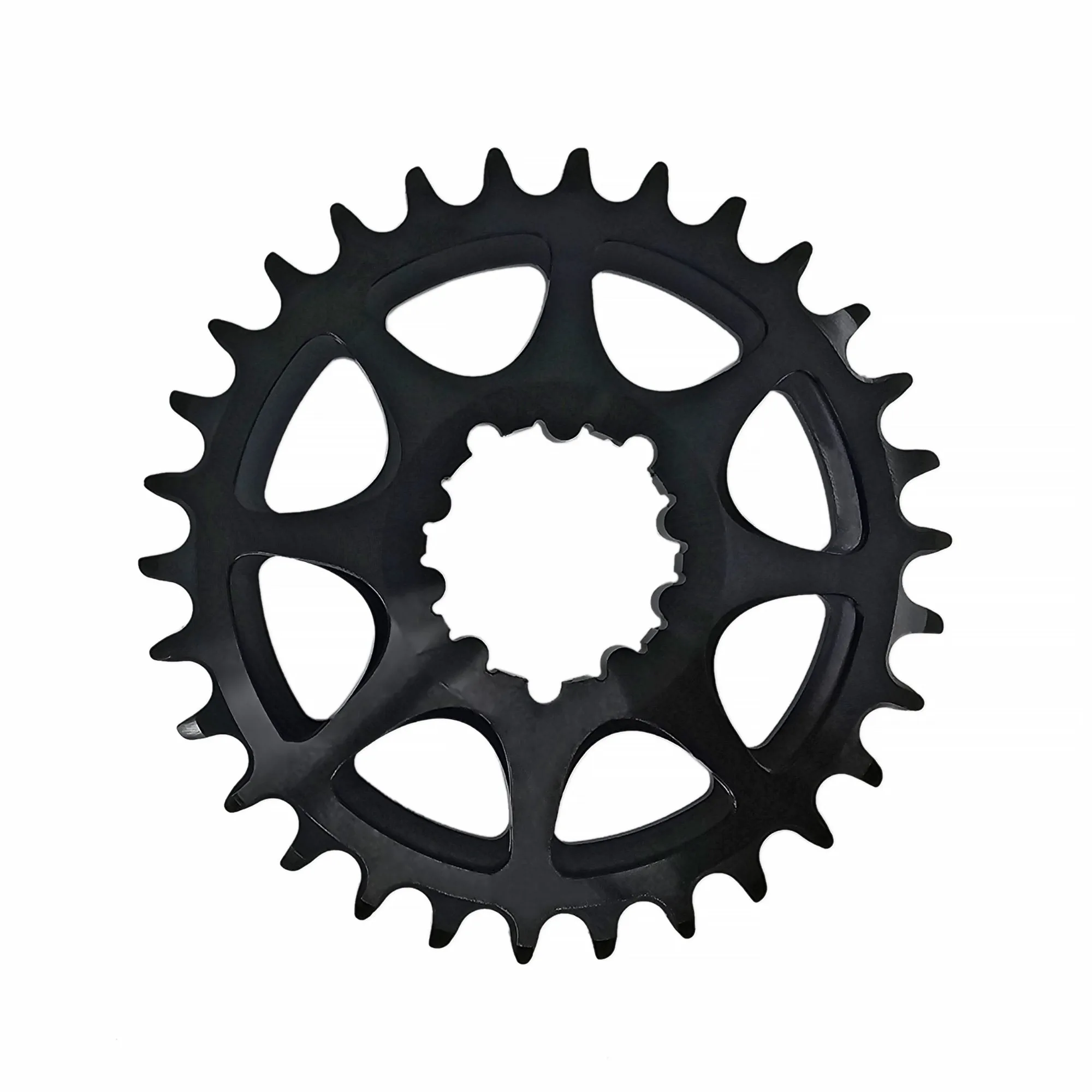
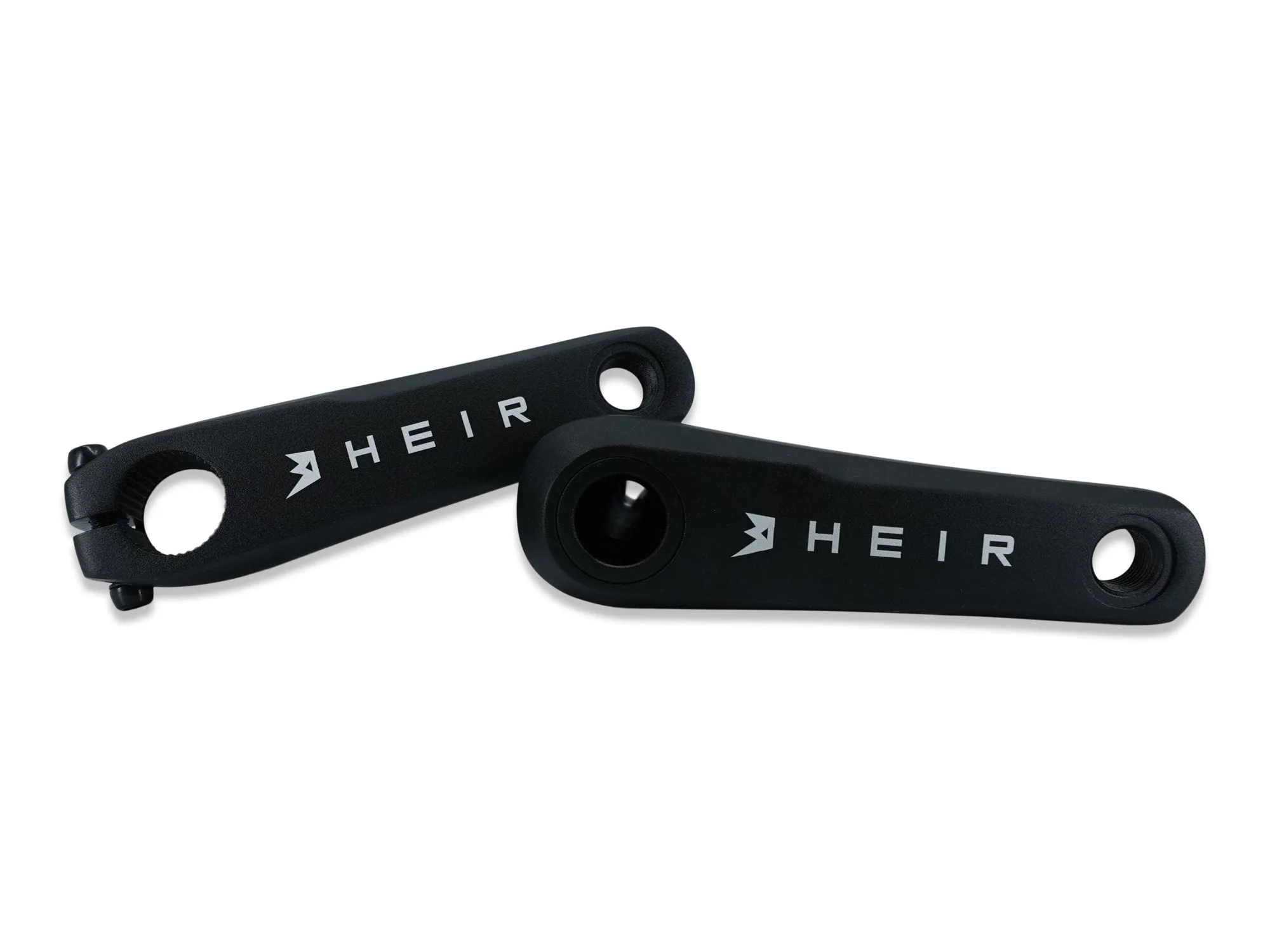
- Direct Mount Chain Ring: Direct mount chainrings fit HEIR cranksets and use a 3 mm offset for 148 mm Boost rear spacing or a 6 mm offset for 135 mm or 142 mm spacing, which covers most kids bikes. If you are building up or repairing the bike your child will lock up, getting the offset right the first time avoids a drivetrain that shifts poorly and a return you did not plan for.
Who should buy which lock
Best for
- Parents of riders 5-10 who need a lock the child can carry and operate alone
- School, library, and playground parking where the bike is left for under two hours
- Families who want a keyless code so nothing gets lost
Not for
- Overnight street parking in a high-theft city, where a keyed U-lock or heavy chain is the better tool
- E-bikes or expensive adult bikes that need maximum cut resistance
- Riders who want a frame-mounted lock bracket rather than a bag-carried chain