Quick answer
Buy learning charts when you want a repeated visual cue in a fixed spot, like a wall by the kitchen table or a bedroom door. Buy activity books when you want a child to sit, handle pages, and practice a skill with their hands. If you are choosing one first, pick the format that matches where the learning happens: charts for shared spaces, books for table time.
What each format actually does
A learning chart works by being visible without being opened. It stays in one place, so a child sees the same letters, numbers, or routine every time they walk past. That repetition is the whole point, and it is why charts suit hallways, doors, and the wall beside a table rather than a toy bin.
An activity book works the opposite way. It comes out, gets used, and goes away. The child turns pages, holds a crayon, and follows a sequence from start to finish. That makes books better for fine motor practice and for quiet table time, but worse for passive reinforcement during the day.
Match the format to the room
Before comparing titles, walk through your home and name the spots where a child already pauses: the kitchen table, the entryway, the bedroom door, the car. A chart needs a wall or door that gets seen daily. A book needs a flat surface and a place to keep crayons within reach.
If you have no wall space at eye level, charts will end up rolled in a closet. If you have no table routine, activity books will stay closed. Choose the format your space already supports rather than the one you wish you had room for.
How to judge quality before you buy
For charts, check whether the text is readable from the distance a child will actually stand. A chart packed with tiny labels looks thorough online but fails across a room. For activity books, check page count, paper weight, and whether the binding lies flat, since a book that fights back gets abandoned.
For both, look at whether the content matches a skill your child is working on right now. A chart of letter sounds is useful to a four-year-old and noise to a two-year-old. Buy for the current stage, not the one two years away.
Using charts and books together
The strongest setup is a chart that introduces a skill and a book that lets the child practice it. Hang a chart where the family already gathers, then keep a related activity book at the table. The chart becomes the reminder; the book becomes the practice.
Keep the pairing loose. One chart can support several books, and one book can reinforce several charts. You do not need matching sets, and you do not need to replace either when a season changes.
Decision rules for charts vs activity books
- Choose a chart if the skill needs daily reminding: Letters, numbers, days of the week, and routines work best when they are seen in passing. If your child already walks past the same wall ten times a day, a chart uses that traffic instead of competing with it. No daily wall traffic means a chart will not get used.
- Choose an activity book if the skill needs hands: Tracing, coloring, cutting, and matching require a child to hold something. A book gives them a page to work on and a clear stopping point, which is easier to manage than an open-ended craft. If you cannot supervise table time, delay the book.
- Choose both if you have one wall and one table: One chart plus one book covers passive and active practice for the same skill. Add more only when the first pair is genuinely used, not when a sale ends. Two formats, one skill, one month is a fair test.
- Choose neither if the child is not ready: A two-year-old does not need a letter chart, and a seven-year-old does not need a shape book. Buying ahead of the stage creates clutter that makes the right materials harder to find later. Match the material to this month, not next year.
Products that fit this decision
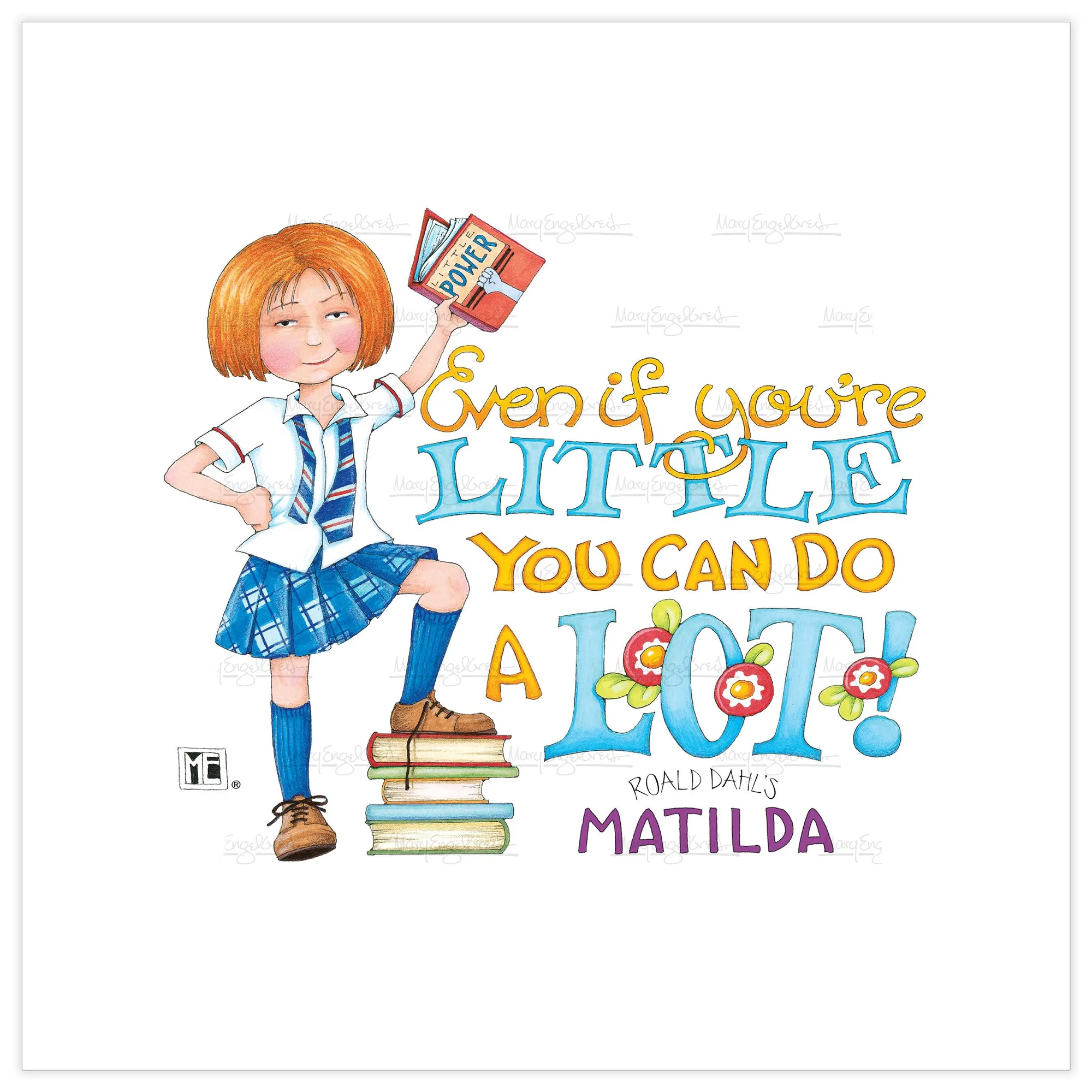
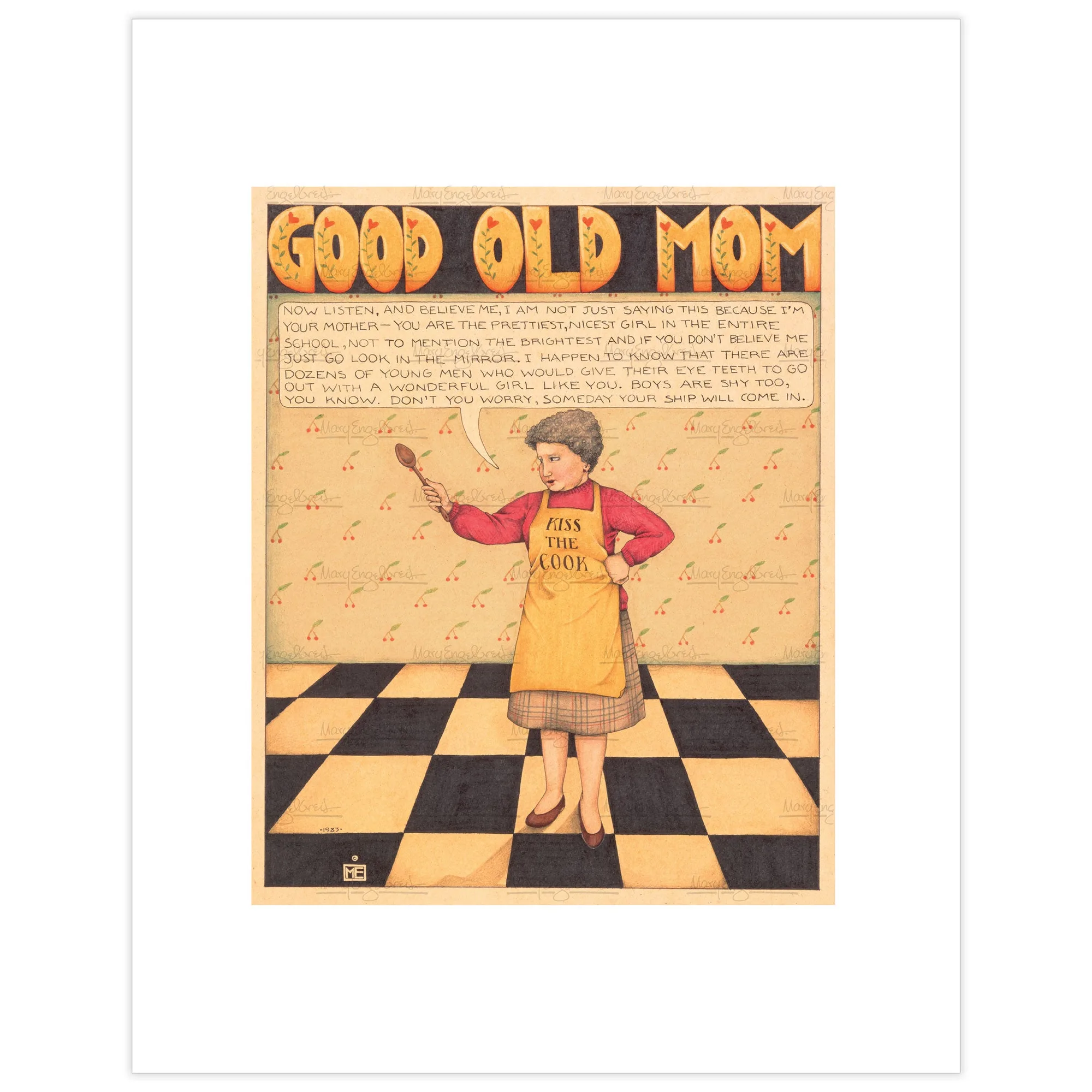
- Matilda Little Can Do A Lot Fine Art Print: Matilda Little Can Do A Lot Fine Art Print, printed on high-quality textured paper in standard frame sizes, with a Size and Signature option. A framed print with a short, readable line works as wall reinforcement in a reading nook or classroom corner, and standard sizing means you can frame it without custom costs.
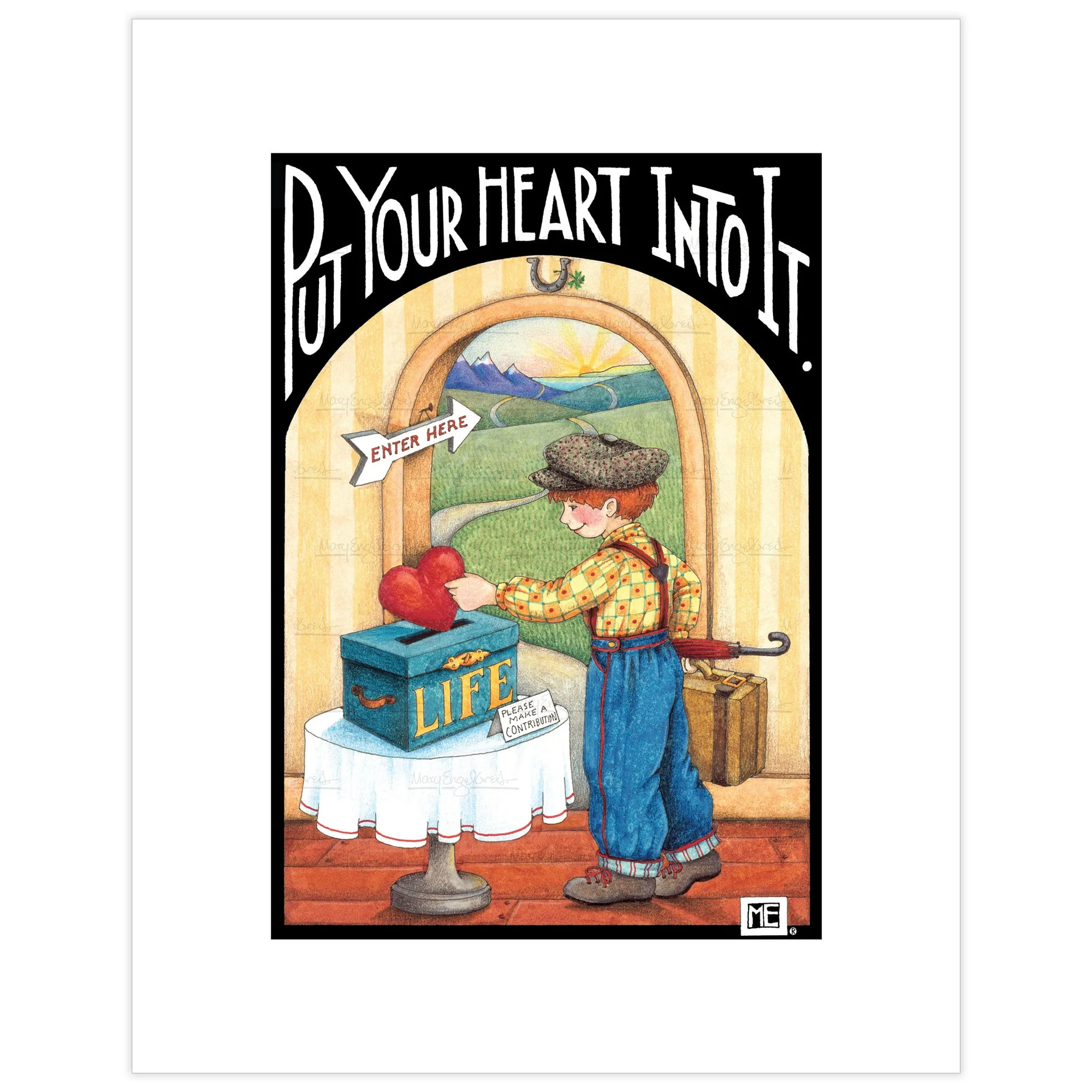
- Put Your Heart Into It Fine Art Print: Put Your Heart Into It Fine Art Print, printed on high-quality textured paper in standard frame sizes, available with Mary's signature, and created to order with up to one week for processing. The one-week processing window matters if you are buying for a birthday or the first day of school, so order ahead rather than the night before.
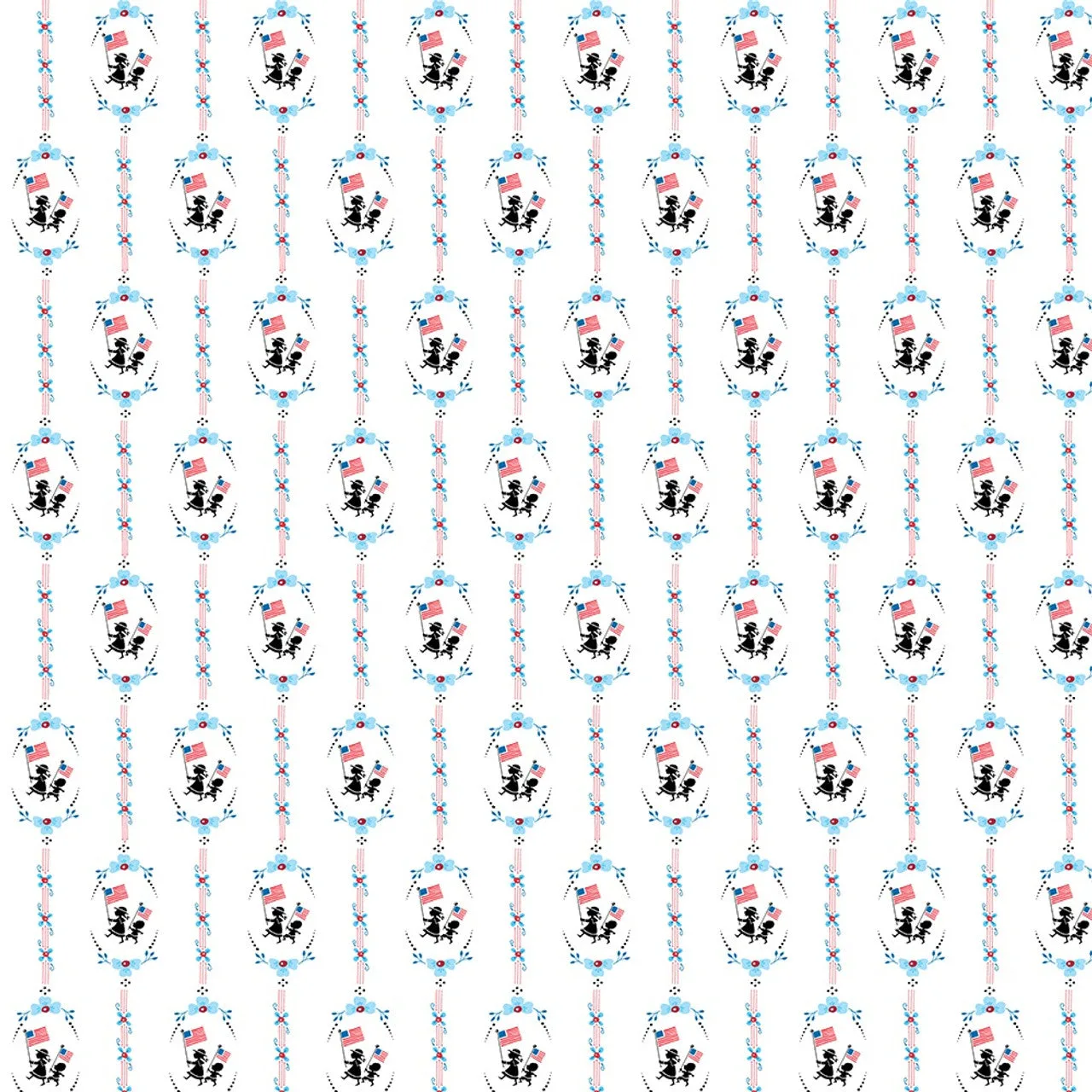
- Children March On Fabric: Children March On Fabric is 100% cotton quilting fabric with a small-scale repeating stripe of marching children holding American flags, machine wash cold and tumble dry low. If you sew, this is the material for a fabric chart, a quiet book page, or a table topper that turns a learning corner into something you want on the wall.
Who each format suits
Best for
- Families with a visible wall or door near where children already gather
- Parents who want a low-prep visual cue for letters, numbers, or routines
- Table-time practice with crayons, tracing, or matching pages
- Classrooms and studios that need durable, reusable display material
Not for
- Homes with no wall space at a child's eye level
- Families who cannot supervise table time or store loose pages
- Buyers shopping years ahead of a child's current skill stage
- Anyone expecting a chart to replace hands-on practice