Quick answer
Start with the fabric, then the fit, then the season. For everyday home comfort, choose breathable natural fibres like organic cotton, allow room to move without going baggy, and buy two or three pieces your child can pull on without help. If you want a shortcut, a long-sleeve organic cotton tee paired with easy striped shorts covers most warm indoor days.
Fabric first: what to look for and what to avoid
Loungewear lives against the skin for hours, so fabric matters more than any print. Organic cotton is the reliable baseline: it breathes, softens with washing and rarely irritates. Terry cloth adds texture and warmth for cooler rooms, though it dries more slowly than plain jersey. If a product page does not list a composition, treat that as a real limitation — you cannot judge breathability or shrinkage without it, so ask before buying or choose a piece that states its fibre content.
Fit rules that stop loungewear from being outgrown in a month
Home clothes should be loose enough to sit, crawl and stretch in, but not so loose that sleeves drag or waistbands slip. Check three points: shoulder seam sits at the shoulder edge, cuffs stay near the wrist rather than sliding over the hand, and the waistband rests flat without leaving marks. A loose fit is comfortable; an oversized fit becomes a tripping hazard. When between sizes, size up for a loose fit only if the cuffs and waist are adjustable or elasticated.
How many pieces and which combinations actually work
A workable loungewear drawer for one child is three tops and two bottoms, which covers laundry cycles without overflowing. Build around one neutral base — a white long-sleeve tee — then add one patterned or textured piece for variety. Shorts work for warm indoor days and mild evenings; long sleeves handle air-conditioned rooms and cooler mornings. Sets are convenient but not essential: matching is optional, and separates usually get more wear because you can swap one half when it is dirty.
Season and temperature checks before you buy
Buy for the room your child actually spends time in, not the calendar. Heated homes in winter often need lighter layers than expected, while summer air conditioning can make long sleeves useful. If your child runs warm, choose one lighter layer and add a blanket rather than buying thicker loungewear. If your child feels the cold, terry cloth or a long-sleeve cotton top does more than a heavier synthetic blend.
Decision rules for buying kids' loungewear
- If your child runs warm: Choose a single layer of organic cotton with a loose fit, like a long-sleeve tee, and skip terry cloth or fleece-backed fabrics. One breathable layer beats two thick ones for warm sleepers.
- If your child feels the cold: Look for terry cloth or a long-sleeve cotton top with ribbed cuffs that trap warmth at the wrists, and pair with shorts or trousers rather than a dress. Texture and cuffs do more for warmth than an extra print.
- If you want the fewest possible pieces: Buy three plain tops and two bottoms in colours that all match each other, so any combination works and laundry day never leaves you short. A small, coordinated drawer outperforms a large, mismatched one.
- If you are buying for a growth spurt: Size up only when cuffs are ribbed or waistbands are elasticated; otherwise a loose fit in the current size will last longer than an oversized one. Adjustable edges make sizing up safe.
Product facts to compare
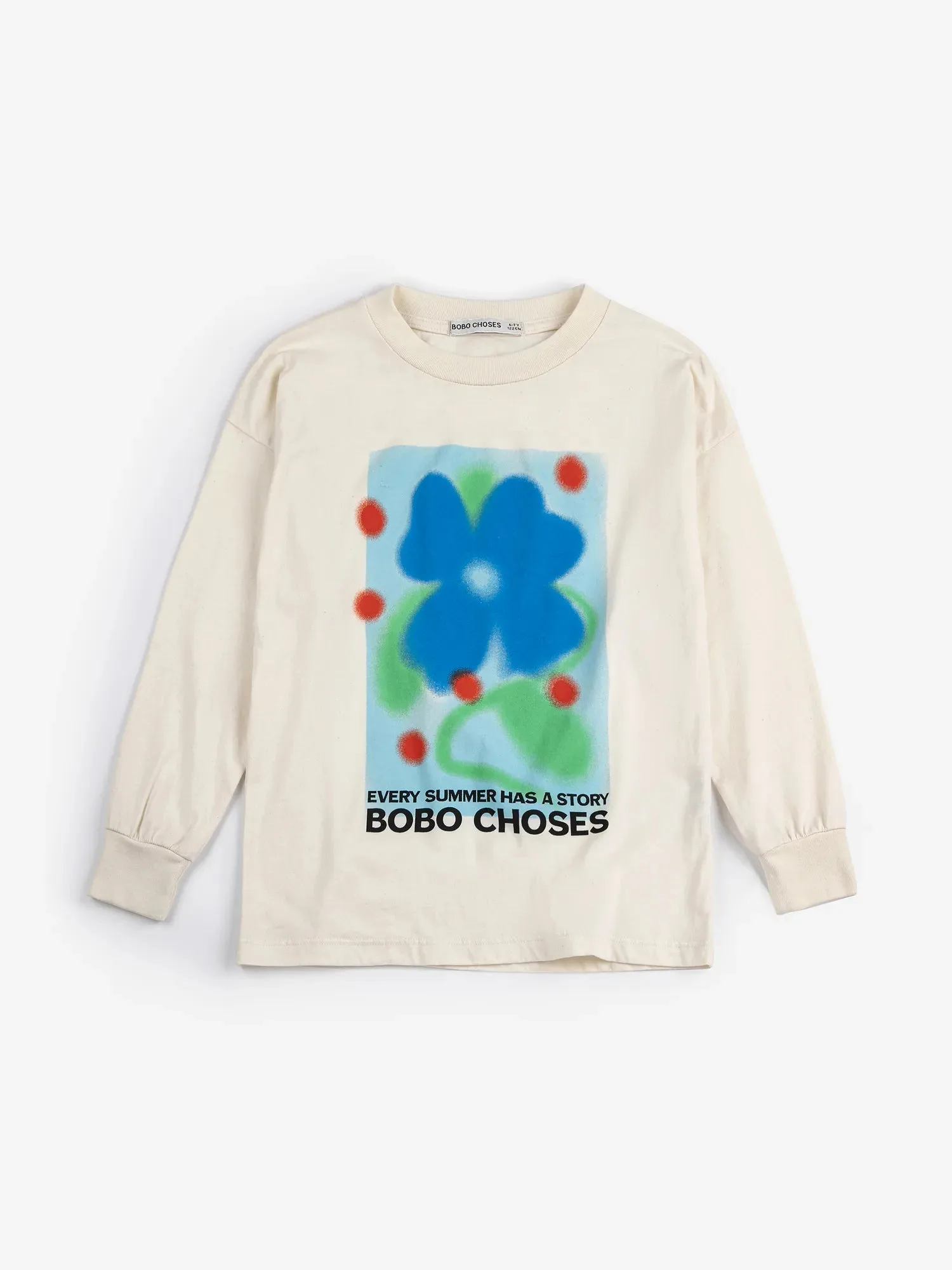
- Summer Story long sleeve T-shirt: Summer Story long sleeve T-shirt: white, long sleeves, ribbed cuffs, loose fit, round neck, made in Spain, 100% organic cotton. Ribbed cuffs keep sleeves in place during play, and the loose fit plus organic cotton makes this a strong everyday base layer for warm or air-conditioned rooms.
- SB126AC058 Bobo Choses striped shorts: SB126AC058 Bobo Choses striped shorts: striped pattern, part of the SS26 collection, available in sizes 2-3 years up to 10-11 years. A striped short is easy to pair with plain tops, and the wide size range means siblings can wear the same style without matching exactly.
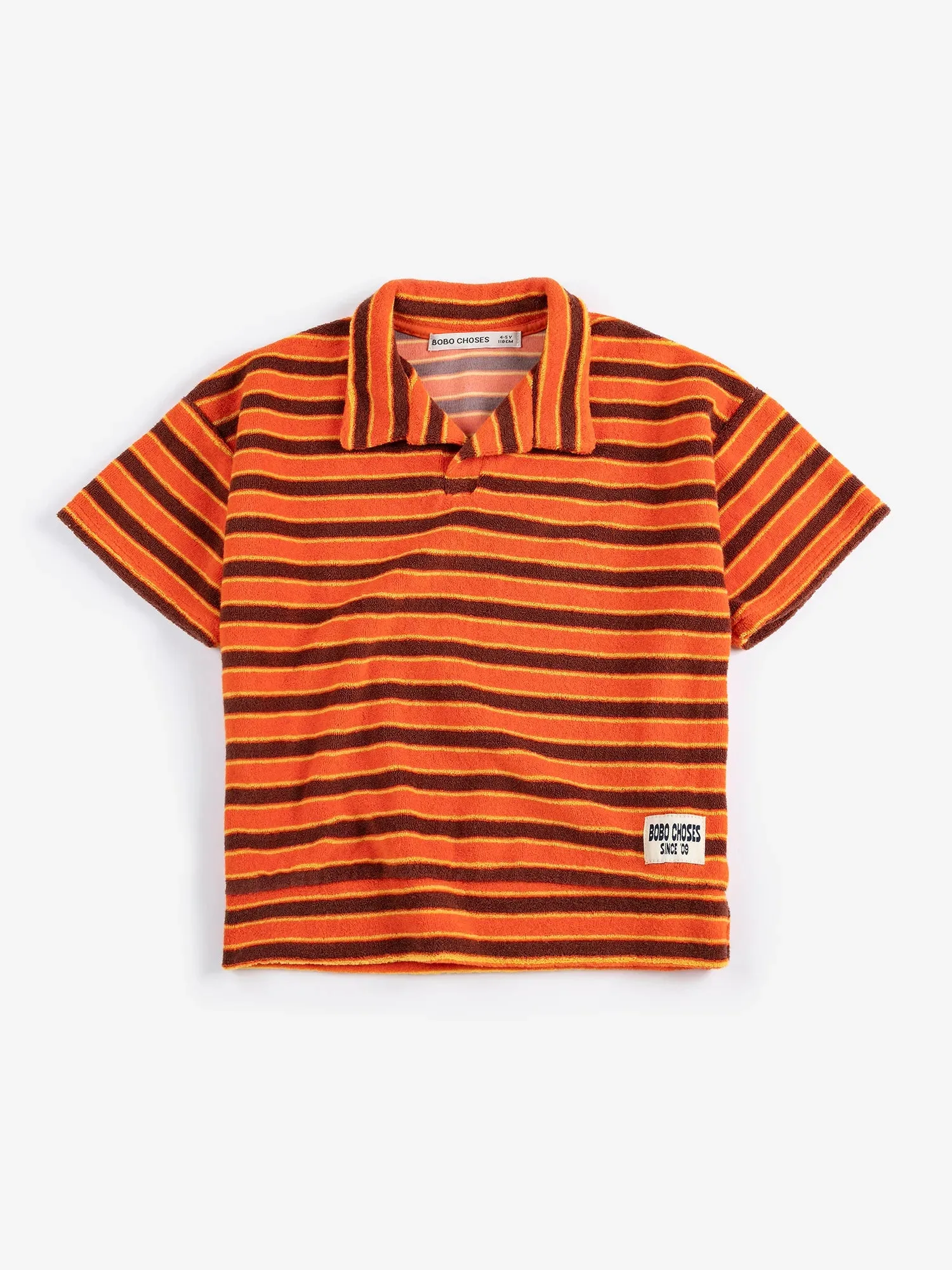
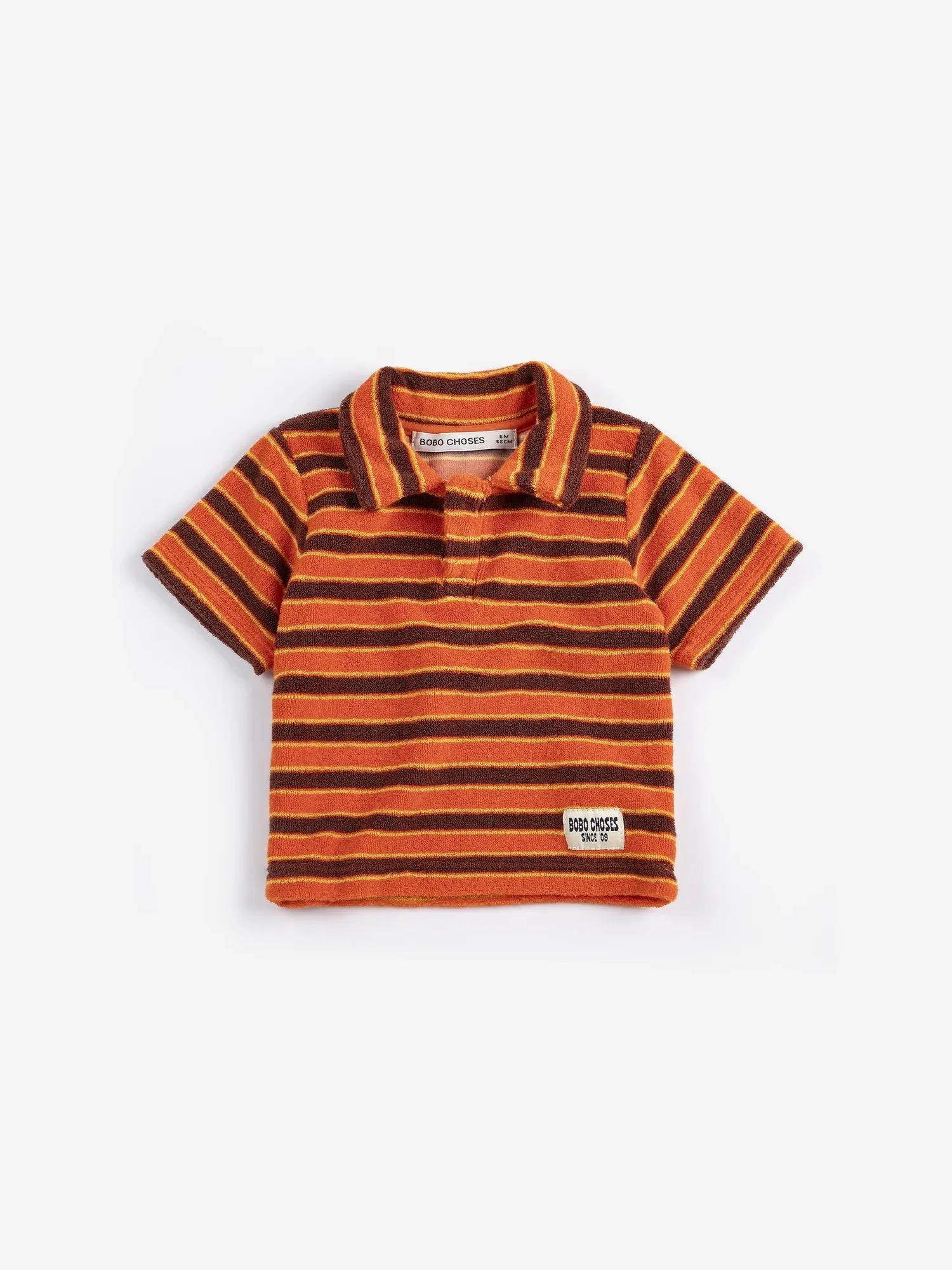
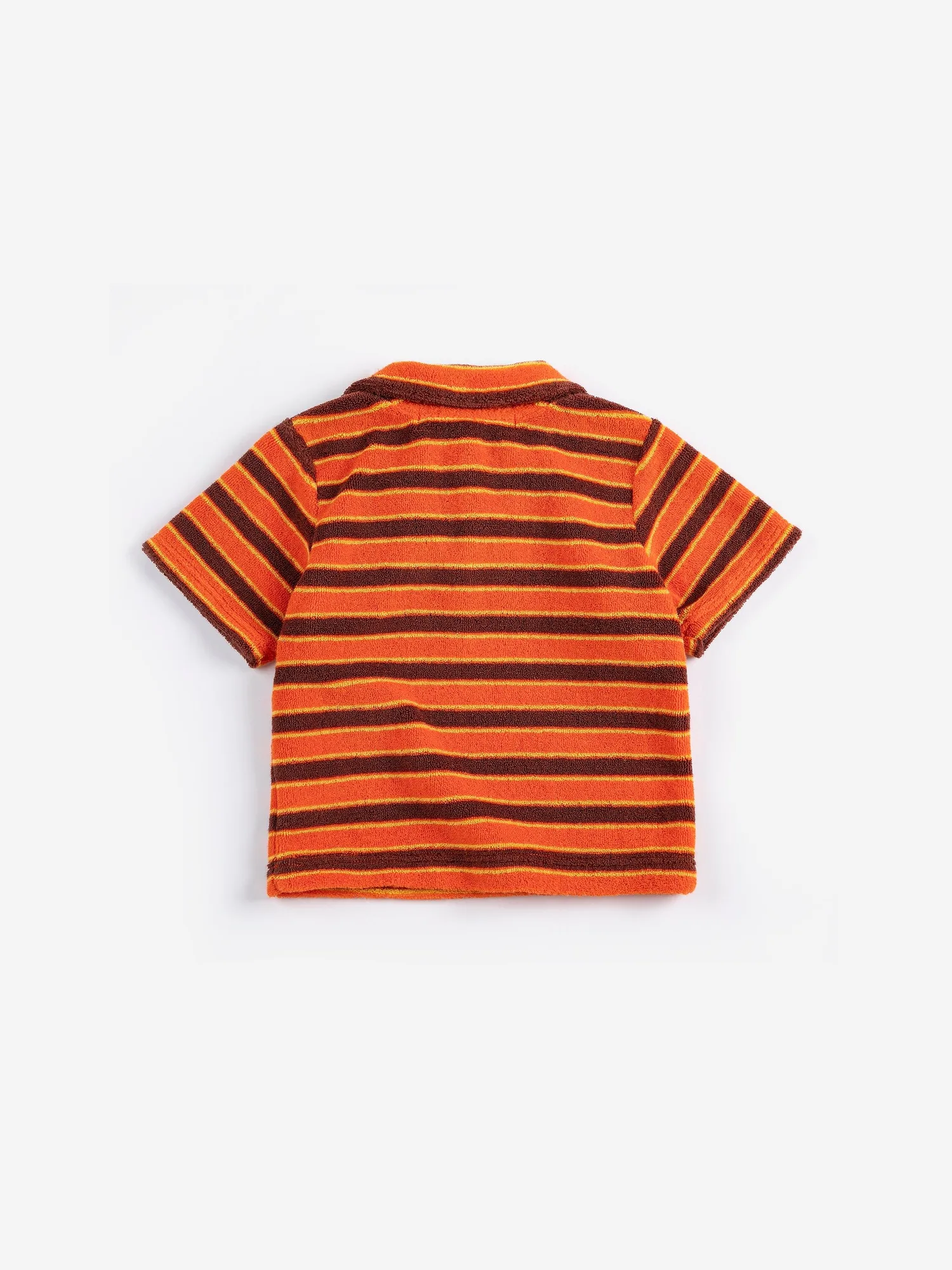
- SB126AB026 Striped brick terry cloth polo: SB126AB026 https://bobochosesenm.com/products/b126ab026-striped-brick-terry-cloth-polo-6060330226bb8094d860db0c-1105855Striped brick terry cloth polo: terry cloth fabric, polo silhouette with a collar, striped brick colourway, available in sizes 9 months and 12 months. Terry cloth adds warmth and texture for cooler indoor days, and the collar gives a slightly smarter look for video calls or visiting family — but the small size range limits it to babies.
Who this loungewear advice is for
Best for
- Parents building a small, practical drawer of comfortable kids home clothes
- Children who need easy-on pieces for indoor play, rest and remote school days
- Shoppers who want natural fibres and clear sizing over trend-led sets
Not for
- Buyers looking for performance sportswear or moisture-wicking activewear
- Parents who need formal or school-uniform clothing rather than home clothes
- Anyone shopping for outdoor winter gear or waterproof layers