Quick answer
To get the right fit for kids' rain boots, measure your child's foot length and add about half an inch (one size up) for growing room. Avoid buying boots that are too big, as they can cause tripping and blisters. Look for boots with a removable insole for easier cleaning and a wider opening for easy on and off.
Why Rain Boot Sizing Is Different
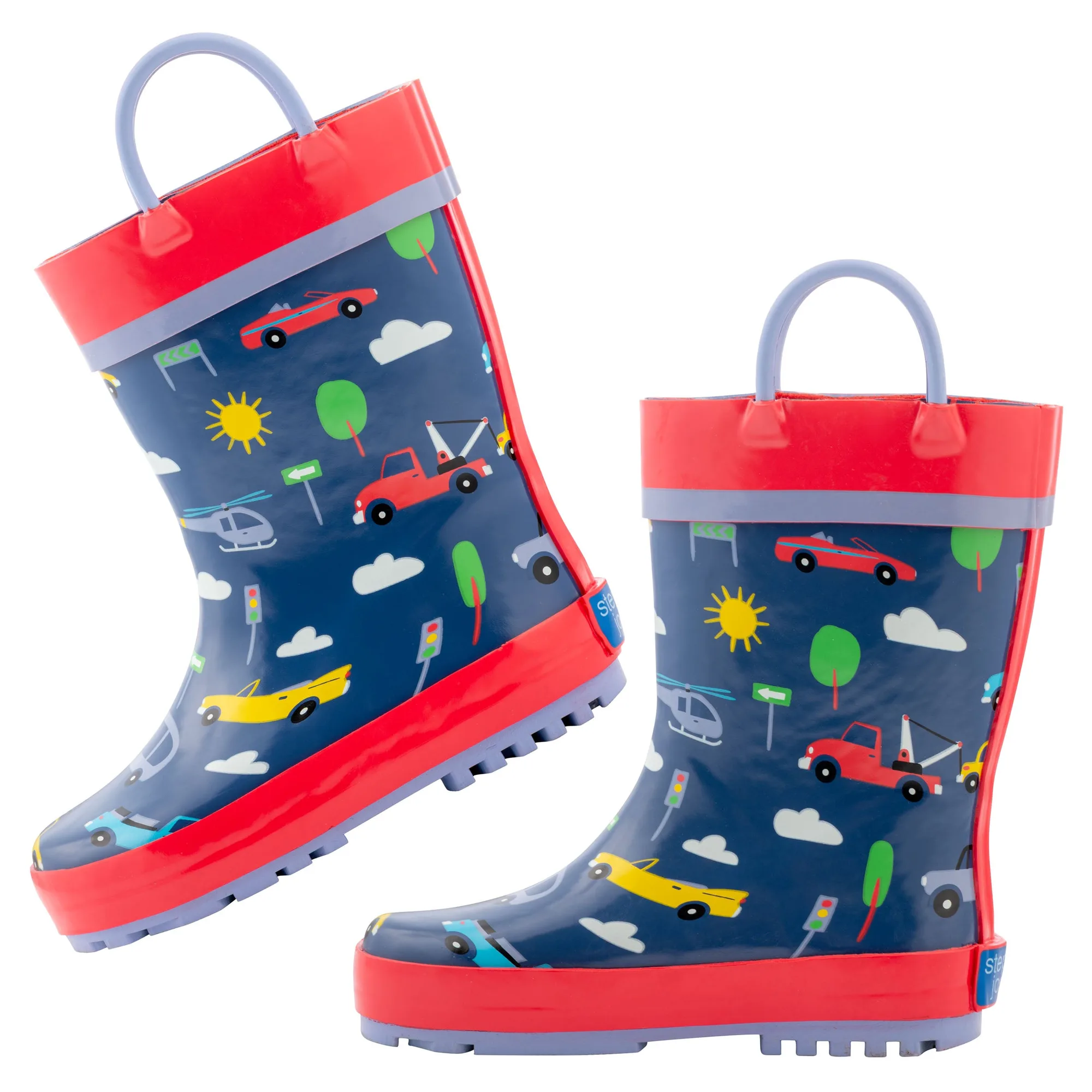
Rain Boot
Rain boots are typically made of rubber or PVC, which doesn't stretch or mold to the foot like leather or fabric shoes. This means a precise fit is more important. Boots that are too tight can cause discomfort and blisters, while boots that are too loose can lead to slipping and falls. Also, rain boots are often worn with thicker socks in cooler weather, so you need to account for that extra layer when sizing.
Measuring Your Child's Feet at Home
To measure your child's feet, place a piece of paper on a hard floor against a wall. Have your child stand on the paper with their heel touching the wall. Mark the longest toe on the paper, then measure the distance from the wall to the mark. Repeat for both feet, as one foot is often slightly larger. Use the larger measurement when selecting a size.
Step-by-step rain boot sizing process
- Step 1: Measure foot length: Use a ruler or measuring tape to measure from heel to longest toe while your child is standing. Write down the measurement in inches or centimeters. Common mistake: measuring while sitting can give a shorter measurement. Always measure standing.
- Step 2: Add growing room: Add about 0.5 inches (1.3 cm) to the foot length. This allows for growth and thicker socks. For toddlers, you might add a bit more (0.75 inches) since their feet grow quickly. Checkpoint: too much room (over 1 inch) can cause tripping. Stick to 0.5-0.75 inches.
- Step 3: Check width and calf fit: Rain boots should be snug but not tight around the calf. If the boot is too narrow, it can restrict circulation. If too wide, it can slip off. Look for boots with adjustable straps or stretch panels. Common mistake: assuming all rain boots fit the same calf width. Check the brand's sizing chart for calf measurements.
- Step 4: Test the fit at home: Have your child wear the boots with the socks they'll actually use. Check for heel slippage (more than 0.5 inches is too loose) and toe wiggling (should be able to wiggle toes freely). Walk around to ensure no rubbing. Checkpoint: if the boots are hard to put on or take off, they may be too small or the opening too narrow.
Product features that help with sizing
- Sidekick Backpack: The Stephen Joseph Sidekick Backpack has plenty of room for all their books and lunch box, and even a front pocket that is the perfect size for pens and pencils. While not a rain boot, this backpack is a great companion for rainy school days. Its roomy design and front pocket make it easy for kids to carry extra socks or a change of clothes in case their boots get wet.