Quick answer
Start with everyday objects like leaves or fabric threads. The Little Scientist Wooden Microscope makes it easy for toddlers to explore without frustration.
Why a wooden microscope works for toddlers
Wooden microscopes are sturdy and safe for little hands. They lack sharp edges and fragile parts, so you can let your child explore freely. The adjustable eyepiece and built-in light help young scientists focus without needing perfect lighting.
3 easy first experiments
- Explore a prepared slide: Place one of the included prepared slides on the stage. Turn on the light and adjust the eyepiece until the image is clear. Let your child describe what they see. Common mistake: turning the eyepiece too fast. Show them to turn slowly until the picture sharpens.
- Make a leaf slide: Pick a small, thin leaf from outside. Place it on the empty slide and cover with the included coverslip. Position it on the stage and adjust the light and focus. Checkpoint: thick leaves block light. Choose the thinnest leaf you can find.
- Compare fabric threads: Pull a single thread from an old cotton sock and one from a wool scarf. Place each on a separate slide. Observe how the textures look different under the microscope. Common mistake: using too many threads. One thread per slide gives the clearest view.
Product spotlight
-
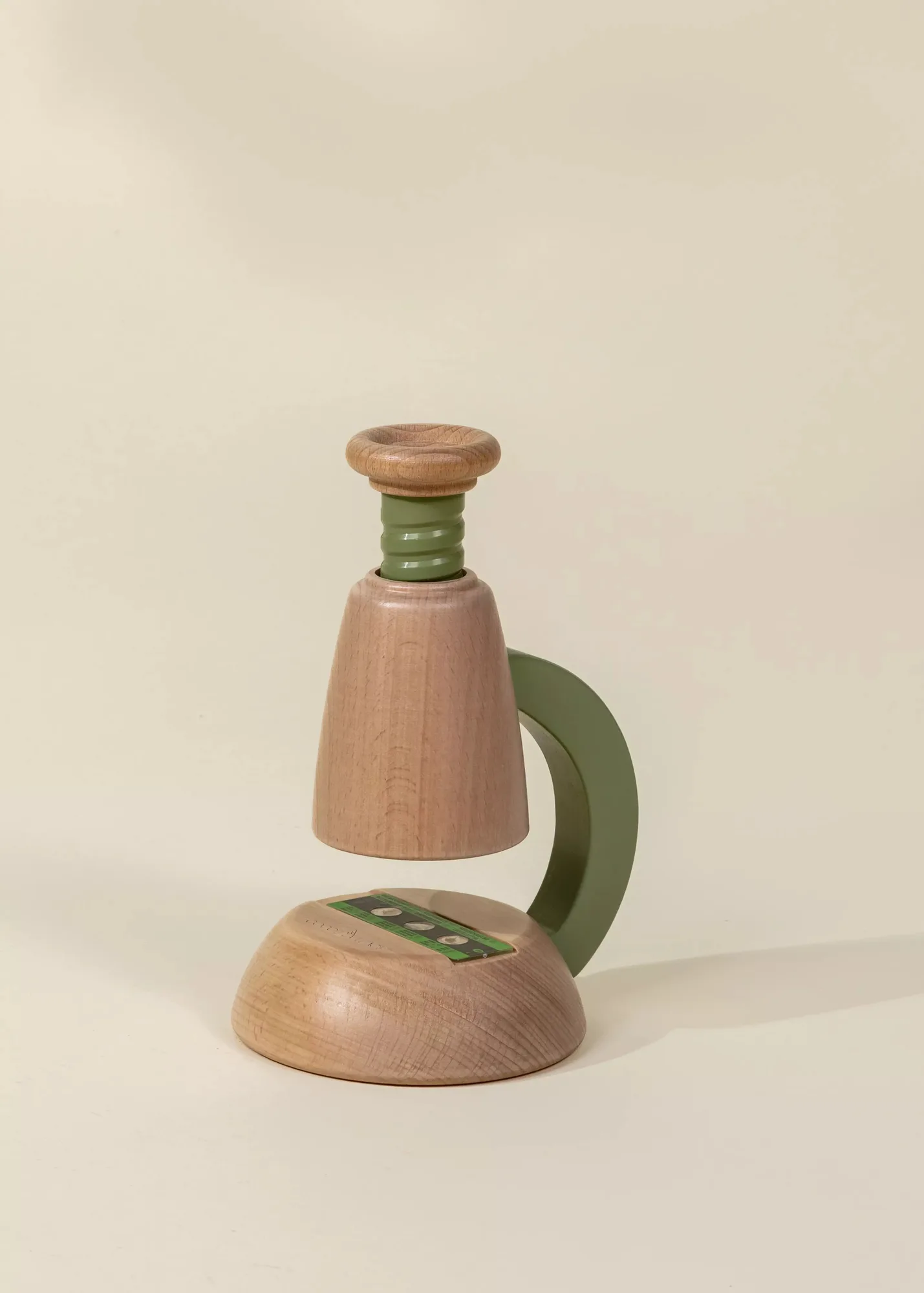
Little Scientist Wooden Microscope: The Little Scientist Wooden Microscope includes an adjustable eyepiece, specimen stage, ON/OFF light switch, 2 prepared slides, and 1 empty slide. The light and prepared slides remove setup frustration, so your child can start exploring immediately.
Little Scientist Wooden Microscope