Quick answer
Classic sand tray sand remains the standard for most play therapy sessions because it preserves the malleability and containment that sand tray work relies on. Kinetic sand is a useful alternative when you need mess-free sensory engagement or work in a space where loose sand is impractical. Choose classic sand for traditional sand tray processing; choose kinetic sand for sensory regulation or when cleanup and portability matter more than classic sand dynamics.
What each sand actually is
Classic sand tray sand is typically fine, washed, and free of large debris, designed to hold shape when dampened and to allow miniatures to be placed with stability. It supports the core sand tray method: clients shape scenes, move sand, and create landscapes that can be reflected on and later processed. Kinetic sand is a proprietary mixture of sand and a polymer binder that sticks to itself, holds shape without water, and resists scattering. It does not require moisture to mold, and it tends to stay in a contained area more readily than loose sand.
How texture affects therapeutic play
The texture of classic sand invites pushing, smoothing, digging, and building. Clients often use it to create hills, rivers, and boundaries that become part of the story. Because it is loose, it can also be swept, poured, or brushed, which some clients find calming. Kinetic sand offers a different sensory profile: it is cool, dense, and slightly damp-feeling without being wet. It molds into firm shapes and holds them, which can be satisfying for clients who seek deep pressure or who struggle with fine motor control. However, it does not pour or scatter in the same way, so some classic sand tray techniques, like creating a flowing river or burying objects deeply, are less natural with kinetic sand.
Miniatures and scene building
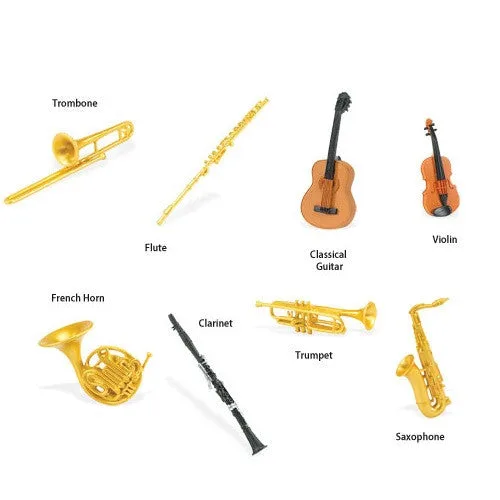
Classic sand allows miniatures to be placed, buried, and partially submerged with ease. The sand can be leveled and reshaped repeatedly, which supports the iterative scene-building that many therapists rely on. Kinetic sand holds miniatures in place well, but it can cling to figures and leave residue. Small details, like the musical instruments in a Sand Tray Toys set, may need cleaning after use. If your practice uses a lot of miniature work, classic sand is generally easier to maintain and less likely to coat figures. If you use only a few sturdy miniatures, kinetic sand's residue is manageable with a quick wipe.
Cleanup, storage, and sensory considerations
Classic sand requires a tray with a lid, a mat underneath, and regular sweeping. It can dry out and become dusty, and it needs occasional sifting. Kinetic sand stays clumped, so it is less likely to scatter, but it can leave an oily film on hands and surfaces. It also dries out over time and may need replacement sooner than classic sand. For therapists who travel between schools or clinics, kinetic sand's contained nature is a significant advantage. For a dedicated sand tray room, classic sand remains the more versatile and traditional choice.
Trade-offs at a glance
- Moldability: Classic sand holds shape when dampened; kinetic sand holds shape without water but does not flow or pour. Choose classic for dynamic scenes; choose kinetic for firm, stable shapes.
- Cleanup: Classic sand scatters and requires sweeping; kinetic sand stays contained but can leave residue on hands and miniatures. Choose kinetic for low-mess settings; choose classic for dedicated sand tray rooms.
- Miniature compatibility: Classic sand allows easy burying and repositioning; kinetic sand may cling to small figures and require cleaning. Choose classic if you use many detailed miniatures; choose kinetic if your miniatures are sturdy and few.
Product facts
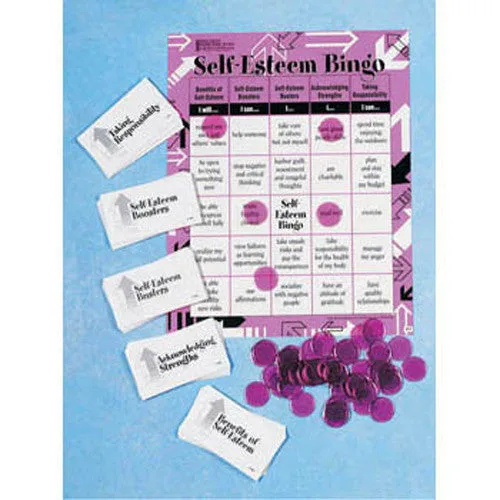
- Self-Esteem Bingo - Adult Version: Self-Esteem Bingo - Adult Version focuses on self-esteem boosters and busters, benefits of self-esteem, acknowledging strengths, and taking responsibility. It includes 16 laminated BINGO cards, 75 calling cards, a facilitator instruction sheet, and reproducible handouts for clinics or classrooms. This structured board game can complement sand tray work by reinforcing self-esteem concepts verbally, making it useful for older clients who may benefit from a cognitive component alongside sensory play.
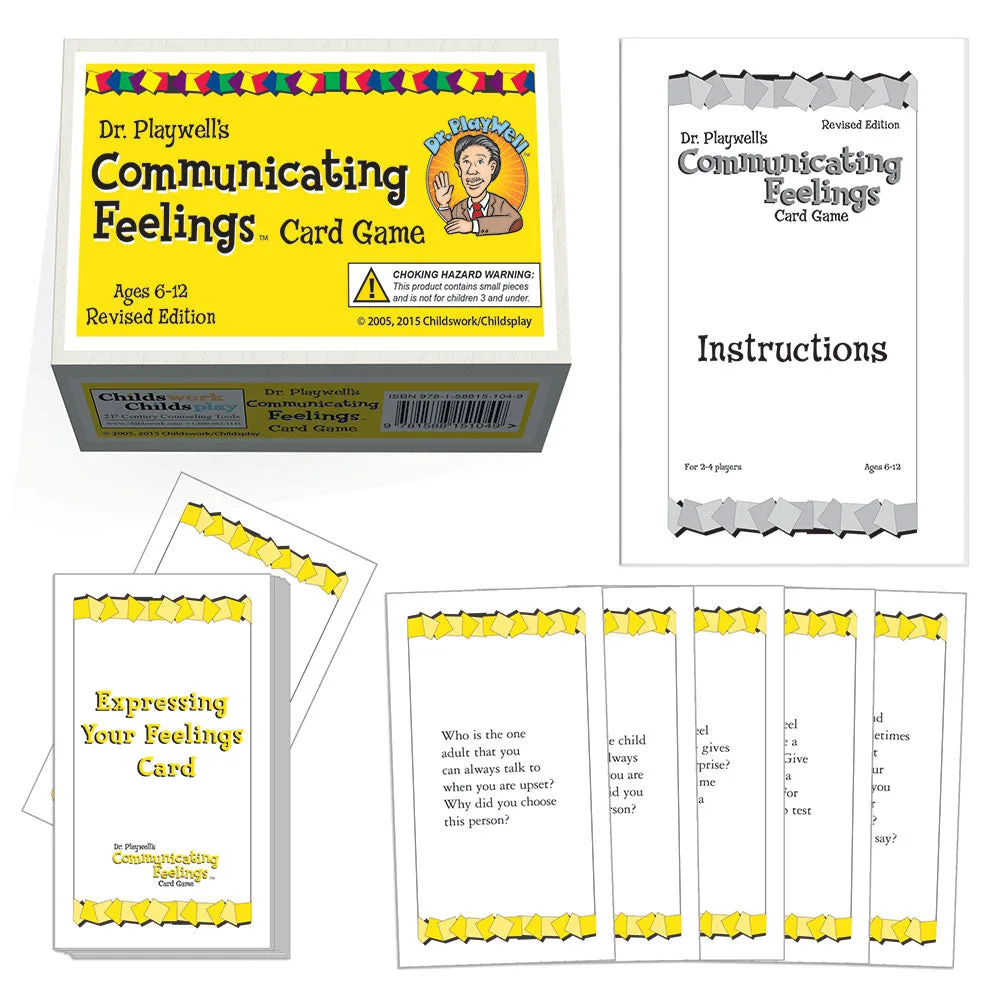
- Dr. Playwell's Communicating Feelings Card Game: Dr. Playwell's Communicating Feelings Card Game is designed for ages 6-12 to encourage children to talk about feelings and understand others' feelings. It focuses on 13 basic feelings and helps children recognize facial expressions and body language. After a sand tray session, this card game can help children verbalize the emotions that emerged in their sand scene, bridging nonverbal and verbal processing.
- Musical Instruments Toob: Musical Instruments Toob includes a Trombone, Flute, Saxophone, Classical Guitar, French Horn, Clarinet, and Trumpet. The largest figure measures approximately 3 inches long, and all figures are lead-free for safe sandplay. These miniature instruments are suitable for both classic and kinetic sand, but their small details may require extra cleaning if used with kinetic sand, which can leave residue.
Which sand fits your practice?
Best for
- Therapists using traditional sand tray processing with a wide range of miniatures
- Practices with a dedicated sand tray room and tolerance for some cleanup
- Clients who benefit from pouring, digging, and reshaping sand
Not for
- Therapists who travel between locations and need a contained, low-mess option
- Sessions focused primarily on sensory regulation rather than scene building
- Practices that cannot accommodate regular sweeping and sand maintenance