Quick answer
Most wasted kitchen space comes from three fixable mistakes: stacking instead of layering, storing air, and buying containers before measuring. Empty the cabinet, group items by use, add one riser or divider, and put back only what you used this week. If a cabinet still fights you after two adjustments, stop rearranging and change the storage type instead.
Mistake 1: Stacking Instead of Layering
A stack of bowls or containers hides everything below the top item. You pull out three pieces to reach one, then leave the pile on the counter. Layering fixes this: a riser or a shelf insert turns one deep shelf into two shallow, visible levels. Measure the interior height first, then subtract the tallest item you plan to store on the lower level. If the remaining height is under 10 cm, a riser will not help and you should reconsider what belongs there.
Mistake 2: Storing Air in Containers
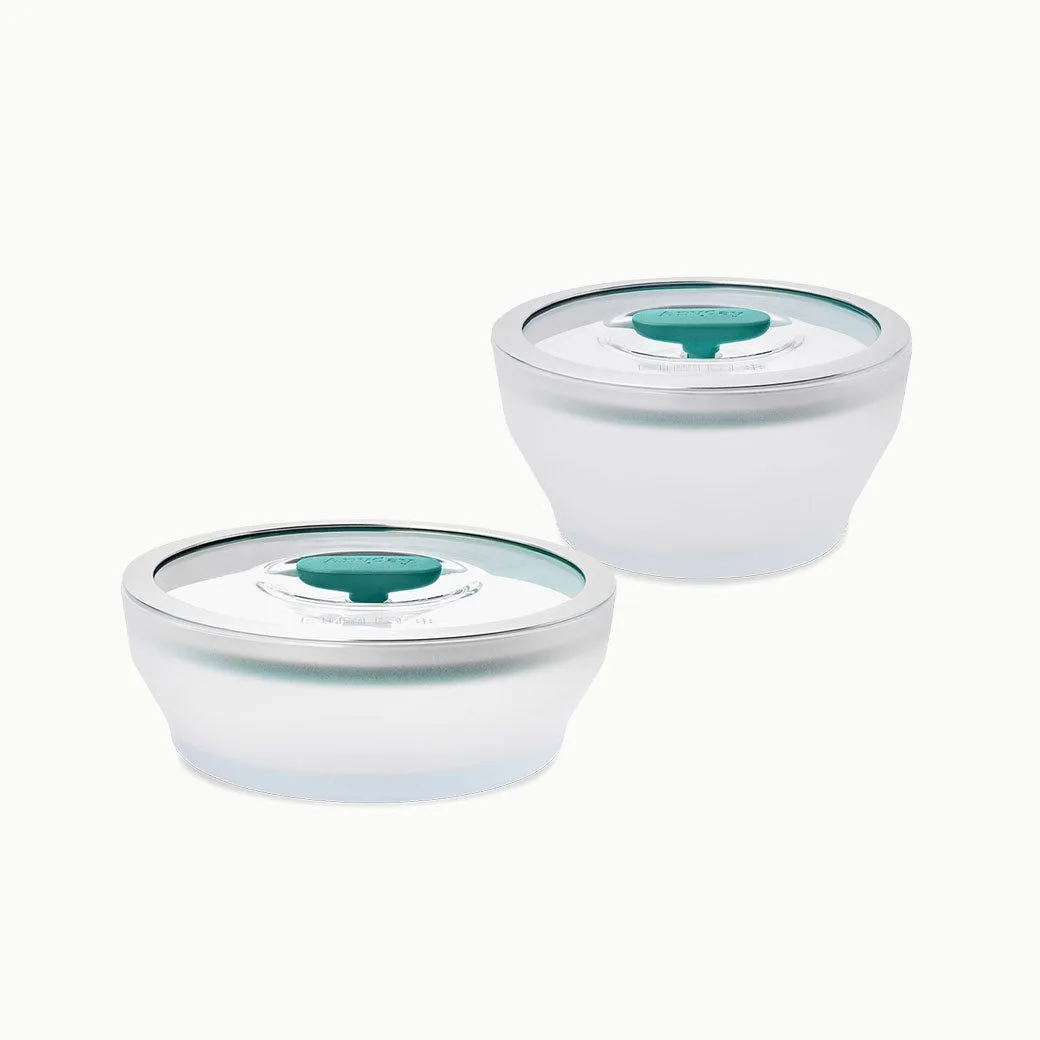
Round containers in a square cabinet leave crescent-shaped gaps you cannot use. Square or rectangular containers with straight sides nest and tile far more efficiently. The same logic applies to bags and boxes: a bag of flour clipped shut and stood upright takes less shelf depth than the same bag laid flat. Before buying anything new, decant one shelf into square containers and see how much space opens up. If it does not, the problem is the shelf depth, not the container shape.
Mistake 3: Ignoring the Door and the Vertical Gap
The inside of a cabinet door and the gap above the top shelf are two of the most underused zones in a small kitchen. Slim door racks hold lids, foil, and spices, while a single riser above the top shelf can hold platters you use twice a year. Keep heavy items low and light items high. If your cabinet doors are thin or hollow-core, skip door-mounted racks and use an over-the-door pantry organizer instead so you do not pull the hinges loose.
Mistake 4: Buying Storage Before Measuring
A set of matching bins looks tidy in the store and fails at home because it is 2 cm too tall for the shelf. Measure the interior width, depth, and height of each cabinet, then write those numbers on a note you keep in your phone. Buy for the smallest shelf first. If a bin fits the smallest shelf, it will fit the larger ones. If you cannot find a bin that fits, the honest answer is that this cabinet needs a different solution, such as a pull-out drawer or a freestanding cart, not another container.
Diagnose Your Wasted Space
- Symptom: You cannot see the back of the shelf: Likely cause: items are stacked in a single deep layer. Corrective action: add one riser or shelf insert to create two visible levels. Stop when the shelf holds only what you use weekly. If the cabinet is deeper than your arm, a riser alone will not fix it.
- Symptom: Containers slide and leave gaps: Likely cause: round or mismatched container shapes. Corrective action: switch to square or rectangular containers with straight sides and nest them. Stop when the shelf is tiled with no crescent gaps. If square containers still leave gaps, the shelf is the wrong depth for this job.
- Symptom: You avoid using a cabinet entirely: Likely cause: the items inside are heavy, awkward, or needed too often to justify the reach. Corrective action: move daily items to waist height and relocate occasional items to the top shelf. Stop rearranging if you still avoid it after two moves. Choose a different option: a pull-out drawer or a freestanding cart, rather than more bins.
Product facts
- CS01 Classic Fit Terry Zip Hoodie: Relaxed fit unisex hoodie in 100% cotton French terry with a kangaroo front pocket and ribbed cuffs and hem. A hoodie you can layer over kitchen clothes and wash often is practical for deep-cleaning days; the relaxed fit keeps it comfortable while you reach and crouch.
- The Skinny Case™ - Heartbreaker: The Skinny Case has raised edges for screen and camera protection and 360° full coverage, with a glossy polyurethane exterior and felt interior. If you keep your phone on the counter while cooking, full coverage and raised edges reduce the risk of scratches from stray utensils and crumbs.
- The Puffer Case® - Princess in Chrome: The Puffer Case® has raised edges for screen and camera protection, full side button coverage, and a squishy, puffy design that is not bulky. A grippy, tactile case is easier to hold one-handed while you move items between shelves, and the raised edges still protect the screen.