Quick Answer
If you want consistent espresso with minimal effort, a fully automatic espresso machine is your best bet. If you enjoy hands-on control and don't mind a learning curve, a manual espresso maker gives you that barista experience. Your choice comes down to how much time and effort you want to invest in each cup.
Coffee lovers often face a big decision: invest in a fully automatic espresso machine that does the work for you, or go manual for a more involved, customizable brew. Both paths can lead to great espresso, but they suit different lifestyles and priorities.
This guide compares the experience of using a super automatic espresso machine versus a manual espresso maker. We'll look at ease of use, control, cleanup, and cost so you can decide which approach fits your home barista goals.
Ease of Use: Push-Button Convenience vs Hands-On Ritual
A fully automatic espresso machine is designed for convenience. You add beans, press a button, and the machine grinds, tamps, and brews your shot. This makes it ideal for busy mornings or when you want a quick espresso without fuss. The trade-off is that you have less control over each step, and you may not feel as connected to the process.
A manual espresso maker puts you in charge of grinding, dosing, tamping, and timing. This hands-on approach can be rewarding, but it takes practice to get consistent results. If you enjoy the ritual and are willing to learn, a manual machine can be deeply satisfying. If you value speed and simplicity, the automatic route is hard to beat.
- Fully automatic machines often have programmable settings for shot size and strength, so you can save your preferences.
- Manual makers require you to master each variable, but that control lets you fine-tune every shot.
Control and Customization: Dialing In Your Shot
Manual espresso makers offer the most control. You choose the grind size, dose, and tamp pressure, and you can adjust your technique based on the beans. This allows you to experiment and develop a personal recipe. However, this also means more variables to manage, and inconsistent technique can lead to inconsistent shots.
Fully automatic machines simplify the process with preset programs. Many models let you adjust strength and volume, but you typically can't tweak every detail. The convenience of a super automatic machine means you sacrifice some of the nuance that coffee enthusiasts enjoy. If you're happy with a good, consistent shot without the fuss, the automatic machine is a great choice.
- For manual brewing, a quality grinder is essential to achieve consistent particle size.
- Automatic machines often include built-in grinders, so you don't need a separate one.
Cleanup and Maintenance: Daily Effort vs Occasional Deep Clean
Manual espresso makers typically have fewer parts to clean. You'll rinse the portafilter and group head after each shot, and you may need to backflush periodically. This is straightforward and quick, but you're involved in every step.
Fully automatic machines have more components, including a bean hopper, grinder, brew unit, and often a milk frother. They require regular cleaning and descaling to keep them performing well. Some models have automatic cleaning cycles, which helps, but you still need to empty drip trays and wipe down parts. The convenience of push-button espresso comes with a maintenance commitment.
- Check your machine's manual for recommended cleaning intervals and use the correct descaling solution.
- For manual machines, a simple brush and cloth keep your equipment in top shape.
Cost and Value: What's Your Investment?
Fully automatic espresso machines typically cost more upfront than manual makers. The added convenience and automation come at a premium. However, if you regularly buy espresso drinks at cafés, an automatic machine can pay for itself over time.
Manual espresso makers are often more affordable, but you may need to invest in a good grinder and other-75970">other-75969">other-75968">other-75967">other accessories. This can add to the total cost. The ongoing expense of beans and maintenance is similar for both. Consider your budget and how much you value the hands-on experience versus the convenience.
- Factor in the cost of replacement parts and accessories when comparing long-term value.
- If you're new to espresso, a manual machine can be a lower-cost entry point, but be prepared for a learning curve.
Trade-Offs at a Glance
- Ease of Use: Fully automatic machines offer push-button convenience, while manual makers require hands-on effort and practice. Choose automatic for simplicity, manual for the ritual.
- Control: Manual makers give you full control over grind, dose, and tamp; automatics limit adjustments to preset programs. Pick manual for customization, automatic for consistency.
- Cleanup: Manual machines have fewer parts and quicker daily cleanup; automatics have more components and need regular maintenance. If you hate cleaning, a manual maker might be less hassle day-to-day.
- Cost: Fully automatic machines generally cost more upfront, but manual setups may require extra gear like a grinder. Consider your total budget, not just the machine price.
KitchenAid® Products to Consider
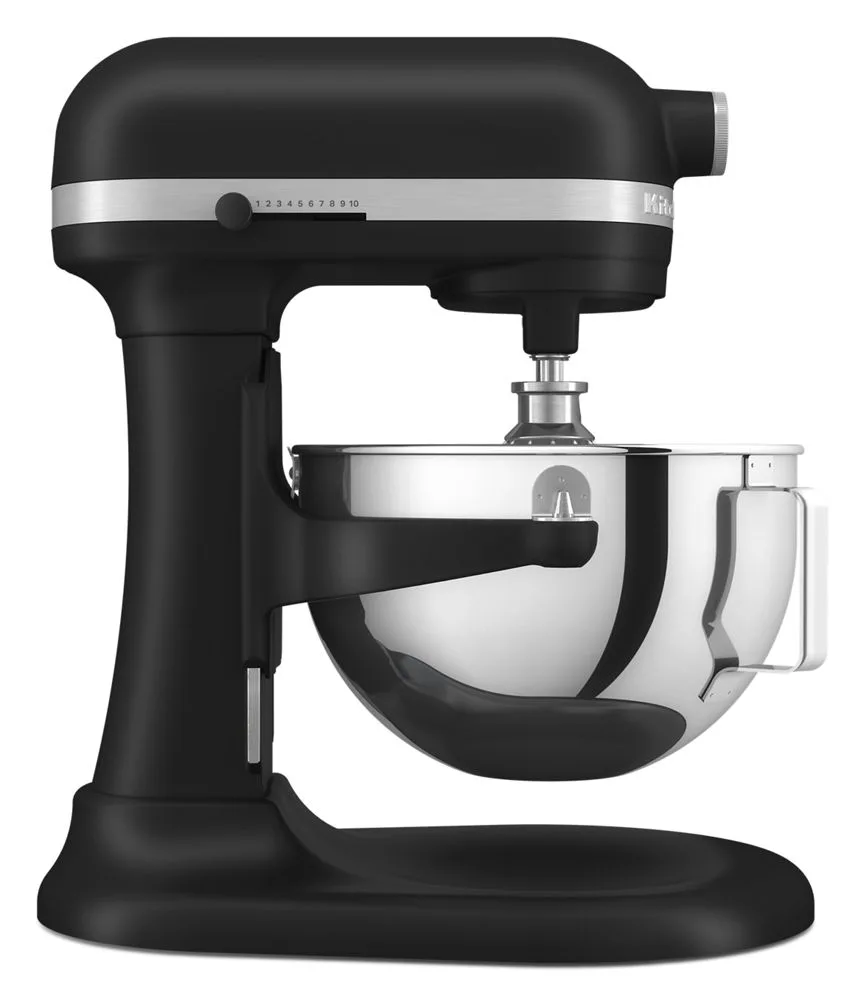
- Black Matte: This KitchenAid® blender in Black Matte offers a sleek, modern finish that complements any kitchen countertop. Designed for reliable blending performance, it is a versatile addition to your countertop appliances. While this is a blender, its fingerprint-resistant finish and easy-to-clean design are worth noting if you value low-maintenance countertop appliances. A similar design philosophy applies to KitchenAid espresso machines.
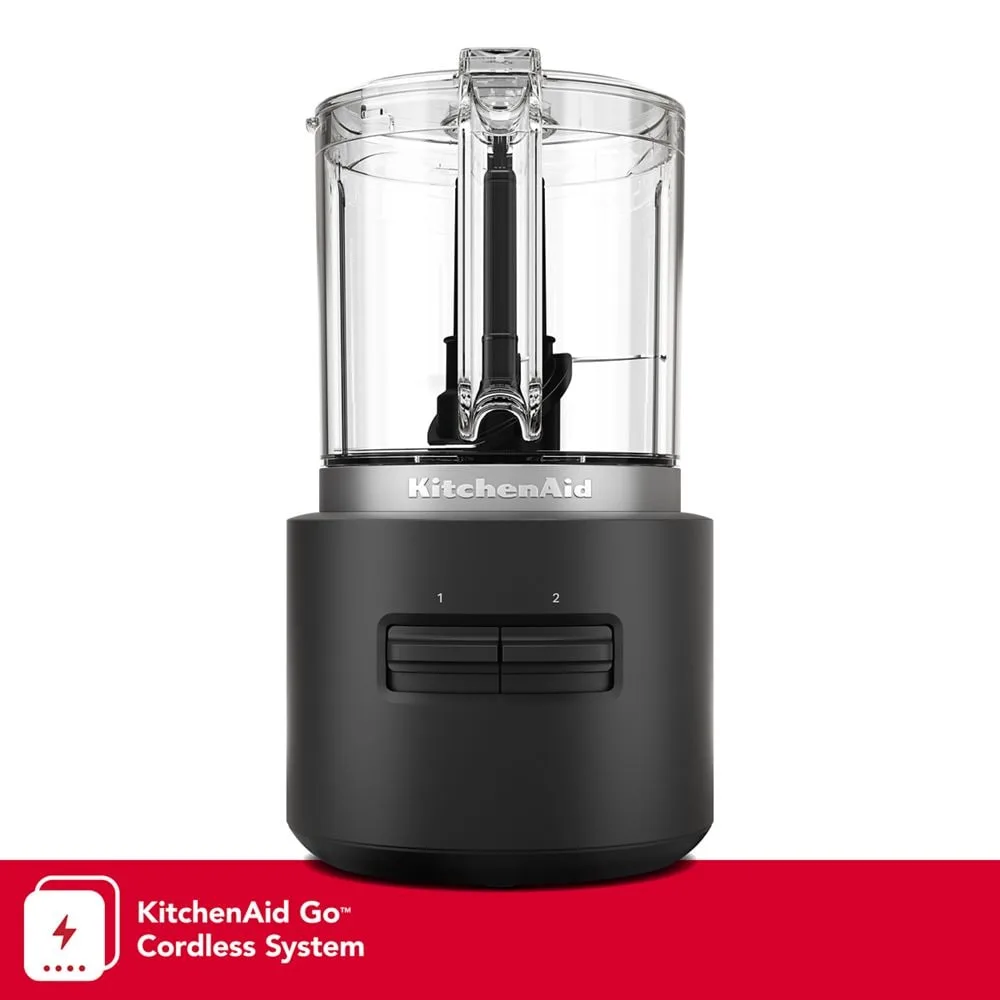
- Matte Charcoal Grey: This KitchenAid® Matte Charcoal Grey Processor and Chopper brings a sophisticated, understated look to your countertop. Designed for efficient food preparation, it offers reliable performance for everyday chopping and processing tasks. If you're building a cohesive kitchen aesthetic, this matte finish pairs well with other KitchenAid appliances, including espresso machines, for a modern, unified look.
Which Should You Choose?
Best for
- Busy individuals who want espresso at the touch of a button without learning the craft.
- Those who value consistency and are willing to perform regular maintenance for convenience.
Not for
- Enthusiasts who enjoy the hands-on process and want to experiment with every variable.
- Budget-conscious buyers who are open to a learning curve and want a lower initial investment.
Choosing between a fully automatic espresso machine and a manual maker is about your priorities. If you want convenience and consistency, go automatic. If you crave control and the joy of crafting each shot, manual is for you. Both paths lead to great espresso—pick the one that fits your lifestyle and coffee passion.