Bringing home a new kitten is an exciting time, but it also comes with a big responsibility: ensuring your tiny furball gets the right nutrition to grow into a healthy, happy adult cat. Kittens have unique dietary needs that differ significantly from adult cats, and feeding them properly during their first year sets the foundation for lifelong health. Whether you are a first-time cat owner or a seasoned pet parent, understanding kitten nutrition is key to making informed choices.
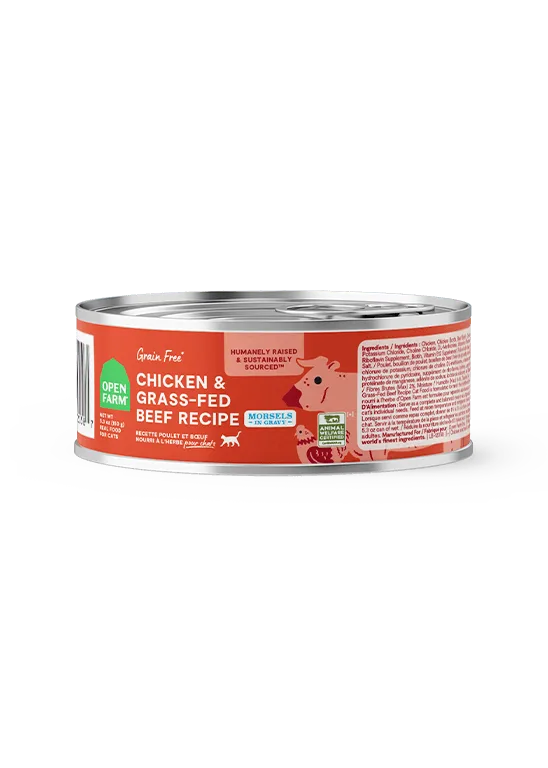
In this guide, we will cover everything you need to know about feeding your growing cat, from essential nutrients and portion sizes to the best types of food available. We will also highlight some excellent options, such as Chicken & Grass-Fed Beef Pâté for Cats and Chicken & Grass-Fed Beef Morsels in Gravy for Cats, to help you provide a balanced diet that your kitten will love.
Why Kitten Nutrition Is Different from Adult Cat Food
Kittens grow rapidly during their first year, sometimes gaining up to 10 times their birth weight in just a few months. This rapid development requires a diet rich in protein, fat, and specific vitamins and minerals to support muscle growth, brain development, and a strong immune system. Unlike adult cats, kittens need more calories per pound of body weight, as well as higher levels of taurine, an essential amino acid that supports heart and eye health.
Commercial kitten foods are formulated to meet these higher nutritional demands, often containing more protein and fat than adult formulas. Wet food, like the Chicken & Grass-Fed Beef Pâté for Cats, provides moisture and a texture that is easy for kittens to eat, while dry kibble can help with dental health. A combination of both can offer variety and ensure your kitten gets a balanced diet.
- Look for foods labeled as 'complete and balanced' for growth or all life stages.
- Avoid feeding adult cat food to kittens, as it lacks the necessary nutrients for development.
Essential Nutrients for Growing Kittens
Protein is the most critical nutrient for kittens, as it provides the building blocks for muscles, organs, and tissues. Animal-based proteins, such as chicken, beef, and fish, are highly digestible and contain all the essential amino acids kittens need. Fats, particularly omega-3 and omega-6 fatty acids, support brain development and a healthy coat. Vitamins like A, D, and E, along with minerals like calcium and phosphorus, are vital for bone growth and immune function.
Taurine deserves special mention because cats cannot produce it naturally. A deficiency can lead to serious health issues, including blindness and heart problems. High-quality kitten foods, including the Chicken & Grass-Fed Beef Morsels in Gravy for Cats, are fortified with taurine to ensure your kitten thrives. Always check the ingredient list to confirm that taurine is included.
- Choose foods with named protein sources (e.g., chicken, beef) rather than vague 'meat meal'.
- Avoid foods with excessive fillers like corn or soy, which offer little nutritional value.
Wet vs. Dry Food: Which Is Best for Your Kitten?
Both wet and dry foods have their advantages, and many pet owners find that a mixed feeding approach works best. Wet food, such as pâtés and morsels in gravy, provides high moisture content, which helps keep kittens hydrated and supports urinary tract health. It is also more palatable for picky eaters and easier for tiny teeth to chew. The Chicken & Grass-Fed Beef Pâté for Cats is an excellent wet option that delivers protein-rich nutrition in a smooth, easy-to-eat texture.
Dry food, on the other hand, is convenient, shelf-stable, and can help reduce plaque buildup on teeth. However, kittens may need extra encouragement to drink water when eating dry kibble. If you choose dry food, look for a high-protein formula and always provide fresh water. Combining wet and dry food gives your kitten the benefits of both: hydration from wet food and dental benefits from dry.
- Start with wet food for very young kittens (under 8 weeks) to ensure easy eating.
- Gradually introduce dry kibble by mixing it with wet food to avoid digestive upset.
Feeding Schedule and Portion Sizes for Kittens
Kittens have small stomachs but high energy needs, so they require frequent, small meals throughout the day. Up to 6 months of age, feed your kitten three to four times daily. After 6 months, you can reduce to two to three meals per day. Free-feeding (leaving food out all day) is not recommended because it can lead to overeating and obesity.
Portion sizes depend on your kitten's age, weight, and activity level. Check the feeding guidelines on the food packaging, but remember that these are general recommendations. For example, a 3-month-old kitten might need about 1/2 to 3/4 of a 3-ounce can of wet food per day, divided into multiple meals. If you also offer dry food, adjust portions accordingly. Monitor your kitten's body condition and consult your veterinarian if you are unsure.
- Use a kitchen scale to measure portions accurately, especially for dry food.
- Divide the daily recommended amount into equal meals to maintain consistent energy levels.
Transitioning to Adult Food: When and How
Most kittens reach their full size around 12 months of age, though larger breeds may take up to 18 months. At this point, you can begin transitioning to adult cat food. The switch should be gradual to avoid digestive issues: mix increasing amounts of adult food with decreasing amounts of kitten food over 7 to 10 days.
Choose a high-quality adult formula that continues to provide balanced nutrition. If your kitten has thrived on a particular brand or protein source, consider sticking with it. For example, if your kitten enjoyed the Chicken & Grass-Fed Beef Morsels in Gravy for Cats as a kitten, look for an adult version with similar ingredients. Always monitor your cat's weight and adjust portions as needed to maintain a healthy body condition.
- Start the transition when your kitten is at least 12 months old, or as advised by your vet.
- Watch for signs of digestive upset, such as vomiting or diarrhea, and slow the transition if needed.
Feeding your kitten a balanced, nutrient-rich diet is one of the most important steps you can take to ensure a long, healthy life. By choosing high-quality foods like Chicken & Grass-Fed Beef Pâté for Cats and Chicken & Grass-Fed Beef Morsels in Gravy for Cats, you provide the protein, moisture, and essential nutrients your growing cat needs. Remember to follow a consistent feeding schedule, adjust portions as your kitten grows, and consult your veterinarian for personalized advice. With the right nutrition, your kitten will thrive into a vibrant adult cat.