Quick Answer
Rust on your knife blade is a common issue, but it's often fixable. For light surface rust, use a gentle abrasive like a pencil eraser or fine steel wool with oil. For deeper rust, consider a rust remover or seek professional help. To prevent future rust, keep your blade clean, dry, and lightly oiled, and consider blades with protective coatings like Cerakote.
Finding rust on your favorite blade can be disheartening, but it's a fixable problem. Whether you carry a fixed blade or a folder, understanding how to address corrosion promptly will extend your knife's life and performance.
This guide walks you through diagnosing the severity of rust, removing it safely, and implementing prevention strategies. We'll also touch on how blade materials and coatings, like Cerakote, can make a difference.
Diagnose the Rust: Surface vs. Deep Corrosion
Before you start scrubbing, look closely at the rust. Surface rust appears as a light, reddish-brown dust that hasn't penetrated the metal. This is the easiest to remove and often doesn't affect performance if caught early.
Deep corrosion, on the other hand, shows as pitting—small craters or dark spots that indicate the rust has eaten into the steel. Pitting may compromise edge integrity and structural strength, especially on high-performance knives. If you see pitting, removal becomes more involved, and you may need to accept cosmetic damage or consult a professional.
- Use a magnifying glass to inspect the blade under good light.
- Run your fingernail across the rusted area: if it catches, the rust is deeper than surface level.
Remove Surface Rust: Step-by-Step
For light rust, start with the least abrasive method. A pencil eraser can lift loose particles without scratching the steel. If that doesn't work, apply a few drops of mineral oil or honing oil to the blade and rub with a fine (0000) steel wool or a non-abrasive pad. Work in the direction of the blade's grain to minimize scratches.
After removing the rust, clean the blade with a soft cloth and isopropyl alcohol to remove any oil or residue. Then, apply a fresh coat of oil to protect the bare metal. This method is safe for most blade finishes, but avoid harsh chemicals or aggressive abrasives that can strip protective coatings.
- Always test on a small, inconspicuous area first if you're unsure about the finish.
- For stubborn spots, make a paste of baking soda and water and gently rub with a soft cloth.
Address Deep Rust and Pitting
When rust has caused pitting, simple removal won't restore the blade. You can try a commercial rust remover containing oxalic acid, following the manufacturer's instructions. This will dissolve the rust but may also affect the surrounding finish, so use it sparingly and neutralize afterward.
If the pitting is severe or on the edge, it's often wiser to stop and consult a professional knife maker or sharpener. Attempting to grind out deep pits can change the blade geometry and weaken the knife. In some cases, replacing the blade or knife is more practical than risking a compromised tool.
- Do not use a wire brush or power tools unless you're experienced; they can overheat and damage the steel.
- After treatment, oil the blade thoroughly to prevent immediate re-rusting.
Prevent Rust: Coatings, Oils, and Storage
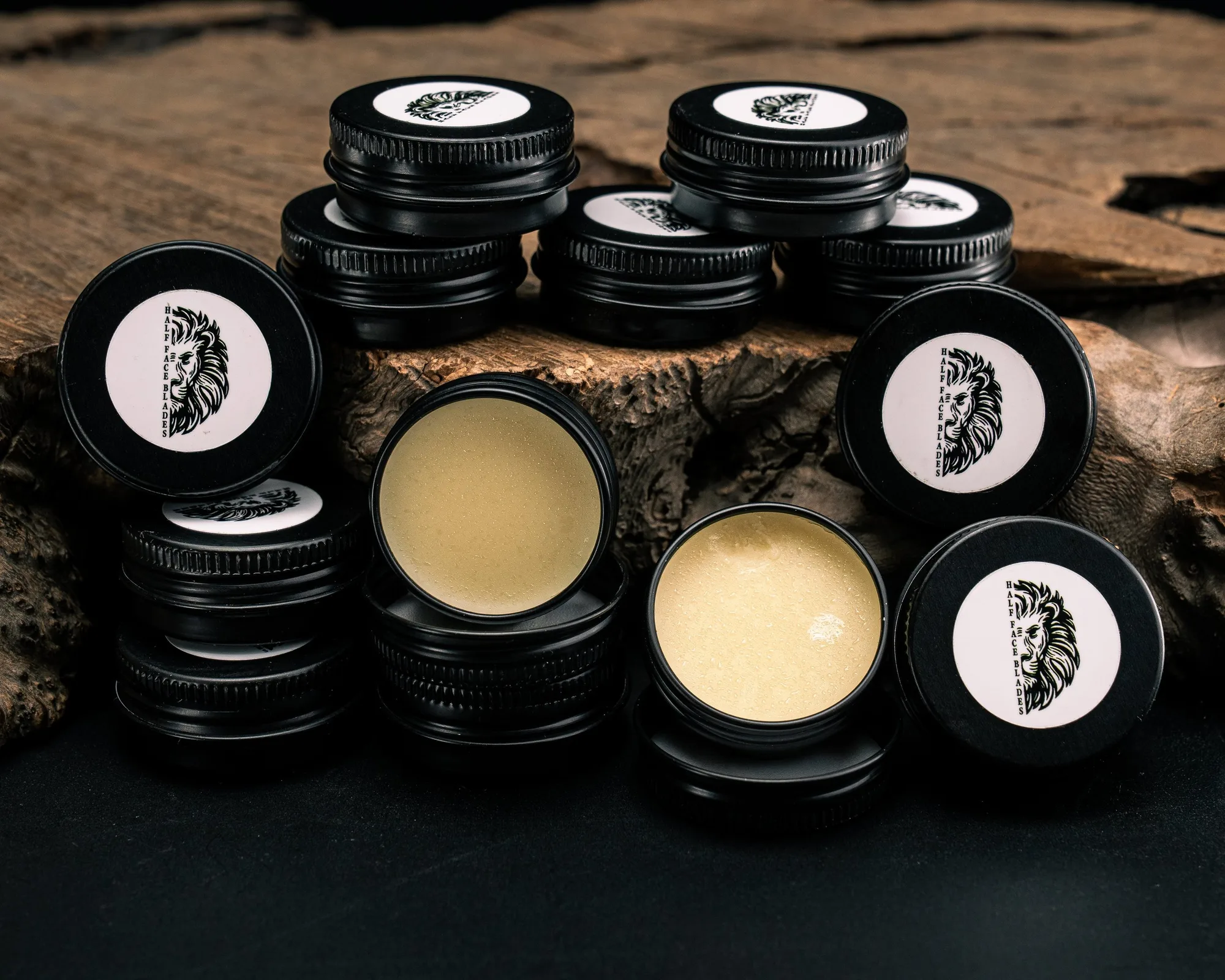
Prevention is always better than cure. Keep your blade dry after use, especially if it's been exposed to moisture, salt, or acidic substances. A thin coat of mineral oil, or a dedicated knife oil, creates a barrier against humidity.
Consider the blade's material and coating. Stainless steels resist rust better than carbon steels, but no steel is completely immune. Protective coatings like Cerakote, a ceramic-based finish, provide an extra layer of defense. For example, the Osoraku 4 features an Armor Black Cerakote finish that helps resist corrosion while maintaining a low-profile look.
- Store knives in a dry environment, ideally with a silica gel packet in your case or drawer.
- Avoid storing knives in leather sheaths for long periods, as leather can retain moisture and cause rust.
Rust Diagnosis and Action Guide
- Symptom: Light reddish-brown dust on the blade surface, no visible pitting. Surface rust; proceed with gentle removal.
- Likely Cause: Exposure to moisture or humidity without proper drying or oiling. Improve drying and oiling habits after use.
- Corrective Action: Use a pencil eraser or fine steel wool with oil to remove rust, then clean and re-oil. If rust persists or pitting is visible, stop and consider professional help.
- Stop or Choose Another Option: If pitting is deep, the blade is compromised, or you're unsure about the coating, do not DIY further. Consult a professional or consider a replacement blade with better corrosion resistance, like one with Cerakote.
Products That Help
- Osoraku 4"- Black Canvas Micarta, Armor Black Cerakote, Allen Bolts, Textured Grip: Specs: 8.2" overall, 4" blade, .14" thickness, S45VN American steel, Cerakote finish, Kydex sheath. The Armor Black Cerakote coating provides a durable, corrosion-resistant finish, reducing the need for frequent oiling and making rust prevention easier.
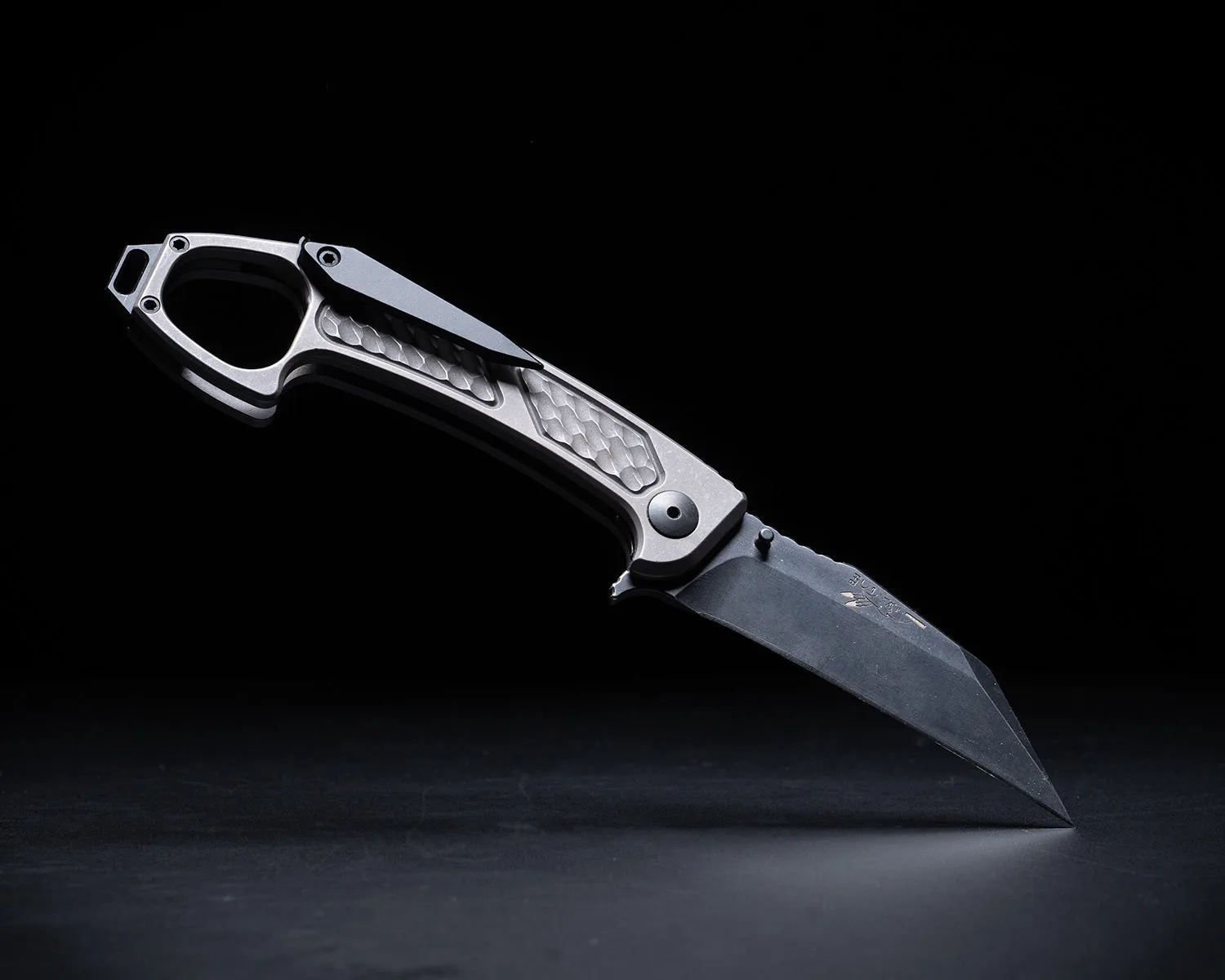
- SHPOS monolithic folder blade, black PVD blade Gen 3, Sub Human Piece Of Shit: Monolithic folding blade, Gen 3. Blade geometry optimized for fighting, not prying. 8" overall open, 4 7/8" closed, 3" blade, 5/8" thick with pocket clip. Body machined from solid billet 6AL-4V titanium. The black PVD coating on the blade adds a layer of corrosion resistance, and the titanium body is naturally rust-resistant, making this folder a low-maintenance choice for EDC.
Rust doesn't have to ruin your knife. By diagnosing the severity, using the right removal techniques, and adopting preventive habits, you can keep your blade in top shape. For long-term peace of mind, choose knives with protective coatings and maintain them regularly.