Quick Answer
Prevent knife rust by drying the blade completely after every use, applying a thin coat of oil, and storing the knife in a dry place. Sharpen only when the edge feels dull, and match your sharpening angle to the blade's intended use. For fixed blades, check the sheath for trapped moisture regularly.
Does higher-cost knife steel automatically mean better performance?
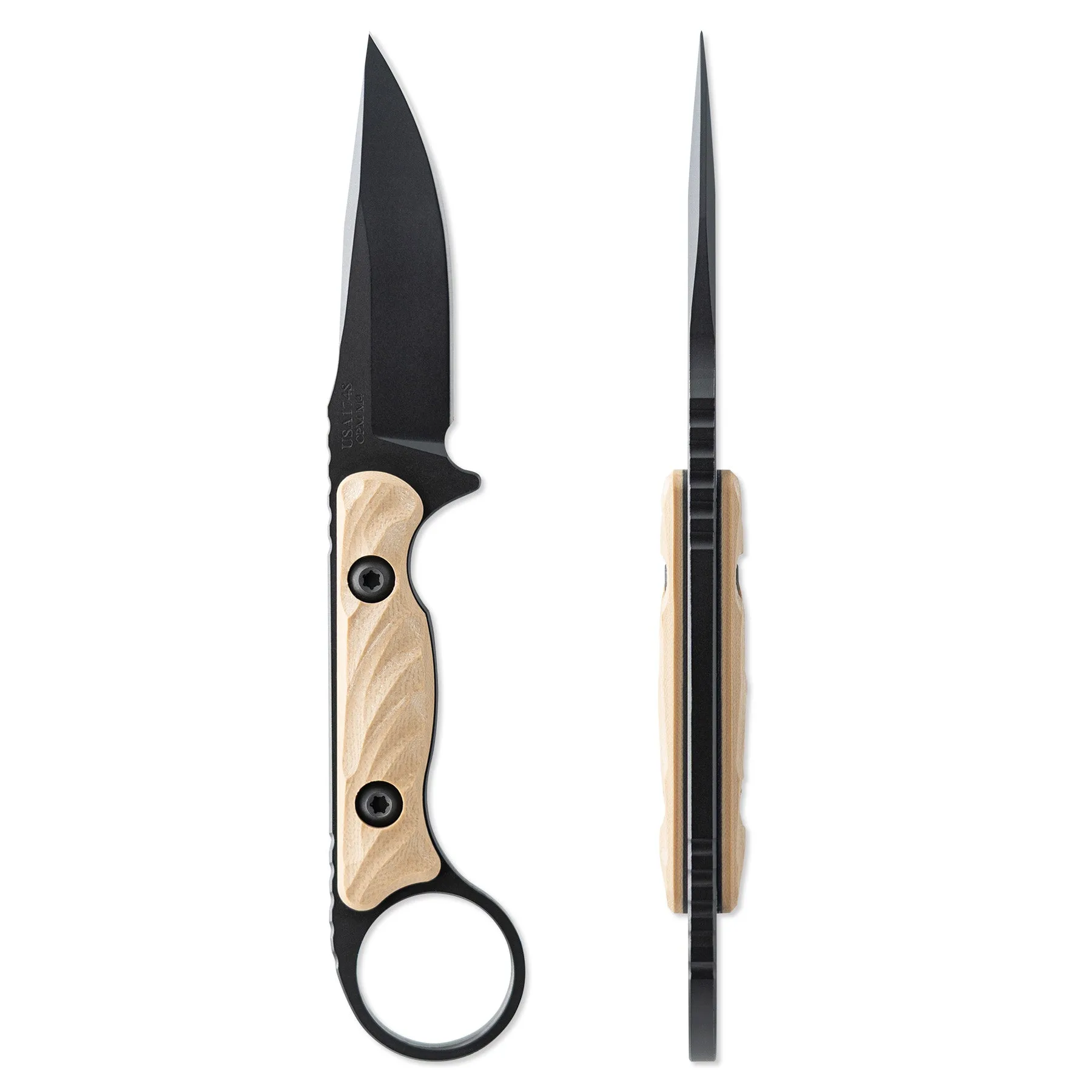
Not necessarily. Steel performance depends on the balance between edge retention, toughness, and corrosion resistance. A premium steel like CPM M4, used in the Jank Shank S, offers exceptional edge retention and strength, but it may require more attention to prevent rust than a simpler stainless steel. The right choice depends on how you use the knife, not just the price tag.
How do I prevent rust on a fixed blade?
Rust prevention starts with dryness. After any contact with moisture, wipe the blade with a dry cloth, then apply a light coat of oil or a corrosion-inhibiting product. Avoid storing the knife in a leather sheath for long periods, because leather can hold moisture against the steel. Kydex sheaths, like those commonly used with Toor fixed blades, drain and dry faster, but still check for trapped moisture after wet carry.
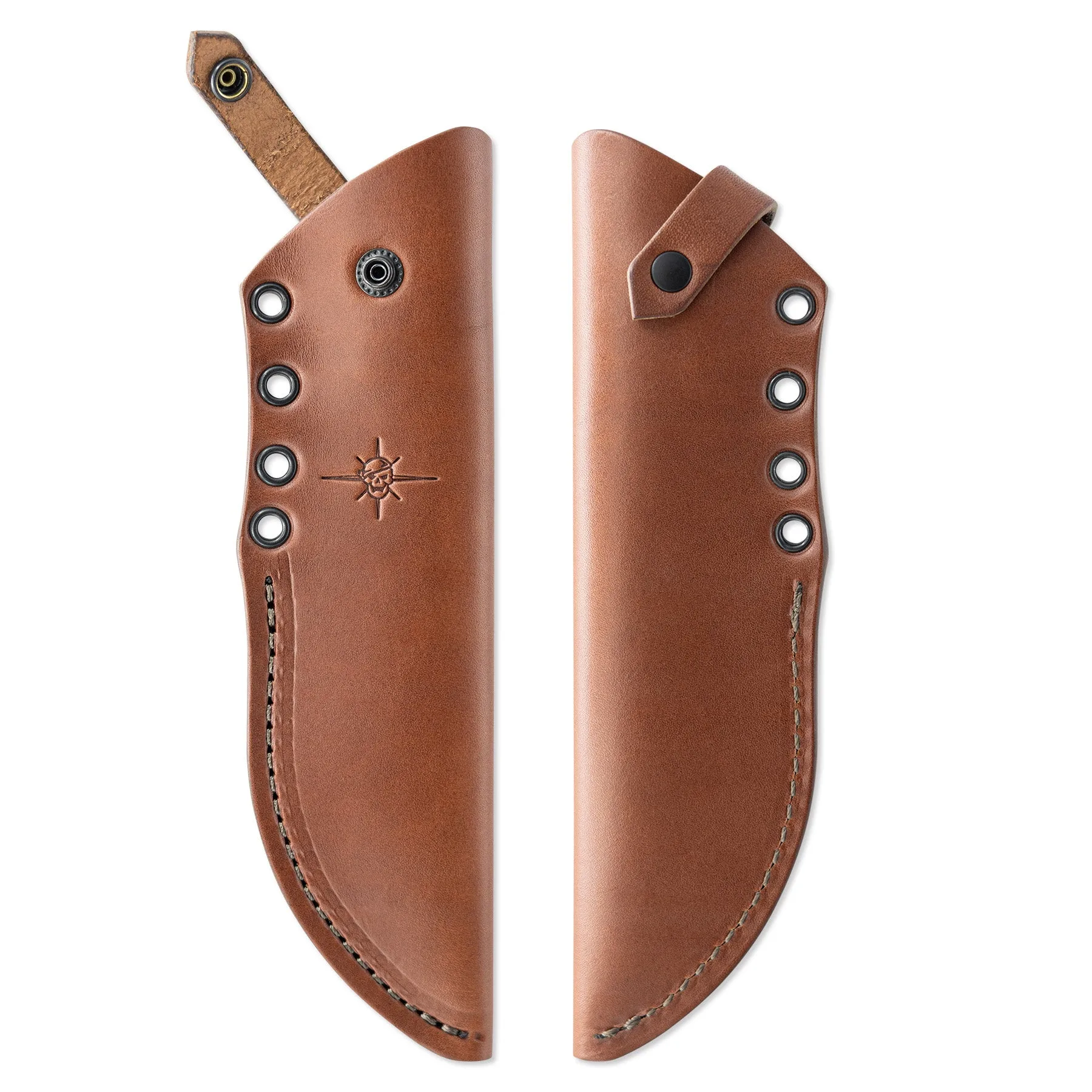
leather sheath
What is the best way to sharpen a fixed blade?
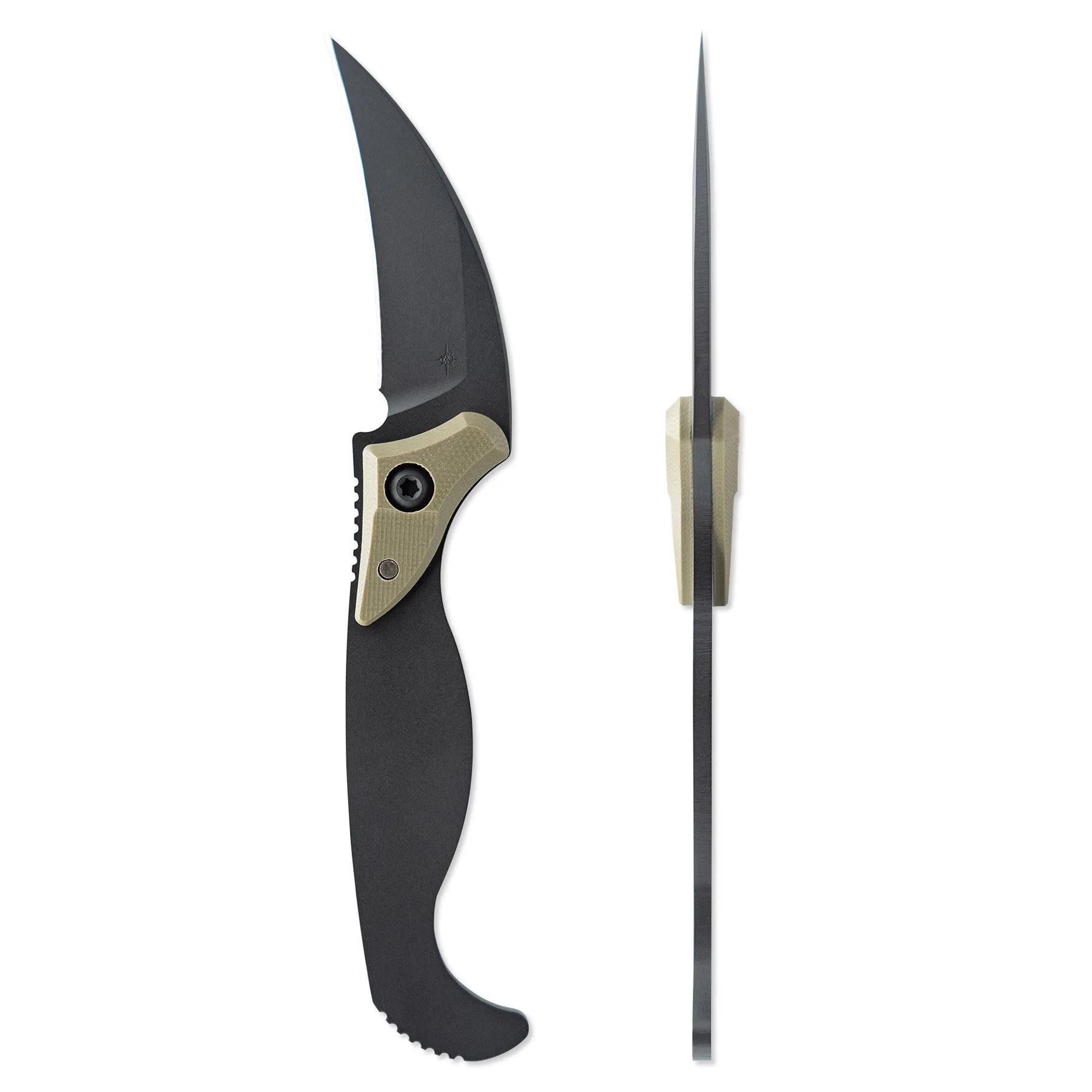
Match the sharpening angle to the blade's geometry. Most fixed blades work well with a 15–20 degree angle per side, but a reverse-edge hawkbill like the Pincer may require a different approach because of its curved edge. Use a sharpening system that lets you maintain a consistent angle, and finish with a strop to remove the burr. Sharpen only when the knife no longer slices cleanly.
How should I store knives for long-term protection?
Store knives clean and dry, with a thin film of oil on the blade. Keep them out of damp basements or humid areas. If storing in a sheath, choose a synthetic material like Kydex rather than leather, and leave the sheath slightly open to allow air circulation. For folding knives, leave the blade slightly open to avoid putting pressure on the lockbar or spring.
Do folding knives need different care than fixed blades?
Yes. Folding knives have pivots, washers, and locking mechanisms that accumulate lint, grit, and dried lubricant. Clean the pivot area with a cotton swab and a small amount of isopropyl alcohol, then apply a drop of light oil. Avoid over-oiling, which attracts dust. Fixed blades have fewer moving parts, so maintenance focuses mainly on the blade and handle.
Quick Reference: Blade Care at a Glance
Rust prevention
Dry the blade after every use, apply a thin oil coat, and store in a dry place. Check sheaths for moisture. A dry blade is a rust-free blade.
Sharpening frequency
Sharpen only when the edge fails to slice paper or feels dull. Over-sharpening removes steel unnecessarily. Less is more when it comes to sharpening.
Storage
Store knives clean and dry, out of leather sheaths for long periods. Use Kydex or a dry display case. Proper storage prevents rust and edge damage.
Product Facts
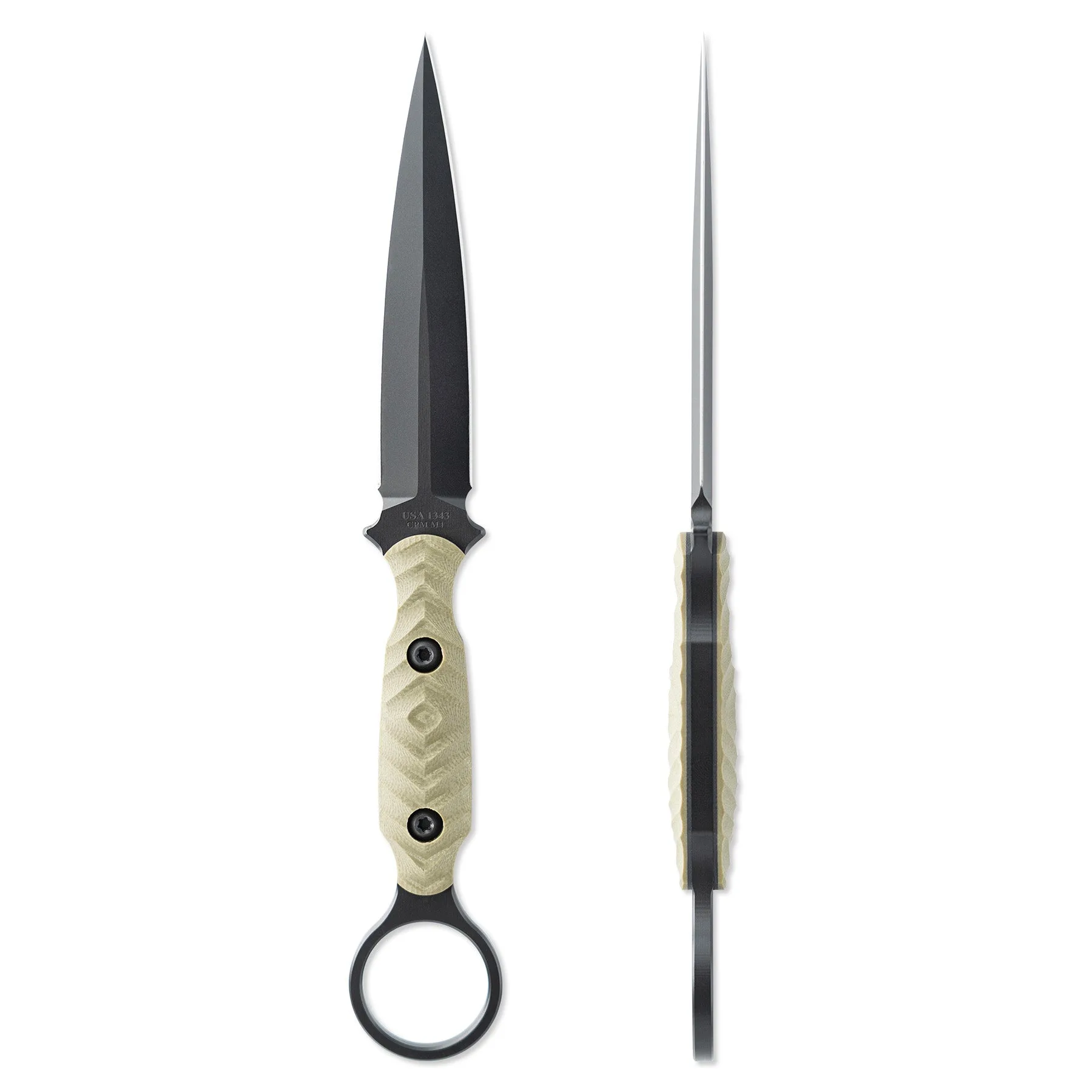
- Specter R - Ranger Green: The Specter R - Ranger Green is a double-edged dagger with an overall length of 9.25 inches and a weight of 6.5 ounces. Its slim profile and ring make it easy to conceal, but the double edge requires careful maintenance to keep both edges sharp and rust-free.
- Pincer - Ranger Green: The Pincer - Ranger Green is an ultra-compact reverse edge hawkbill designed for discreet everyday carry. The hawkbill shape excels at close-range cutting but needs a sharpening technique that follows the curve, not a standard straight-edge approach.
- Jank Shank S - FDE: The Jank Shank S - FDE is crafted from CPM M4 steel for exceptional edge retention, strength, and durability. CPM M4 holds an edge well but is not stainless, so it benefits from regular drying and oiling to prevent rust.