Quick Answer
Choose Kodak Portra 160 when you need smooth, natural color and fine grain for portraits, fashion, or bright-light work. Choose Ilford Delta 400 when you want black-and-white flexibility, sharp detail, and a faster ISO for handheld or lower-light shooting. They solve different problems, so the right pick depends on whether color or monochrome fits your final output.
Color Workflow vs Black-and-White Workflow
Portra 160 is a color negative film, so you send it to a lab that processes C-41 and either scan or print in color. Delta 400 is a black-and-white negative film that uses traditional B&W chemistry, which many home developers prefer because they can process it themselves and adjust contrast through development time. If you already have a darkroom routine or want to hand-process your 120 rolls, Delta 400 fits that workflow without extra color chemistry. If you rely on a lab for everything, both are straightforward, but only Portra 160 gives you color without a separate digital colorization step.
Speed and Exposure Latitude in Real Shooting
Delta 400 is rated ISO 400, which is two stops faster than Portra 160 at ISO 160. That speed difference matters most when you are handholding a medium-format camera or shooting in open shade, indoors, or late in the day. Portra 160 performs best in bright, well-lit scenes where you can use a fast enough shutter speed or a tripod. If you often find yourself at f/2.8 and 1/60 with Portra 160, Delta 400 gives you more headroom without pushing the film.
Grain, Sharpness, and Scanning
Portra 160 is known for finer grain and exceptional skin tones, which helps when you scan and enlarge 120 negatives. Delta 400 uses core-shell crystal technology for high sharpness and detail at ISO 400. In practice, Portra 160 will show less grain in smooth areas like skin and skies, while Delta 400 trades some of that smoothness for speed and crisp detail. When scanning, color negative film often needs more color correction, while black-and-white scans give you direct control over tone and contrast.
When a Disposable Camera Makes More Sense
If your goal is simply to capture casual memories with minimal gear, a single-use camera like the Kodak Power Flash 35mm may be a better fit than either 120 film. It comes loaded with ISO 800 film, 27 exposures, and a simple manual flash for indoor and outdoor snapshots. This is not a replacement for a 120 comparison, but it is a practical reminder that film format and camera choice should match the occasion.
Trade-Offs at a Glance
- Color vs Monochrome: Portra 160 gives you color negative film with fine grain and natural skin tones. Delta 400 gives you black-and-white with high sharpness at ISO 400. Pick based on whether you want color or black-and-white as your final image.
- Speed vs Grain: Delta 400 is two stops faster, which helps in low light and handheld shooting. Portra 160 is slower but offers finer grain for enlargement. If you often shoot in shade or indoors, Delta 400 is more forgiving.
- Processing Path: Delta 400 uses standard black-and-white chemistry, which many home developers prefer. Portra 160 requires C-41 color processing. Choose Delta 400 if you develop at home; choose Portra 160 if you use a lab for color.
Product Facts
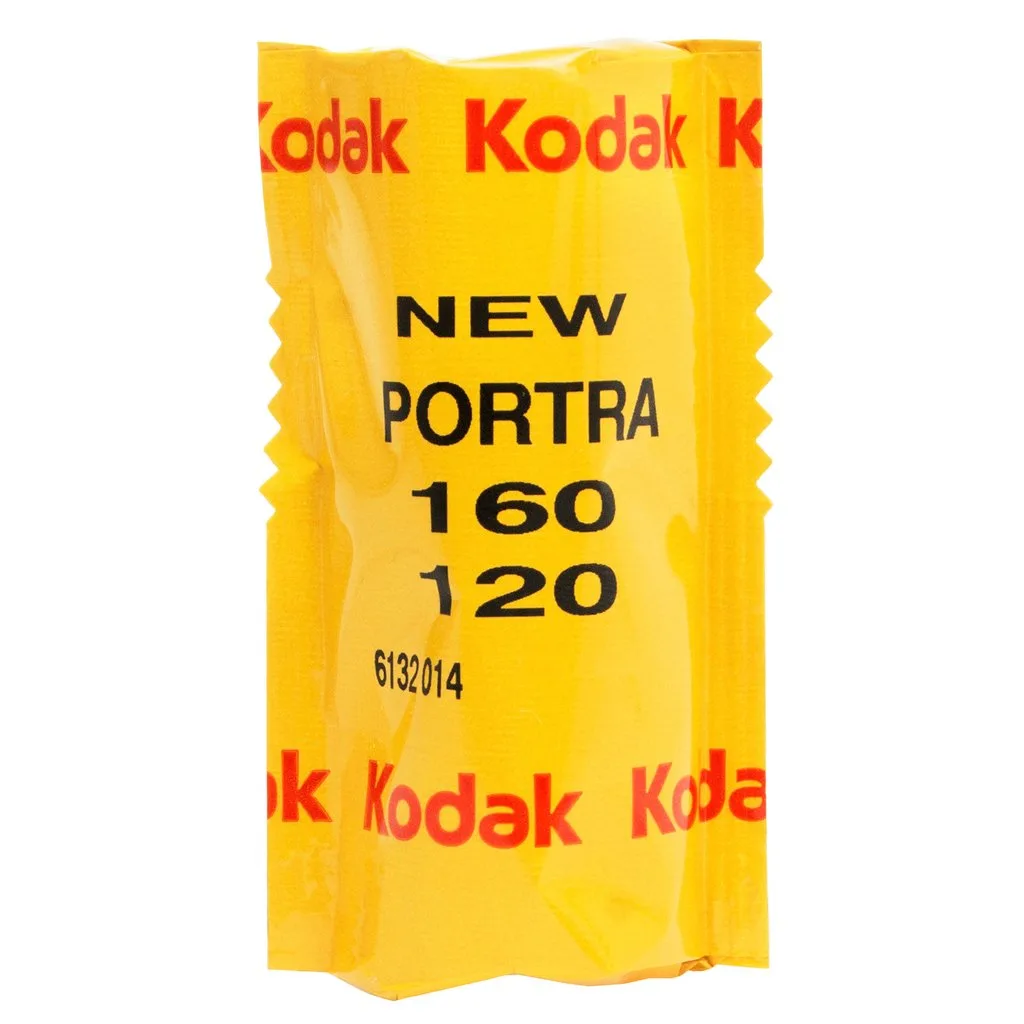
- Kodak Professional Portra 160 Color Negative Film - 120 Roll Film: Kodak Professional Portra 160 Color Negative Film - 120 Roll Film features finer grain and exceptional skin tones. This makes it a strong choice for portraits and fashion where smooth color and natural skin reproduction matter.
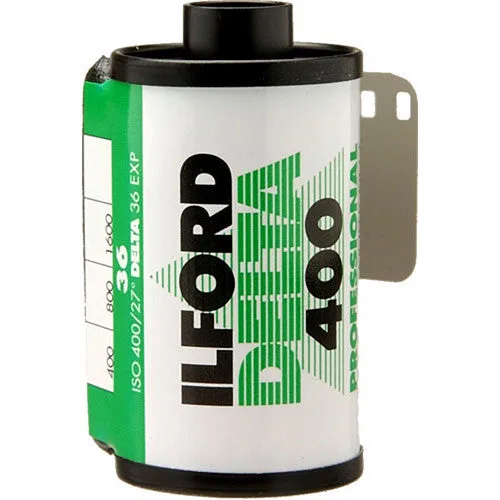
- Ilford Delta 400 Professional Black and White Negative Film - 35mm Roll Film - 36 Exposures: Ilford Delta 400 Professional Black and White Negative Film is a 35mm, ISO 400 film with high speed and maximum sharpness. The ISO 400 speed and sharpness help in handheld or lower-light situations, and the 35mm format is widely supported.
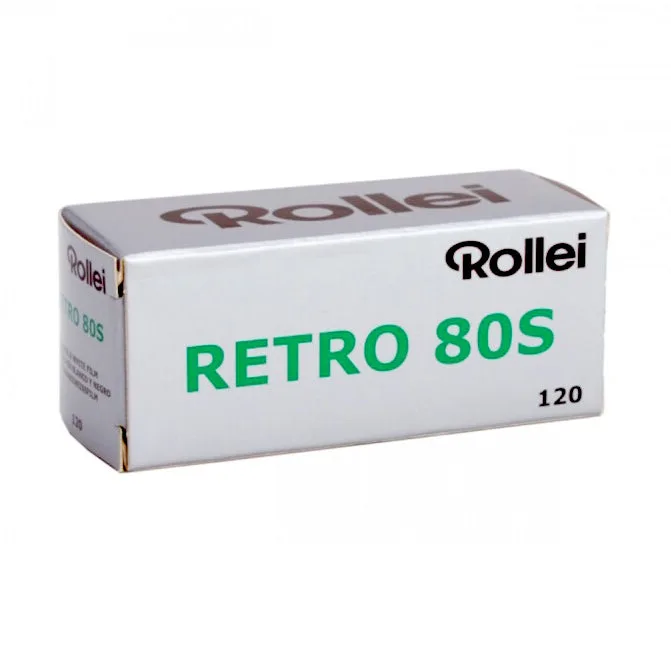
- Rollei Retro 80s Medium Speed Black & White Negative Film - 120 Roll: Rollei Retro 80s Medium Speed Black & White Negative Film - 120 Roll has a nominal sensitivity of ISO 80/20° and is characterized by extremely high sharpness and high-resolution power. If you want black-and-white 120 film with very fine grain and high resolution in bright light, this is a slower alternative to Delta 400.
Which Film Should You Choose?
Best for
- Portrait and fashion photographers who want smooth color and natural skin tones in bright light.
- Shooters who want finer grain for scanning and enlarging 120 negatives.
- Photographers who prefer lab-processed color negative film.
Not for
- Handheld shooting in low light where ISO 400 or faster is needed.
- Photographers who develop black-and-white film at home and want full control over contrast.
- Anyone who needs color but wants to avoid C-41 processing.