Quick answer
Choose Kodak Pro Image 100 for bright, controlled conditions and accurate skin tones in 35mm format. Choose Kodak EKTACOLOR PRO 400 for flexible lighting, natural portraiture, and the larger 120 format. Your decision hinges on ISO speed and film size.
Format and speed at a glance
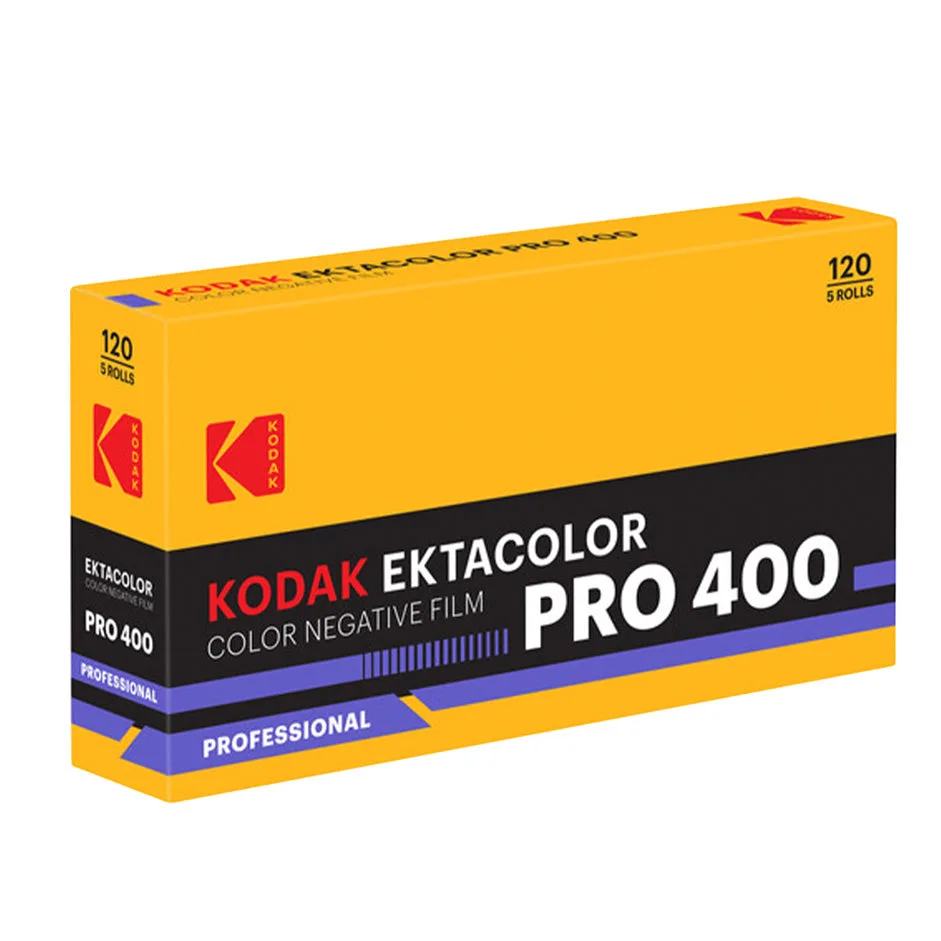
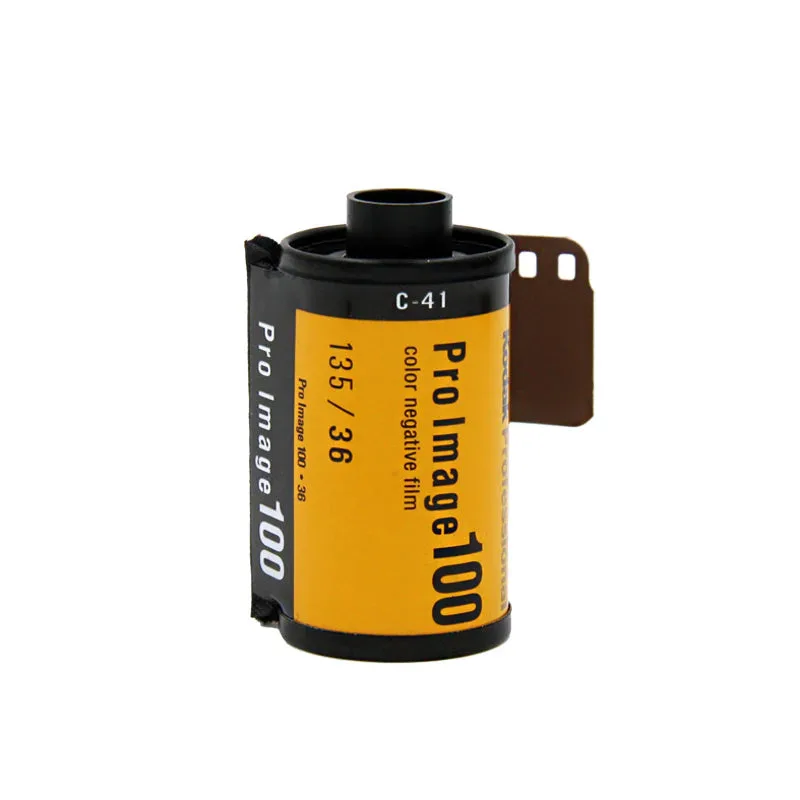
Kodak Pro Image 100 is a 35mm roll film with ISO 100, while Kodak EKTACOLOR PRO 400 is a 120 roll film with ISO 400. The ISO difference means Pro Image 100 needs more light or a tripod, whereas EKTACOLOR PRO 400 handles dimmer scenes and faster action without flash. The format difference also matters: 35mm is widely available and easy to scan, while 120 gives you a larger negative area for finer detail in prints.
Color and grain behavior
Both films are daylight-balanced color negative films that process in standard C-41 chemistry. Pro Image 100 delivers high color saturation with realistic balance and accurate skin tones, making it a solid choice for portraiture and social snapshots. EKTACOLOR PRO 400 offers accurate color reproduction and ultrafine grain, which helps maintain detail even when you push the exposure latitude. The grain difference is subtle at normal print sizes but becomes more visible in large enlargements.
Trade-offs to consider
- ISO 100 vs ISO 400: Pro Image 100 requires more light or a tripod for sharp shots; EKTACOLOR PRO 400 gives you two extra stops for handheld indoor or evening photography. Choose Pro Image 100 for bright, controlled scenes; choose EKTACOLOR PRO 400 for versatility.
- 35mm vs 120 format: 35mm (Pro Image 100) is compact, easy to load, and widely available. 120 (EKTACOLOR PRO 400) yields a larger negative area for higher resolution and smoother tonality in enlargements. Pick 35mm for convenience and everyday shooting; pick 120 when you plan to print large or want maximum detail.
- Color saturation and skin tones: Pro Image 100 emphasizes high saturation with realistic skin tones. EKTACOLOR PRO 400 prioritizes accurate color and natural skin tones with ultrafine grain. Both excel at portraiture, but Pro Image 100 leans slightly more saturated while EKTACOLOR PRO 400 stays neutral.
Film facts
- Kodak Pro Image 100 Color Negative Film - 35mm Roll Film, Single Roll, 36 Exposures (ISO 100): Kodak Pro Image 100 is a medium-speed color negative film offering high color saturation along with realistic color balance and accurate skin tone rendering, making it well suited for portraiture and social applications. If you shoot portraits or group events in good light, this film gives you vivid yet natural-looking colors straight from the lab.
- Kodak EKTACOLOR PRO 400 Color Negative Film - 120 Roll Film, Single Roll (ISO 400): Kodak Eastman Ektacolor Pro 400 is a daylight-balanced color negative film that offers outstanding flexibility, delivering high-quality images in a variety of lighting conditions—from sun-soaked daytime exteriors to dimly lit interiors. Its accurate color reproduction ensures natural skin tones for complementary portraiture, while its ultrafine grain and stunning detail allow the capture of superb images. When you move between bright and low light without changing rolls, EKTACOLOR PRO 400 keeps skin tones natural and grain fine, saving you from switching film mid-shoot.
Which film should you choose?
Best for
- Bright-light portrait and social photographers who prefer 35mm and want vivid yet accurate colors.
- Shooters who need a versatile 120 film that handles mixed lighting without sacrificing skin tones or grain.
Not for
- Low-light or fast-action shooting without flash (choose a higher-ISO film like Portra 800).
- Budget-conscious 35mm users who want the lowest per-roll cost (Pro Image 100 is affordable, but other ISO 200 options may be cheaper).