Quick answer
If you want to shoot long exposures on black-and-white film, start with Kodak Tri-X 400 and a properly sized IRND filter. Tri-X 400 gives you the classic grain and tonal range, while an IRND filter controls the light reaching the film. Choose the filter first if you already own Tri-X 400; choose the film first if you already own a filter that fits your lens.
What each product actually does for long exposures
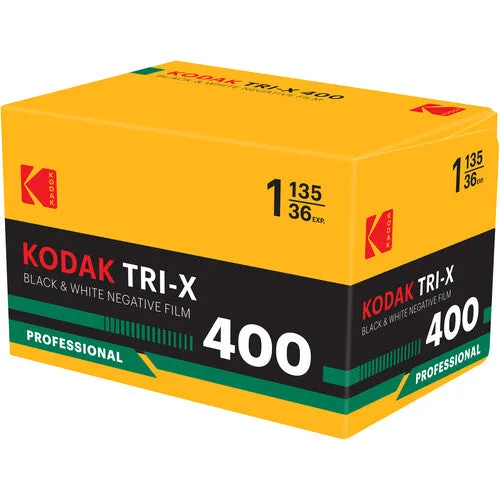
Kodak Tri-X 400 is a black-and-white negative film supplied as 35mm roll film with 36 exposures. It is part of Kodak's Professional line and is offered here under the Kodak brand. For long exposures, its ISO 400 speed means you will need strong light reduction to reach multi-second shutter speeds in daylight.
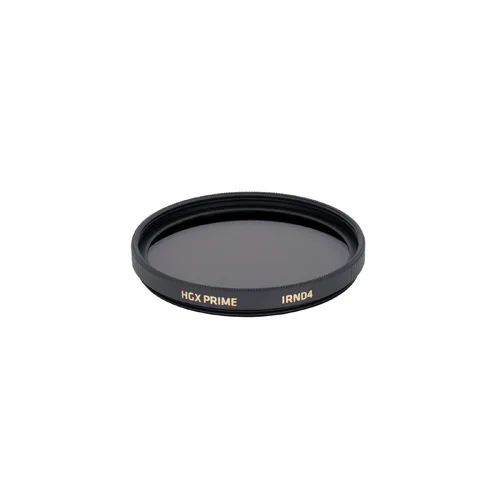
The Promaster 46mm IRND4X (.6) HGX Prime is a neutral density filter that also suppresses infrared light. It is individually ground, polished, and coated, and it repels dirt. The 4X density reduces light by two stops, which helps extend exposure times without completely blocking your view. For film photography, an IRND filter is useful because some black-and-white films can be sensitive to infrared, and an IRND helps keep tones cleaner.
Film vs filter: which should you choose first?
These two products are not competitors in the usual sense. One is the recording medium, the other is a light-control tool. The real comparison is about where to invest first. If you already have a lens with a 46mm filter thread and want to try long exposures, the Promaster IRND4X is the lower-cost entry point at USD 27.57. It fits lenses with 46mm threads and gives you two stops of reduction.
If you already own a suitable ND or IRND filter but need film, Kodak Tri-X 400 is the practical choice. It is a proven black-and-white film with a wide exposure latitude, which helps when you are calculating long exposures manually. Because it is 35mm film with 36 exposures, you can practice bracketing without changing rolls constantly.
How to combine Tri-X 400 and an IRND filter
To shoot long exposures with Tri-X 400 and an IRND filter, meter the scene without the filter, then add the filter's exposure factor. The Promaster IRND4X reduces light by two stops, so a metered 1/60 second becomes 1/15 second. For longer exposures, stack the filter with a smaller aperture or wait for lower light. Because Tri-X 400 is ISO 400, you may need a stronger ND than 4X for very long daytime exposures.
If you are using a camera with through-the-lens metering, meter before attaching the filter to avoid inaccurate readings. For critical work, bracket your exposures by one stop to account for reciprocity failure, which varies by film and exposure time. The Promaster filter's coating helps reduce reflections, but you should still use a lens hood or shade to prevent stray light.
Size and compatibility check before you buy
The Promaster IRND4X is a 46mm filter, so it only fits lenses with 46mm front threads. If your lens has a different thread size, you will need a stepping ring or a different filter size. Kodak Tri-X 400 is 35mm film, so it fits any 35mm camera, but you must confirm your camera supports manual exposure and has a way to hold the shutter open for long exposures.
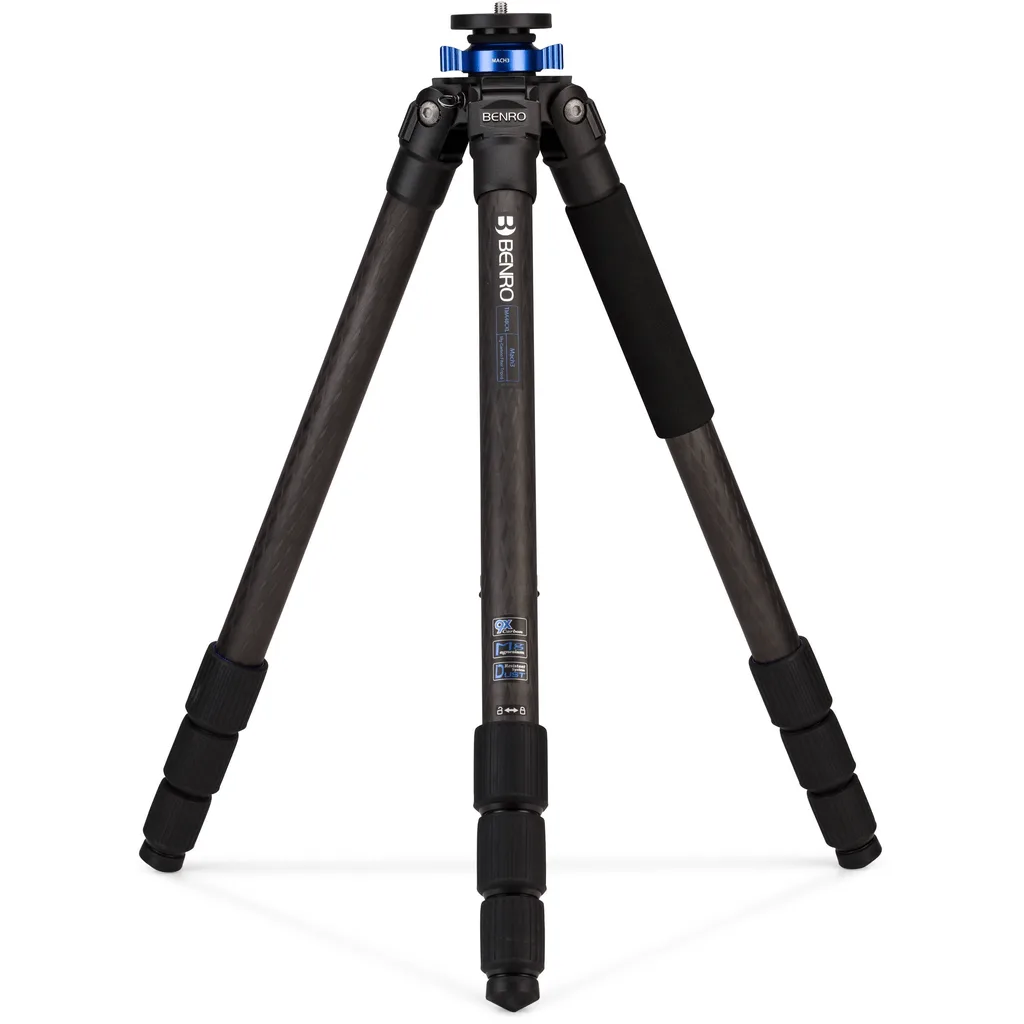
For very long exposures, a sturdy tripod is essential. The Benro TMA48CXL Extra Long Series 4 Mach3 Carbon Fiber Tripod is built from carbon fiber for a lightweight yet strong build, and its extra-long leg sections provide elevated shooting positions. It is a serious option if you often shoot at eye level or higher and need stability for multi-second exposures.
Trade-offs: film vs filter
- Cost and commitment: Kodak Tri-X 400 is a consumable film; each roll gives 36 exposures. The Promaster IRND4X is a one-time purchase that works across many rolls and scenes. If you are testing long exposures, buy the filter first; it will outlast many rolls of film.
- Light reduction strength: The Promaster IRND4X reduces light by two stops. Tri-X 400 is ISO 400, so in bright sun you may need a stronger ND to reach very long shutter speeds. For sunny daylight long exposures, consider a higher-density IRND or stack with a polarizer.
- Compatibility and workflow: The Promaster filter is 46mm; it only fits lenses with 46mm threads. Tri-X 400 fits any 35mm camera, but you need manual exposure control and a way to hold the shutter open. Check your lens thread size and camera features before buying either product.
Product facts
- Eastman Kodak Professional Tri-X 400 Black and White Negative Film (35mm Roll Film, 36 Exposures): Eastman Kodak Professional Tri-X 400 is a black and white negative film supplied as 35mm roll film with 36 exposures. It is part of Kodak's Professional line and is offered here under the Kodak brand. ISO 400 film gives you flexibility in moderate light, but for long exposures in daylight you will need an ND filter to reduce light. 36 exposures let you practice bracketing without reloading often.
- Promaster 46mm IRND4X (.6) HGX Prime: Crafted for fine lenses, HGX Prime IRND filters are individually ground, polished, and coated. They repel dirt and suppress infrared light to achieve the best possible image. The 46mm size fits lenses with that thread. The 4X density reduces light by two stops, which is a good starting point for slower shutter speeds, and IR suppression helps avoid unwanted infrared effects on black-and-white film.
- Benro TMA48CXL Extra Long Series 4 Mach3 Carbon Fiber Tripod: The Benro TMA48CXL Extra Long Series 4 Mach3 Carbon Fiber Tripod delivers professional stability and reach for demanding photography and video work. Constructed from high-quality carbon fiber for a lightweight yet strong build. Extra-long leg sections provide elevated shooting positions when needed. Series 4 engineering offers robust construction and reliable performance. Long exposures require a stable platform. This tripod's carbon fiber construction and extra-long legs help you shoot at higher angles without compromising stability.
Which should you choose?
Best for
- Photographers who already own a 46mm-thread lens and want to try black-and-white long exposures on film.
- Shooters who want a compact, coated IRND filter that suppresses infrared and repels dirt.
- Film users who need a reliable ISO 400 black-and-white film with wide exposure latitude for bracketing.
Not for
- Lenses with filter threads other than 46mm, unless you use a stepping ring.
- Photographers who need more than two stops of light reduction for very long daytime exposures.
- Digital-only shooters who do not process black-and-white film.