Quick answer
Kodak Tri-X Super 8 film is a black-and-white reversal stock that gives you direct positive images with classic contrast and fine grain. Choose it if you want a bold, archival look and can handle reversal processing costs. Skip it if you need color or low-cost negative workflows.
What 7266 reversal film actually does
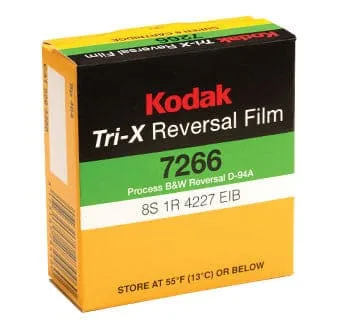
Kodak Tri-X 7266 is a black-and-white reversal film, meaning the lab processes it to a positive image you can project or scan directly. You do not need a separate print stock. That saves a step and keeps the look consistent from camera to screen.
The emulsion is known for fine grain and rich tonal gradation. In practice, that means deep blacks and bright highlights without muddy midtones. It handles contrast well, so scenes with strong lighting or high-contrast subjects look punchy rather than flat.
How to shoot Tri-X Super 8
Tri-X is a 50-foot roll, which gives you about 2.5 minutes of footage at 24 fps or 3.3 minutes at 18 fps. Load it in a standard Super 8 cartridge. Because it is a reversal stock, exposure is less forgiving than negative film: blown highlights stay blown. Meter carefully, especially in bright sun.
The film is rated for lower light than you might expect from a black-and-white stock. If your camera has a built-in meter, test a roll before a critical shoot. For indoor work, use fast lenses and consider a camera that supports manual exposure.
Processing and scanning realities
Not every lab handles Super 8 reversal. You need a lab that runs black-and-white reversal chemistry. Turnaround times and prices vary, so ask before you buy. Some labs offer scan-and-return packages; others charge separately.
Scanning reversal film is straightforward because the positive image is already there. You can project it or scan it. If you plan to edit digitally, request a scan at a resolution that matches your final output. 2K is common; 4K costs more but gives you room to reframe.
Decision rules for buying Tri-X Super 8
- If you want a classic black-and-white look with direct projection: Choose Tri-X 7266. The reversal process gives you a positive image without a print stock, and the contrast and fine grain are ideal for archival and creative projects. Confirm your lab runs black-and-white reversal before you buy.
- If you need color or the lowest cost per minute: Skip Tri-X and look at color negative Super 8 stocks. They are more widely processed and often cheaper overall when you factor in scanning and prints. Reversal is a niche workflow; color negative is the default for most shooters.
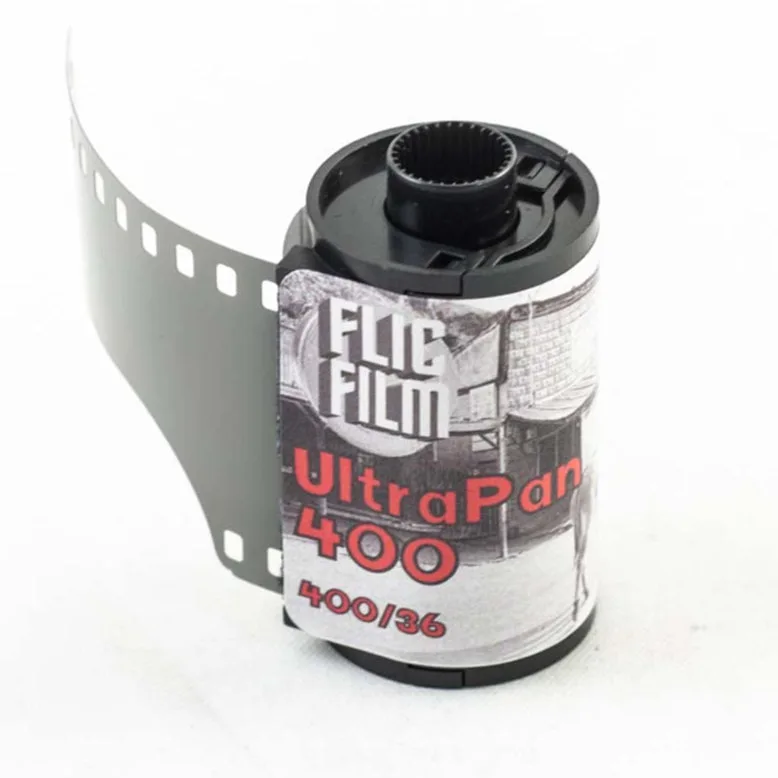
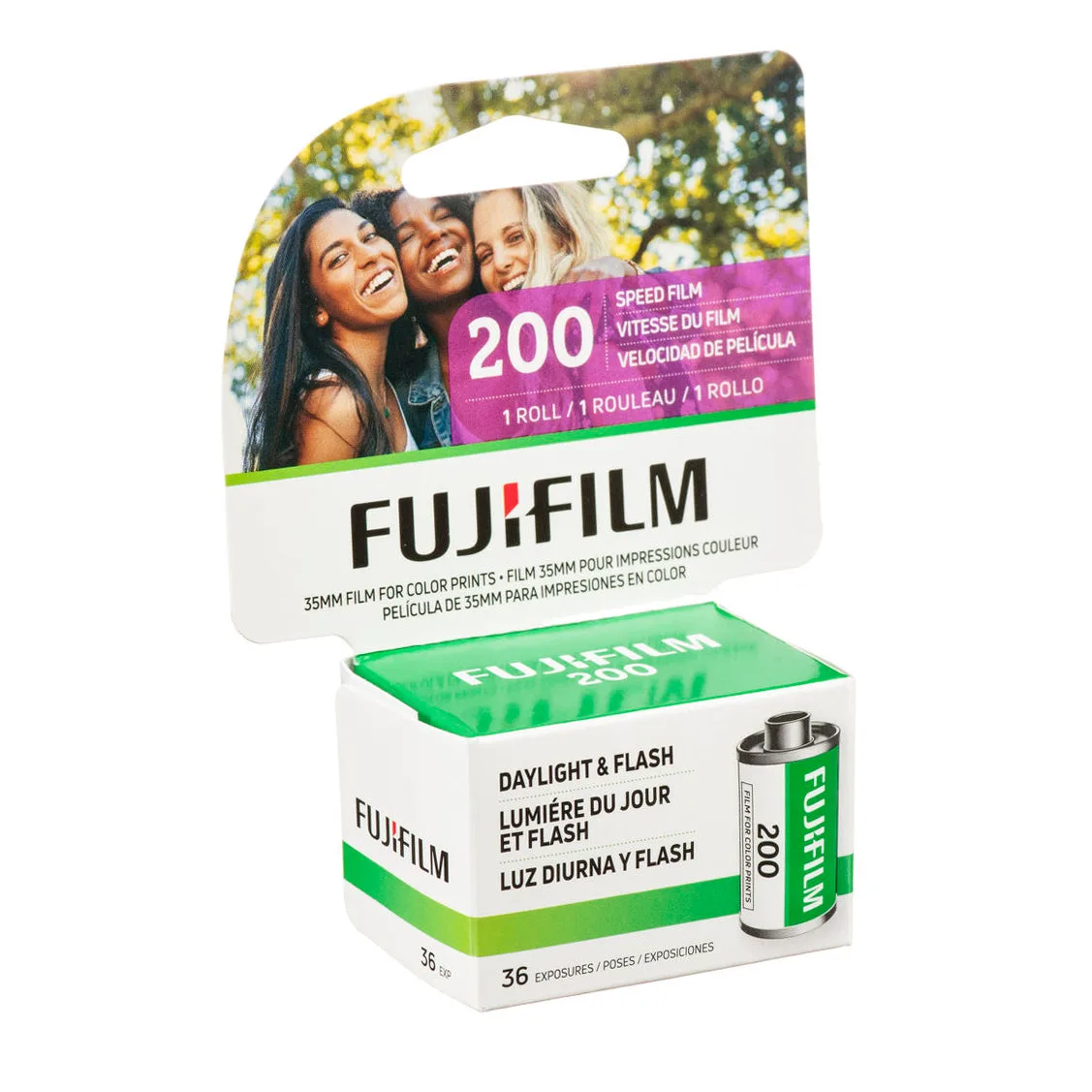
- If you are shooting stills and want black-and-white: Consider Flic Film UltraPan 400 35mm instead. It is a 400 ISO negative film with good latitude for lower light, and it costs far less per frame than movie film. Match the format to your final output: stills versus motion.
Key product facts
- Kodak Tri-X Black-and-White Reversal Super 8 Movie Film - 7266 - 50' Roll: Kodak Tri-X Black-and-White Reversal Super 8 Movie Film delivers the classic aesthetic and exceptional contrast that made this emulsion legendary among filmmakers. This 50-foot roll of 7266 stock offers fine grain structure and rich tonal gradation ideal for both archival projects and creative cinematography. The reversal process produces direct positives without requiring separate print stock, making it economical. You get a projection-ready positive straight from the lab, which saves a printing step and keeps costs lower than negative-plus-print workflows.
- Flic Film UltraPan 400 ISO Black & White 35mm - 36 Exposures: This is Re-spooled FOMAPAN Black and white negative film. FOMAPAN is a trademark of FOMA BOHEMIA spol. s.r.o. UltraPan 400 is an ASA 400 panchromatic black and white negative film with good resolution and exposure latitude, made for lower light conditions. If you want black-and-white stills with more exposure latitude and lower cost per frame, this 35mm negative film is a practical alternative to reversal movie film.
Who should buy this film
Best for
- Filmmakers who want a bold, high-contrast black-and-white look with fine grain.
- Projects that need direct positive images for projection or archival scanning.
- Shooters who already have a lab that handles black-and-white reversal processing.
Not for
- Anyone who needs color footage.
- Shooters on a tight budget who want the lowest cost per minute.
- Users without access to a lab that processes reversal film.