Quick answer
Choose Kodak Ultra Max 400 if you want a low-cost, forgiving ISO 400 color negative film for everyday snapshots and are willing to accept more visible grain. Choose Kodak Portra 400 if you need finer grain, softer skin tones, and more room to push or pull exposure, and the higher price per roll fits your budget. Neither is universally better; the right pick depends on whether you value savings or a cleaner, more controlled negative.
What Ultra Max 400 actually gives you
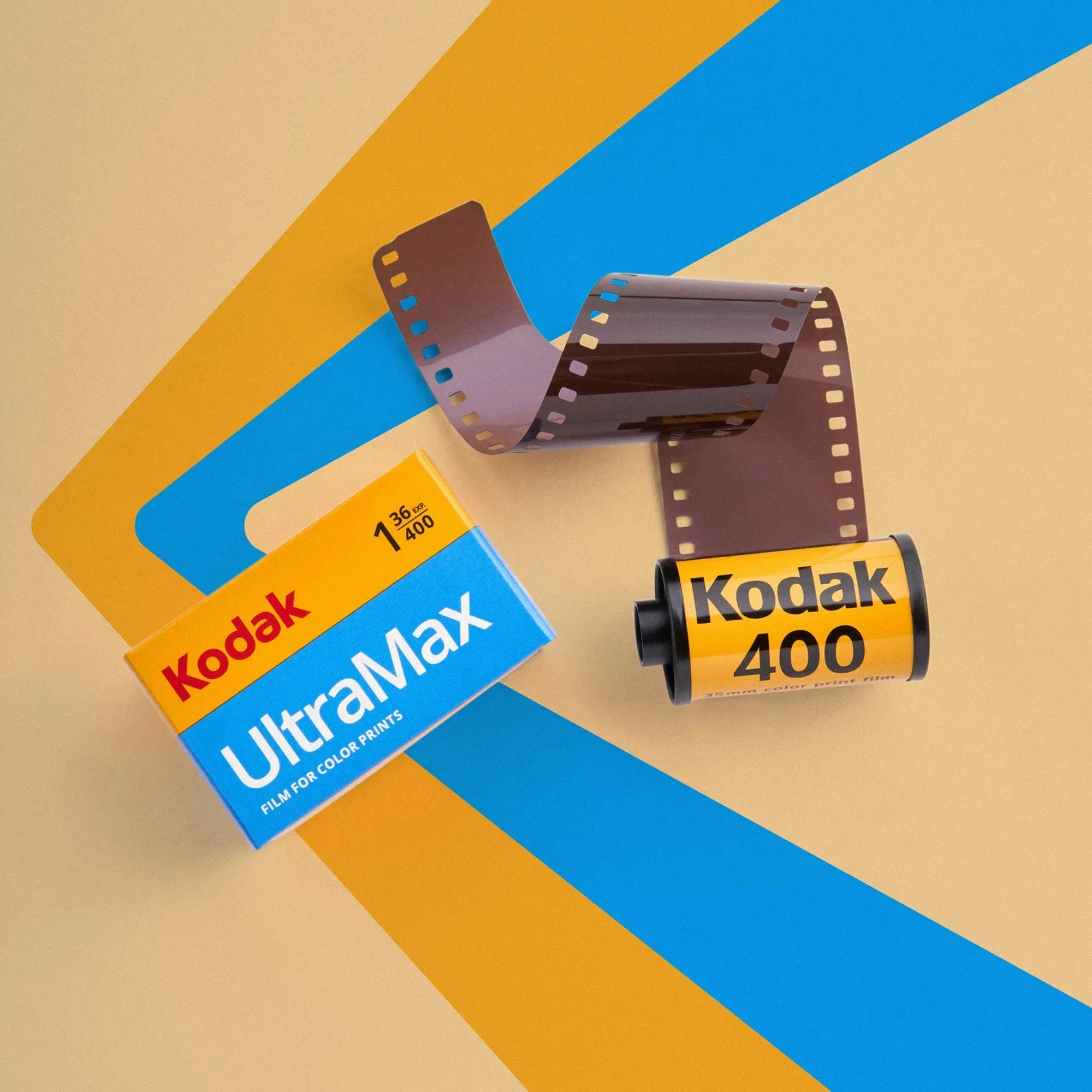
Kodak Ultra Max 400 is an ISO 400 color negative film sold in 36-exposure 35mm rolls, with 1, 3, and 5 packs available. Its broad exposure latitude means you can be a bit off with your settings and still get a usable image, which is why it works well in point-and-shoot cameras that offer limited manual control. The catalog describes nice grain, good sharpness and edge detail, and vivid color saturation. That combination suits daylight street scenes, travel snapshots, and family gatherings where you want punchy color without metering every frame.
What Portra 400 is known for
Kodak Portra 400 is a professional-grade color negative film with finer grain and a reputation for natural skin tones and wide exposure latitude. It is designed to handle overexposure and underexposure gracefully, which makes it a common choice for portrait, wedding, and editorial work where consistent color matters. The trade-off is cost: Portra typically costs more per roll than Ultra Max 400, so you may shoot fewer frames or reserve it for sessions where the final look justifies the spend. If you are still learning exposure, Portra's latitude can hide mistakes, but the higher price per frame makes each error more expensive.
How to choose between them
Start with how you shoot. If most of your frames come from a point-and-shoot, a beginner SLR, or quick outings where you want vivid color and low cost, Ultra Max 400 is the practical pick. If you are shooting portraits, planning to scan and edit, or want the smoothest grain for enlargements, Portra 400 earns its price. A useful middle path is to keep Ultra Max 400 loaded for daily carry and Portra 400 for planned sessions. Whichever you choose, buy from the same batch when possible so your color stays consistent across rolls.
Trade-offs at a glance
- Price per frame: Ultra Max 400 costs less per roll than Portra 400, and multi-packs lower the cost further. Portra 400 costs more, so every frame carries a higher price. Choose Ultra Max 400 for volume shooting; choose Portra 400 when each frame needs to count.
- Grain and sharpness: Ultra Max 400 is described as having nice grain with good sharpness and edge detail. Portra 400 is known for finer grain, which shows most in enlargements and scans. If you print large or crop heavily, Portra 400's finer grain is the visible advantage.
- Color and skin tones: Ultra Max 400 delivers vivid color saturation. Portra 400 is favored for natural, softer skin tones and consistent color under mixed light. Pick Ultra Max 400 for punchy snapshots; pick Portra 400 for portraits and color accuracy.
- Exposure forgiveness: Ultra Max 400 has broad exposure latitude, so small metering mistakes still produce usable images. Portra 400 also handles over- and underexposure well, but its higher cost makes errors more expensive. Beginners can start with Ultra Max 400 and move to Portra 400 once exposure habits are consistent.
Products in this comparison
- Kodak Ultra Max 400 - 35mm Color Film: Kodak Ultra Max 400 Color Film, ISO 400, 36 Exposure 35mm Film, available in 1, 3 and 5 packs Buying multi-packs lowers your cost per roll, which matters if you shoot often and want a budget-friendly everyday film.
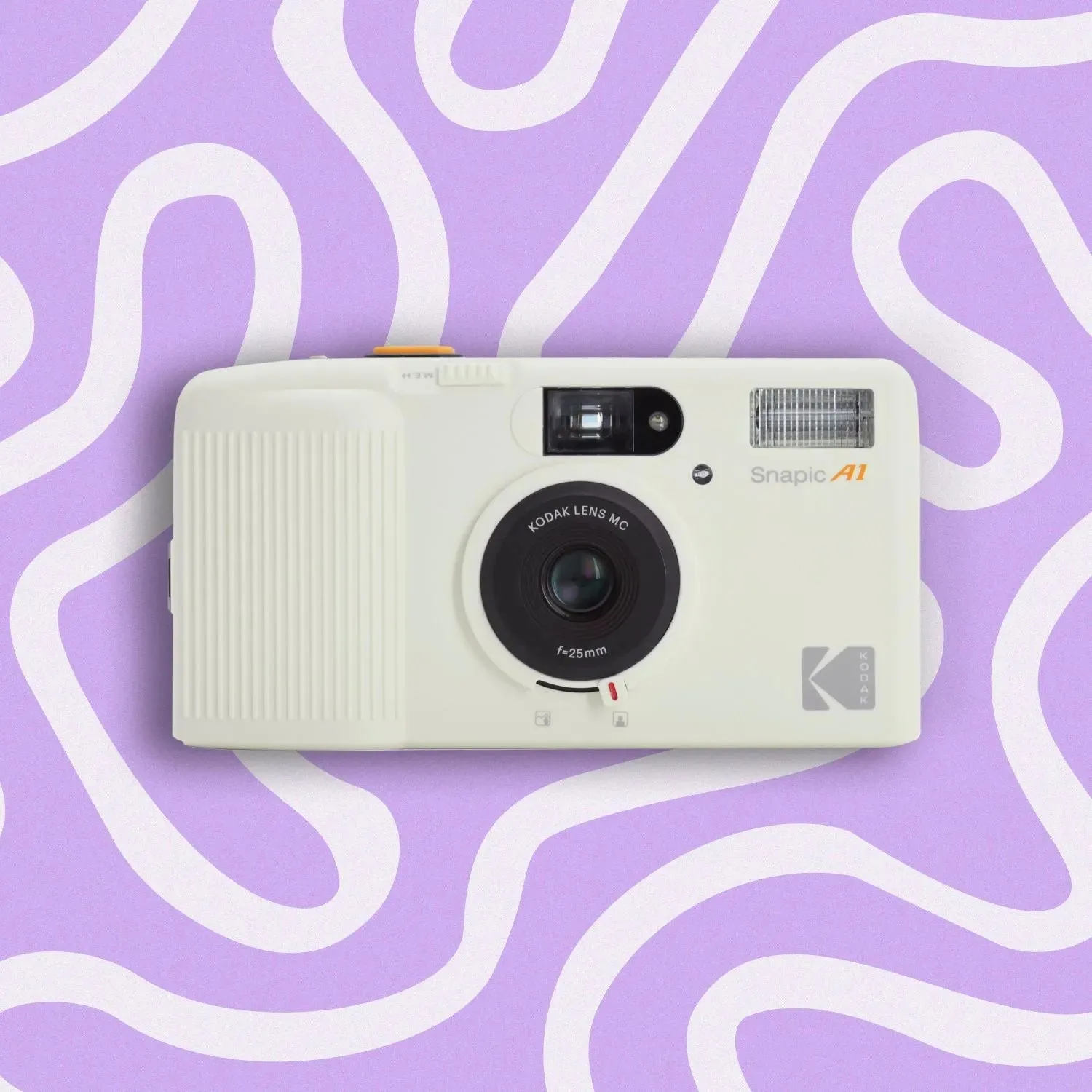
- Kodak Snapic A1 | 35mm Point and Shoot Film Camera: Kodak Snapic A1 35mm point-and-shoot film camera with a sharp Kodak lens, built-in flash, and simple point-and-shoot operation, designed for beginners A simple camera with a built-in flash pairs naturally with Ultra Max 400 because the film's exposure latitude covers minor exposure errors.
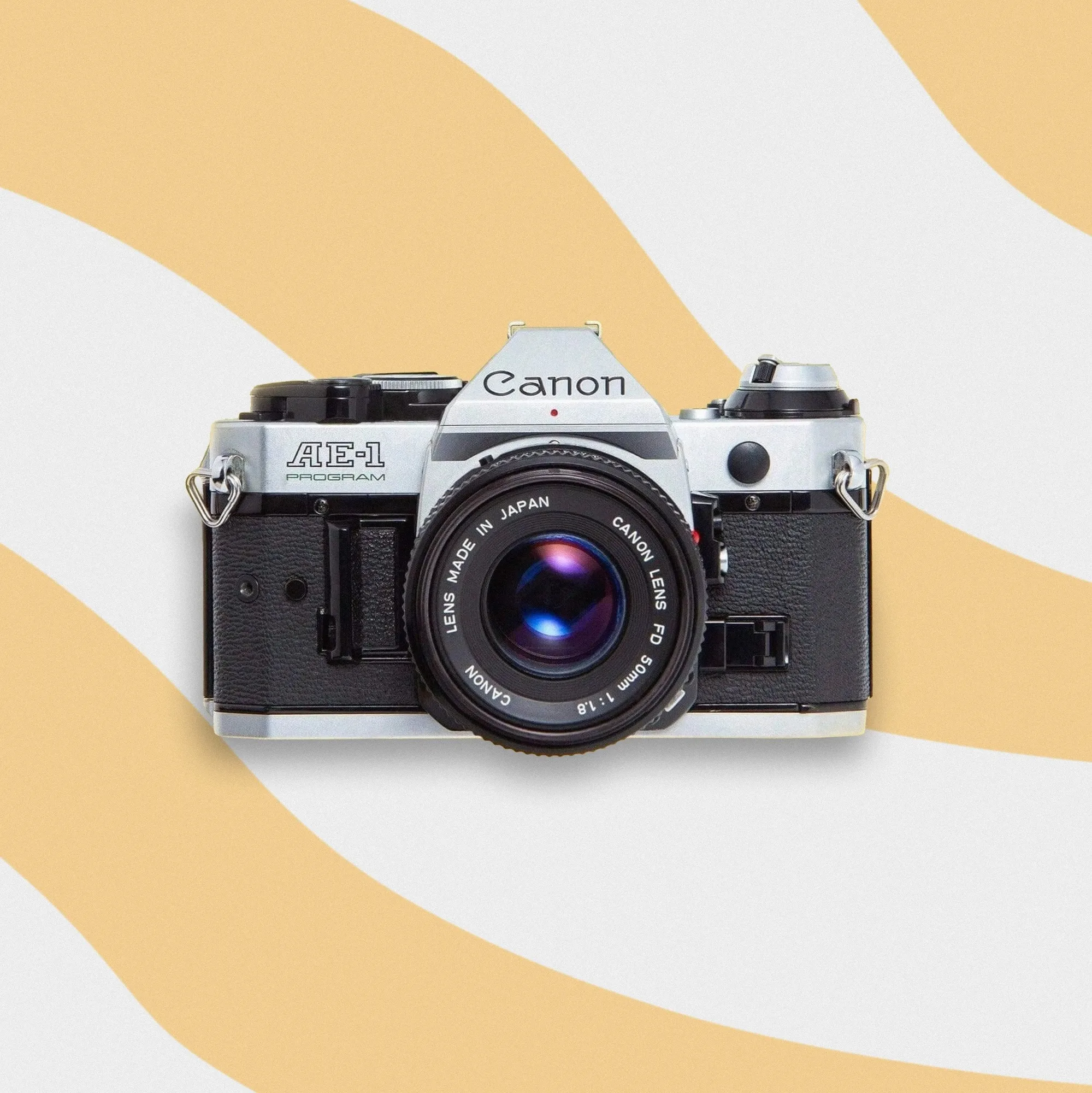
- Canon AE-1 Program | 35mm Film Camera: Canon AE-1 Program 35mm SLR, restored, described as beginner-friendly An SLR gives you aperture and shutter control, so you can use Portra 400's finer grain and wider latitude more deliberately than with a fixed-setting point-and-shoot.
Which film fits your shooting
Best for
- Beginners using a point-and-shoot or beginner SLR who want forgiving exposure and vivid color at low cost
- Everyday snapshots, travel, and street photography where you shoot many rolls and want to keep spending down
- Photographers who want a reliable ISO 400 film for daylight and flash use without metering every frame
Not for
- Portrait or editorial work where the finest grain and softest skin tones are the priority
- Shooters who plan to enlarge or crop heavily and need maximum detail
- Photographers who prefer a specific professional color profile and are willing to pay more per roll