When it comes to choosing a new frying pan, the debate between ceramic and traditional nonstick coatings is a hot topic. Both promise easy food release and simple cleanup, but they differ significantly in composition, durability, and cooking performance. As a premium Swiss cookware brand, Kuhn Rikon offers excellent options in both categories, making the choice even more intriguing. In this comparison, we'll break down the key differences to help you decide which coating is better for your kitchen.
We'll examine the science behind each coating, how they perform in everyday cooking, and what you need to know about health and safety. By the end, you'll have a clear understanding of whether a ceramic or a traditional nonstick pan from Kuhn Rikon is the right investment for your culinary needs.
Understanding the Coatings: Ceramic vs. Traditional Nonstick
Traditional nonstick coatings, often made from PTFE (polytetrafluoroethylene), have been the standard for decades. They provide excellent food release with very little oil, making them ideal for low-fat cooking and delicate foods like eggs and fish. However, concerns about PFOA and other chemicals have led many cooks to seek alternatives. Kuhn Rikon's nonstick pans, such as the NEW LIFE® PRO Bratpfanne Ø 20 cm, are PFOA-free, ensuring safety without compromising performance.
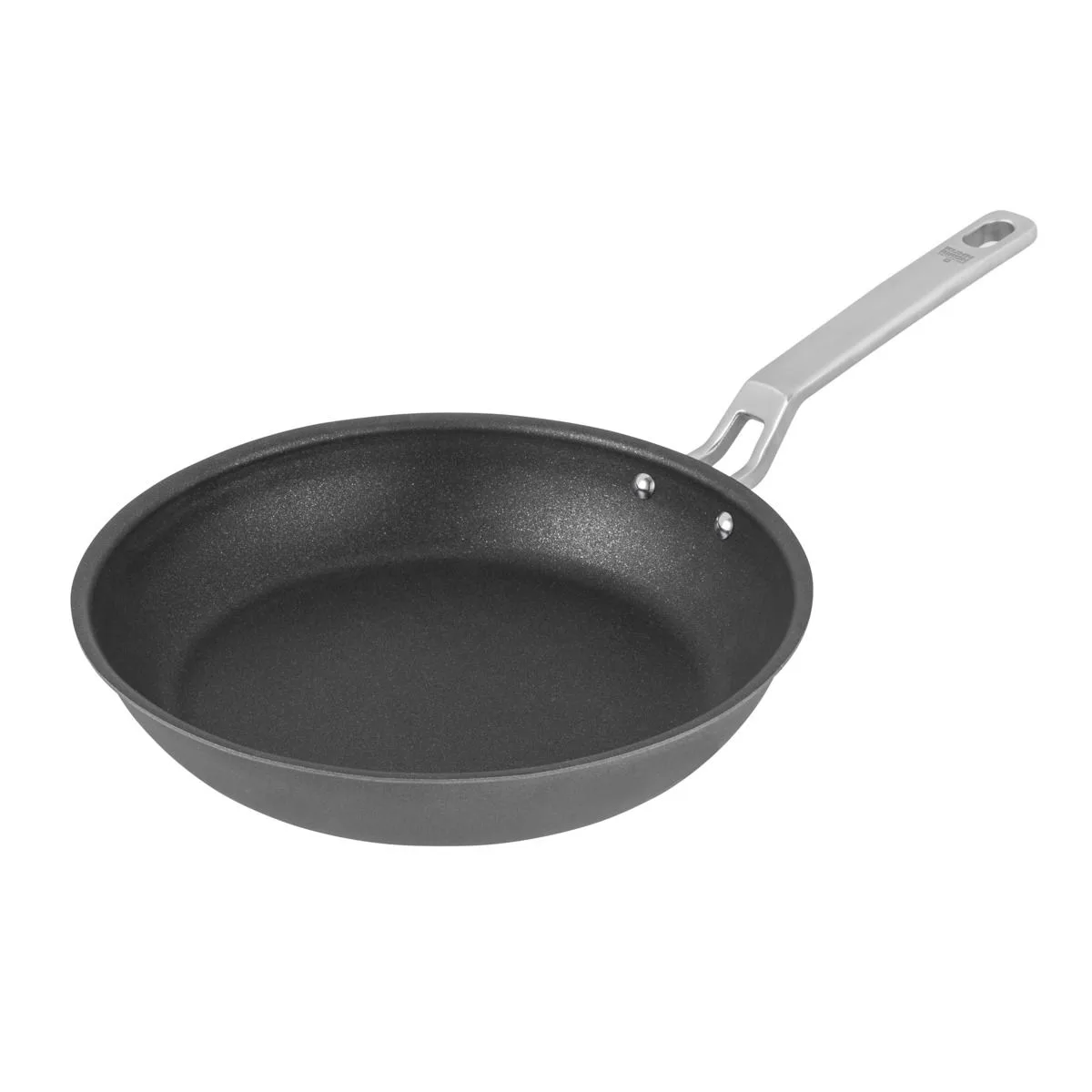
NEW LIFE® PRO Bratpfanne Ø 20 cm
Ceramic coatings, on the other hand, are derived from inorganic minerals, primarily silicon dioxide (sand). They are free from PTFE and PFOA, making them a popular choice for health-conscious consumers. Ceramic pans offer a smooth, glass-like surface that is naturally nonstick and can withstand higher temperatures than traditional nonstick. Kuhn Rikon's ceramic line, including the Easy Pro Ceramic Color series, provides a durable, eco-friendly option that doesn't sacrifice style.
- Traditional nonstick: excellent release, low-fat cooking, PFOA-free options available.
- Ceramic: mineral-based, PTFE-free, higher heat tolerance, eco-friendly.
Health and Safety: What's Really in Your Pan?
The health implications of cookware coatings are a primary concern for many home cooks. Traditional nonstick coatings have faced scrutiny due to the use of PFOA in their manufacturing process. However, all Kuhn Rikon nonstick pans are PFOA-free, so you can enjoy the convenience of nonstick without the associated health risks. It's important to note that even PFOA-free PTFE pans can release harmful fumes if overheated above 500°F (260°C), so proper usage is key.
Ceramic coatings are often marketed as the 'healthier' alternative because they are free from PTFE and PFOA entirely. They are also free from heavy metals like lead and cadmium. Ceramic is stable at higher temperatures, up to 450°C (842°F), without releasing toxic fumes. This makes ceramic pans a safer choice for high-heat cooking methods like searing and stir-frying. For health-conscious cooks, a ceramic pan from Kuhn Rikon offers peace of mind and versatility.
- Kuhn Rikon nonstick pans are PFOA-free, but avoid overheating.
- Ceramic coatings are PTFE-free, PFOA-free, and heavy-metal-free.
- Ceramic can handle higher temperatures safely.
Durability and Maintenance: Which Coating Lasts Longer?
Durability is a critical factor when investing in premium cookware. Traditional nonstick coatings are known for their excellent release properties, but they can be prone to scratching and wear over time, especially if used with metal utensils or abrasive cleaners. With proper care, a quality nonstick pan like the NEW LIFE® PRO can last several years, but the coating will eventually degrade and require replacement.
Ceramic coatings are generally more scratch-resistant than traditional nonstick, thanks to their harder surface. However, they can be more susceptible to chipping or cracking if dropped or subjected to thermal shock. Ceramic pans also tend to lose their nonstick properties faster than PTFE, especially if used on high heat frequently. To extend the life of any pan, Kuhn Rikon recommends using wooden or silicone utensils and hand washing. The Spoon silicone red is a perfect companion for both ceramic and nonstick pans, ensuring gentle care.
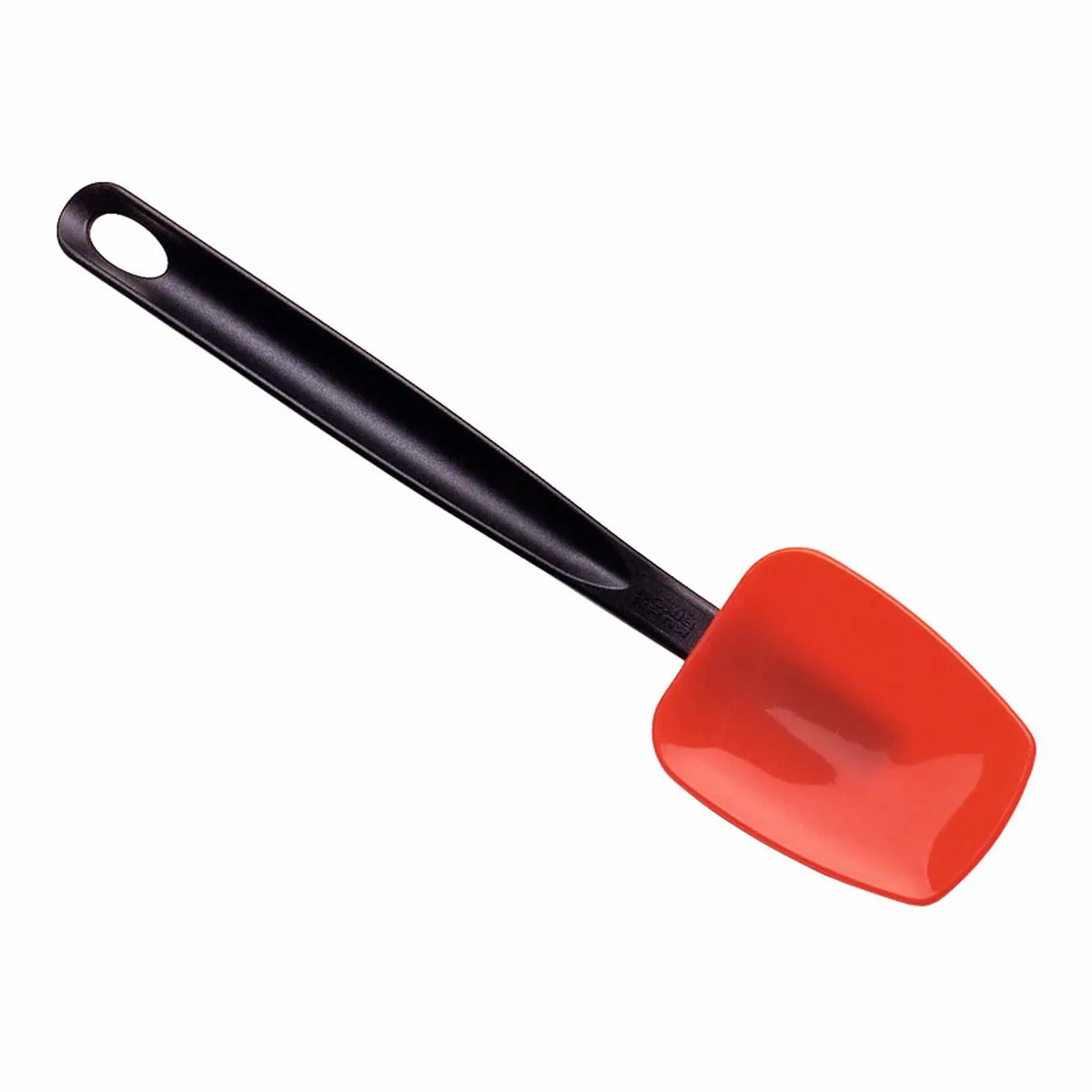
Spoon silicone red
- Nonstick: excellent release, but scratch-prone; use silicone utensils.
- Ceramic: more scratch-resistant, but can chip; avoid thermal shock.
- Hand washing and proper utensils extend the life of both coatings.
Cooking Performance: Heat Distribution and Food Release
When it comes to cooking performance, both coatings have their strengths. Traditional nonstick pans excel at cooking delicate foods like eggs, crepes, and fish, where sticking is a common problem. They require very little oil, making them ideal for low-fat diets. The NEW LIFE® PRO Bratpfanne Ø 20 cm is a great example of a nonstick pan that delivers consistent results with even heat distribution, thanks to Kuhn Rikon's premium construction.
Ceramic pans also provide excellent food release, though they may require a touch more oil or butter for very sticky foods. They excel at high-heat searing and browning, as they can withstand higher temperatures without degrading. Ceramic's smooth surface is also non-reactive, so it won't interact with acidic foods like tomatoes or citrus. For versatile cooking, a ceramic pan like the Easy Pro Ceramic Color offers a great balance of performance and safety.
- Nonstick: best for eggs and delicate fish with minimal oil.
- Ceramic: ideal for high-heat searing and acidic foods.
- Both provide even heat distribution in Kuhn Rikon pans.
Price and Value: What Should You Expect to Pay?
Price is often a deciding factor when choosing between ceramic and nonstick pans. Generally, traditional nonstick pans are more affordable than ceramic ones, though premium brands like Kuhn Rikon command higher prices for both types due to their superior build quality and Swiss engineering. The NEW LIFE® PRO line offers excellent value for those seeking a reliable nonstick pan, while ceramic options may come at a slight premium.
When considering value, think about the lifespan and performance. A well-maintained nonstick pan may need replacement every few years, while a ceramic pan could last longer if not subjected to high heat or rough handling. Kuhn Rikon's pans are built to last, with sturdy construction and high-quality coatings. Investing in a durable pan, whether ceramic or nonstick, is a smart choice for any kitchen.
- Nonstick pans are typically more affordable upfront.
- Ceramic pans may last longer with proper care.
- Kuhn Rikon offers premium quality in both categories.
Ultimately, the choice between ceramic and nonstick frying pans from Kuhn Rikon depends on your cooking style and priorities. If you frequently cook delicate foods and prefer low-fat options, a traditional nonstick pan like the NEW LIFE® PRO is an excellent choice. If you value high-heat versatility and a completely PTFE-free option, a ceramic pan from the Easy Pro Ceramic Color line is worth considering. Both offer the Swiss precision and durability that Kuhn Rikon is known for. Explore the full range of Kuhn Rikon frying pans to find the perfect match for your kitchen.