Quick answer
Choose a Kuhn Rikon Pull Chop for small, quick tasks like herbs, garlic, or a single onion, where a pull-cord action and easy rinse matter more than capacity. Choose a manual food processor when you need to chop larger batches, process denser ingredients, or want a base for sauces and purées. If your prep is mostly small and frequent, the Pull Chop is the more convenient tool; if you regularly cook for four or more, a manual processor earns its counter space.
How the two tools actually work
A pull-cord chopper like the Kuhn Rikon Pull Chop uses a cord you pull to spin a blade inside a small container. You load ingredients, pull a few times, and check the texture. A manual food processor typically uses a pump or lever mechanism to turn a blade in a larger bowl, and often includes interchangeable discs for slicing or shredding. The key difference is not just size but how much control you have: pull-cord models give you quick bursts, while manual processors let you process more at once but require more set-up and cleaning between tasks.
Capacity and batch size: the real dividing line
The Kuhn Rikon Pull Chop is designed for small quantities—think a handful of herbs, a few cloves of garlic, or one onion. A manual food processor usually holds two to four times as much, so it suits meal prep or recipes that call for several cups of chopped vegetables. If you often double recipes or cook for a family, the smaller Pull Chop will force you to work in batches, which adds time. Conversely, a large manual processor can be awkward for a single shallot because the blade may not reach the food evenly.
Effort, speed, and control
Both tools are manual, so neither needs electricity. The Pull Chop’s cord mechanism is fast for soft items and gives you immediate feedback—stop pulling when the texture looks right. A manual food processor may require more physical effort per stroke, especially with dense foods like carrots or nuts, but it can process a larger volume with fewer actions. For precise control (e.g., coarse-chopped herbs vs. fine mince), the Pull Chop’s pull-by-pull approach is easier to manage.
Cleanup and storage
The Pull Chop typically has fewer parts: a container, lid, blade, and cord. Most models are top-rack dishwasher safe, but rinsing immediately is often enough. A manual food processor may have a bowl, lid, blade, and sometimes discs or a pump mechanism, all of which need cleaning. If you hate doing dishes or have limited counter space, the simpler design of the Pull Chop is a practical advantage. However, if you use the processor for multiple tasks in one session, the extra parts may be worth the cleanup.
Which tasks each tool handles best
The Kuhn Rikon Pull Chop excels at: herbs, garlic, ginger, small onions, nuts, and breadcrumbs in small amounts. It is also handy for quickly chopping a topping or mixing a small batch of pesto. A manual food processor is better for: larger quantities of vegetables, making sauces, purées, or dough, and slicing or shredding with discs. If you often make salsa, hummus, or coleslaw, a manual processor with a larger bowl will save you time. If your daily prep is just a few cloves of garlic or a sprig of parsley, the Pull Chop is faster to grab and rinse.
Trade-offs at a glance
- Speed on small tasks: The Pull Chop wins for a single onion or a handful of herbs because you can pull a few times and be done. A manual processor takes longer to assemble and clean for the same small job. If most of your chopping is small and frequent, the Pull Chop is the faster choice.
- Batch capacity: A manual food processor holds more, so you can chop several cups of vegetables at once. The Pull Chop requires working in batches for larger quantities. For meal prep or cooking for a crowd, choose a manual processor.
- Effort and control: The Pull Chop gives you pull-by-pull control for coarse or fine textures. A manual processor may need more force per stroke but can process denser foods with less stopping and checking. For delicate herbs, the Pull Chop offers better control; for dense root vegetables in volume, a manual processor is easier.
Product facts
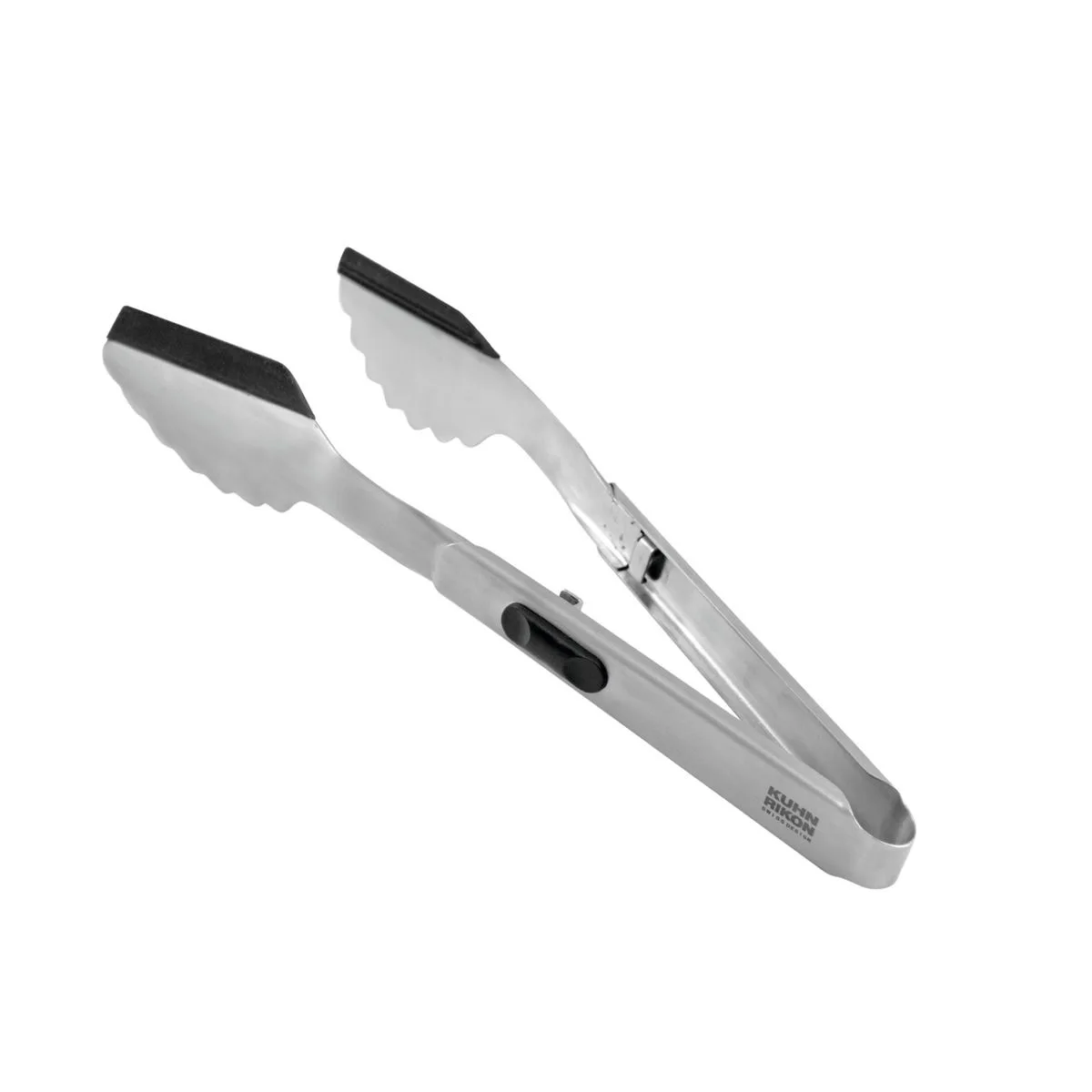
- SoftEdge™ Locking Scalloped Tong Black: SoftEdgeTM Locking Scalloped Tong Black is part of Kuhn Rikon's cooking utensils line, designed to simplify cooking, baking, and serving. A reliable pair of tongs complements either chopper for tossing, serving, or moving ingredients without extra tools.
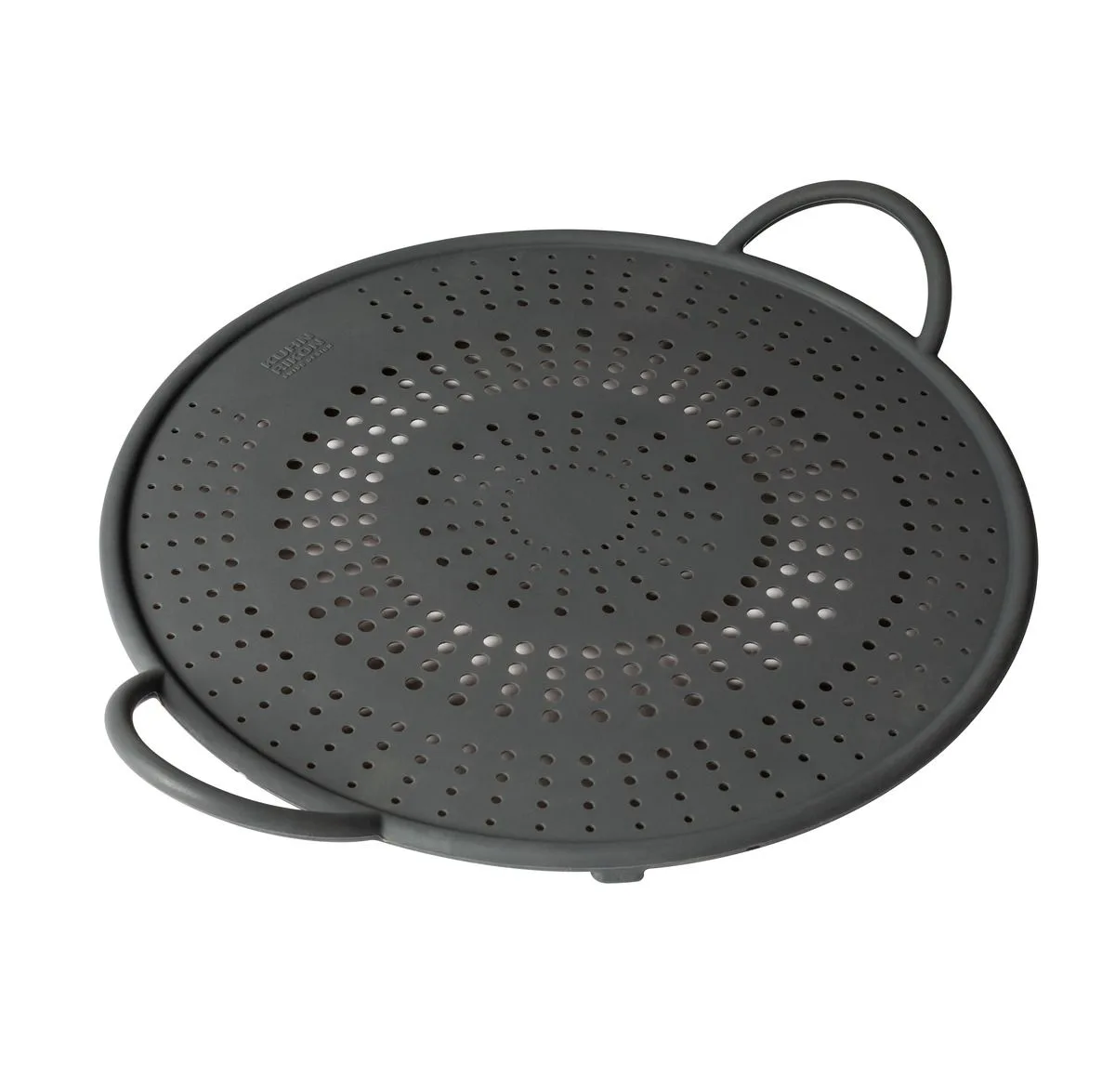
- Spritzschutz Silikon grau · Ø 26 cm: Spritzschutz Silikon grau · Ø 26 cm is a silicone splatter guard from Kuhn Rikon's pan category, suited for passionate hobby and professional cooks. If you chop onions or garlic and then sauté them, a splatter guard keeps your stovetop clean and reduces cleanup after cooking.
Which should you choose?
Choose the Kuhn Rikon Pull Chop if you:
- Cook for one or two and mainly chop small quantities like garlic, herbs, or a single onion.
- Want a tool that is quick to grab, use, and rinse, with minimal parts.
- Prefer pull-by-pull control to avoid over-processing.
Choose a manual food processor instead if you:
- Regularly chop large batches of vegetables or make sauces and purées in volume.
- Need slicing or shredding discs for tasks like coleslaw or grated cheese.
- Cook for four or more people most days and want to minimize batch work.