When you’re investing in premium cookware, two names often come up: Kuhn Rikon from Switzerland and Silit from Germany. Both brands are renowned for their engineering, durability, and performance, but they take different approaches to design and material. In this comparison, we’ll break down the key differences to help you decide which one deserves a spot in your kitchen.
Kuhn Rikon, known for its Swiss precision, has been crafting cookware since 1819. Silit, a German brand, has a history dating back to 1811. Both have centuries of expertise, but their product lines and technologies differ significantly. Let's explore.
Material and Build Quality
Silit is famous for its Silargan, a ceramic-based nonstick coating that is derived from natural minerals. This material is highly scratch-resistant and does not contain PFOA or other harmful substances. Silit’s cookware often features a heavy-gauge construction that ensures even heat distribution, but it can be quite heavy.
Kuhn Rikon, on the other hand, specializes in stainless steel cookware, often with an aluminum or copper core for superior heat conductivity. Their pots and pans are known for their durability and are often dishwasher safe. For example, the Fondue pot induction cast iron red Mini Alpine Meadow Ø 17 cm showcases their commitment to high-quality materials, perfect for a fun and functional fondue night.
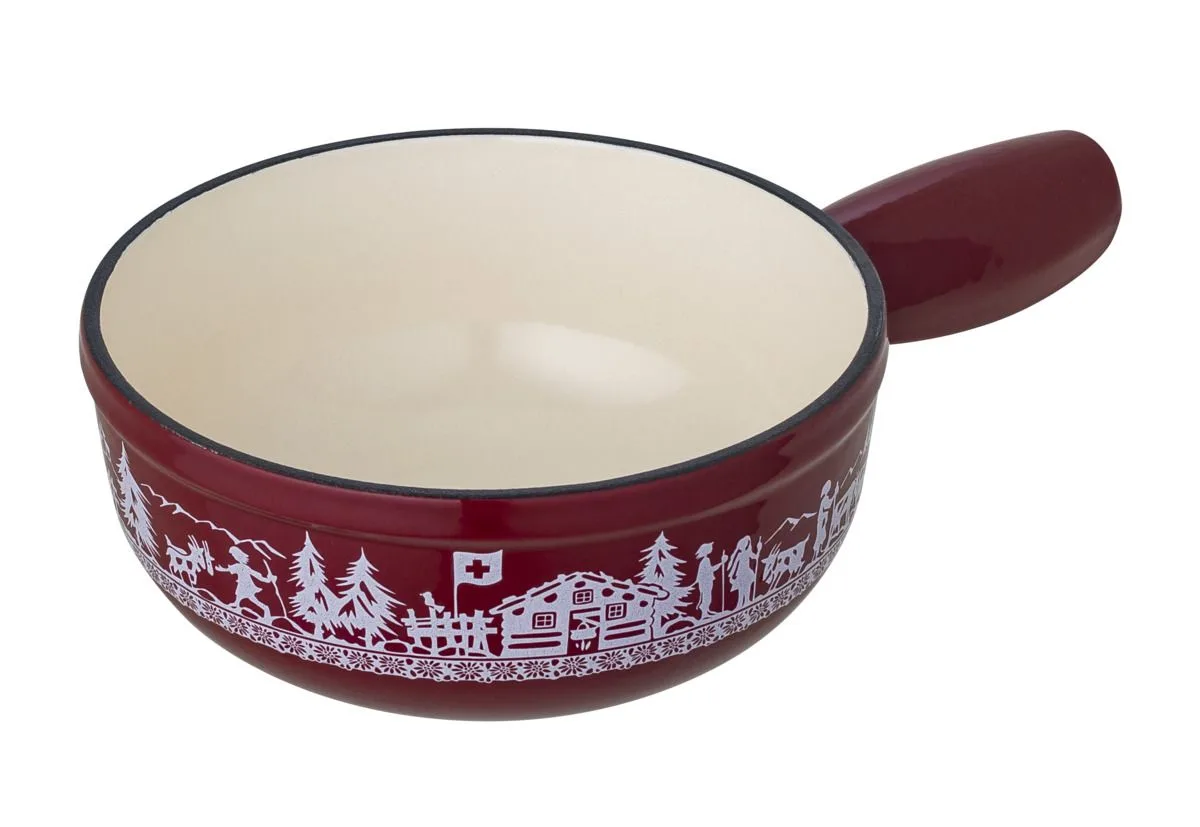
Fondue pot induction cast iron red Mini Alpine Meadow Ø 17 cm
- Silit uses Silargan ceramic coating; Kuhn Rikon uses stainless steel with aluminum cores.
- Both brands offer excellent heat distribution, but Kuhn Rikon tends to be lighter.
- Kuhn Rikon’s stainless steel is more versatile for induction cooktops.
Performance and Cooking Experience
When it comes to performance, both brands deliver. Silit’s nonstick surfaces are ideal for low-fat cooking and easy cleaning, making them great for everyday meals. However, they are not suitable for high-heat searing or oven use at very high temperatures.
Kuhn Rikon’s stainless steel cookware, such as their pressure cookers and casseroles, excels in high-heat cooking and browning. Their products are designed to go from stovetop to oven seamlessly. If you enjoy slow-cooked stews or braised dishes, Kuhn Rikon’s durability and heat retention are outstanding.
Product Range and Versatility
Both brands offer a wide range of cookware, but they have different specialties. Silit focuses heavily on nonstick frying pans and saucepans, while Kuhn Rikon is famous for its pressure cookers and thermal cookers. Kuhn Rikon also offers a variety of accessories that enhance your cooking experience.
For instance, the DUROMATIC®/DUROTHERM® sieve insert inox Ø 19 cm is a handy accessory for pressure cooking, allowing you to steam vegetables while cooking meat below. This kind of innovation is typical of Kuhn Rikon’s approach to versatile, multi-functional cookware.
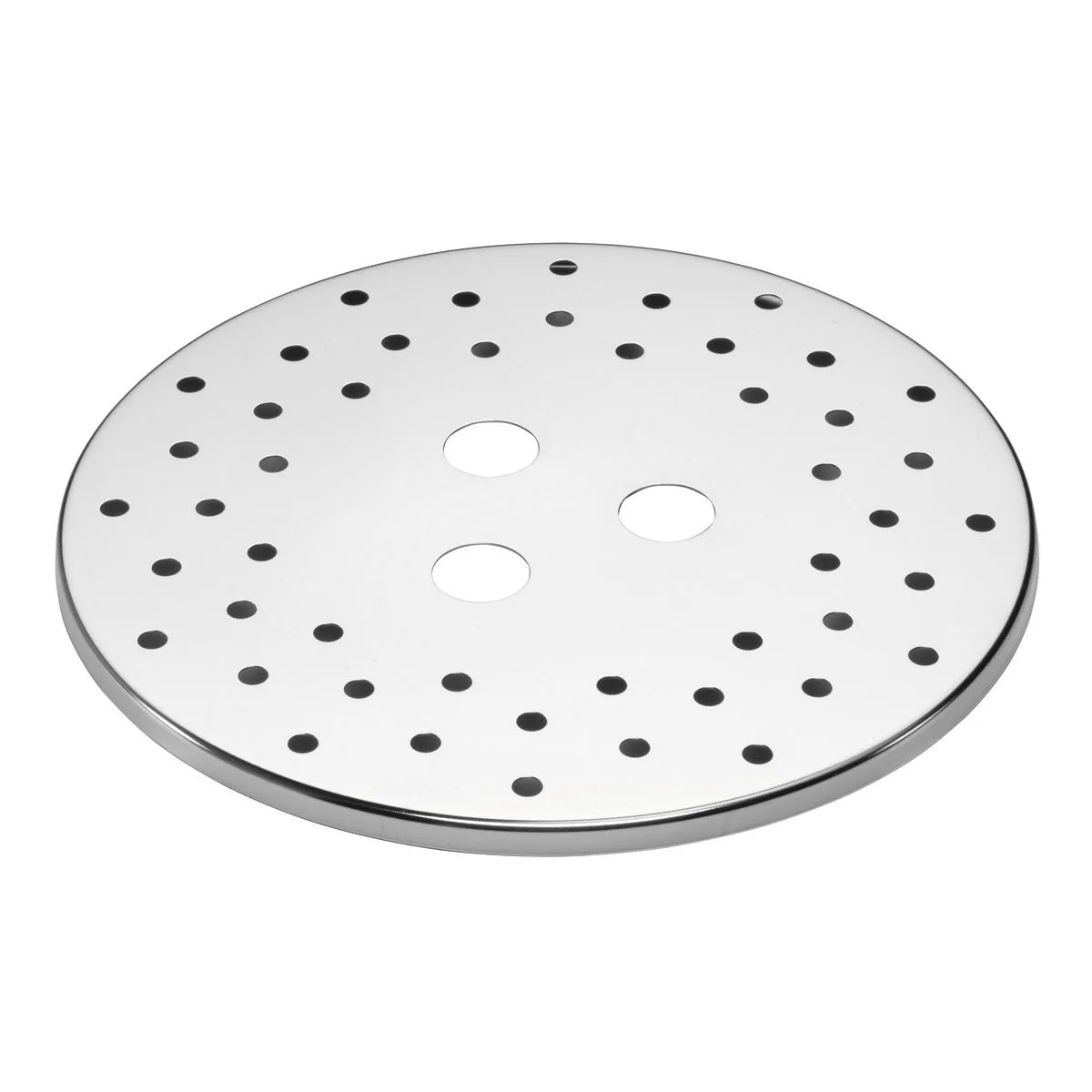
DUROMATIC®/DUROTHERM® sieve insert inox Ø 19 cm
Price and Value
Both brands are considered premium, but Silit tends to be slightly more affordable than Kuhn Rikon, especially in their nonstick lines. However, Kuhn Rikon’s stainless steel products are built to last a lifetime, making them a better long-term investment for serious cooks.
When comparing prices, consider the durability and warranty. Kuhn Rikon offers a 10-year warranty on many products, while Silit offers a 5-year warranty. If you cook frequently and want cookware that can handle heavy use, the extra cost for Kuhn Rikon may be justified.
- Silit is more budget-friendly upfront; Kuhn Rikon offers longer warranty and durability.
- Consider your cooking style: nonstick for low-fat, stainless for high-heat.
- Look for sets that include essential pieces to maximize value.
In the battle of Kuhn Rikon vs. Silit, the winner depends on your cooking needs. If you prefer nonstick convenience and budget-friendliness, Silit is a solid choice. But if you value Swiss precision, durability, and versatility, Kuhn Rikon is hard to beat. Explore our range of Kuhn Rikon cookware and accessories to elevate your kitchen experience.