When it comes to premium cookware, two names often stand out: Kuhn Rikon, the Swiss brand known for its precision engineering, and Staub, the French manufacturer celebrated for its enameled cast iron. Both produce exceptional pots and pans, but they cater to different cooking styles and priorities. In this comparison, we'll dive deep into the world of cast iron cookware to help you decide which brand deserves a spot on your stovetop.
Whether you're a home cook looking for a versatile casserole or a professional chef seeking durability, understanding the nuances between Kuhn Rikon and Staub is essential. From material quality to design features, we'll break down the key differences so you can make an informed choice.
Brand Heritage and Philosophy
Kuhn Rikon, founded in 1819 in Switzerland, has a long-standing reputation for innovation and precision. The brand is best known for its pressure cookers, like the famous DUROMATIC line, but it also produces high-quality cookware, including cast iron pieces. Swiss engineering emphasizes functionality, durability, and safety, which is evident in every product they make.
Staub, on the other hand, was founded in 1974 in France and quickly became a favorite among chefs for its enameled cast iron cookware. Staub's philosophy centers on traditional craftsmanship and even heat distribution, with a focus on flavor preservation. Their cocottes and Dutch ovens are iconic in French cuisine.
While both brands share a commitment to quality, their origins influence their design philosophies: Kuhn Rikon leans toward multi-functional, technically advanced cookware, while Staub focuses on time-honored cooking techniques and aesthetic appeal.
- Kuhn Rikon: Swiss precision, innovative features, multi-purpose designs.
- Staub: French tradition, enameled cast iron, chef-approved.
Material and Construction Quality
Cast iron is prized for its heat retention and even cooking, but the quality of the iron and the enamel coating can vary significantly. Staub uses a special sand-casting process that creates a slightly rough surface, which helps to brown food better and develop a natural non-stick patina over time. Their enamel is applied in multiple layers, making it resistant to chipping and cracking.
Kuhn Rikon also offers cast iron cookware, though it's less known than their stainless steel and non-stick lines. Their cast iron pots are made with high-quality iron and a smooth enamel interior, which is easier to clean but may not provide the same browning effect as Staub's rough surface. Both brands are durable, but Staub's construction is specifically engineered for slow-cooking and braising.
When comparing materials, consider what you cook most. If you frequently make stews, roasts, or bread, Staub's textured interior is a plus. If you prefer a smoother surface for easier cleaning, Kuhn Rikon's cast iron might be more appealing.
- Staub's rough interior aids browning and develops non-stick properties.
- Kuhn Rikon's smooth enamel is easier to clean but less effective for searing.
- Both brands offer excellent heat retention and even cooking.
Design and Features
Design plays a crucial role in cookware, both for aesthetics and functionality. Staub cocottes are famous for their beautiful colors and elegant lids, which feature a unique self-basting mechanism that continuously coats the food with its own juices. This is ideal for moist, flavorful results. The handles are designed for a secure grip, even with oven mitts.
Kuhn Rikon's cast iron pots, like the MONTREUX Pot, offer a more minimalist design with functional features. They often come with stainless steel knobs that are oven-safe to high temperatures, and some models are compatible with all stovetops, including induction. While they may not have the self-basting lid, they excel in versatility and ease of use.
Both brands offer a range of sizes and colors, but Staub tends to have a wider variety of aesthetic options, making them a favorite for serving at the table. Kuhn Rikon focuses more on practicality, with designs that stack well and are easy to store.
- Staub: self-basting lid, wide color selection, elegant table presence.
- Kuhn Rikon: minimalist, oven-safe knobs, induction-compatible.
Performance in the Kitchen
When it comes to actual cooking performance, both brands deliver exceptional results. Staub's cast iron excels in slow-cooking methods like braising and stewing, thanks to its tight-fitting lid and moisture retention. The rough interior also allows for better browning, which adds depth of flavor to your dishes.
Kuhn Rikon's cast iron is equally capable, but its smooth interior makes it more suitable for dishes that require less sticking, such as sauces or shallow frying. The even heat distribution ensures that food cooks uniformly, and the pots are heavy-duty enough to withstand high temperatures, making them perfect for searing and roasting as well.
One advantage of Kuhn Rikon is its compatibility with all heat sources, including induction, which is not always the case with Staub. If you have an induction cooktop, this could be a deciding factor. However, Staub's performance in the oven is unmatched, withstanding temperatures up to 500°F (260°C) without damage.
- Staub: ideal for braising, self-basting, and high-heat oven use.
- Kuhn Rikon: versatile, induction-compatible, good for sauces and frying.
Price and Value
Price is often a significant consideration when investing in premium cookware. Staub is generally more expensive, with a 5.5-quart cocotte typically costing around $300-$400. This price reflects the brand's reputation, craftsmanship, and the fact that it's a favorite among professional chefs.
Kuhn Rikon offers a more accessible price point, with cast iron pots like the MONTREUX Pot often priced lower than comparable Staub models. While they may not have the same prestige, they offer excellent value for money, especially considering their versatility and Swiss engineering.
When evaluating value, think about how often you'll use the pot and what features matter most to you. If you're a serious cook who loves slow-cooked meals, Staub's investment might be worth it. If you want a reliable, multi-purpose pot without breaking the bank, Kuhn Rikon is a smart choice.
- Staub: premium price, premium performance, long-term investment.
- Kuhn Rikon: affordable Swiss quality, great for everyday use.
In the battle of Kuhn Rikon vs. Staub, there's no clear winner—it all depends on your cooking style and budget. Staub offers unmatched French craftsmanship and self-basting features, perfect for slow-cooked dishes. Kuhn Rikon provides Swiss precision and versatility at a more accessible price. Whichever you choose, you're investing in quality that will last for years. If you're leaning toward Swiss innovation, explore the MONTREUX Pot 3.0 L · Ø 20 cm to see how Kuhn Rikon can elevate your kitchen.
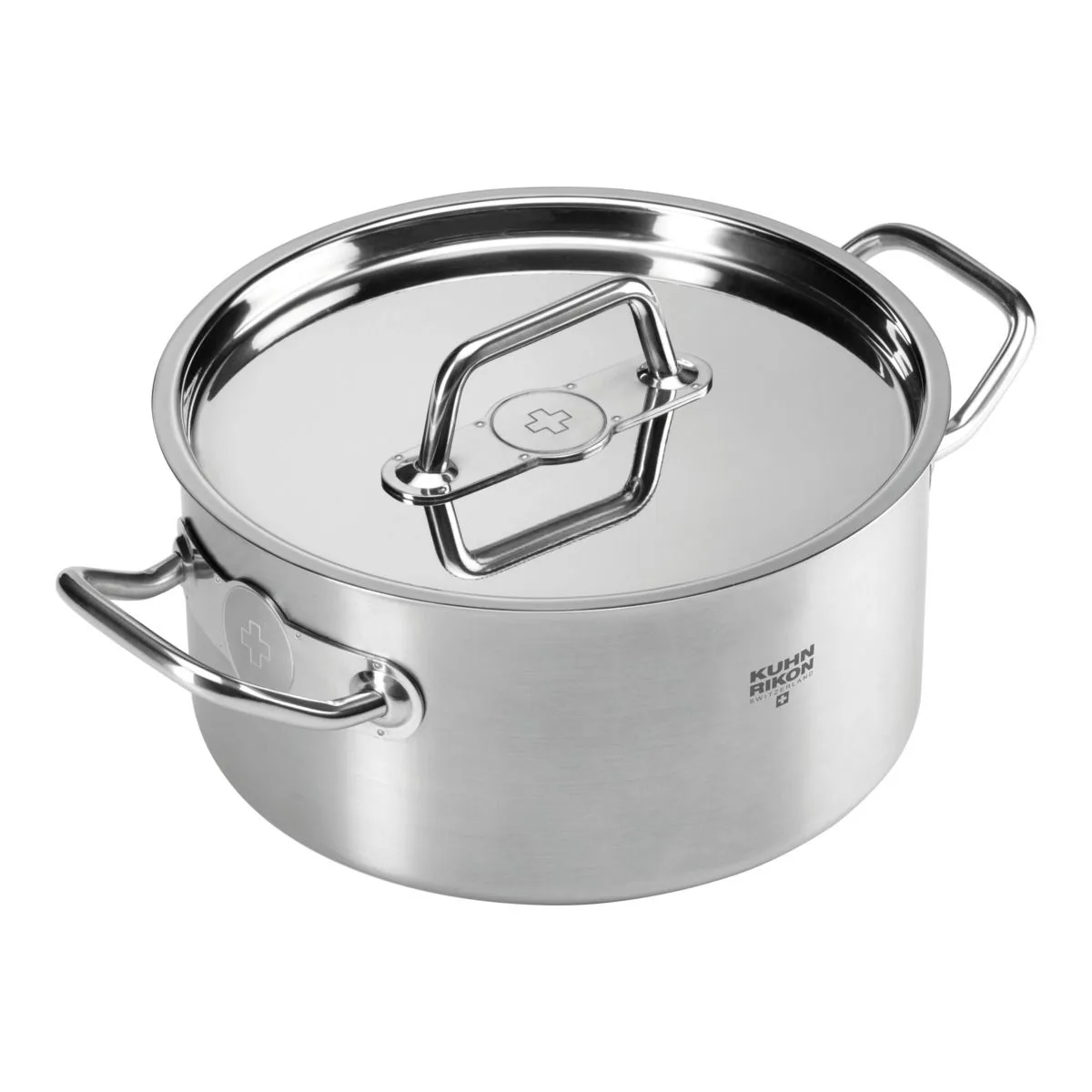
MONTREUX Pot 3.0 L · Ø 20 cm