When it comes to cookware, the debate between premium and budget brands is as heated as a sizzling pan. On one side, you have Swiss-engineered Kuhn Rikon, known for its meticulous craftsmanship and durability. On the other, Tefal, the French giant famous for its accessible non-stick technology. The question is: does paying more for Kuhn Rikon actually deliver a better cooking experience, or is Tefal the smart choice for most home cooks?
In this comparison, we'll break down the key differences between these two brands—from materials and performance to longevity and value. By the end, you'll know exactly which pan deserves a spot on your stovetop.
Materials and Build Quality
Kuhn Rikon pans are crafted in Switzerland with a focus on premium materials. Their stainless steel and non-stick lines often feature thick, robust bases that distribute heat evenly and resist warping. The brand's commitment to quality is evident in details like ergonomic handles and precision-fit lids. For example, the ALLROUND Bratpfanne quadratisch unbeschichtet Ø 27 x 27 cm offers a sturdy uncoated surface that excels at high-heat searing.
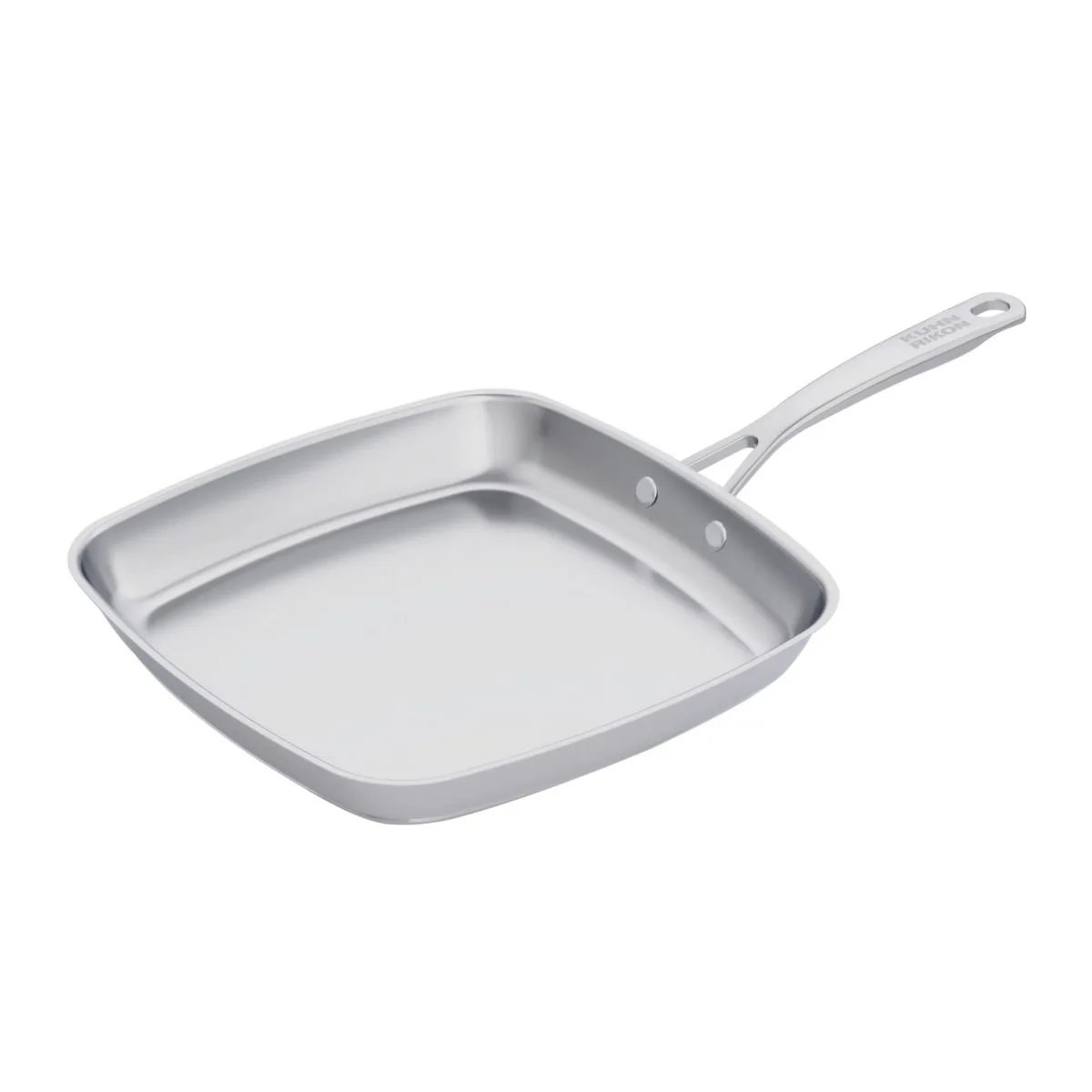
ALLROUND Bratpfanne quadratisch unbeschichtet Ø 27 x 27 cm
Tefal, on the other hand, uses lighter materials and a patented non-stick coating that is effective but less durable over time. While Tefal pans are perfectly functional, they often show signs of wear—scratches and peeling—after a few years of heavy use. The build quality is decent for the price, but it doesn't match the heft and precision of Kuhn Rikon.
- Kuhn Rikon: thick, even-heating bases, Swiss-made precision.
- Tefal: lightweight, budget-friendly, but less durable coating.
Non-Stick Performance and Durability
Non-stick is where Tefal built its reputation, and their coatings are genuinely effective, especially for low-fat cooking and easy cleanup. However, the coating tends to degrade faster, requiring careful handling and replacement sooner than premium alternatives. For those who prioritize longevity, Kuhn Rikon's non-stick options, like the EASY PRO CERAMIC COLOR Pot 5.0 L · Ø 24 cm bright blue, use ceramic-based coatings that are free of PFOA and designed to withstand more abuse while maintaining their release properties.
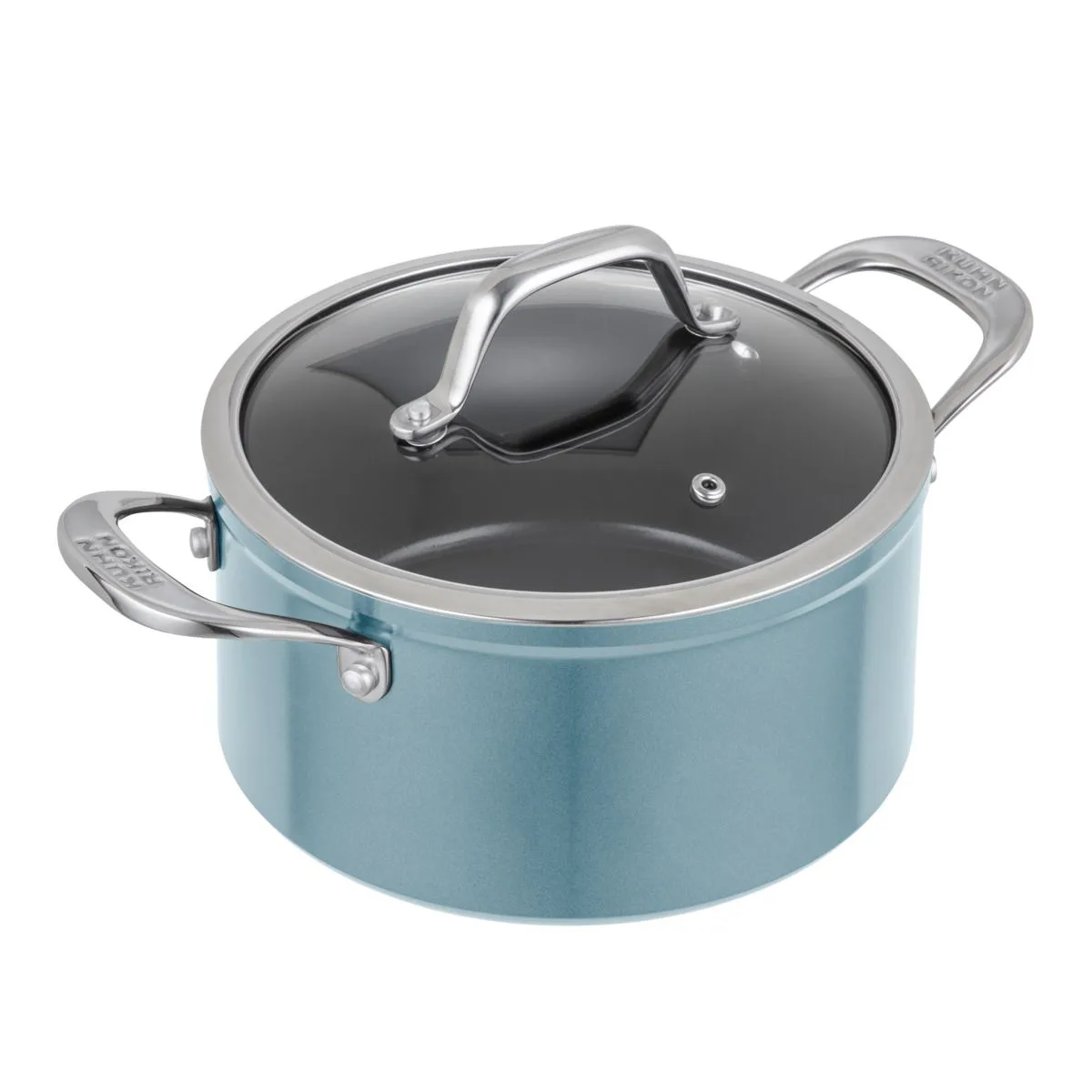
EASY PRO CERAMIC COLOR Pot 5.0 L · Ø 24 cm bright blue
In side-by-side tests, Kuhn Rikon pans often retain their non-stick qualities longer, making them a better investment for frequent cooks. While Tefal pans are great for occasional use, serious home chefs might find themselves replacing them more often, which adds to the long-term cost.
- Tefal: excellent initial non-stick, but coating wears out.
- Kuhn Rikon: superior durability, ceramic coating resists scratches.
Cooking Performance and Versatility
Kuhn Rikon pans are designed for versatility. The ALLROUND Sartén grill liso sin antiadherente Ø 27 x 27 cm is perfect for grilling meats and vegetables with beautiful char marks, thanks to its flat, uncoated surface that can handle high heat without releasing harmful fumes. The even heat distribution ensures consistent results, whether you're searing, sautéing, or simmering.
Tefal pans perform well for everyday tasks like frying eggs or pancakes, but they often have hot spots and are not ideal for high-heat cooking. The non-stick coating limits their use to medium or low heat, which can be restrictive for certain recipes. If you enjoy experimenting with different cooking techniques, Kuhn Rikon's range offers more flexibility.
- Kuhn Rikon: high-heat safe, even cooking, versatile.
- Tefal: best for low-to-medium heat, limited for searing.
Price vs. Long-Term Value
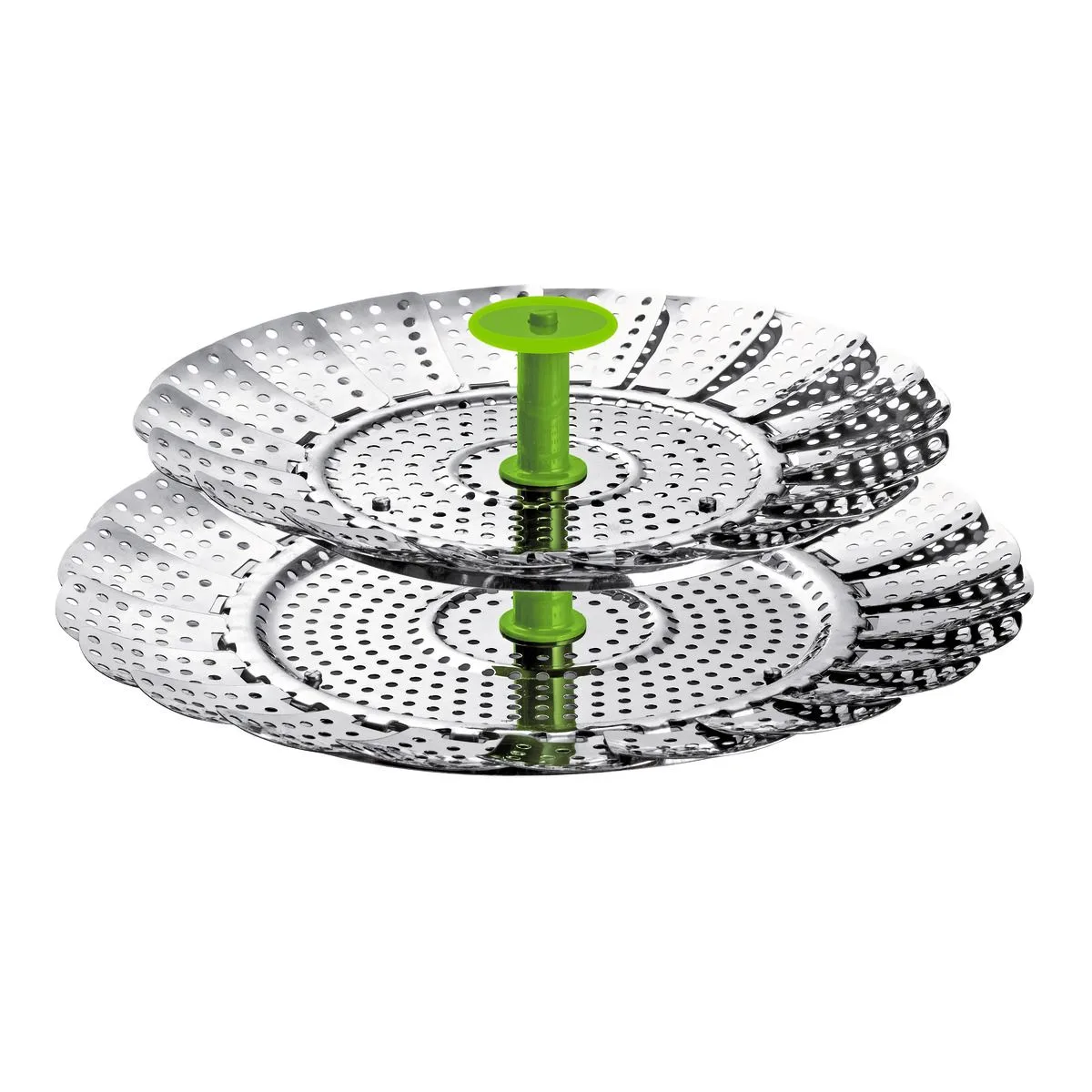
There's no denying that Kuhn Rikon pans come with a higher price tag. However, when you consider the longevity and performance, the cost per use often favors the premium option. A Kuhn Rikon pan can last decades if cared for properly, while a Tefal pan might need replacement every few years. For instance, investing in a durable pan like the Dämpfeinsatz 2-in-1 Ø 16-24 cm or a versatile pot such as the EASY PRO CERAMIC COLOR Pot 5.0 L can save you money in the long run.
Tefal's appeal lies in its affordability, making it accessible to a wider audience. If you're on a tight budget or cook infrequently, Tefal might be the pragmatic choice. But for those who see cooking as a passion or want to reduce waste by buying once, Kuhn Rikon is the superior investment.
- Tefal: low upfront cost, but higher replacement frequency.
- Kuhn Rikon: higher initial investment, but better long-term value.
Which Brand Should You Choose?
Ultimately, the choice between Kuhn Rikon and Tefal depends on your cooking habits, budget, and priorities. If you're a casual cook who needs a reliable, inexpensive pan for simple meals, Tefal is a solid choice. But if you're serious about cooking and want equipment that performs beautifully and lasts, Kuhn Rikon is worth the extra cost.
Consider how often you cook, the types of dishes you prepare, and whether you value durability over upfront savings. For many home chefs, the peace of mind that comes with a Swiss-made pan is priceless.
- Choose Tefal if: budget is your primary concern, you cook occasionally.
- Choose Kuhn Rikon if: you want premium quality, longevity, and versatility.
In the battle of Kuhn Rikon vs. Tefal, the winner is clear for those who prioritize quality and longevity. While Tefal offers budget-friendly options, Kuhn Rikon's superior materials, performance, and durability make it the better investment for passionate cooks. If you're ready to elevate your kitchen, explore our range of Kuhn Rikon pans and experience the Swiss difference.