Why Kukicha Is a Naturally Mild Green Tea
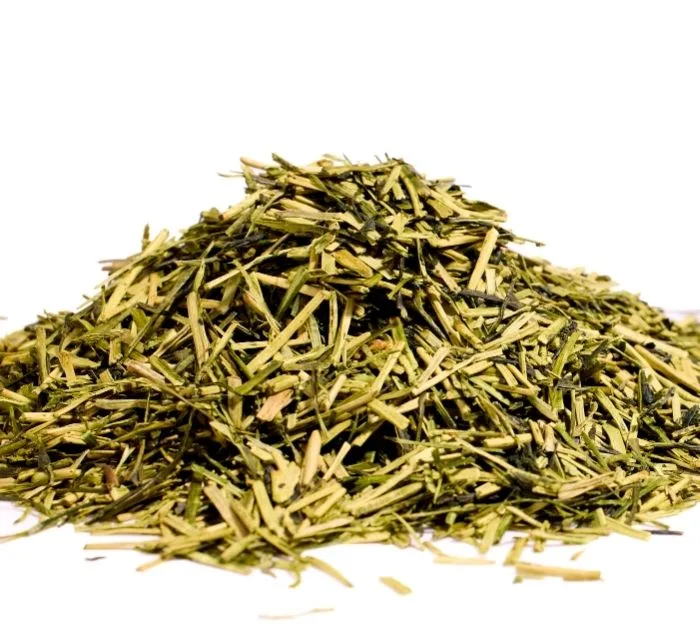
If you find regular green tea too brisk or a bit sharp, kukicha loose leaf tea is worth a try. Kukicha, also known as twig tea or Bocha tea, is a Japanese blend made with leaves, stems, stalks, and twigs. Because stems contain less caffeine than leaves, kukicha generally has a lower caffeine content than regular green tea. That makes it a natural choice for anyone looking for a gentler daily cup that still delivers the clean, vegetal character of green tea.
The stems and twigs also shape the flavor. Instead of the grassy bite you might expect from a standard sencha, kukicha offers a delicate, nutty, slightly sweet and vegetal taste. It's a mild green tea that works well in the afternoon or for anyone who wants to ease off higher-caffeine teas without giving up the ritual of brewing loose leaf.
Kukicha Loose Leaf Tea at a Glance
-
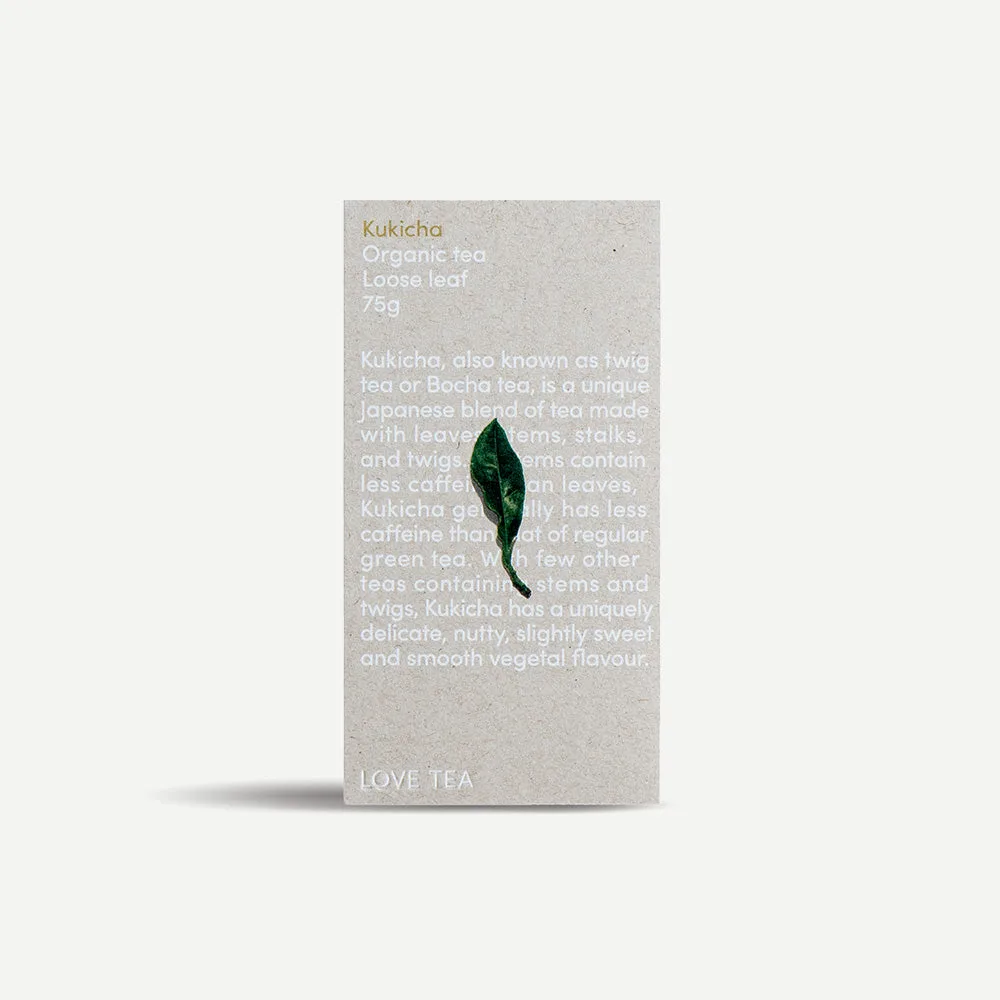
Kukicha Loose Leaf Tea: Kukicha, also known as twig tea or Bocha tea, is a unique Japanese blend of tea made with leaves, stems, stalks, and twigs. Understanding what's in the blend explains why the flavor is milder and more nutty than standard green tea.
Kukicha Loose Leaf Tea
-
Kukicha Loose Leaf Tea: As stems contain less caffeine than leaves, Kukicha generally has a lower caffeine content than that of regular green tea. This makes kukicha a sensible option if you're looking for a lower-caffeine green tea that you can enjoy later in the day.
-
Kukicha Loose Leaf Tea: With few other teas containing stems and twigs, Kukicha has a uniquely delicate, nutty, slightly sweet and vegetal flavour. Knowing the flavor profile helps you set expectations and decide whether kukicha suits your taste preferences.
How to Brew Kukicha Loose Leaf Tea
Brewing kukicha is straightforward, but a few practical choices can help you get the mild, sweet cup this tea is known for. Since the exact water temperature and steep time are not confirmed in the product information, start with a moderate approach and adjust to your taste.
- Measure the leaves: Use about one teaspoon of kukicha loose leaf per cup. Because the stems and twigs are light, you may want to use a bit more if you prefer a stronger brew.
- Heat the water: Use water that has been brought to a boil and then allowed to cool slightly. This helps avoid a bitter or harsh cup, which is especially important for a mild tea like kukicha.
- Pour and steep: Pour the hot water over the leaves and let them steep for a short time. Start with a brief steep, taste, and then add a little more time if you want more flavor. Kukicha can become astringent if left too long, so it's best to keep an eye on the clock.
- Strain and serve: Strain the tea into your cup. The stems and twigs can be left in the pot if you plan to re-steep, but remove them if you prefer a cleaner cup.
- Adjust to your taste: If the tea tastes too weak, use a little more leaf next time. If it tastes too strong or bitter, reduce the steep time or use slightly cooler water. The goal is a delicate, nutty cup that's naturally sweet.
Choosing Your Kukicha Format
Kukicha loose leaf tea is available in a 75g loose leaf size, which is a convenient amount for trying the tea or for regular brewing. Loose leaf format gives you control over the amount of leaf and the steep time, so you can fine-tune each cup. If you're new to kukicha, starting with a smaller size lets you see how the flavor fits your routine before committing to a larger quantity.
The 75g size is also easy to store. Keep it in an airtight container away from light, heat, and strong odors to preserve the delicate, nutty notes. As with any green tea, freshness matters, so buy in quantities you'll use within a few months.
What the Product Information Does Not Confirm
While the catalog confirms the blend composition and flavor profile, it does not provide specific brewing temperatures or steep times. The guidance in this article is based on general green tea brewing principles and your own taste adjustment. Similarly, the product details do not mention caffeine content in milligrams or any specific health benefits, so treat kukicha as a flavorful, lower-caffeine green tea rather than a remedy.
If you have specific dietary concerns or are sensitive to caffeine, it's always a good idea to check with your healthcare provider. But for most people, kukicha is a pleasant, mild cup that's easy to brew and enjoy.