Quick answer
Add botanicals to a shrimp tank in stages, not all at once. Start with a small amount of Magnolia Michelia leaves or Kurrajong pods, pre-soak them, and monitor pH, hardness, and shrimp behavior for a week before adding more. This keeps tannin swings gentle and gives shrimp time to adjust.
Why botanicals belong in a shrimp tank
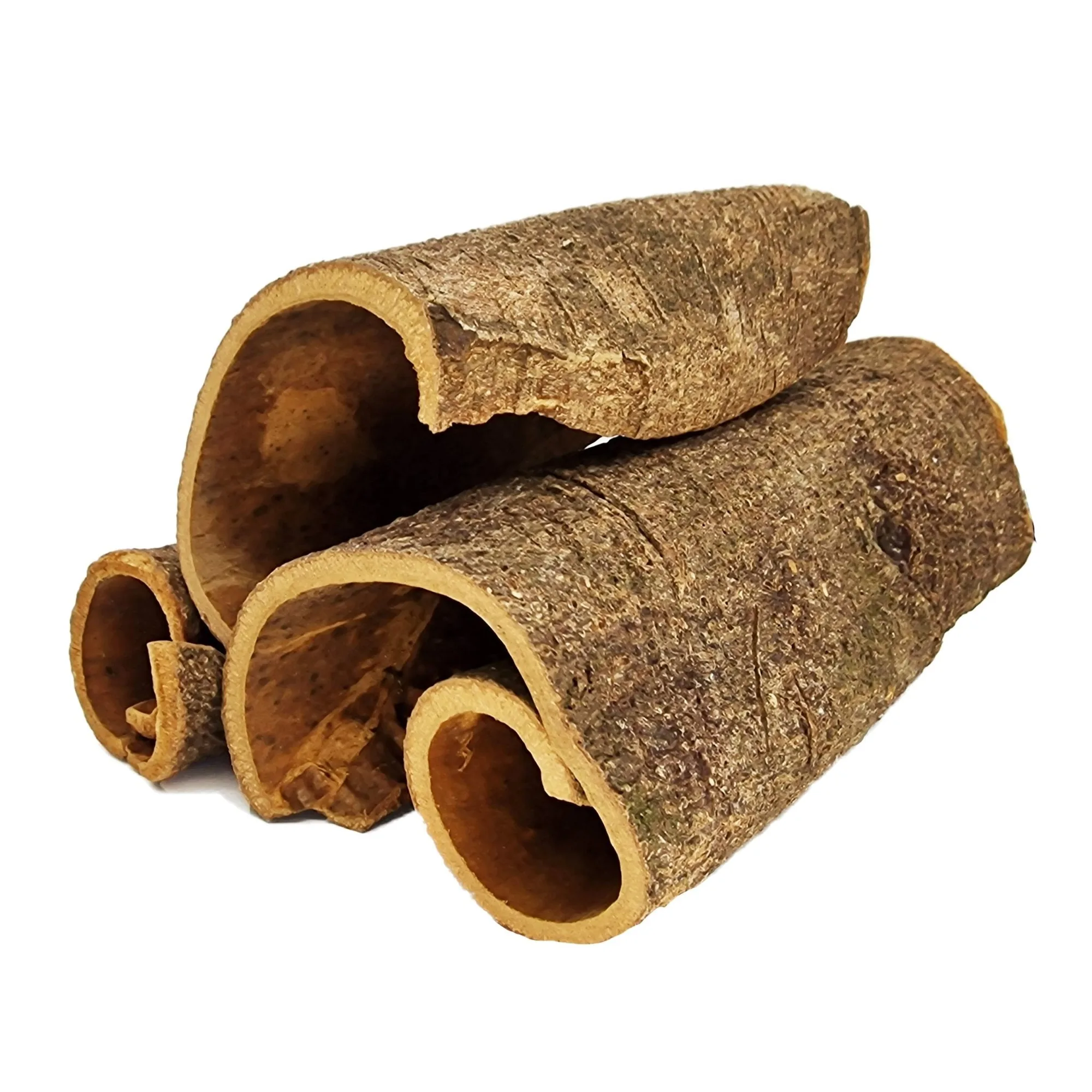
Shrimp tanks benefit from botanicals in two ways: they create natural cover and grazing surfaces, and they release tannins and other compounds that can support soft-water conditions. Magnolia Michelia leaves are stiff and durable, so they hold their shape longer than many softer leaves, while Kurrajong pods add structure and hideaways for smaller shrimp. Both are best introduced slowly because shrimp are sensitive to sudden shifts in water chemistry.
How much to add and when to stop
A common mistake is treating botanicals as decoration first and water chemistry second. For a 10-gallon shrimp tank, start with one or two Magnolia Michelia leaves or a single Kurrajong pod. Wait a week, test pH and hardness, and watch for molting problems or lethargy. If parameters stay stable, add another leaf or pod. If pH drops more than about 0.3 to 0.5 in a week, remove some botanicals and do a small water change rather than adding more.
Feeding and cleanup: leaves as a supplement, not a staple
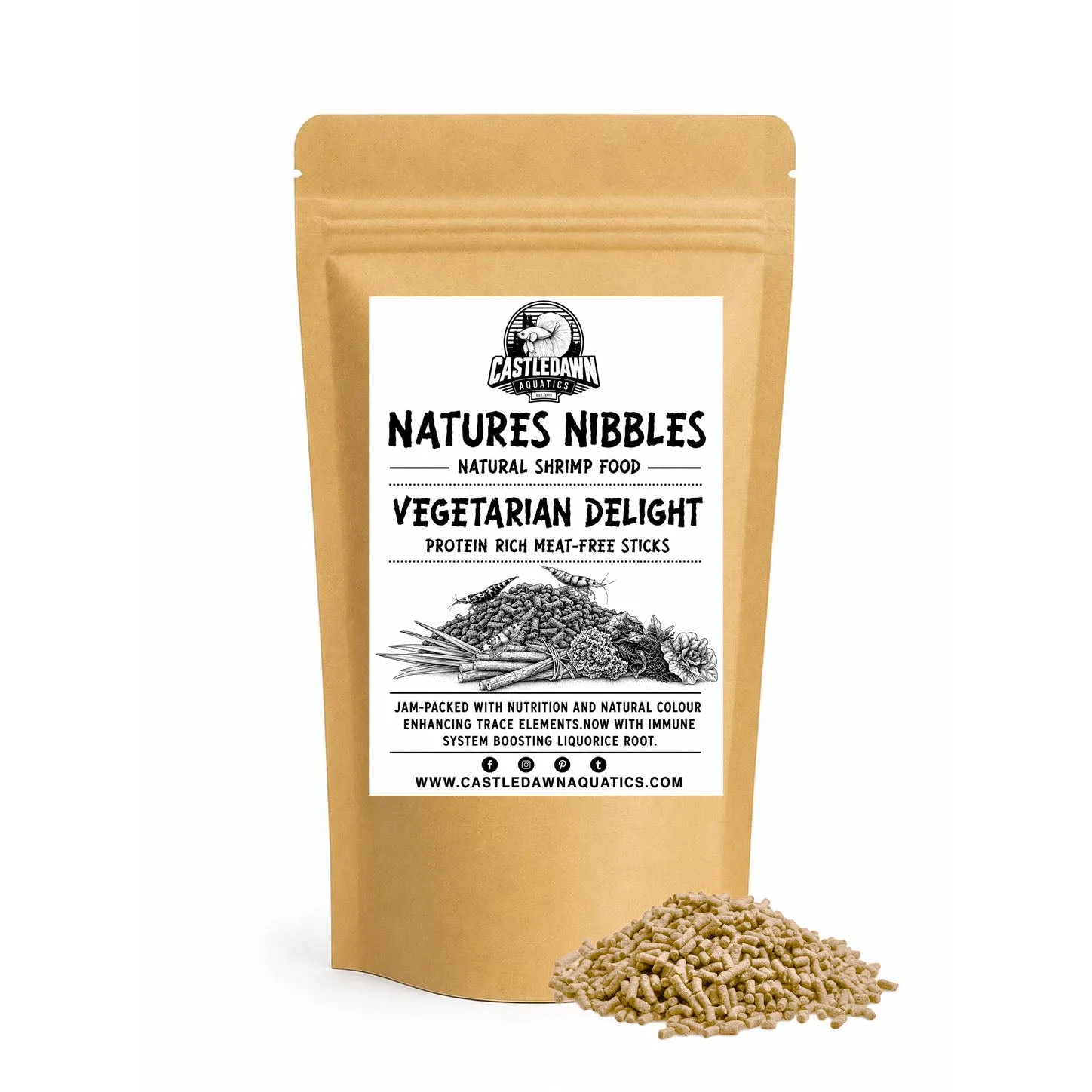
Botanicals are not a complete diet. Use them alongside a balanced shrimp food, and offer a dedicated leaf-based snack such as Natures Nibbles Shrimp Snack Organic Bamboo Leaves when you want to target shell development and grazing. Remove any leaf or pod that turns soft, smells sour, or grows fuzz that is not the normal biofilm shrimp graze on. In a well-stocked tank, a large pod can last weeks, but in a small tank with few shrimp, it may need to come out sooner.
Step-by-step: Adding botanicals to a shrimp tank
- Pre-soak your botanicals: Rinse and soak Kurrajong pods and Magnolia Michelia leaves in a separate container of dechlorinated water for 24 to 48 hours. This removes loose debris and lets some tannins release before the botanicals enter the tank. Checkpoint: if the soak water turns very dark, pour it out and soak again for another day before adding.
- Start with a small amount: Place one or two leaves or a single pod in the tank. Position them where you can see them easily so you can monitor how quickly they break down and how shrimp interact with them. Checkpoint: do not cover the entire substrate at once; leave open grazing areas.
- Test and observe for one week: Measure pH, hardness, and temperature before adding botanicals and again after three and seven days. Watch for unusual behavior such as shrimp clustering at the surface, refusing food, or failed molts. Checkpoint: if pH drops more than 0.5 in a week, remove some botanicals and do a 10 to 20 percent water change.
- Add a leaf-based snack if needed: If shrimp are grazing constantly but you want to target shell health, offer a supplementary food such as Natures Nibbles Shrimp Snack Organic Bamboo Leaves once or twice a week. Remove uneaten portions after 24 hours. Checkpoint: botanicals are not a substitute for a complete shrimp diet.
- Replace botanicals as they break down: Magnolia Michelia leaves and Kurrajong pods will soften over time. Remove any that become mushy or develop a sour smell, and replace them with fresh pre-soaked material only if your water parameters have been stable. Checkpoint: keep a simple log of when you add and remove botanicals so you can spot patterns in water chemistry.
Product facts
- Large Kurrajong Pods (15 Pack): Kurrajong Pods are one of our favourite botanicals, perfect for elevating the aesthetics of a blackwater aquarium. They add visual appeal and create great hideaways for smaller fish and shrimp. While native to Australia, and therefore not suitable for biotopes specific to other regions, these pods can still add a unique touch to your blackwater setup. TIP: Kurrajong Pods tend to close up... They give shrimp a place to hide and graze, and they suit blackwater shrimp tanks, but they are not correct for every regional biotope.
- Medium Magnolia Michelia Leaves (50 Pack): One of our favourite leaves for creating authentic blackwater aquarium displays, Magnolia Michelia leaves bring a striking golden-brown tone and natural structure to your aquascape. Despite being smaller than traditional Indian almond leaves, these stiff, durable leaves release a surprisingly high level of tannins, making them ideal for blackwater aquariums, shrimp tanks, and soft-water biotopes. Their textured... They last longer than softer leaves and release tannins steadily, which is useful for shrimp tanks where you want a gradual shift rather than a sudden drop.
- Natures Nibbles Shrimp Snack Organic Bamboo Leaves: Bamboo leaves are a superb supplementary food source for freshwater aquarium shrimp and snails. Bamboo leaves are naturally rich in silica and calcium which aids in shell development, growth and moulting in shrimp and other freshwater aquarium invertebrates. Bamboo leaves are also packed full of antioxidants and are commonly used in Southeast Asia to buffer the PH and support protective glycoprotein slime in... They support molting and shell health, so they are a practical snack to keep on hand when you are already using botanicals for cover and tannins.