Quick answer
Most Kutná Hora: The City of Silver losses come from three fixable errors: treating mine income as automatic, ignoring the guild track until late, and building without checking the city's expansion timing. Fix those and your engine runs. If you still stall after two or three games, the problem is usually your opening build order, not the rules.
Mistake 1: You expect mine income every round
In Kutná Hora, silver income is tied to the mine tiles you have developed and the city's economic state, not to a fixed per-round payout. New players often plan purchases assuming a steady flow, then run short when a mine's output drops or when development slows. Before you commit to an expensive building, check what your current mines actually produce this round and whether any of them are exhausted or blocked. If your income depends on a single mine, you have a single point of failure.
Mistake 2: You treat the guild track as a tiebreaker
The guild track is not a scoring afterthought. Guild leaders gain access to actions and bonuses that compound, and falling behind early makes every later round harder. If you are consistently last on the guild track by mid-game, you are effectively playing with fewer options than your opponents. The fix is to claim guild presence in the first two rounds, even if it means delaying one building. A slightly slower start with guild standing beats a fast start with no influence.
Mistake 3: You build before the city expands
Kutná Hora's city grows in stages, and building in a district that is about to expand can waste resources if you misjudge the timing. The rule of thumb: check the expansion trigger before you place a building, not after. If the city is one step from expanding into your target district, wait one round and build there for less competition. If you have already built, you are not stuck, but you may need to pivot your next two builds to districts that are stable.
Mistake 4: You ignore the political and influence layer
Many players focus on mining and construction and treat political actions as optional. In practice, political skill shapes which players benefit from city growth and who controls key decisions. Ignoring it means your opponents decide the terms of the game. You do not need to dominate politics, but you should take one influence action per round when it is cheap. If you are already behind on both guild and politics, stop competing there and double down on mining efficiency instead.
Mistake 5: You misread the end-game trigger
The game ends when the city reaches its final development stage, not after a fixed number of rounds. Players who assume a set round count often run out of time for their planned engine. Count how many expansion steps remain and work backward: if two steps remain, you have roughly two rounds of meaningful building. If your engine needs three, simplify it now. This is the single most common cause of a promising game ending in a low score.
Diagnosis: which mistake is costing you the game?
- Symptom: You run out of money every round: Likely cause: mine income is lower than you assumed, or you built before securing a second income source. Check your mine tiles and development state before your next purchase. Corrective action: delay one building and develop a second mine. Stop if you are already two rounds from the end; pivot to cheap influence instead.
- Symptom: You always finish last on the guild track: Likely cause: you skipped guild actions in the first two rounds to build. Guild presence compounds, so early absence is expensive. Corrective action: claim guild standing next round even at the cost of a build. If the guild track is already locked by opponents, switch to mining efficiency.
- Symptom: Your buildings feel wasted: Likely cause: you built in a district just before the city expanded, or you ignored the expansion trigger entirely. Corrective action: check the expansion step before every build. If fewer than two steps remain, stop long-term plans and score what you have.
What the game actually includes
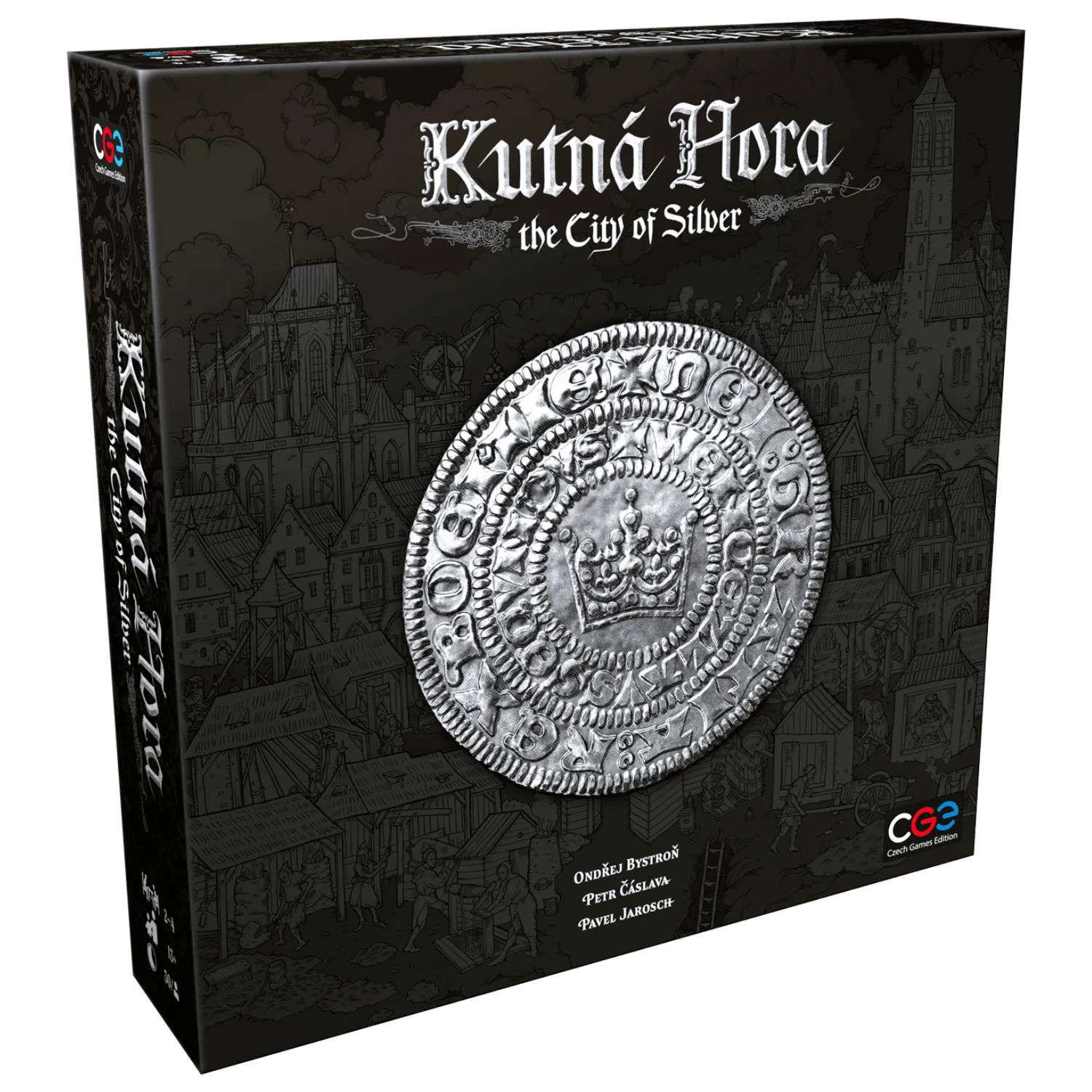
- Kutná Hora: The City of Silver: Kutná Hora: The City of Silver is a historical city building euro game for 2–4 players set during the 14th-century economic growth of the City of Silver. The 2–4 player count and euro structure mean the rules mistakes above scale differently at two players versus four; at two, guild competition is tighter and expansion timing matters more.
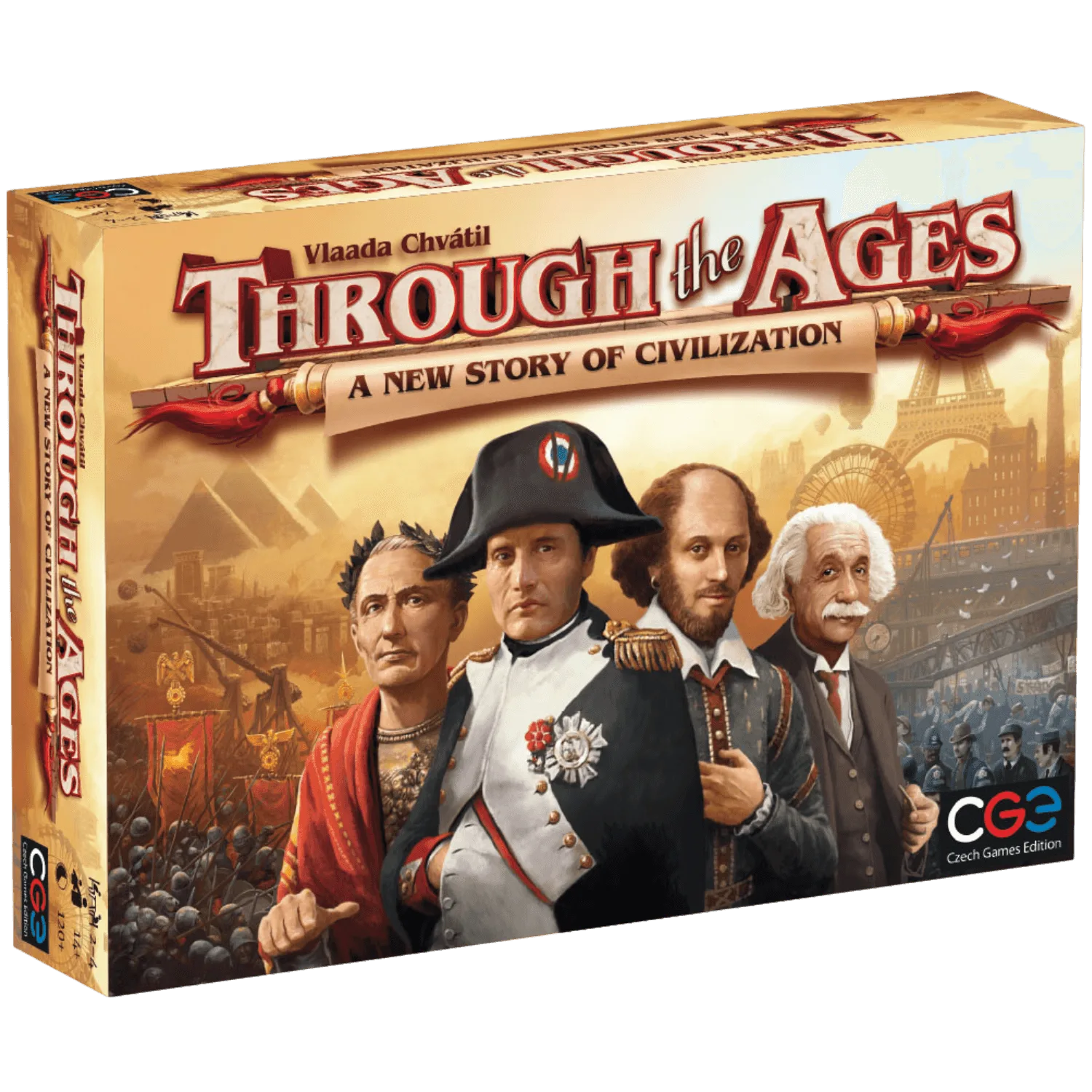
- Through the Ages: A New Story of Civilization: Through the Ages: A New Story of Civilization is a classic civilization-building game where you expand farms and mines, advance technology, choose leaders, and strengthen your army. If you enjoy Kutná Hora's economic engine but want a longer civilization arc with military and political layers, Through the Ages is the natural next step.